
In the intricate world of personal and business finance, a void check might seem like a small, unassuming document, yet it plays a crucial role in establishing various financial connections. Whether you’re setting up direct deposit for your paycheck, automating bill payments, or configuring direct debits for investment contributions, a void check often serves as the definitive proof of your bank account and routing information. For Chase account holders, understanding the precise methods to obtain and utilize a void check is essential for smooth financial operations. This comprehensive guide will demystify the process, exploring traditional and modern approaches, ensuring you can confidently provide the necessary details whenever required.
The Indispensable Role of a Void Check in Modern Finance
Before diving into the “how-to,” it’s vital to grasp why a void check is so frequently requested and its significance within your financial ecosystem. It’s more than just a piece of paper; it’s a verification tool that minimizes errors and establishes trust between financial entities.
What Constitutes a Void Check and Why It’s Needed
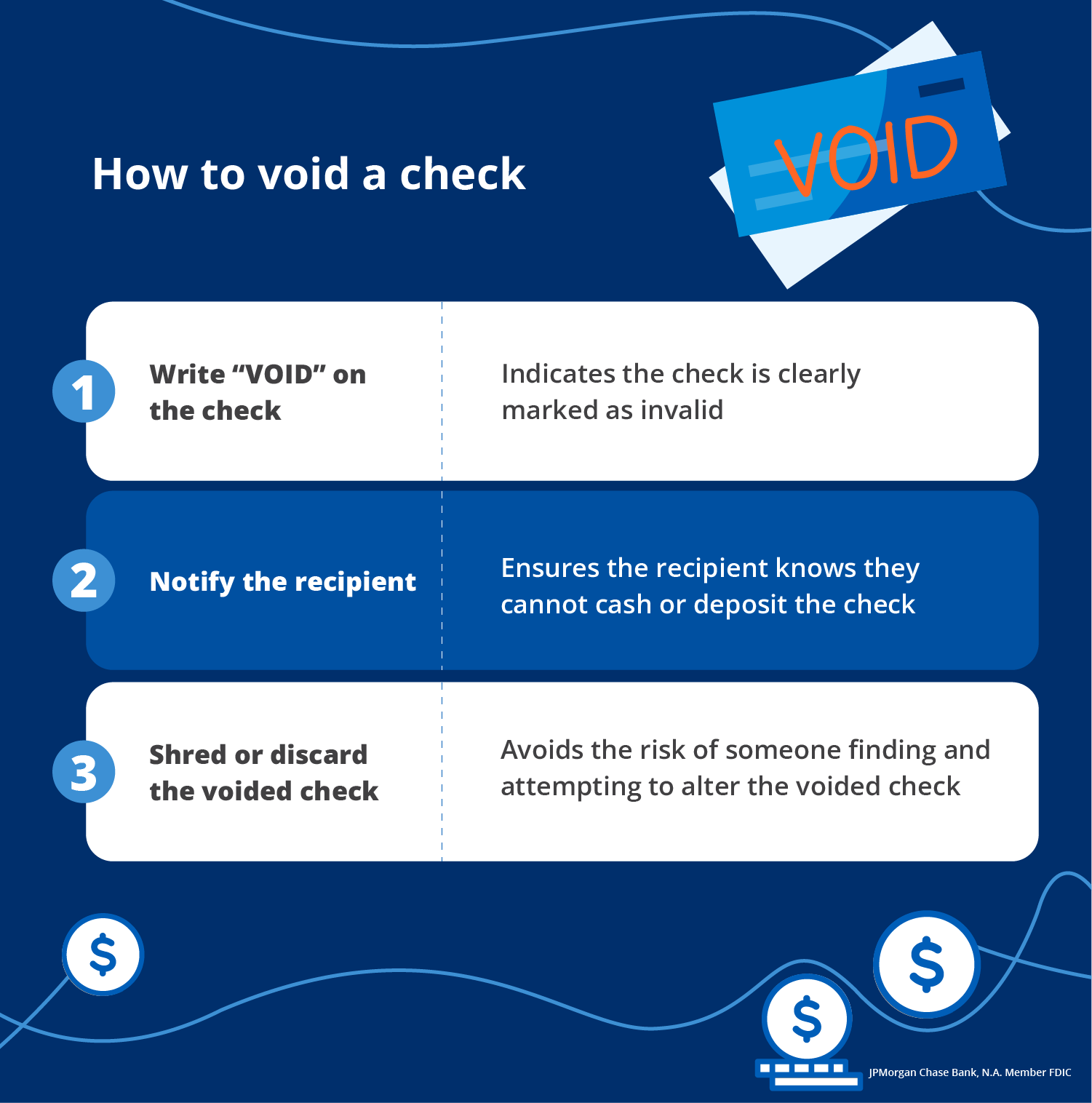
A void check is essentially a regular paper check from your checkbook with the word “VOID” written across it in large, unmistakable letters. The primary purpose of voiding a check is to prevent its use as a payment instrument while still allowing its pre-printed information – namely, your bank’s routing number and your specific account number – to be shared securely.
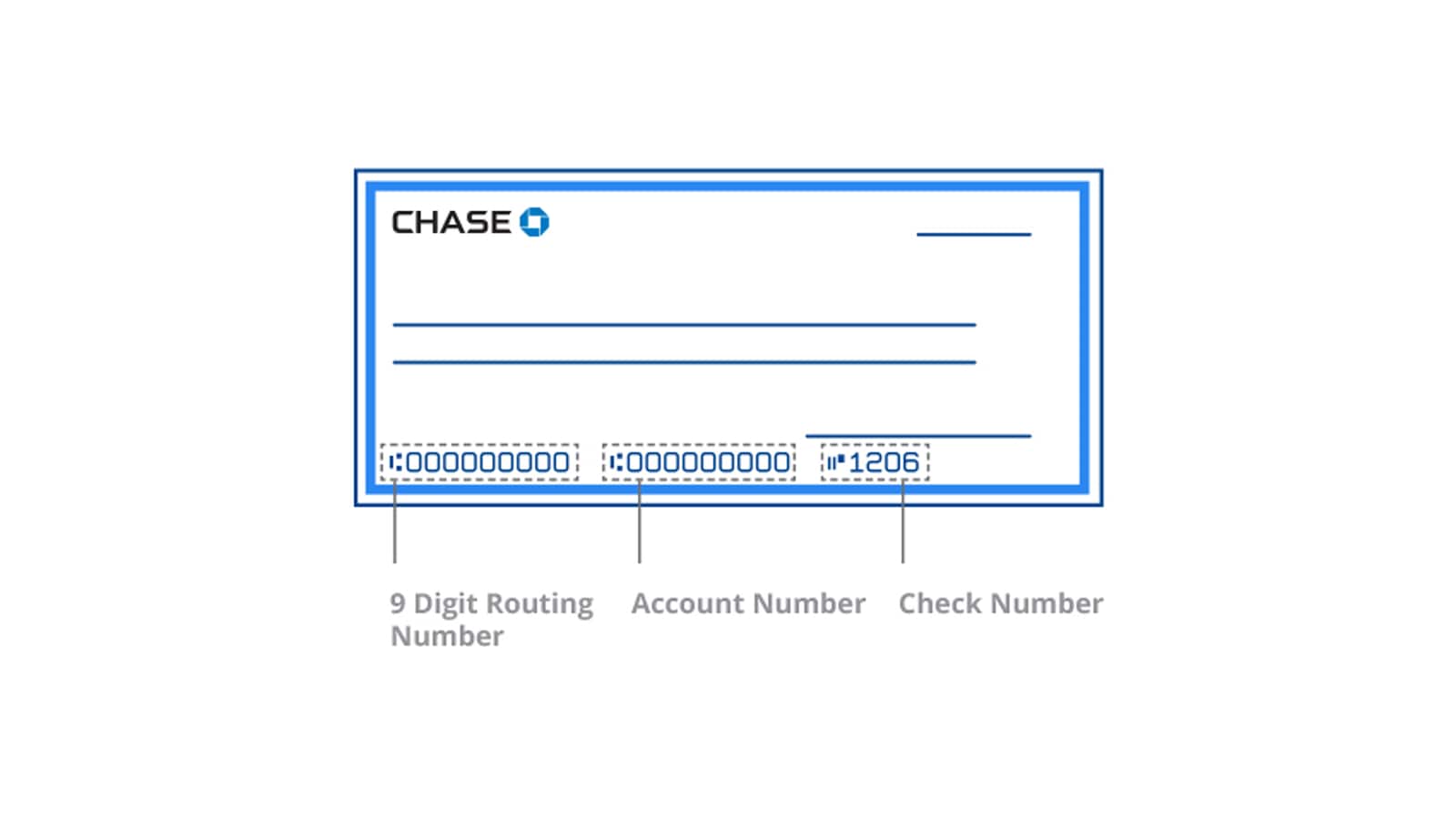
The routing number is a nine-digit code that identifies your financial institution, like Chase, and indicates where funds should be transferred. Your account number, specific to your individual checking account, tells the bank where to deposit or withdraw the money. Together, these numbers are the backbone of electronic fund transfers (EFTs).
Common scenarios where a void check is indispensable include:
- Direct Deposit Setup: Employers often require a void check to ensure your paycheck is accurately routed to your bank account, streamlining payroll processes and guaranteeing timely payment.
- Automated Bill Payments (Direct Debit): Utility companies, mortgage lenders, or subscription services may ask for a void check to set up recurring payments directly from your account, providing convenience and preventing late fees.
- Investment Contributions: Setting up automatic transfers to a brokerage account, IRA, or 401(k) often necessitates a void check for initial verification.
- Loan Payments: Some lenders might request a void check to configure auto-debit for loan repayments.
The reason a void check is preferred over simply writing down the numbers is verification. The pre-printed nature of the check assures the requesting party that the numbers are correct and belong to a valid, active account with a legitimate financial institution. This significantly reduces the risk of transcription errors and fraud.
Distinguishing Void Checks from Other Banking Documents
While a void check serves a specific purpose, it’s often confused with other banking documents. Understanding the differences is crucial:
- Canceled Check: A canceled check is one that has been successfully cashed and processed by your bank. It serves as proof of payment. A void check, by contrast, is never cashed.
- Starter Check: These are temporary checks provided when you open an account. While they contain your routing and account numbers, some institutions might prefer a “permanent” check from your actual checkbook for voiding.
- Deposit Slip: While a deposit slip also contains your routing and account numbers, it’s primarily used for making deposits and typically doesn’t include your personal information (name, address) in the same prominent way a check does. It might be accepted in lieu of a void check by some entities, but a void check is generally preferred for official setup processes.
Traditional Approach: How to Void a Physical Chase Check
The most straightforward and widely accepted method for obtaining a void check is to use a physical check from your Chase checkbook. This process is simple, secure, and universally understood.
Step-by-Step Guide to Voiding a Check
- Locate a Blank Check: Open your Chase checkbook and select the next unused check. It’s generally advisable to use a check from the beginning or middle of your checkbook, rather than the very last one, which might be needed for reconciliation.
- Use a Permanent Pen: Grab a pen with indelible ink (e.g., a ballpoint pen or felt-tip marker). This ensures the “VOID” marking cannot be easily erased or altered.
- Write “VOID” Clearly and Legibly: In large, prominent letters, write the word “VOID” across the entire face of the check. Ensure it covers all critical areas:
- The payee line (“Pay to the Order of”)
- The dollar amount box
- The signature line
- The date line
- The memo line
- Crucially, do not obscure the routing number (bottom left) or your account number (bottom middle). These are the pieces of information the requesting party needs.
- Avoid Covering Essential Numbers: While you want to cover the payment fields, make sure the routing and account numbers at the bottom of the check remain perfectly clear and readable. These numbers are printed using magnetic ink character recognition (MICR) and are vital.
- Record the Voided Check: Make a note in your checkbook register that this specific check number has been voided and the reason why (e.g., “Void for direct deposit setup”). This helps maintain accurate records and prevents confusion later.
- Submit the Voided Check: Provide the physical voided check to the requesting party. Some may ask for a digital scan or photograph, but a physical copy is often preferred.
Important Considerations for Physical Void Checks
- Security: Once voided, the check cannot be used for payment, significantly reducing fraud risk. However, it still contains your sensitive bank account information. Treat it with care and only provide it to trusted entities.
- Keeping Records: Always retain a copy of the voided check for your records. You can photocopy it or take a clear photograph before submitting it. This serves as proof of what you provided and when.
- Multiple Requests: If you need to set up multiple direct deposits or debits, you might need more than one void check. You can void separate checks for each request.
Digital Alternatives: Obtaining Chase Account Information Without a Physical Void Check
While a physical void check is the gold standard, modern banking offers convenient digital alternatives for retrieving the necessary account and routing numbers. These methods are particularly useful if you don’t have your checkbook handy or prefer a paperless approach.
Utilizing Chase Online Banking for Account Details
Chase’s robust online banking platform is an excellent resource for accessing your financial information quickly and securely.
- Log In to Chase Online: Go to Chase.com and log in to your account using your username and password.
- Navigate to Your Account Summary: Once logged in, select the checking account for which you need the information.
- Find Account Details: Look for an option like “Account Details,” “Account Services,” or “Routing & Account Numbers.” Chase typically makes this information easily accessible. You should see your 9-digit routing number and your specific account number clearly displayed.
- Print or Download: Most platforms allow you to print this information directly or download a PDF document (like a blank deposit slip or an account statement) that contains these details. Some employers or institutions may accept a printout from your online banking portal as an alternative to a void check.
Accessing Digital Documents: Deposit Slips and Account Statements
Many entities that request a void check will also accept other official bank documents that clearly display your routing and account numbers.
- Printable Deposit Slips: Within Chase’s online banking, you might find an option to print a temporary deposit slip. This slip will have your name, routing number, and account number. While primarily for deposits, it serves the same verification purpose as a void check for providing your numbers.
- Bank Statements: Your monthly Chase bank statements (which can be accessed digitally through online banking) contain both your routing and account numbers. You can download and print a recent statement, redact any sensitive transaction details, and highlight the routing and account numbers before submitting. Ensure the statement is recent enough to be considered valid by the requesting party.
- Direct Deposit Forms: Some employers provide their own direct deposit authorization forms. These forms often have sections where you can manually enter your routing and account numbers. In such cases, a void check merely serves as a verification document. If you’re confident in transcribing the numbers correctly, and the employer doesn’t insist on a void check, this might suffice.
Leveraging the Chase Mobile App
For convenience on the go, the Chase Mobile app can also provide quick access to your account details.
- Open and Log In to the Chase Mobile App: Access the app on your smartphone or tablet and log in using your credentials or biometric authentication.
- Select Your Checking Account: Tap on the checking account you need information for.
- View Account Details: Look for an option that displays your account details, which typically includes the routing and account numbers. This might be under “Show Details,” “Account Info,” or a similar heading.
- Screenshot (with Caution): While you can screenshot this information, exercise extreme caution. Screenshots can be stored on your device and are less secure than physical documents or printed online banking pages. Only do this if immediately deleting the screenshot after use, and never share it via insecure channels.
When a Branch Visit to Chase Might Be Necessary
While online and mobile options cover most scenarios, there might be specific instances where visiting a Chase branch provides an added layer of assurance or is explicitly required.
Scenarios Where a Branch Visit is Beneficial
- No Physical Checks: If you do not have a checkbook and prefer not to rely on digital printouts for the requesting party, a branch can provide an official document.
- Unusual Requests: For unique or highly sensitive financial setups, the requesting party might specifically ask for a document stamped or signed by a bank representative.
- Lost or Stolen Checkbook: If your checkbook is compromised and you need a void check, visiting a branch can help you get the necessary account details and also address any security concerns.
- Personal Assistance: If you’re uncomfortable with online banking or prefer face-to-face interaction to confirm the correct numbers, a branch visit offers personalized support.
What to Bring and Expect at a Chase Branch
When visiting a Chase branch for account information or a void check equivalent:
- Bring Valid ID: Always bring a government-issued photo ID (driver’s license, passport, state ID). This is essential for verifying your identity.
- Account Information: While not strictly necessary, having your Chase debit card or account number handy can expedite the process.
- Explain Your Need: Clearly explain to the teller or banker that you need your routing and account numbers, specifically for setting up direct deposit or an automated payment, and that you require a document that serves the purpose of a void check.
- Expect an Official Printout: The branch staff can usually print out a temporary check, a deposit slip, or an official letter on bank letterhead that contains your routing and account numbers, serving the same function as a voided check. They can often stamp it as “official” or “voided” if needed.
Best Practices and Security Considerations for Void Checks
Handling any financial document, even a voided one, requires a degree of diligence to protect your personal information.
Protecting Your Financial Information
- Only Share with Trusted Entities: Never provide your void check or account numbers to unverified individuals or organizations. Always confirm the legitimacy of the requesting party.
- Shred After Use (if physical): Once you’ve submitted a physical void check and no longer need your copy, shred it to prevent sensitive information from falling into the wrong hands. Do not simply throw it in the trash.
- Secure Digital Files: If you’re sending a digital scan or photo of a void check, ensure it’s transmitted via secure, encrypted channels. Avoid sending sensitive financial documents through standard email unless explicitly requested and you trust the recipient’s security protocols.
- Monitor Your Account: After setting up direct deposits or debits, regularly monitor your Chase account statements through online banking or the mobile app to ensure transactions are occurring as expected and to quickly spot any unauthorized activity.
Verifying Information and Keeping Records
- Double-Check Numbers: Whether you’re voiding a physical check or pulling numbers from online banking, always double-check the routing and account numbers before submission. A single transposed digit can lead to significant delays and complications.
- Confirmation with Requesting Party: After submitting your void check or alternative document, confirm with the requesting party (e.g., your employer’s HR department, utility company) that they have received it and that the setup process is underway.
- Maintain Digital and Physical Records: Keep a digital copy (e.g., a scanned PDF) and/or a physical photocopy of any void check or account information document you provide. This record is invaluable if there’s ever a dispute or question about the information you submitted.
In conclusion, obtaining a void check from Chase is a straightforward process, whether you opt for the traditional method of voiding a physical check or leverage the convenience of Chase’s digital banking platforms. By understanding the purpose, following the correct steps, and adhering to best practices for security and record-keeping, you can confidently navigate these financial requirements, ensuring your direct deposits and automated payments are set up accurately and securely.
aViewFromTheCave is a participant in the Amazon Services LLC Associates Program, an affiliate advertising program designed to provide a means for sites to earn advertising fees by advertising and linking to Amazon.com. Amazon, the Amazon logo, AmazonSupply, and the AmazonSupply logo are trademarks of Amazon.com, Inc. or its affiliates. As an Amazon Associate we earn affiliate commissions from qualifying purchases.