
In the complex ecosystem of personal finance, certain pieces of information act as crucial navigational beacons, guiding your money safely to its intended destination. Among these, your bank routing number stands out as a fundamental identifier, integral to a wide array of financial transactions. While often overlooked until needed, understanding what it is, why it’s important, and how to locate it swiftly is a cornerstone of effective financial management. This comprehensive guide will demystify the bank routing number, equipping you with the knowledge and tools to confidently find yours, ensuring smooth and secure financial operations.

Understanding Your Bank Routing Number
Before delving into the practicalities of finding your routing number, it’s essential to grasp its definition, purpose, and how it differentiates itself from other financial identifiers. This foundational knowledge empowers you to use it correctly and securely.
What is a Routing Number?
A bank routing number, also known as an ABA (American Bankers Association) routing transit number, is a nine-digit code that identifies your specific financial institution in a transaction. It acts much like a postal code for banks, ensuring that funds sent electronically or via check reach the correct bank. Established in 1910 by the ABA, its primary purpose was to facilitate the sorting and delivery of paper checks. Today, its role has expanded significantly, becoming vital for virtually all electronic funds transfers within the United States. Each digit within the nine-digit sequence carries specific information, though for most users, knowing the full sequence is what matters. It’s a critical component for the Automated Clearing House (ACH) network, which processes direct deposits, electronic bill payments, and wire transfers.
Why Do You Need It?
Your bank routing number is indispensable for a variety of common financial activities, making it a piece of information you’ll likely need to access at various points in your financial life. Its primary uses include:
- Direct Deposit: Whether it’s your paycheck, government benefits, or a tax refund, direct deposit relies on your routing number to ensure funds are deposited directly into your account at the correct bank.
- Electronic Bill Payments: Setting up automatic payments for utilities, loans, or credit cards often requires your routing number to link your bank account for debits.
- Wire Transfers: For larger or international money transfers, your routing number (and sometimes a specific wire transfer routing number) is crucial for identifying your bank.
- ACH Transactions: This broad category includes a multitude of electronic payments and transfers, from sending money to friends via certain apps to online purchases that directly debit your account.
- Tax Refunds: When filing your taxes, providing your routing and account number ensures your refund is deposited directly into your bank account, often speeding up the process.
- Setting Up Investment Accounts: Linking your bank account to brokerage or investment platforms for funding and withdrawals will invariably require your routing number.
Without this number, many of the conveniences of modern banking would be impossible, forcing a return to slower, paper-based transaction methods.
Key Differences: Routing Number vs. Account Number vs. SWIFT Code
It’s common for individuals to confuse their routing number with other financial identifiers. Understanding these distinctions is crucial for accurate transactions and enhanced security.
- Routing Number: Identifies your bank or credit union. It’s like the bank’s address.
- Account Number: Identifies your specific account within that bank. It’s like your specific apartment number within the building. Your account number is unique to you and your account.
- SWIFT Code (Society for Worldwide Interbank Financial Telecommunication): This is an international identifier, typically 8 or 11 characters long, used for international wire transfers. While a routing number is primarily for domestic U.S. transactions, a SWIFT code is necessary for sending money across international borders. Some U.S. banks may have both a routing number and a SWIFT code, but they serve different purposes.
Never confuse these numbers, especially when providing them for transactions. Providing the wrong number can lead to delays, incorrect transfers, or even exposure to fraud.
Common Ways to Locate Your Routing Number
Fortunately, your bank routing number is not a hidden secret. Financial institutions make it readily available through multiple channels, recognizing its importance for their customers’ banking activities.
Checking Your Physical Checks
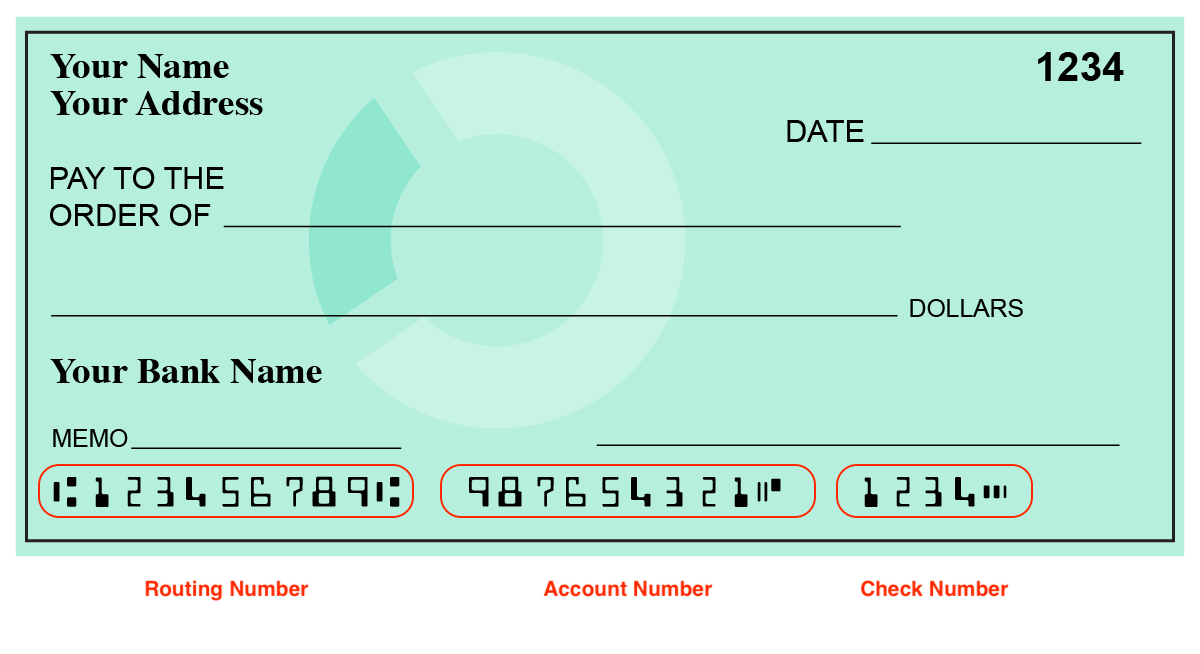
For many, the quickest and most traditional way to find their routing number is by looking at a physical check. On the bottom of a standard U.S. check, you’ll typically find three sets of numbers printed in magnetic ink (MICR line). From left to right, these usually represent:
- Routing Number: The first nine-digit number.
- Account Number: Your specific account number, which can vary in length.
- Check Number: The number of that specific check.
It’s crucial to confirm this layout, as some less common check designs might present the numbers in a slightly different order. Always verify that the first nine digits are indeed the routing number.
Logging into Your Online Banking Account
In the digital age, your online banking portal is often the most convenient and secure source for your routing number. Once you log in:
- Account Summary/Details: Look for a section like “Account Summary,” “Account Details,” or “My Accounts.” Your routing number is frequently displayed alongside your account number.
- Statements: Many online banking platforms allow you to view or download electronic statements. Your routing number is usually printed on these statements.
- “Direct Deposit Information” or “Set Up Direct Deposit”: Some banks have a dedicated section or link that provides all the necessary details, including your routing number, for setting up direct deposits.
This method offers the added benefit of being accessible from anywhere with an internet connection, making it ideal if you’re away from your physical checks or bank statements.
Using Your Bank’s Mobile App
Similar to online banking, most modern bank mobile apps provide easy access to your routing number. After logging into the app:
- Account Details: Navigate to the specific account for which you need the routing number. There’s often a “Details,” “Info,” or “Account Information” option.
- Direct Deposit Forms: Some apps include a feature to generate a pre-filled direct deposit form, which will clearly display your routing number.
- FAQ or Search Function: If you can’t immediately find it, utilize the app’s search bar (if available) or check the FAQ section for guidance.
Mobile apps offer unparalleled convenience, allowing you to retrieve your routing number on the go whenever needed.
Referring to Bank Statements
Whether you receive paper statements in the mail or access them electronically through your online banking portal, your routing number is almost always printed on them.
- Paper Statements: Review a recent paper statement. The routing number is typically found near your account number, bank name, or in a dedicated section for bank information.
- Electronic Statements: Download a PDF version of your e-statement from your online banking account. You can then easily locate the routing number within the document, often using a “find” function if it’s a large file.
Bank statements provide a reliable, official record that includes all pertinent financial identifiers.
Visiting Your Bank’s Official Website
If you prefer not to log into your account, or if you’re looking for a general routing number for a bank (perhaps before opening an account), the bank’s public website is an excellent resource.
- Search Bar: Use the website’s search bar and type “routing number.”
- FAQ Section: Look for a “Frequently Asked Questions” or “Help” section, which often has a dedicated entry for routing numbers.
- “Contact Us” or “About Us” Pages: These sections sometimes list general bank information, including routing numbers.
- Dedicated “Routing Number” Page: Some banks have a specific page that lists all their routing numbers, especially if they have different ones for various regions or transaction types.
When using a public website, ensure you are on the official site of your bank to avoid phishing scams. Look for “https://” in the URL and a padlock icon.
Contacting Your Bank Directly
When all else fails, or if you simply prefer direct assistance, contacting your bank is always an option.
- Customer Service Hotline: Call your bank’s customer service number. After verifying your identity, the representative will be able to provide your routing number.
- In-Person Visit: If you’re near a branch, you can visit a teller or customer service representative who can assist you. Remember to bring a valid ID for verification.
This method guarantees accuracy and is particularly useful if you have any complex questions about regional routing numbers or specific transaction types.
Specific Scenarios and Considerations
While the methods above cover most situations, certain scenarios warrant extra attention when locating your routing number.
What if I Don’t Have Checks?
With the rise of digital banking, many individuals no longer use physical checks. If you don’t have checks, focus on the digital methods: online banking, mobile app, bank statements (electronic), or the bank’s official website. These are equally reliable and often more convenient for modern banking habits.
Finding Routing Numbers for Specific Transaction Types
It’s important to be aware that some larger banks, particularly those operating across multiple states, may have different routing numbers for different types of transactions or different geographical regions.
- Wire Transfers: Some banks use a separate routing number specifically for incoming wire transfers. This is often clearly stated on their website or by customer service. Always confirm the correct routing number for wire transfers, especially for international wires which may also require a SWIFT code.
- ACH vs. Wires: Typically, the routing number found on your checks or online banking is for ACH transfers (direct deposit, bill pay). If you are initiating a wire transfer, double-check that this is the correct number, or if a specific wire routing number is provided.
Always confirm the correct routing number with your bank for the specific transaction you are trying to make, especially for significant sums of money.
Bank Mergers and Acquisitions
When banks merge or one institution acquires another, routing numbers can sometimes change. If your bank has recently undergone such a change, be extra cautious.
- Official Communication: Your bank will typically notify customers well in advance of any changes to routing numbers. Pay close attention to these communications via mail, email, or announcements on their website.
- Transition Period: Often, there’s a transition period where both old and new routing numbers are valid. However, it’s best to start using the new number as soon as it’s provided to ensure uninterrupted service.
- Update Linked Accounts: After a merger, you’ll need to update your routing number with employers (for direct deposit), billers (for automatic payments), and any other financial platforms linked to your account.
Staying informed during periods of institutional change is paramount to avoiding financial disruptions.
Multi-State Banks and Regional Routing Numbers
Large national banks often have different routing numbers for different states or regions. This is because these banks may have established separate internal branches or processing centers, each with its own identifier.
- State-Specific Search: If you bank with a large national institution like Chase, Bank of America, or Wells Fargo, you might need to specify your state or region when searching for the routing number on their website or contacting customer service.
- Account-Specific: Your online banking portal or mobile app will always display the routing number specifically associated with your individual account, which automatically accounts for any regional variations. This makes digital access often the most reliable for multi-state banks.
Always ensure the routing number you use is correct for your specific branch and account, not just the general bank.
Safeguarding Your Financial Information
While your routing number is less sensitive than your account number or Social Security number, it’s still a critical piece of financial information that should be protected.
When and How to Share Your Routing Number
It is generally safe to share your routing number in legitimate contexts where it is required for transactions, such as:
- Setting up direct deposit with your employer.
- Configuring automatic bill payments with trusted service providers.
- Initiating a legitimate wire transfer.
- Setting up an authorized payment through a secure financial app.
However, be cautious about sharing it in unusual circumstances. Reputable organizations will typically use secure, encrypted channels for collecting this information.
Recognizing and Avoiding Scams
Scammers are always looking for ways to access your financial details. While a routing number alone isn’t enough to drain your account, it can be a stepping stone for fraudsters to gather more information or attempt unauthorized transactions when combined with other data.
- Unsolicited Requests: Be suspicious of anyone who unexpectedly asks for your routing number via email, text message, or an unverified phone call. Your bank will never ask for this information (or other sensitive details) in an unsolicited manner.
- Phishing Attempts: Look out for emails or websites that mimic legitimate institutions but contain subtle errors or suspicious links. Always verify the sender and the URL before clicking or inputting any information.
- Social Engineering: Scammers might try to trick you into revealing your routing number by creating a sense of urgency or fear. Always pause and verify any request that seems unusual.
When in doubt, contact your bank directly using a verified phone number or visit their official website.

Best Practices for Digital Security
Protecting your routing number is part of a broader commitment to digital financial security.
- Strong, Unique Passwords: Use complex passwords for your online banking and mobile app accounts, and never reuse them.
- Two-Factor Authentication (2FA): Enable 2FA whenever possible. This adds an extra layer of security, requiring a code from your phone or another device in addition to your password.
- Monitor Your Accounts: Regularly check your bank statements and transaction history for any unauthorized activity.
- Secure Networks: Avoid accessing your banking information over unsecured public Wi-Fi networks.
- Shred Documents: Properly shred any physical documents containing your routing number or other sensitive financial information before discarding them.
By adopting these habits, you create a robust defense against potential financial fraud and ensure the integrity of your banking information.
Knowing how to find your bank routing number is a fundamental aspect of managing your personal finances in today’s digital world. It’s a key identifier that facilitates countless transactions, from receiving your salary to paying your bills. By understanding its purpose, familiarizing yourself with the various methods of locating it, and practicing vigilant security, you can navigate your financial life with confidence and precision. Whether you turn to your physical checks, log into your online portal, or consult your bank’s website, accessing this crucial nine-digit code is simpler than you might think, empowering you to keep your money moving smoothly and securely.
aViewFromTheCave is a participant in the Amazon Services LLC Associates Program, an affiliate advertising program designed to provide a means for sites to earn advertising fees by advertising and linking to Amazon.com. Amazon, the Amazon logo, AmazonSupply, and the AmazonSupply logo are trademarks of Amazon.com, Inc. or its affiliates. As an Amazon Associate we earn affiliate commissions from qualifying purchases.