
Applying for a new credit card can be both exciting and nerve-wracking, especially when you’re eyeing a premium product from a major issuer like Chase. Beyond the allure of rewards and benefits, one of the most pressing questions on an applicant’s mind is, “How long will this take?” The waiting period for a Chase credit card approval can vary significantly, ranging from instant decisions to several weeks, depending on a multitude of factors unique to each applicant and their chosen card. Understanding this timeline, the variables at play, and how to navigate the post-application process is crucial for anyone looking to optimize their personal finance strategy and manage their expectations effectively.
Chase, one of the largest and most reputable financial institutions globally, processes millions of credit card applications annually. Their stringent but fair underwriting process aims to identify reliable borrowers while offering competitive products. This guide will delve into the typical approval timelines for Chase credit cards, explore the key factors that can influence the speed and outcome of your application, and provide actionable insights to help you manage the process, from initial submission to receiving your new card.
The Standard Timeline for Chase Credit Card Approval
The journey from submitting your application to receiving an approval or denial can follow several paths, each with its own duration. While some applicants may experience a lightning-fast decision, others might find themselves in a holding pattern.
Instant Approval: The Best-Case Scenario
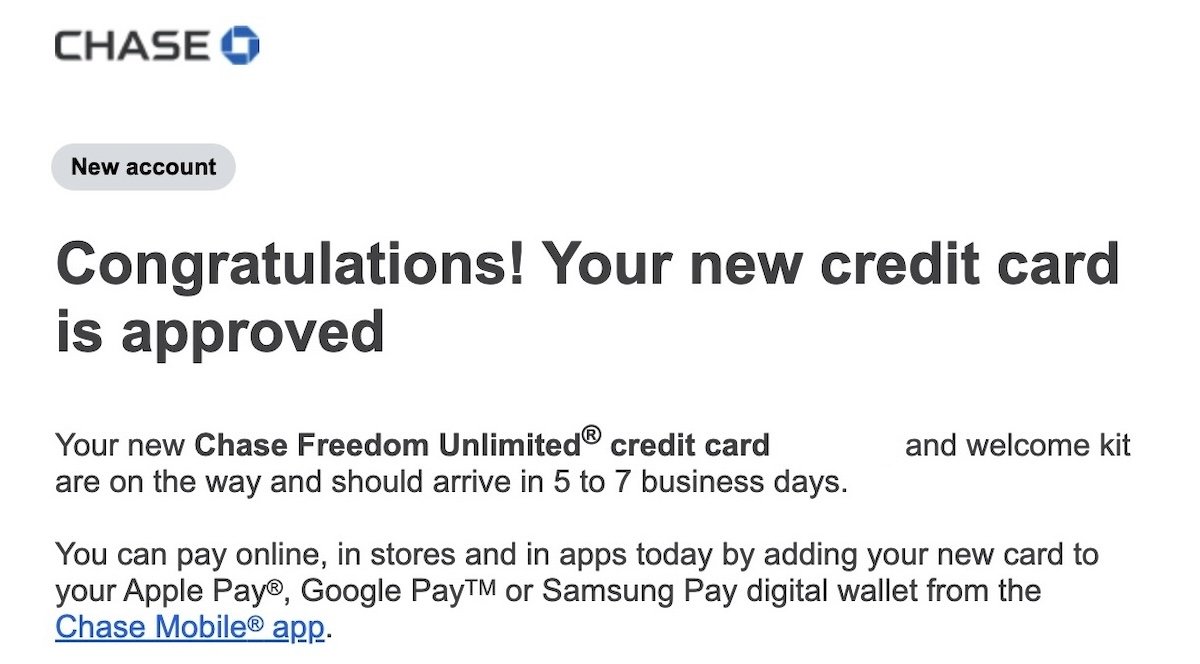
For a fortunate segment of applicants, the approval process is almost instantaneous. Within minutes, or even seconds, of hitting the submit button, you might receive an email or see a confirmation screen congratulating you on your approval. This typically occurs when your credit profile is exceptionally strong, your application information is straightforward, and you meet all of Chase’s underwriting criteria without any red flags. Automated systems can quickly verify your data against credit bureau reports and internal scoring models, leading to an immediate positive decision. Instant approvals are often a sign that you are a highly desirable candidate, possessing a stellar credit score, low debt-to-income ratio, and a clean credit history. While not every applicant will experience this, it’s the quickest and most satisfying outcome.
The Typical 7-10 Business Days: A Common Waiting Period
More commonly, applicants can expect to wait anywhere from 7 to 10 business days for a decision. This period allows Chase’s automated systems and, if necessary, human reviewers to thoroughly evaluate your application. During this time, Chase might be pulling your credit reports from one or more credit bureaus (Experian, Equifax, TransUnion), verifying your income, and cross-referencing information against their internal databases. This standard waiting period is often an indication that your application required a slightly deeper dive than an instant approval, but without significant issues that would trigger an extended review. For many, this is the most probable waiting time, and it’s wise to set this as your default expectation after applying.
When Applications Go to Manual Review: Extended Delays
In some instances, an application will be flagged for manual review, extending the approval timeline significantly. This can happen for several reasons:
- Marginal Credit Profile: If your credit score or other financial metrics are on the border of Chase’s requirements, a human underwriter might need to assess the overall picture more holistically.
- Discrepancies: Minor inconsistencies or potential errors in your application (e.g., misspellings, differing addresses) can trigger a manual check to ensure accuracy and prevent fraud.
- New Information: If your credit report shows recent activity like opening new accounts or significant changes in debt, an underwriter might want to understand the context.
- High Credit Limit Request: A request for a very high credit limit might warrant additional scrutiny of your income and financial stability.
- Existing Relationship Nuances: While an existing relationship with Chase can be beneficial, certain situations (e.g., multiple recent applications with Chase) might also lead to manual review.
A manual review can push the decision timeline from a few days to several weeks, sometimes up to 30 days or even longer in complex cases. During this period, Chase might send you a letter requesting additional documentation or clarification. Patience is key when an application enters this phase, as it means your case is being carefully considered rather than simply rejected.
Factors Influencing Your Approval Speed and Outcome
The speed and ultimate outcome of your Chase credit card application are products of a complex interplay of various factors. Understanding these elements can help you prepare better and even strategically time your application.
Your Credit Profile: Score, History, and Existing Debt
This is arguably the most critical factor. Chase, like all major issuers, relies heavily on your credit report and score to assess your creditworthiness.
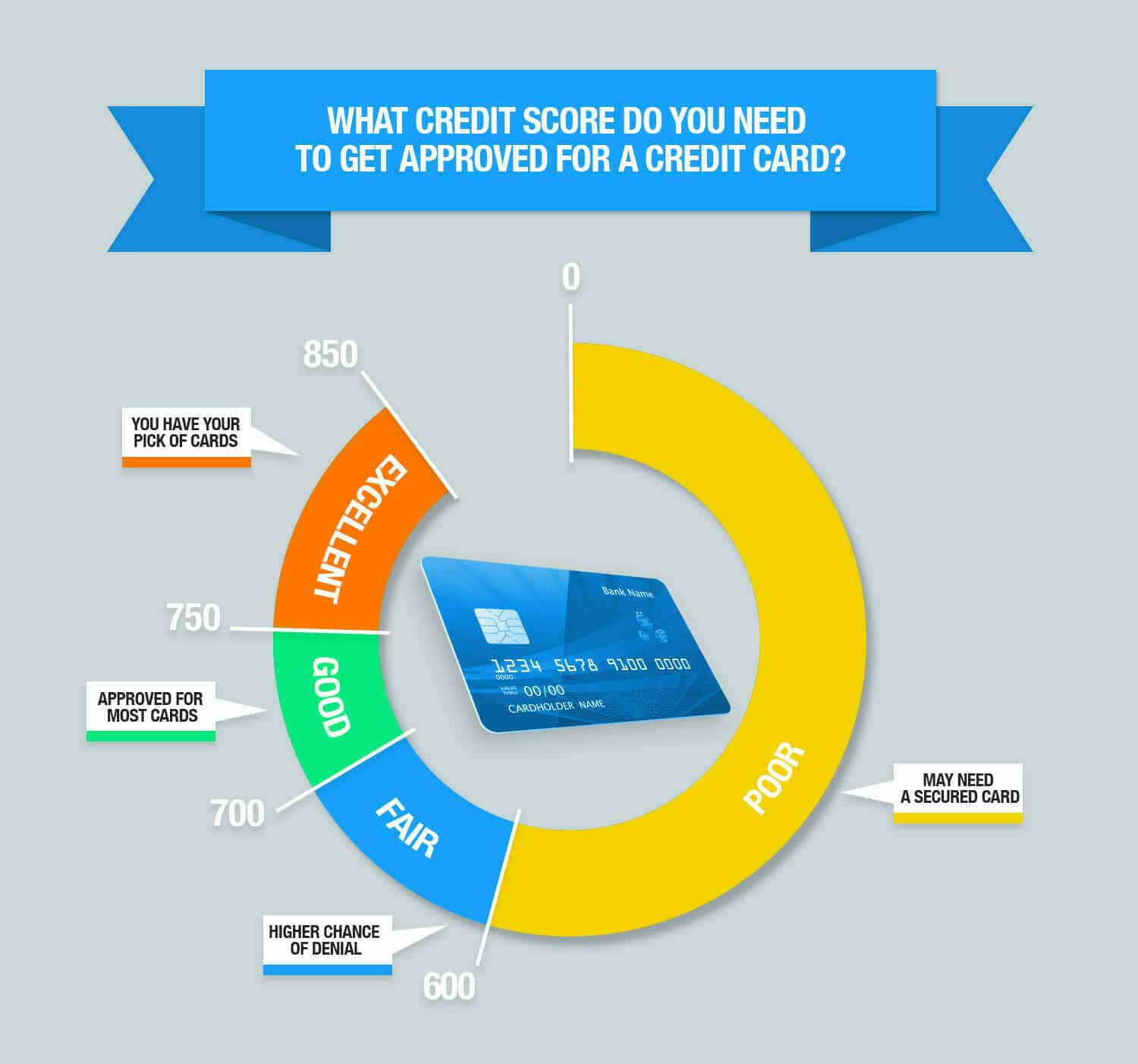
- Credit Score: A FICO score of 700 or above is generally considered good, with scores above 740 often putting you in the excellent category, significantly increasing your approval chances and potentially speeding up the process. Cards with more premium benefits, like those in the Chase Sapphire line, often require higher scores.
- Credit History Length: A longer history of responsible credit use demonstrates reliability. Newcomers to credit might face more scrutiny.
- Payment History: A flawless record of on-time payments is paramount. Late payments or defaults are major red flags.
- Credit Utilization Ratio: This measures how much credit you’re using versus your total available credit. Keeping this below 30% is advisable; lower is better.
- Types of Credit: A healthy mix of credit (e.g., credit cards, auto loans, mortgages) shows diverse financial management.
- Hard Inquiries: Too many recent hard inquiries (from applying for new credit) can signal to lenders that you might be taking on too much debt, potentially slowing down approval or leading to denial.
Completeness and Accuracy of Your Application
Seemingly minor errors or incomplete information can halt an otherwise smooth approval process. Ensure every field is filled out accurately and completely. Typos in your address, incorrect social security numbers, or mismatched income figures can trigger a manual review or even a denial due to an inability to verify information. Double-check everything before submitting.
Your Relationship with Chase
Having an existing banking relationship with Chase (e.g., a checking or savings account) can sometimes be a positive factor. Chase has internal data on your financial habits, and a long-standing, positive relationship might give them more confidence in your application, potentially leading to a quicker decision or a more favorable outcome, especially if your credit profile is borderline. However, this is not a guaranteed fast-pass and doesn’t override fundamental creditworthiness requirements.
The Specific Chase Card You’re Applying For
Different Chase credit cards have different underwriting standards. A basic cashback card might have more lenient requirements than a premium travel card like the Chase Sapphire Reserve. Applying for a card that aligns with your current credit profile increases your chances of approval and a smoother process. Research the typical credit score ranges and income expectations for your desired card beforehand.
The “5/24 Rule” and Other Internal Policies
Chase is known for its stringent internal application rules, most famously the “5/24 rule.” This policy generally means that if you’ve opened 5 or more personal credit cards (from any issuer, not just Chase) in the past 24 months, your application for a new Chase card will likely be denied, regardless of your credit score. Business cards sometimes have exceptions or their own rules. Understanding and adhering to these unique policies is crucial when planning your application strategy with Chase. Other less publicized internal rules might also affect approval, such as the maximum number of Chase cards you can hold or specific waiting periods between applications for certain card families.
Navigating the Post-Application Period
Once you’ve submitted your application, the waiting game begins. However, you’re not entirely powerless during this time. There are proactive steps you can take to monitor your application and even influence its outcome.
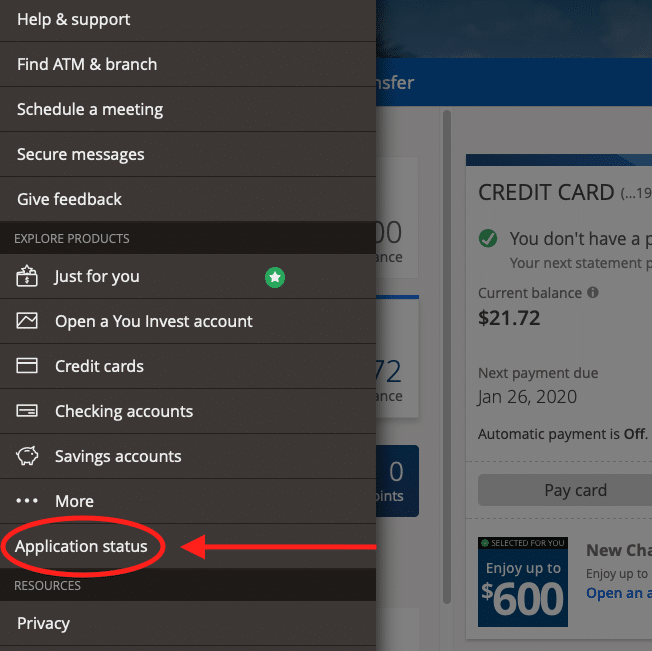
How to Check Your Chase Application Status
Chase provides an online tool to check the status of your application. You’ll typically need your Social Security Number and ZIP code to access this information. The status might be displayed as:
- Approved: The best news! You’ll often receive a confirmation email and details on when your card will arrive.
- Denied: Unfortunately, your application was not successful. A letter explaining the reasons will follow in the mail.
- Pending/In Review: This is the most common status if you don’t receive an instant decision. It means your application is being processed and evaluated, potentially by an underwriter. This is where patience is required.
Checking online periodically can keep you informed without having to wait for a physical letter.
What to Do If Your Application is Pending
If your application status is pending for more than a few days, it’s often beneficial to be proactive. While waiting for a decision, avoid applying for other credit products, as this could lead to additional hard inquiries and potentially further complicate your Chase application. Instead, gather any financial documents that could support your application, such as recent pay stubs or bank statements, in case Chase requests them.
The Recon Line: A Strategic Call for Reconsideration
One of the most powerful tools available to applicants facing a pending decision or even a denial is the Chase reconsideration line. This is a dedicated phone number where you can speak directly with a Chase credit analyst.
- For Pending Applications: If your application is pending, calling the recon line allows you to provide additional information, clarify any ambiguities, or address specific concerns an underwriter might have. You can explain your financial situation, highlight your responsible credit habits, or even offer to shift credit limits from existing Chase cards if you have them. This can often push a pending application into an approval.
- For Denied Applications: Even after a denial, a call to the recon line can be worthwhile. The analyst can explain the exact reasons for the denial. If you can address those reasons convincingly (e.g., explain a recent hard inquiry, clarify income details, or dispute an item on your credit report), they might overturn the original decision. Be prepared to politely advocate for yourself, but also be realistic about your chances. A successful reconsideration often requires addressing specific points of concern with solid arguments or additional verifiable information.
Tips for a Smoother Chase Application Experience
A little preparation and strategic thinking can go a long way in improving your chances of approval and potentially shortening the waiting period.
Pre-Application Preparation: Strengthening Your Profile
Before you even think about applying for a Chase credit card, take the time to review and strengthen your financial profile.
- Check Your Credit Report and Score: Obtain copies of your credit reports from all three major bureaus (Experian, Equifax, TransUnion) and check your FICO score. Dispute any errors immediately. This step is crucial for understanding where you stand and correcting any potential issues.
- Reduce Debt: Lower your credit utilization ratio by paying down existing credit card balances. This not only improves your score but also makes you a more attractive borrower.
- Build an Emergency Fund: While not directly affecting credit approval, having a solid financial buffer shows responsibility and reduces the perceived risk to lenders.
- Increase Income (if possible): While not always feasible in the short term, a higher income generally supports higher credit limits and improved approval odds.
Timing Your Application Strategically
Timing can be critical, especially with Chase’s internal rules.
- Be Mindful of the 5/24 Rule: Count your new accounts carefully. If you’re close to or at 5/24, consider waiting until some accounts fall off the 24-month window before applying for another Chase card.
- Avoid “Application Sprees”: Applying for multiple credit cards within a short period can lower your average age of accounts and lead to multiple hard inquiries, signaling risk to lenders. Space out your applications.
- After Major Life Changes: If you’ve recently changed jobs, moved, or experienced other significant life events, ensure your financial information is stable and updated before applying.
Understanding Chase’s Application Criteria
Do your homework on the specific Chase card you intend to apply for. Look for information on:
- Recommended Credit Score: What FICO score range is generally recommended for this card?
- Typical Income Requirements: Are there any unstated income expectations?
- Benefits and Fees: Ensure the card’s features align with your financial goals and that you’re comfortable with any annual fees.
- Sign-Up Bonus Requirements: Understand the spending necessary to earn the welcome bonus and ensure it’s achievable within your normal spending habits.
Understanding Potential Outcomes and Next Steps
Whether you receive an approval or a denial, knowing what steps to take next is part of responsible financial management.
Approval: What to Expect Next
Congratulations! If approved, Chase typically mails your new credit card within 7-10 business days. Some premium cards might offer expedited shipping. Upon arrival, you’ll need to activate the card, often online or by phone. It’s crucial to immediately review the cardholder agreement, understand your credit limit, APR, and any specific terms and conditions. Start using your card responsibly to build positive credit history, always paying your balance in full and on time to avoid interest charges and maintain a healthy credit score.
Denial: Reasons and Reconsideration Options
If denied, don’t despair. A denial isn’t the end of your credit journey. Chase is legally obligated to provide you with a denial letter explaining the primary reasons for their decision. This letter will typically arrive within 7-10 business days. Common reasons include:
- Too many recent inquiries.
- High credit utilization.
- Short credit history.
- Low credit score.
- Insufficient income.
- Existing debt levels.
- Violating internal rules (like the 5/24 rule).
Once you receive the letter, review the reasons carefully. This information is invaluable for improving your credit profile for future applications. As discussed earlier, you can also call the reconsideration line to plead your case. If reconsideration isn’t successful, focus on addressing the reasons for denial. This might involve paying down debt, waiting for hard inquiries to age, or building a longer credit history. Reapply only after you’ve made significant improvements.
The Importance of Responsible Credit Card Use
Regardless of how long it takes to get approved, the real work begins after you get the card. Credit cards are powerful financial tools that, when used responsibly, can help you build excellent credit, earn rewards, and provide financial flexibility. Misuse, however, can lead to debt, damaged credit, and financial stress. Always aim to pay your balance in full each month, keep your credit utilization low, and never spend more than you can comfortably repay. This discipline will ensure that any time spent waiting for approval pays off in the long run with a strong financial foundation.
aViewFromTheCave is a participant in the Amazon Services LLC Associates Program, an affiliate advertising program designed to provide a means for sites to earn advertising fees by advertising and linking to Amazon.com. Amazon, the Amazon logo, AmazonSupply, and the AmazonSupply logo are trademarks of Amazon.com, Inc. or its affiliates. As an Amazon Associate we earn affiliate commissions from qualifying purchases.