
In the complex tapestry of modern finance, certain pieces of information act as critical keystones, enabling the smooth flow of money and ensuring your transactions reach their intended destinations. Among these, the routing number stands as a fundamental identifier for your financial institution, playing an indispensable role in everything from direct deposits to online bill payments. While often overlooked until needed, understanding what a routing number is and, crucially, how to locate yours, is a cornerstone of effective personal finance management.
This comprehensive guide will demystify the routing number, explain its significance, and walk you through every practical method to find it with ease. Whether you’re setting up a new direct deposit, initiating a wire transfer, or simply trying to understand your banking details better, knowing how to quickly access this crucial piece of information is empowering.

Understanding the Importance of Your Routing Number
Before diving into the “how-to,” it’s vital to grasp the “why.” A routing number isn’t just a random set of digits; it’s a meticulously designed identifier that ensures your money goes to the right bank.
What is a Routing Number?
A routing number, also known as an ABA (American Bankers Association) routing transit number (RTN), is a nine-digit code that identifies your specific financial institution within the U.S. banking system. It essentially acts as your bank’s address, telling other banks where to send or receive funds. Every financial institution operating within the United States has at least one routing number, though larger banks with branches across different regions or offering various services might have several. These numbers facilitate the transfer of funds between banks, primarily through the Automated Clearing House (ACH) network for electronic transactions and wire transfers.
Why is Your Routing Number Crucial for Financial Operations?
Your routing number is indispensable for a wide array of financial activities that are integral to daily life and business. Without it, many common transactions simply wouldn’t be possible. For instance, when your employer sends your paycheck via direct deposit, they use your bank’s routing number and your specific account number to ensure the funds land directly into your account. Similarly, when you pay bills online, set up recurring payments, or receive a tax refund from the IRS, your routing number is a mandatory piece of information. It’s the initial gateway that validates where the money needs to go before your individual account number directs it to your specific funds. Accuracy here is paramount; an incorrect routing number can lead to delays, returned transactions, or even funds being misdirected, causing significant inconvenience and potential financial headaches.
Differentiating Routing Numbers from Account Numbers
It’s common for individuals to confuse their routing number with their bank account number, but they serve distinct purposes. Your routing number identifies your bank (e.g., “Bank A”). Your account number identifies your specific account within that bank (e.g., “John Doe’s Checking Account at Bank A”). Think of it like a postal address: the routing number is the city and state, while the account number is your house number and street. Both are required for accurate mail delivery, just as both are necessary for correct fund transfers. While a bank might have multiple routing numbers for different purposes or regions, each of your individual accounts will have a unique account number associated with one of those routing numbers. Understanding this distinction is key to preventing errors in financial transactions.
Practical Methods for Locating Your Routing Number
Fortunately, finding your routing number is typically straightforward, with several reliable methods at your disposal. Knowing where to look can save you time and ensure accuracy when you need it most.
On Your Checkbook or Deposit Slips
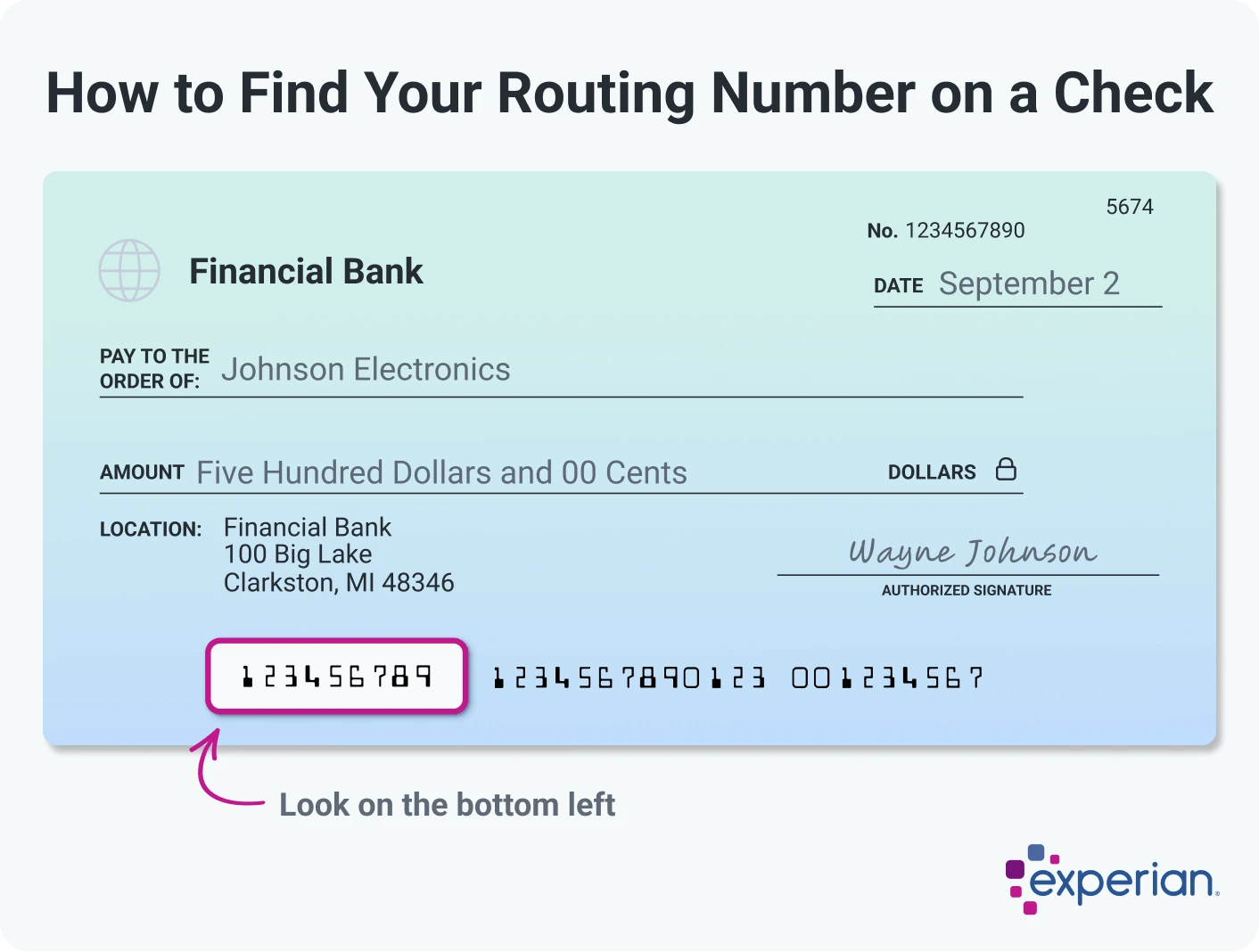
One of the most traditional and reliable places to find your routing number is directly on your checks or deposit slips. For personal checks, the routing number is almost always the first set of nine digits printed at the bottom left-hand side of the check. It’s usually enclosed within special symbols (often a transit symbol or an elongated colon-like character) that distinguish it from your account number and check number. On deposit slips, it will be in a similar position. Always double-check that you’re reading the correct set of numbers, as your account number and check number will also be present in the magnetic ink character recognition (MICR) line. This method is particularly useful for those who still use physical checks regularly.
Through Your Online Banking Portal
In today’s digital age, your online banking portal is perhaps the quickest and most convenient way to access your routing number. Once you log in to your bank’s website, navigate to your account details or profile section. Most banks clearly display your routing number alongside your account number and other essential information. Look for sections like “Account Summary,” “Account Details,” “Direct Deposit Information,” or “Statements.” Some banks might even have a dedicated search bar where you can type “routing number” to find it directly. This method is ideal for those who manage their finances primarily online, offering instant access from any computer or device.
Using Your Bank’s Official Mobile App
Similar to online banking portals, most major banks provide a robust mobile application that allows you to manage your accounts on the go. After logging into your bank’s official mobile app, you can typically find your routing number by selecting the specific account (e.g., checking or savings) and then looking for “Account Details,” “Info & Settings,” or a similar option. The mobile app offers the convenience of checking your routing number anytime, anywhere, directly from your smartphone or tablet. Always ensure you are using the official app downloaded from your device’s trusted app store to protect your financial information.
Contacting Your Bank Directly (Phone or Branch Visit)
If digital methods aren’t an option, or if you prefer direct interaction, you can always contact your bank’s customer service or visit a local branch. A customer service representative can provide you with your routing number after verifying your identity. When calling, be prepared to answer security questions to confirm you are the account holder. If visiting a branch, a teller will be able to assist you. While this method might take slightly longer than digital alternatives, it offers the highest level of assurance and is particularly helpful if you have specific questions about different routing numbers for various transaction types (e.g., wire transfers).
Utilizing Bank Statements
Your monthly or quarterly bank statements, whether physical or electronic, are another reliable source for your routing number. Typically, it will be printed near your account number and bank’s address. For physical statements, simply locate the relevant section. For electronic statements accessed through your online banking portal, you can download the PDF and find the information within the document. This method is useful for historical reference or if you don’t have immediate access to your checkbook or online banking.

Specific Scenarios and Considerations
While the general methods cover most needs, certain situations might require specific attention or variations in how you find and use your routing number.
Finding Routing Numbers for Wire Transfers (Domestic vs. International)
It’s crucial to understand that the routing number used for standard ACH transactions (like direct deposits or bill pay) is often different from the one required for wire transfers, especially international ones. For domestic wire transfers, your bank might have a specific routing number distinct from its general ACH routing number. For international wire transfers, you’ll typically need a SWIFT/BIC (Society for Worldwide Interbank Financial Telecommunication / Bank Identifier Code) code instead of or in addition to a U.S. routing number. SWIFT codes are international identifiers for banks globally. Always confirm the correct routing or SWIFT code directly with your bank for wire transfers, as using the wrong one can lead to significant delays and fees. Your online banking portal will usually specify the correct code for wires, or you can call customer service.
Routing Numbers for Different Account Types (Checking vs. Savings)
For most standard personal checking and savings accounts within the same financial institution, the routing number is often the same. However, this is not always the case, particularly with credit unions or smaller regional banks, or if you have specialized accounts. It’s always best practice to verify the routing number specific to the account you intend to use for a transaction. If you have both checking and savings accounts, double-check that the routing number you’re using corresponds to the specific account where the funds are meant to go or come from. Your online banking portal or bank statement will clearly differentiate between the routing numbers for each account type if they differ.
What to Do if You Have Multiple Accounts
If you have multiple bank accounts, whether with the same financial institution or different ones, it’s imperative to identify the correct routing number for each specific account. As mentioned, while within the same bank, checking and savings might share a routing number, they might not. And accounts at entirely different banks will certainly have distinct routing numbers. Before initiating any transaction, pause and confirm that you have selected the routing number corresponding to the exact account you wish to interact with. Keeping a secure, organized record of your various routing and account numbers can prevent errors and streamline your financial management.
Security Best Practices When Sharing Your Routing Number
While your routing number is not as sensitive as your full account number or social security number, it’s still a piece of confidential financial information that should be handled with care. It’s generally safe to provide your routing number for legitimate purposes such as setting up direct deposit with your employer, paying bills, or initiating ACH transfers with trusted merchants. However, be wary of sharing it indiscriminately, especially with unknown individuals or suspicious websites. Always ensure you are on a secure connection when entering banking details online, and never email your routing number unless absolutely necessary and encrypted. Your bank will never ask for your routing number via unsolicited email or text message. Always verify the authenticity of any request for this information.
Common Uses and Applications
The routing number is a workhorse in the world of personal finance, enabling a multitude of essential transactions. Understanding its common applications highlights its pervasive importance.
Setting Up Direct Deposit
One of the most widespread uses of a routing number is for direct deposit. When you start a new job or wish to receive government benefits like Social Security, you’ll be asked to provide your bank’s routing number and your account number. This allows your employer or the paying agency to electronically transfer funds directly into your bank account, eliminating the need for paper checks and offering greater speed and convenience. It’s a standard and highly efficient method of receiving regular income.
Automating Bill Payments
Many individuals and businesses leverage routing numbers to automate bill payments. Whether it’s your monthly utility bill, rent, mortgage, or credit card payment, you can often set up recurring automatic payments directly from your bank account. This typically requires you to provide the biller with your routing number and account number, allowing them to debit the payment on the due date. This helps ensure payments are made on time, avoiding late fees and maintaining a good credit history.
Initiating ACH Transfers
The Automated Clearing House (ACH) network is the electronic funds transfer system that facilitates a vast number of financial transactions in the U.S. Your routing number is central to ACH transfers, which include direct deposits, direct debits, and electronic payments between banks. When you send money to a friend or family member via a bank-to-bank transfer, or when you link external bank accounts for transfers, you are typically utilizing the ACH network, which relies entirely on accurate routing numbers.
Receiving Tax Refunds
If you’ve ever received a tax refund from the IRS, chances are you’ve provided your routing number. The IRS strongly encourages taxpayers to opt for direct deposit of their refunds, as it is the fastest and most secure way to receive your money. During the tax filing process, you’ll enter your bank’s routing number and your account number to ensure your refund is deposited directly into your designated account. This process is much quicker than waiting for a paper check to be mailed.
Processing Online Payments
Many online services, marketplaces, and e-commerce platforms offer the option to pay directly from your bank account rather than using a credit or debit card. This often involves providing your routing number and account number to authorize a direct debit. While less common for everyday small purchases, it’s a frequent option for larger transactions or for linking payment apps (like PayPal or Venmo) to your bank account, enabling seamless fund transfers between your bank and these platforms.
In conclusion, the routing number is a small but mighty component of your financial toolkit. Understanding its role and mastering the various ways to find it empowers you to navigate the banking world with confidence and efficiency. By keeping this guide handy, you ensure that you’re always prepared for any financial transaction that comes your way.
aViewFromTheCave is a participant in the Amazon Services LLC Associates Program, an affiliate advertising program designed to provide a means for sites to earn advertising fees by advertising and linking to Amazon.com. Amazon, the Amazon logo, AmazonSupply, and the AmazonSupply logo are trademarks of Amazon.com, Inc. or its affiliates. As an Amazon Associate we earn affiliate commissions from qualifying purchases.