
In an increasingly digital world, managing our finances often requires a precise understanding of the unique identifiers that govern our financial accounts. From setting up direct deposits to initiating wire transfers, or simply ensuring a bill is paid correctly, knowing your account number is a fundamental aspect of financial literacy and control. Yet, despite its importance, many individuals find themselves momentarily stumped when asked to provide this crucial string of digits. This comprehensive guide will demystify the process, exploring various methods for retrieving your account number across different financial services, while also emphasizing best practices for security and seamless financial management.
Understanding Your Account Number: More Than Just Digits
Before diving into the “how-to,” it’s vital to grasp what an account number truly represents and why it holds such significance in the financial ecosystem. It’s more than just a random sequence; it’s your unique identifier within a financial institution.
What Exactly Is an Account Number?
An account number is a unique series of digits assigned by a financial institution (like a bank, credit union, or brokerage firm) to identify a specific account belonging to a customer. While often referred to generically, different types of accounts will have distinct numbers. For instance, your checking account will have one number, your savings account another, and your mortgage or investment account will have yet another. These numbers are distinct from your debit or credit card numbers, which are primarily used for transactions at points of sale or online purchases.
Alongside an account number, you’ll often encounter a “routing number” (especially in the U.S. and Canada) or a “SWIFT/BIC code” (for international transfers). While related, a routing number identifies the financial institution itself, whereas your account number identifies your specific account within that institution. Both are necessary for certain types of electronic money transfers.
Why You Might Need Your Account Number
The scenarios requiring your account number are diverse and frequent, underscoring its pivotal role in everyday financial operations:
- Setting Up Direct Deposit: A common requirement for employers to electronically transfer your salary directly into your checking or savings account.
- Automated Bill Payments: When setting up recurring payments for utilities, loans, or subscriptions, you might provide your account number for automatic debits.
- Receiving Wire Transfers: For both domestic and international money transfers, your account number (and often the bank’s routing/SWIFT code) is essential for funds to reach you.
- Initiating Bank-to-Bank Transfers: If you’re moving money between your accounts at different institutions or sending funds to another person’s account.
- Setting Up Investment Accounts: Brokerage firms or retirement plan administrators will often require your bank account details to link for funding or withdrawals.
- Dispute Resolution or Customer Service: When contacting your financial institution for support, having your account number readily available often expedites the process.
- Applying for Loans or Credit: Lenders may ask for your bank account details for verification or future payment collection.
Understanding these applications highlights why knowing how to locate your account number is not just a convenience but a necessity for effective financial management.
Common Methods for Retrieving Your Account Number
Fortunately, financial institutions provide multiple reliable avenues for customers to access their account numbers. The best method often depends on your immediate needs, your access to certain documents, and your comfort with digital platforms.
Checking Your Bank Statements
One of the most straightforward and universally applicable methods is to consult your bank statement. Whether you receive paper statements in the mail or opt for digital versions, your account number is almost always prominently displayed.
- Physical Statements: Look towards the top section of the statement, usually near your name and address, or within the “Account Summary” section.
- Digital Statements (e-Statements): Log in to your online banking portal and navigate to the e-Statements section. Download a recent statement (usually in PDF format). Open the PDF and locate the account number, often in the same areas as a physical statement. Be sure to use a secure connection and a private computer when accessing sensitive documents online.
Utilizing Online Banking Platforms
In the age of digital banking, your online account portal is a primary hub for managing your finances, including finding your account number.
- Log In Securely: Access your bank’s official website or mobile app and log in using your credentials. Always ensure you’re on a secure site (look for “https://” and a padlock icon in the URL bar).
- Navigate to Account Details: Once logged in, select the specific account (e.g., checking, savings) for which you need the number. Most platforms will have a section like “Account Details,” “Account Information,” or “View Account Summary.”
- Locate the Number: Your account number, and often the associated routing number, will typically be displayed here. Some banks might require an additional verification step (like entering a password or a one-time code) to reveal the full account number for security reasons.
Contacting Your Financial Institution Directly
If digital methods aren’t an option or you prefer direct interaction, customer service representatives are equipped to help.
- Customer Service Phone Lines: Call the official customer service number listed on your bank’s website, debit card, or recent statement. Be prepared to go through a verification process, which usually involves confirming personal details like your full name, address, date of birth, and possibly answers to security questions. Never provide sensitive information to unsolicited callers.
- In-Person Visits: Visiting a local branch can be the most secure and direct method. Bring a valid form of identification (driver’s license, passport) as the bank teller will need to verify your identity before providing any account information. This is particularly useful if you’re unable to access online banking or have issues with phone verification.
Reviewing Cheque Books and Deposit Slips
For checking accounts, physical documents like cheque books and deposit slips are excellent sources of your account number.
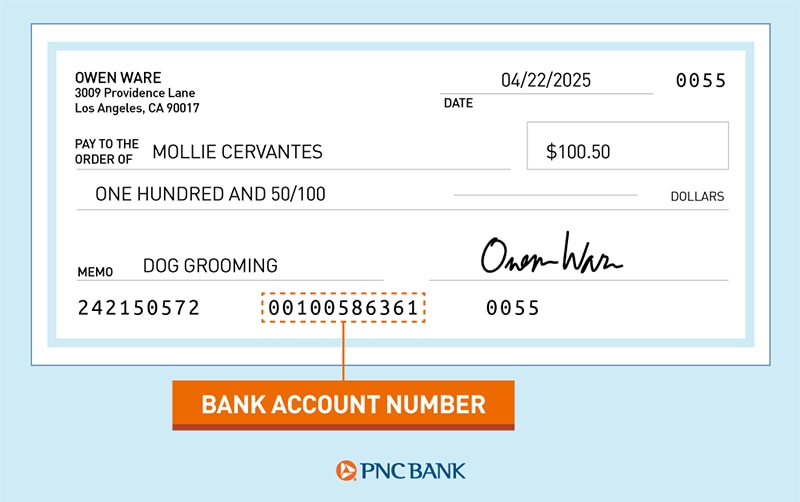
- Cheque Books: On a standard cheque, you’ll find three sets of numbers at the bottom. From left to right, these are typically the routing number, your account number, and the cheque number.
- Deposit Slips: Similarly, pre-printed deposit slips from your bank will display both your routing and account numbers.
- Important Note: While readily available on cheques, it’s crucial to remember that your account number is publicly visible on these documents. Exercise caution when sharing cheques and be mindful of where you leave them.
Exploring Digital Wallets and Payment Apps
While less common for revealing the primary bank account number itself, some digital wallets or payment apps might display linked account information. For instance, if you’ve linked your bank account for transfers to or from a service like PayPal or Venmo, these platforms might show partial account numbers or the last few digits for confirmation, but rarely the full number in an easily accessible format due to security protocols. It’s best to stick to your bank’s direct channels for full account number retrieval.
Specific Scenarios and Account Types
The general methods discussed above are widely applicable, but different types of accounts might have specific nuances in how their unique identifiers are accessed.
Bank Accounts (Chequing/Savings)
These are the most common accounts for which you’ll need an account number. As detailed, online banking, statements, and cheques are the primary sources. Remember that chequing and savings accounts will each have their own distinct account numbers, even if they’re at the same institution. Always double-check which specific account’s number you’re retrieving.

Investment Accounts
For brokerage accounts, retirement accounts (like 401(k)s or IRAs), or mutual fund accounts, the identifier might not always be referred to as an “account number” but rather an “account ID,” “brokerage account number,” or “client number.”
- Online Portals: Most investment firms offer robust online portals where you can log in to view your account details, including these unique identifiers.
- Statements: Investment statements (quarterly, annual, or trade confirmations) will invariably list your account ID.
- Customer Service: The firm’s customer service can also provide this information after identity verification.
Loan Accounts (Mortgage, Auto, Personal)
For loans, the relevant identifier is often called a “loan number,” “account number,” or “reference number.”
- Monthly Statements: Your monthly mortgage, auto, or personal loan statement will clearly display the loan number, usually near the top.
- Online Loan Servicing Portals: Lenders provide online portals where you can manage your loan, make payments, and view account details. Your loan number will be accessible here.
- Loan Documents: The original loan agreement or promissory note will also contain the loan number.
Credit Card Accounts
It’s important to distinguish between your credit card number (the 16-digit number on the front of your card) and a separate “account number.” While the card number is used for transactions, a separate account number might be used by the issuer for internal tracking or for setting up specific types of payments (e.g., linking your card to an external bank for autopay).
- Statements: Your monthly credit card statement will often display a “customer ID” or “account number” that is distinct from your card number.
- Online Portal: Your credit card issuer’s online portal will provide access to this information.
Utility and Service Accounts
For services like electricity, water, internet, or phone, you’ll typically have a “customer account number” or “account ID.”
- Bills: This number is always prominently featured on your monthly utility bills.
- Online Portal: Log in to your service provider’s online portal to find your account details.
- Customer Service: Calling the provider’s customer service can also provide this information.
Security Best Practices and Avoiding Pitfalls
While finding your account number is crucial, protecting it is equally, if not more, important. Your account number, especially when combined with your routing number and personal information, can be used to access your funds or commit financial fraud.
Protecting Your Account Information
- Treat it as Sensitive Data: Just like your Social Security number or password, your account number should be treated with the utmost confidentiality.
- Be Wary of Phishing Scams: Never provide your account number (or any other sensitive financial information) in response to unsolicited emails, texts, or phone calls. Legitimate financial institutions will rarely ask for your full account number or password via email.
- Secure Storage: If you jot down your account number, store it in a secure place, away from prying eyes. Avoid saving it in easily accessible, unencrypted digital files.
- Shred Old Documents: Before discarding old bank statements, cheques, or other financial documents, shred them to prevent identity theft.
Verifying Information When Providing It
When you do need to provide your account number (e.g., for direct deposit setup), ensure you are giving it to a legitimate and trusted entity.
- Double-Check Details: Always verify the recipient’s information before initiating any transfer. A single digit error can send funds to the wrong place, and recovery can be difficult or impossible.
- Use Secure Channels: When providing account numbers online, ensure the website is secure (https:// and padlock icon). For employment forms, verify with HR.
What to Do If You Suspect Fraud
If you believe your account number or other financial information has been compromised:
- Contact Your Bank Immediately: Report the suspected fraud or unauthorized activity to your financial institution as soon as possible.
- Monitor Your Accounts: Regularly review your bank statements and online transaction history for any unfamiliar activity.
- Change Passwords: Update passwords for your online banking and other related financial accounts.
Leveraging Technology for Account Management
Beyond simply retrieving your account number, technology offers advanced ways to manage and secure your financial information.
Financial Aggregator Tools
Apps like Mint, Personal Capital, or YNAB (You Need A Budget) allow you to link all your financial accounts in one place, offering a holistic view of your financial health. While they generally don’t display full account numbers for security reasons, they streamline financial oversight. When using such tools, always choose reputable services with strong encryption and security protocols. Understand their data privacy policies before linking your accounts.
Digital Document Management
Instead of accumulating stacks of paper statements, consider securely storing digital copies.
- Encrypted Storage: Use encrypted cloud storage services or password-protected files on your computer to save PDF versions of your statements.
- Password Managers: For logging into online banking portals, a reputable password manager can store complex, unique passwords, enhancing your overall digital security.

Conclusion: Empowering Your Financial Control
Knowing how to find your account number is a foundational skill in personal finance. Whether you’re navigating the complexities of setting up new services, troubleshooting a payment, or simply monitoring your financial landscape, having quick and secure access to this information is invaluable. By understanding the various methods—from consulting bank statements and online portals to contacting customer service—and diligently adhering to security best practices, you empower yourself to manage your money with confidence and precision. In an increasingly interconnected financial world, taking control of your account numbers is a significant step towards greater financial autonomy and peace of mind.
aViewFromTheCave is a participant in the Amazon Services LLC Associates Program, an affiliate advertising program designed to provide a means for sites to earn advertising fees by advertising and linking to Amazon.com. Amazon, the Amazon logo, AmazonSupply, and the AmazonSupply logo are trademarks of Amazon.com, Inc. or its affiliates. As an Amazon Associate we earn affiliate commissions from qualifying purchases.