
In today’s complex financial landscape, establishing a reliable banking relationship is a foundational step towards achieving personal and business financial goals. For many, Chase Bank, one of the largest and most well-established financial institutions globally, represents a trusted partner in this journey. Opening an account with Chase can unlock a wealth of financial tools, services, and opportunities, from everyday transaction management to long-term savings and investment strategies. This guide will walk you through the precise steps and considerations for opening a Chase bank account, providing insights into eligibility, documentation, and the various pathways available to seamlessly integrate Chase into your financial life.

Choosing the right bank account is more than just selecting a place to hold your money; it’s about aligning with a financial institution that supports your spending habits, saving aspirations, and broader financial health. Chase’s extensive network, diverse product offerings, and robust digital platforms make it an attractive option for millions. Whether you’re a student opening your first checking account, a professional seeking sophisticated banking solutions, or a family looking for convenient financial management, understanding the process is paramount. We will delve into every aspect, ensuring you are well-equipped to make an informed decision and confidently initiate your banking relationship with Chase.
Understanding Chase Bank and Its Offerings
Before embarking on the account opening process, it’s beneficial to understand what makes Chase Bank a prominent player in the financial sector and the range of products it offers. This insight will help you determine if Chase aligns with your specific financial needs and objectives.
Why Choose Chase for Your Banking Needs?
Chase Bank, a subsidiary of JPMorgan Chase & Co., boasts a long-standing history of financial service excellence, extensive reach, and a reputation for stability. Its appeal stems from several key factors:
- Widespread Accessibility: With thousands of branches and ATMs across the United States, physical access to banking services is convenient for a large segment of the population. This extensive network provides peace of mind, especially for those who prefer in-person interactions or require cash services frequently.
- Robust Digital Banking: Chase has heavily invested in its online and mobile banking platforms, offering intuitive interfaces, comprehensive features, and seamless transaction capabilities. From checking balances and paying bills to transferring funds and depositing checks via mobile, their digital tools are designed for efficiency and convenience.
- Diverse Product Portfolio: Beyond standard checking and savings accounts, Chase offers a wide array of financial products, including credit cards, mortgages, auto loans, investment services, and business banking solutions. This comprehensive suite allows customers to consolidate their financial activities with a single institution, simplifying management and potentially unlocking integrated benefits.
- Customer Service and Support: Chase provides multiple channels for customer support, including phone, online chat, and in-branch assistance. Their commitment to service aims to address customer inquiries and resolve issues efficiently, fostering a reliable banking experience.
- Security Measures: As a major financial institution, Chase employs advanced security protocols and fraud protection measures to safeguard customer accounts and personal information, giving users confidence in their digital and physical banking interactions.
Diverse Account Options to Suit Every Financial Goal
Chase offers a tiered approach to its deposit accounts, designed to cater to various financial situations and needs. Understanding these options is crucial for selecting the best fit.
Checking Accounts: Everyday Transactions Made Easy
Checking accounts are the cornerstone of daily financial management, facilitating deposits, withdrawals, bill payments, and debit card transactions. Chase provides several checking account options, each with distinct features and fee structures:
- Chase Total Checking®: This is arguably their most popular checking account, offering standard features like a debit card, online bill pay, and access to a vast ATM network. It comes with a monthly service fee that can typically be waived by meeting certain criteria, such as direct deposits, minimum daily balances, or linked accounts.
- Chase Premier Plus Checking℠: For customers with higher balances or more extensive banking needs, this account offers enhanced benefits, including fee waivers on specific services and potentially higher interest rates on linked savings accounts.
- Chase Sapphire℠ Banking: This premium checking account is designed for customers with significant assets, offering a range of exclusive benefits, including no ATM fees worldwide, higher interest rates, and dedicated customer service. It often requires substantial minimum balances or linked investments to qualify.
- Chase College Checking℠: Tailored for students aged 17-24, this account offers no monthly service fee for up to five years while enrolled in college, providing an accessible entry point into banking for young adults.
Savings Accounts: Building Your Financial Future
Savings accounts are essential tools for accumulating funds for future goals, whether short-term or long-term.
- Chase Savings℠: This is Chase’s standard savings account, allowing customers to earn interest on their deposits. Similar to checking accounts, it has a monthly service fee that can be waived by maintaining a minimum daily balance, linking to a qualifying checking account, or having regular auto-saves.
- Chase Premier Savings℠: This account offers potentially higher interest rates than the standard savings account, especially for those who maintain larger balances or link it to a Premier Plus or Sapphire Checking account. It’s designed for serious savers looking to maximize their returns within a traditional savings framework.
Other Financial Products (Brief Mention: Credit Cards, Loans, Investments)
While the focus here is on opening a bank account, it’s worth noting that Chase also provides a comprehensive suite of other financial products. These include a wide range of credit cards catering to different spending habits and reward preferences, personal loans, auto loans, mortgages, and investment services through J.P. Morgan Advisors and Chase Private Client. This integrated approach allows customers to manage diverse financial needs under one roof.
Essential Prerequisites for Opening a Chase Account
Before you can officially open a Chase bank account, you must meet certain eligibility criteria and gather the necessary documentation. Being prepared in advance will streamline the application process, whether you choose to apply online or in person.
Eligibility Criteria: Who Can Open an Account?
To open a personal bank account with Chase, applicants generally need to meet the following fundamental requirements:
- Age: You must typically be at least 18 years old to open a primary individual checking or savings account. For minors, joint accounts with a parent or legal guardian are often available (e.g., Chase High School Checking or College Checking for specific age ranges).
- Residency: You must be a U.S. citizen or a resident alien with a valid U.S. address. Chase requires proof of your current physical residence.
- Social Security Number (SSN) or Individual Taxpayer Identification Number (ITIN): This is a mandatory requirement for tax reporting purposes and to comply with federal regulations like the Patriot Act.
Gathering Your Documentation: What You’ll Need
Having the correct documents readily available is crucial. Chase, like all financial institutions, is required by law to verify the identity of its customers to prevent fraud and money laundering.
Personal Identification (Primary & Secondary)
You will typically need to provide at least one form of primary identification, and sometimes a secondary one, especially if applying in person.
- Primary ID (with Photo): This must be a government-issued photo ID. Acceptable forms include:
- Valid Driver’s License (U.S. state-issued)
- State-Issued ID Card
- U.S. Passport or Passport Card
- Permanent Resident Card (Green Card)
- Military ID Card
- Secondary ID (Non-Photo, if primary is insufficient or requested): This helps further verify your identity. Examples include:
- Debit or Credit Card from another bank
- Major Credit Card
- Health Insurance Card
- Utility Bill (with your name and address)
Proof of Address
Even if your primary ID includes your address, you might be asked for additional proof of residency, especially if your ID address is outdated or if you apply online. Acceptable documents typically include:
- Utility Bill (electricity, gas, water, internet)
- Lease Agreement or Mortgage Statement
- Bank Statement from another financial institution
- Government-Issued Mail (e.g., tax documents)
- Voter Registration Card
Social Security Number or ITIN
Your SSN or ITIN is essential for tax purposes and is typically verified electronically. Ensure you have your SSN card or know the number by heart. For non-U.S. citizens who do not have an SSN but pay U.S. taxes, an ITIN is an acceptable alternative.
Step-by-Step Guide to Opening Your Chase Bank Account
Once you’ve determined your preferred account type and gathered all necessary documentation, you’re ready to initiate the account opening process. Chase offers two primary methods: online or in-branch. Both are straightforward, but each caters to different preferences regarding convenience and personalized assistance.
Online Account Opening: Convenience at Your Fingertips
Opening a Chase account online is often the quickest and most convenient option for many, allowing you to complete the process from the comfort of your home or office.
Navigating the Chase Website
- Visit the Official Chase Website: Start by going to Chase.com. Be wary of phishing sites; always ensure you’re on the legitimate domain.
- Locate “Open an Account”: On the homepage, you’ll typically find prominent links to “Open a Checking Account,” “Open a Savings Account,” or similar calls to action under the “Personal” banking section.
- Browse Account Options: Review the different checking and savings accounts available, paying close attention to features, minimum balance requirements, and monthly service fees (and how to waive them). Select the account that best fits your financial habits and goals.
Application Process Walkthrough
- Initiate Application: Click “Open account” for your chosen product.
- Provide Personal Information: You’ll be prompted to enter your personal details, including:
- Full Legal Name
- Date of Birth
- Social Security Number (or ITIN)
- Residential Address (and mailing address, if different)
- Phone Number
- Email Address
- Citizenship Status
- Confirm Identity: Chase will attempt to verify your identity electronically using the information you provided. In some cases, you might be asked to upload scans of your ID documents or answer security questions based on your credit history.
- Review and Consent: Carefully review all the information you’ve entered. You’ll also need to read and agree to the account disclosures, terms and conditions, and privacy policy. This is a critical step to understand your rights and responsibilities as an account holder.
- Initial Funding: Most accounts require an initial deposit to activate them. You’ll be given options to fund your new account, such as:
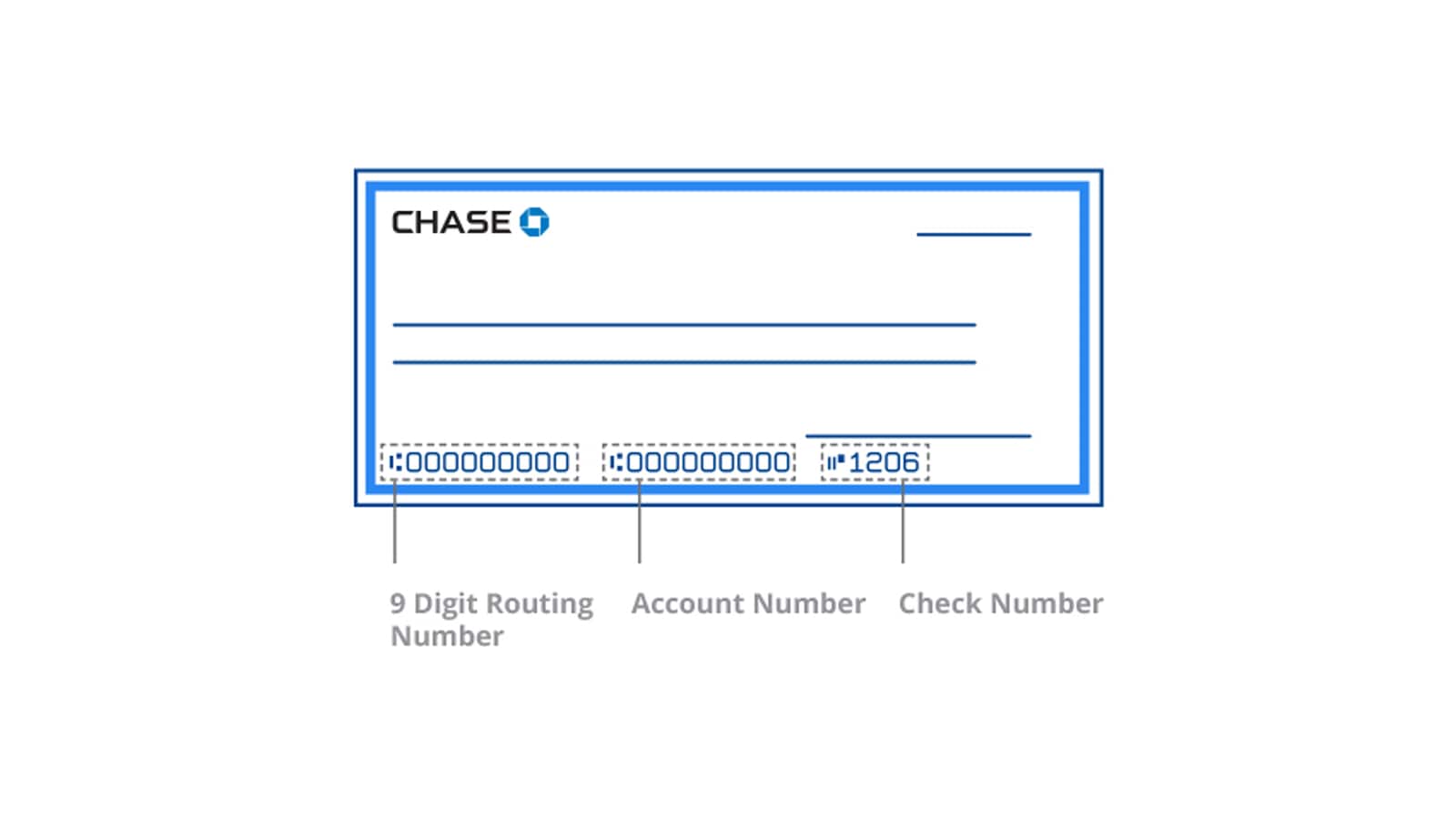
- Electronic Transfer from another bank account (using routing and account numbers)
- Debit Card payment (from another financial institution)
- Mail a check (less common for initial funding, but an option)
Initial Funding and Account Activation
After submitting your application and initial deposit, Chase will process your request. This typically happens within minutes for online applications, but sometimes can take a few business days if manual review is required. Once approved, you’ll receive a confirmation email. Your debit card and welcome kit will usually arrive by mail within 7-10 business days. You can often set up online banking and mobile access immediately after approval.
In-Branch Account Opening: Personalized Assistance
For those who prefer a face-to-face interaction, have complex questions, or need help with documentation, opening an account at a physical Chase branch is an excellent option.
Finding a Local Chase Branch
- Use the Branch Locator: On Chase.com, use the “ATM & Branch Locator” tool to find the nearest Chase branch. You can search by ZIP code or city and state.
- Check Hours of Operation: Confirm the branch’s business hours before visiting.
- Consider an Appointment: While walk-ins are usually welcome, scheduling an appointment online can minimize wait times and ensure a banker is available to assist you.
The In-Branch Experience
- Bring All Required Documents: Ensure you have all your primary and secondary identification, proof of address, and SSN/ITIN readily available.
- Consult with a Banker: A Chase banker will guide you through the available account options, helping you select the best fit for your financial situation. This is an opportune time to ask any questions you may have about fees, waivers, features, or linking accounts.
- Complete the Application: The banker will assist you in filling out the application form, ensuring all details are accurate and complete.
- Identity Verification: Your identity documents will be reviewed and verified by the banker.
- Initial Deposit: You can make your initial deposit at the branch via cash, check, or transfer from another account.
Completing Your Application with a Representative
The in-branch process offers the advantage of immediate clarification and personalized advice. Once your application is complete and approved, you may receive a temporary debit card on the spot, allowing you to begin using your account almost immediately. Your permanent debit card and welcome materials will be mailed to your address. The banker can also assist you with setting up online banking and mobile app access right away.
Activating and Maximizing Your New Chase Account
Congratulations on opening your new Chase bank account! The next steps involve ensuring your account is fully functional and that you’re equipped to make the most of the financial tools at your disposal.
Initial Deposits and Funding Your Account
As mentioned, an initial deposit is often required to activate your account. If you haven’t already funded it during the application process, do so promptly. You can:
- Direct Deposit: Set up direct deposit from your employer, government benefits, or other income sources. This is often a criterion for waiving monthly service fees.
- Electronic Transfer: Link your Chase account to an external bank account for easy transfers.
- Mobile Check Deposit: Use the Chase Mobile® app to deposit checks by simply taking a photo.
- Branch/ATM Deposit: Deposit cash or checks at any Chase branch or ATM.
Setting Up Online Banking and Mobile Access
These digital platforms are indispensable for modern financial management.
- Enroll in Chase Online℠: Visit Chase.com and look for the “Enroll now” or “Sign up” link. You’ll need your account number or SSN to create a username and password.
- Download the Chase Mobile® App: Available for iOS and Android, the app mirrors many of the online banking features, plus mobile check deposit and Zelle® for quick person-to-person payments.
- Set Up Alerts: Customize alerts for transactions, low balances, or suspicious activity to stay informed about your account.
Understanding Account Features and Potential Fees
To avoid unexpected costs and maximize benefits, familiarize yourself with your account’s specific features and fee schedule.
Debit Cards and ATM Access
Your Chase debit card allows you to make purchases directly from your checking account and withdraw cash from ATMs. Chase has an extensive network of fee-free ATMs. Be mindful of out-of-network ATM fees if you use another bank’s machine.
Bill Pay and Zelle
- Online Bill Pay: Set up recurring or one-time payments for utilities, rent, and other bills directly from your Chase online banking portal. This helps manage expenses and avoid late fees.
- Zelle®: Integrated into the Chase Mobile app, Zelle allows you to send and receive money with friends, family, and others quickly and securely, often within minutes, using just their U.S. mobile number or email address.
Monthly Service Fees and How to Waive Them
Most Chase checking and savings accounts come with a monthly service fee. However, these fees can almost always be waived by meeting specific criteria, such as:
- Direct Deposits: Having a certain amount in direct deposits each statement cycle.
- Minimum Daily Balance: Maintaining a specified average daily balance across your Chase accounts.
- Linked Accounts: Having a linked qualifying Chase checking or savings account.
- Age/Student Status: For specific student or senior citizen accounts.
Carefully review your account’s terms to understand how to waive fees and avoid unnecessary charges.
Making the Most of Your Financial Relationship with Chase
Opening a bank account is just the beginning. Leveraging Chase’s resources and practicing good financial habits will empower you to manage your money effectively and work towards your financial goals.
Tips for Managing Your Account Effectively
- Monitor Your Balance Regularly: Use online banking or the mobile app to keep track of your spending and avoid overdrafts.
- Reconcile Your Statements: Periodically compare your transactions with your bank statement to catch errors or unauthorized activity.
- Budgeting: Integrate your Chase account data into a personal budgeting strategy. Many online banking platforms offer budgeting tools.
- Automate Savings: Set up automatic transfers from your checking to your savings account to build your emergency fund or reach specific savings goals effortlessly.
Leveraging Chase’s Financial Tools and Resources
Chase offers various tools designed to help you manage your money, protect your identity, and plan for the future.
- Credit Journey: Accessible through your Chase online account, this free tool helps you monitor your credit score, understand factors affecting it, and receive alerts.
- Budgeting Tools: Utilize features within online banking to categorize spending, track expenses, and set financial goals.
- Financial Education Resources: Chase provides articles, videos, and guides on a range of personal finance topics, from saving tips to investing basics.
- Customer Service: Don’t hesitate to reach out to Chase customer service via phone, chat, or in-branch for any questions or assistance you may need.
Security and Support: Banking with Confidence
Chase employs robust security measures to protect your accounts, including encryption, multi-factor authentication, and fraud monitoring.
- Be Vigilant: Always protect your login credentials and personal information. Be wary of suspicious emails or calls asking for sensitive data.
- Report Suspicious Activity: If you notice any unauthorized transactions or suspicious activity, report it to Chase immediately.
- FDIC Insurance: Rest assured that your deposits at Chase are insured by the Federal Deposit Insurance Corporation (FDIC) up to the maximum amount allowed by law ($250,000 per depositor, per ownership category).

Conclusion: Your First Step Towards Financial Empowerment
Opening a Chase bank account is a significant step towards taking control of your financial life. By understanding the available account types, fulfilling the necessary prerequisites, and following the straightforward application process—whether online or in-branch—you can establish a banking relationship with a major financial institution known for its extensive services and digital capabilities.
Beyond the initial setup, actively managing your account, leveraging Chase’s comprehensive digital tools, and maintaining awareness of fees and security protocols will empower you to maximize the benefits of your new account. This guide provides a clear pathway to navigating the process, ensuring that your journey with Chase is a confident and financially astute one. With a Chase bank account, you gain access to a powerful platform that can support your daily transactions, facilitate your savings aspirations, and serve as a reliable foundation for your broader financial well-being.
aViewFromTheCave is a participant in the Amazon Services LLC Associates Program, an affiliate advertising program designed to provide a means for sites to earn advertising fees by advertising and linking to Amazon.com. Amazon, the Amazon logo, AmazonSupply, and the AmazonSupply logo are trademarks of Amazon.com, Inc. or its affiliates. As an Amazon Associate we earn affiliate commissions from qualifying purchases.