
In the landscape of personal finance, a credit card is often more than just a payment tool; it’s a gateway to building credit, earning rewards, and managing your financial life with greater flexibility. Among the myriad of financial institutions, Capital One stands out for its wide array of credit card offerings, catering to individuals across the credit spectrum – from those building their credit for the first time to seasoned cardholders seeking premium rewards. Understanding how to navigate the application process, select the right card, and ultimately get approved is crucial for leveraging these financial instruments effectively.

This comprehensive guide will delve into the intricacies of obtaining a Capital One credit card, ensuring you are well-equipped with the knowledge to make informed decisions and enhance your chances of approval. We’ll explore what makes Capital One a popular choice, the essential criteria they look for in applicants, how to identify the card that best aligns with your financial profile, and a step-by-step breakdown of the application journey.
Understanding Capital One’s Landscape and Your Credit Readiness
Before diving into specific card applications, it’s imperative to grasp Capital One’s position in the market and, more importantly, to assess your personal financial standing, particularly your credit health. This foundational knowledge will guide your choices and set realistic expectations.
Why Choose Capital One?
Capital One has carved a significant niche in the financial services sector through its diverse product portfolio and customer-centric approach. They are known for their innovation in digital banking and for offering a broad range of credit cards, including options for excellent credit, good credit, fair credit, and even those with limited or no credit history. This inclusivity makes them an attractive option for a vast segment of the population. Their cards often feature competitive rewards programs, such as cashback and travel miles, along with user-friendly mobile banking apps and strong fraud protection. For many, Capital One represents an accessible entry point into the world of credit or an opportunity to enhance existing credit strategies.
Demystifying Credit Scores: Your Foundation for Approval
At the heart of any credit card application is your credit score. This three-digit number is a statistical representation of your creditworthiness, derived from your credit report. Lenders, including Capital One, use this score to assess the risk of lending money to you. Key factors influencing your credit score include:
- Payment History (35%): Timeliness of payments on all credit accounts.
- Amounts Owed (30%): How much credit you’re using compared to your total available credit (credit utilization).
- Length of Credit History (15%): The age of your oldest and newest accounts.
- New Credit (10%): How many new credit accounts you’ve recently opened.
- Credit Mix (10%): The variety of credit accounts you have (e.g., credit cards, loans).
Understanding where your credit score stands (e.g., Excellent, Good, Fair, Poor) is the first critical step. Capital One, like other lenders, typically categorizes applicants based on these ranges. Knowing your score will help you target cards for which you are realistically qualified, avoiding unnecessary hard inquiries that can temporarily lower your score. Many online tools and even Capital One itself offer free credit score checks without impacting your credit.
Essential Eligibility Criteria
Beyond your credit score, Capital One has several fundamental requirements that all applicants must meet. While specific card requirements may vary, general eligibility includes:
- Age: You must be at least 18 years old (19 in Alabama and Nebraska).
- Residency: You must be a U.S. resident with a verifiable U.S. address.
- Social Security Number (SSN) or Individual Taxpayer Identification Number (ITIN): This is required for identity verification and credit reporting.
- Income: You must have a verifiable source of income sufficient to make timely payments. This includes not only wages but also sources like self-employment income, benefits, or shared household income if accessible for bill payment.
- Debt-to-Income Ratio: While not always explicitly stated, lenders assess your existing debt obligations against your income to ensure you’re not overextending yourself. A lower ratio indicates greater financial capacity.
- Credit History: Depending on the card, Capital One will look for a specific length and quality of credit history.
Meeting these basic requirements is non-negotiable. Ensure you have all necessary documentation ready before proceeding with an application.
Navigating Capital One’s Diverse Card Portfolio
Capital One’s strength lies in its ability to offer a card for nearly every financial profile and objective. Identifying the right card is crucial, as it directly impacts your approval odds, the benefits you receive, and your financial journey.
For Excellent Credit: Premium Rewards and Benefits
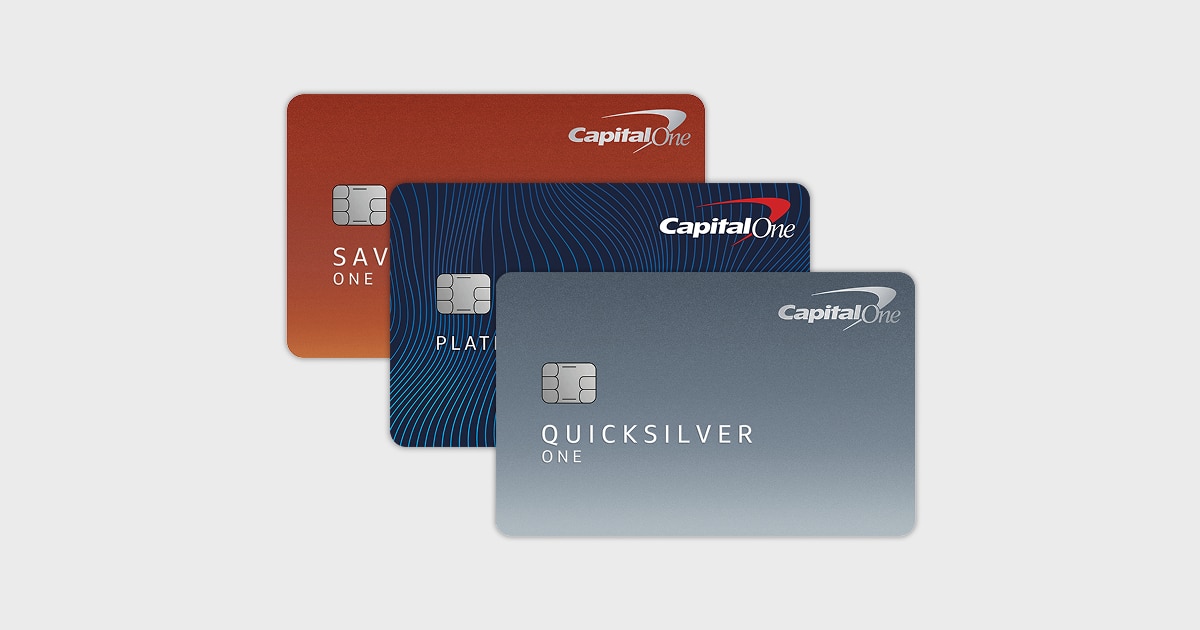
If you boast an excellent credit score (typically 740+ FICO or 700+ VantageScore), Capital One offers a suite of premium cards designed for extensive rewards and luxury benefits. Cards like the Capital One Venture X Rewards Credit Card or the Capital One SavorOne Cash Rewards Credit Card fall into this category. These cards often feature robust travel benefits (lounge access, travel credits), higher cashback rates on specific categories, or significant sign-up bonuses. They are ideal for individuals who spend consistently and can leverage the advanced reward structures. However, they may come with annual fees that require careful consideration to ensure the benefits outweigh the costs.
For Good to Average Credit: Everyday Rewards and Building Credit
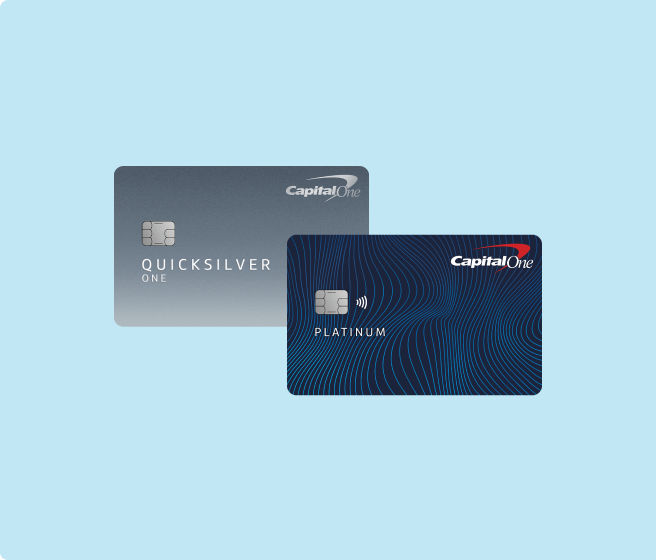
For those with good to average credit (typically 670-739 FICO or 600-699 VantageScore), Capital One provides excellent options that balance rewards with accessibility. Cards like the Capital One Quicksilver Cash Rewards Credit Card or the Capital One Platinum Credit Card are popular choices. Quicksilver offers straightforward unlimited cashback on all purchases, making it a great everyday card. The Platinum card, while not offering rewards, is designed to help individuals with average credit build a stronger credit history without an annual fee. These cards are perfect for establishing a solid payment history and improving your credit score while still enjoying some benefits.
For Building Credit: Secured Cards and Student Options
Capital One is particularly strong in offering pathways for individuals with limited or no credit history, or those looking to rebuild poor credit (typically below 670 FICO or 600 VantageScore).
- Capital One Platinum Secured Credit Card: This card requires a refundable security deposit, which typically matches your credit limit. It’s a fantastic tool for demonstrating responsible credit usage, as your payments are reported to all three major credit bureaus. With responsible use, Capital One may even return your deposit as your credit improves.
- Capital One QuicksilverOne Cash Rewards Credit Card: While it has a modest annual fee, it’s an unsecured option for those with fair credit looking for cashback rewards while building their profile.
- Capital One SavorOne Student Cash Rewards Credit Card: Specifically designed for college students, these cards help young adults begin building credit while often offering rewards tailored to student spending habits. They usually have more lenient approval criteria than standard unsecured cards.
Utilizing Capital One’s Pre-Approval Tool
One of Capital One’s most valuable features is its pre-qualification tool. This allows you to see which Capital One cards you’re likely to be approved for without impacting your credit score. By simply providing some basic personal and financial information, Capital One performs a soft inquiry on your credit, which doesn’t show up on your credit report to other lenders. This tool provides a significant advantage:
- Reduces Risk of Denial: You can gauge your eligibility before formally applying, minimizing the chances of a hard inquiry for a card you won’t get.
- Saves Time: Quickly narrows down your options to cards you’re actually qualified for.
- Empowers Decision-Making: Helps you choose the most suitable card with confidence.
Always start with the pre-qualification tool to streamline your application process and protect your credit score.
The Capital One Application Process: Step-by-Step
Once you’ve identified a suitable card and assessed your eligibility, the application itself is a straightforward online process. Being prepared can make it even smoother.
Gathering Your Information
Before you begin the online application, have the following information readily accessible:
- Full legal name, date of birth, and Social Security Number (or ITIN).
- Current residential address and phone number.
- Email address.
- Employment status and annual income (including all verifiable sources).
- Monthly housing payment (rent or mortgage).
- Bank account information (checking/savings for verification, though not always required initially).
This information is crucial for Capital One to verify your identity, assess your financial stability, and fulfill regulatory requirements.
Submitting Your Application
The application is typically completed online directly through the Capital One website.
- Select Your Card: If you’ve used the pre-qualification tool, you’ll likely have a direct link to apply for your pre-approved offers. Otherwise, navigate to the specific card page you’ve chosen.
- Fill Out the Form: Carefully enter all required personal and financial details. Double-check for accuracy, as errors can lead to delays or even denial.
- Review Terms and Conditions: Before submitting, thoroughly read the cardholder agreement, paying close attention to interest rates, fees (annual, late payment, balance transfer), and any specific terms related to rewards or introductory offers.
- Submit: Once you’re confident, click the submit button. This is when a hard inquiry will typically be placed on your credit report, which may cause a slight, temporary dip in your credit score.
What Happens After You Apply?
The outcome of your application can vary:
- Instant Approval: Many applicants, especially those with strong credit and clear eligibility, receive an immediate approval decision. You’ll typically be provided with your credit limit and information on when your card will arrive.
- Pending Review: If Capital One needs more time to verify information or conduct a deeper review, your application may go into a “pending” status. This isn’t necessarily a bad sign; it simply means they require further internal processing. You might be asked to provide additional documentation or they may simply notify you of the decision via email or mail within a few business days.
- Denial: If your application is denied, Capital One is legally required to send you an Adverse Action Notice explaining the primary reasons for the denial. This notice is invaluable, as it highlights areas you need to improve to enhance future application success, such as a low credit score, high debt-to-income ratio, or insufficient income.
Maximizing Your Chances of Approval and Responsible Use
Even with a good understanding of the process, a few additional strategies can enhance your approval odds and ensure you maintain good standing once you have the card.
Strategies to Enhance Your Application
- Check Your Credit Report for Errors: Before applying, obtain a free copy of your credit report from AnnualCreditReport.com. Dispute any inaccuracies, as these could negatively impact your score.
- Pay Down Existing Debts: Reducing your outstanding debt, especially on other credit cards, lowers your credit utilization ratio, which is a significant factor in your credit score.
- Avoid New Credit Applications: In the months leading up to a Capital One application, try to avoid opening new credit accounts. Multiple hard inquiries in a short period can appear risky to lenders.
- Ensure Stable Income: While you can’t magically increase your income overnight, clearly documenting all legitimate sources of income (including side hustles or benefits) can present a stronger financial picture.
Understanding Application Outcomes
If you are denied, don’t be discouraged. The Adverse Action Notice provides a clear roadmap for improvement. Focus on addressing the stated reasons. For instance, if your credit score was too low, concentrate on paying bills on time, reducing debt, and avoiding new credit. Reapplying too soon after a denial, especially without making significant improvements, is rarely advisable. Instead, use the time to build a stronger financial profile.
Responsible Credit Card Management
Once approved, the real work of responsible credit management begins.
- Pay Your Bill On Time, Every Time: This is the single most important factor for building and maintaining a good credit score. Consider setting up automatic payments to avoid missing due dates.
- Keep Credit Utilization Low: Aim to keep your credit card balances below 30% of your credit limit (ideally even lower, around 10%). High utilization can harm your credit score.
- Review Statements Regularly: Check your monthly statements for any unauthorized charges or errors.
- Understand Interest: If you carry a balance, you’ll accrue interest. To avoid interest charges, pay your statement balance in full each month.
- Don’t Close Old Accounts Haphazardly: Older accounts contribute to a longer credit history. If they have no annual fee and you manage them well, keeping them open can be beneficial.
Obtaining a Capital One credit card can be a strategic move in your financial journey, whether you’re building credit, earning rewards, or seeking financial flexibility. By thoroughly understanding your credit profile, meticulously choosing the right card, and navigating the application process with diligence, you can successfully acquire a Capital One credit card and harness its benefits responsibly. Remember, a credit card is a tool that, when wielded wisely, can significantly enhance your financial standing and open doors to future opportunities.
aViewFromTheCave is a participant in the Amazon Services LLC Associates Program, an affiliate advertising program designed to provide a means for sites to earn advertising fees by advertising and linking to Amazon.com. Amazon, the Amazon logo, AmazonSupply, and the AmazonSupply logo are trademarks of Amazon.com, Inc. or its affiliates. As an Amazon Associate we earn affiliate commissions from qualifying purchases.