
The question “who owns Kirkland” is one frequently posed by savvy shoppers and retail enthusiasts alike. In an era where brand transparency and corporate identity are increasingly scrutinized, understanding the ownership structure behind popular labels offers invaluable insight into their strategic positioning, value proposition, and market impact. Kirkland Signature, a ubiquitous presence in millions of households, represents a fascinating case study in modern branding, illustrating the power and strategic brilliance of private label development. Far from being an independent entity, Kirkland Signature is the crown jewel in Costco Wholesale Corporation’s brand portfolio, a testament to a highly successful brand strategy that has redefined consumer expectations and challenged established market norms.
The Core Identity: Kirkland Signature and Costco’s Brand Strategy
To truly understand Kirkland Signature, one must first grasp its fundamental identity: it is not a standalone company but rather the proprietary brand of its parent, Costco. This distinction is crucial for appreciating the strategic depth and operational efficiencies that underpin its remarkable success.
The Definitive Answer: A Private Label Powerhouse
Kirkland Signature is the official private label brand of Costco Wholesale Corporation. Launched in 1995, the name “Kirkland” was chosen because it was the location of Costco’s corporate headquarters at the time, in Kirkland, Washington. This deliberate choice to brand its private label rather than simply offering generic products marked a significant strategic shift in the retail landscape. Instead of being perceived as a cheaper alternative, Kirkland Signature was envisioned as a premium brand that offered exceptional quality at warehouse club prices, directly competing with—and often outperforming—national brands. This direct ownership allows Costco complete control over product development, sourcing, manufacturing, and marketing, ensuring alignment with its overarching corporate values and business objectives.
Demystifying Private Labels: More Than Just “Generic”
The concept of a “private label” has evolved considerably. Historically, private labels, often referred to as “store brands” or “generic brands,” were seen as lower-cost, lower-quality alternatives to established national brands. They typically served as entry-level products, appealing to budget-conscious consumers willing to sacrifice some perceived quality for a lower price.
However, brands like Kirkland Signature have spearheaded a revolution in the private label space. Today, a private label brand is one that is exclusively manufactured for a specific retailer, which then sells it under its own brand name. The retailer owns the brand and controls all aspects of the product, from specification to pricing. This modern iteration of private labels, particularly “premium private labels” like Kirkland Signature, emphasizes high quality, innovative features, and competitive pricing, aiming to offer an equal or superior product experience compared to national brands. For Costco, Kirkland Signature is not merely a collection of products; it is an extension of its brand promise, reinforcing its commitment to value, quality, and member satisfaction.
The Genesis of Kirkland: A Strategic Imperative
The decision to launch Kirkland Signature was a strategic masterstroke born out of necessity and ambition. In the early 1990s, Costco realized that its vast inventory of national brands often left its margins vulnerable to price fluctuations and intense competition. There was also a perceived ceiling on how much value they could add through mere distribution. By creating its own brand, Costco aimed to:
- Consolidate its product offerings: Reducing the sheer number of different brands in each category to streamline purchasing and inventory management.
- Establish a clear quality benchmark: Setting a high standard that members could consistently rely on.
- Differentiate its value proposition: Offering unique products that couldn’t be found elsewhere at the same quality-to-price ratio.
This initiative was not about simply putting the Costco name on a product; it was about building a cohesive, trusted brand identity that would resonate with its members and solidify its position as a leading value retailer. The strategic imperative was clear: create a brand that embodies Costco’s core values and delivers superior value directly to its membership base.
Crafting Brand Value: Why Costco Invested in Kirkland Signature
Costco’s investment in Kirkland Signature goes far beyond simple product diversification; it is a meticulously crafted brand strategy designed to maximize profitability, enhance member loyalty, and exert greater control over its supply chain. The benefits reaped from this private label strategy are multi-faceted, illustrating a sophisticated approach to retail branding.
Cost Efficiency and Margin Optimization
One of the most compelling reasons for any retailer to develop a private label is the significant potential for cost savings and margin improvement. By cutting out intermediaries—such as national brand marketers, distributors, and their associated advertising costs—Costco can procure products directly from manufacturers or even produce them in-house. This direct approach substantially reduces the cost of goods sold.
- Direct Sourcing: Eliminates distributor markups and reduces supply chain complexity.
- Negotiating Power: Bulk purchasing and long-term contracts with manufacturers for Kirkland Signature products give Costco immense leverage.
- Reduced Marketing Spend: Kirkland Signature benefits from Costco’s existing brand equity and requires less external advertising compared to launching a new national brand. The in-store placement and word-of-mouth recommendations from satisfied members serve as powerful, low-cost marketing channels.
The cumulative effect is higher profit margins on Kirkland Signature products compared to selling comparable national brands, contributing significantly to Costco’s overall profitability.
Assured Quality and Product Control
A critical differentiator for Kirkland Signature is its unwavering commitment to quality. Unlike simply reselling other brands, owning the private label grants Costco complete control over product specifications, manufacturing processes, and quality assurance.
- Rigorous Standards: Costco can dictate the exact ingredients, materials, and production standards for Kirkland Signature items, often requiring them to meet or exceed the quality of leading national brands.
- Consistent Performance: This control ensures consistency across the product line, building consumer trust that every Kirkland Signature purchase will meet high expectations.
- Innovation Flexibility: Costco can quickly respond to market trends, consumer feedback, or supplier innovations, developing and launching new products or improving existing ones without the complexities of negotiating with external brand owners. This agility allows Kirkland Signature to remain relevant and competitive.
Fostering Unwavering Customer Loyalty
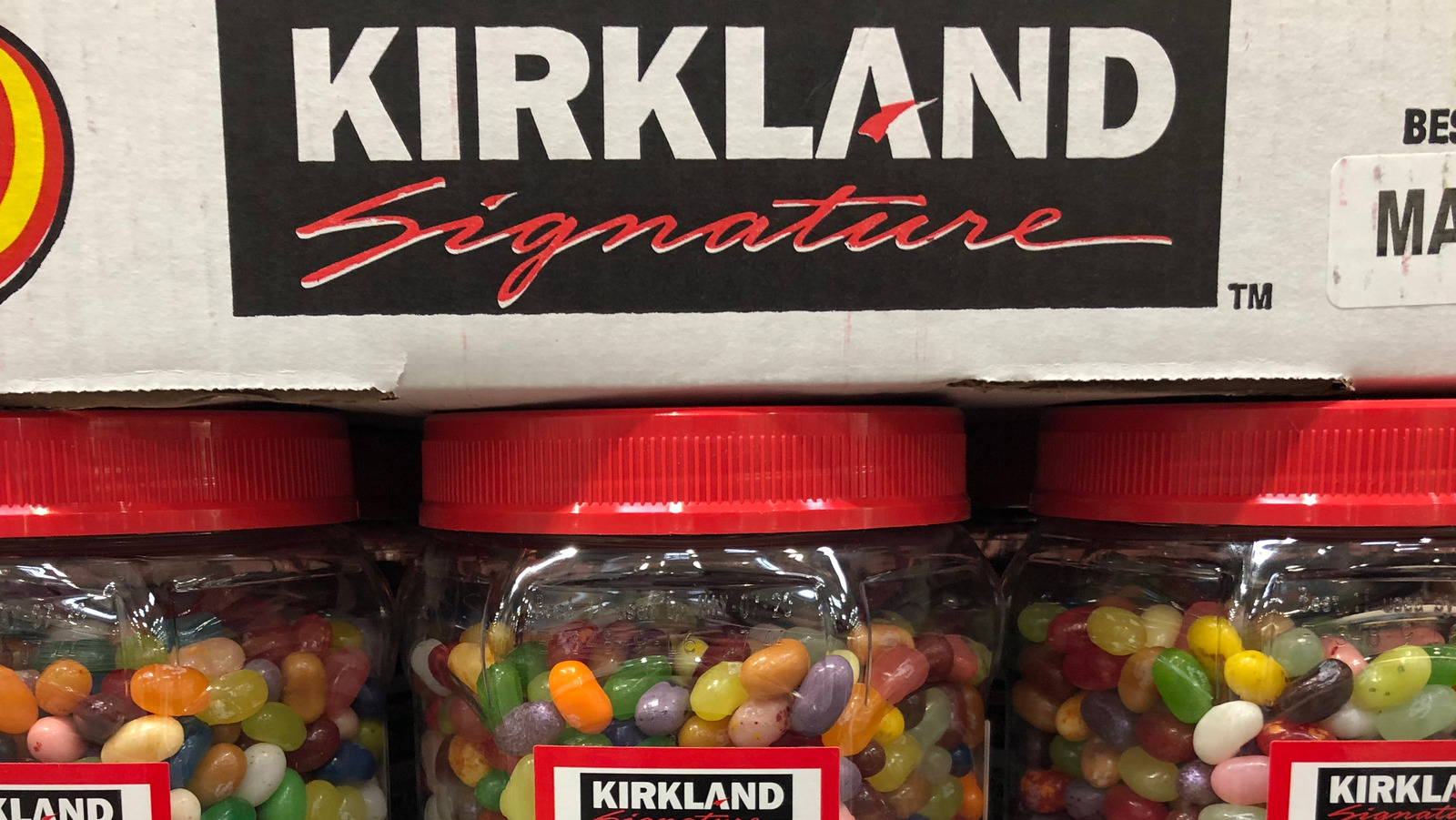
Kirkland Signature is a powerful driver of member loyalty, forming a crucial pillar of Costco’s membership-based business model. The exclusivity of the brand means that these high-quality, high-value products can only be purchased by Costco members, creating a tangible incentive for membership renewal.
- Exclusivity and Perceived Value: Members feel they are getting access to unique, superior products that offer exceptional value, reinforcing the benefits of their membership.
- Trust and Reliability: Over time, the consistent quality and value of Kirkland Signature products build a deep level of trust. Members learn to rely on the brand, reducing their need to comparison shop for many everyday items.
- Brand Affinity: For many, Kirkland Signature isn’t just a product; it’s a badge of smart shopping, a symbol of belonging to the Costco community. This emotional connection transcends mere transactional relationships, fostering strong brand affinity.
Elevating Brand Perception and Market Power
The success of Kirkland Signature has significantly elevated Costco’s overall brand perception. It transforms Costco from merely a retailer of other brands into a product innovator and quality guarantor in its own right.
- Premium Positioning: Kirkland Signature challenges the notion that private labels are inferior, positioning itself as a premium offering that competes directly with, and often surpasses, national brands.
- Market Influence: The sheer volume and success of Kirkland Signature give Costco immense market power. It can influence supplier practices, dictate pricing, and even push national brands to innovate or adjust their own strategies to remain competitive.
- Brand Halo Effect: The positive perception of Kirkland Signature products creates a “halo effect” that benefits the entire Costco brand, reinforcing its image as a destination for quality and value.
The Kirkland Signature Branding Playbook: A Masterclass in Trust and Value
The strategy behind Kirkland Signature is not merely about creating products; it’s about building a brand ecosystem that communicates trust, delivers consistent value, and innovates effectively within the private label space. It’s a carefully orchestrated playbook that leverages both product excellence and shrewd marketing tactics.
The “National Brand Equivalent or Better” Philosophy
Central to Kirkland Signature’s success is its foundational philosophy: every product must meet or exceed the quality standards of comparable national brands. This isn’t just a marketing slogan; it’s a rigorous internal mandate. Before a product can carry the Kirkland Signature label, it undergoes extensive testing and development to ensure it delivers superior performance, taste, or durability. This commitment is evident across its vast product range, from organic food items to household essentials and apparel.
- Benchmarking: Products are often developed with specific national brand leaders in mind, aiming to match or improve upon their attributes.
- Blind Taste Tests and Quality Assurance: Many Kirkland Signature food items, for example, are subjected to blind taste tests where they frequently outperform national brand counterparts, reinforcing their quality bona fides.
- Ingredient and Material Sourcing: Costco often partners with top-tier manufacturers that also produce for national brands, sometimes using the exact same facilities and ingredients, but under the Kirkland Signature label.
Strategic Transparency: Revealing the Hidden Manufacturers
In a bold move that further builds consumer trust, Costco sometimes reveals the actual manufacturer of certain Kirkland Signature products. This strategic transparency is unusual for private labels, which typically guard such information closely. For instance, it’s widely known that many Kirkland Signature batteries are made by Duracell, their coffee by Starbucks (or other premium roasters), and certain spirits by top distilleries.
- Leveraging Established Reputation: By subtly, or sometimes overtly, linking Kirkland Signature products to well-respected national manufacturers, Costco leverages the established reputation of these companies.
- Enhanced Trust and Credibility: This transparency reassures consumers that they are not buying an unknown generic product but rather a high-quality item from a reputable source, often at a significantly lower price point.
- Competitive Advantage: This approach adds another layer of value, allowing Costco to offer premium products without the brand premium usually associated with the manufacturer’s own label. It’s a masterful display of “co-branding” without explicitly sharing brand space.
Diversification and Category Dominance
The Kirkland Signature brand extends across an astonishing array of product categories, demonstrating its versatility and Costco’s ambition to dominate key segments. From organic extra virgin olive oil and premium craft beer to men’s dress shirts, laundry detergent, and even automotive tires, Kirkland Signature has permeated nearly every aisle of the warehouse.
- Broad Appeal: This wide diversification ensures that almost every Costco member can find a Kirkland Signature product relevant to their needs, increasing the brand’s overall penetration and impact.
- Category Leadership: In many categories, Kirkland Signature products are not just present; they are market leaders within Costco stores, often outselling national brands. This dominance solidifies Costco’s control over its inventory and sales mix.
- Strategic Expansion: Costco continually evaluates new product categories for Kirkland Signature, looking for opportunities where it can introduce a high-quality, high-value option that will resonate with its members and further differentiate its offerings.
Market Impact and the Evolution of Retail Branding
The phenomenal success of Kirkland Signature has sent ripple effects throughout the retail industry, influencing consumer behavior, challenging national brands, and demonstrating the growing power of strategically managed private labels.
Disrupting the Brand Landscape
Kirkland Signature has fundamentally altered the competitive landscape for many national brands. By consistently offering comparable or superior quality at lower prices, it forces national brands to rethink their pricing strategies, innovate more rapidly, and find new ways to justify their higher price points.
- Increased Competition: National brands face direct, in-house competition that benefits from Costco’s direct marketing to its members and its efficient supply chain.
- Pressure on Pricing: The existence of a high-quality, lower-priced alternative puts downward pressure on the prices of national brands, benefiting consumers.
- Innovation Incentive: To stay ahead, national brands must continuously innovate, differentiate, and emphasize their unique selling propositions beyond just quality, which Kirkland Signature often matches.
Building Consumer Trust and Advocacy
Perhaps the most significant long-term impact of Kirkland Signature is its role in building deep consumer trust and advocacy. Members don’t just buy Kirkland Signature products; they recommend them, a powerful form of organic marketing. This trust extends beyond individual products to the Costco brand itself, reinforcing its reputation as a reliable source of value and quality.
- Word-of-Mouth Marketing: Positive experiences with Kirkland Signature products generate invaluable word-of-mouth recommendations, driving new memberships and purchases.
- Brand Credibility: The consistent quality and value enhance Costco’s overall credibility, making members more receptive to other Costco offerings, services, and even its ethical sourcing initiatives.
- Emotional Connection: For many members, Kirkland Signature represents a tangible benefit of their Costco membership, fostering a sense of loyalty and belonging.
The Future of Private Labels in a Brand-Centric World
Kirkland Signature stands as a prime example of the evolution of private label branding from mere generics to formidable, high-quality brands that command significant market share. Its success story signals a broader trend in retail: the increasing sophistication and strategic importance of private labels. Retailers are no longer content to merely carry other brands; they are actively building their own brand empires, leveraging their direct relationship with consumers to create compelling value propositions.
- Strategic Imperative for Retailers: More retailers are investing in developing robust private label strategies to differentiate themselves, control costs, and build loyalty.
- Consumer Acceptance: Consumers are increasingly educated and discerning, willing to choose private labels that deliver on quality and value, shedding old prejudices against “store brands.”
- Innovation and Specialization: Future private labels will likely continue to innovate, specialize in niche categories, and leverage data analytics to tailor offerings precisely to consumer demands.
In conclusion, the answer to “who owns Kirkland” is straightforward: Costco Wholesale Corporation. However, the story behind this ownership is a complex and compelling narrative of strategic branding. Kirkland Signature is not just a product line; it is a masterclass in how a retailer can build a powerful, trusted brand that enhances profitability, drives loyalty, and reshapes the competitive landscape, proving that true brand value often lies in the hands of the visionary owners who nurture it.
aViewFromTheCave is a participant in the Amazon Services LLC Associates Program, an affiliate advertising program designed to provide a means for sites to earn advertising fees by advertising and linking to Amazon.com. Amazon, the Amazon logo, AmazonSupply, and the AmazonSupply logo are trademarks of Amazon.com, Inc. or its affiliates. As an Amazon Associate we earn affiliate commissions from qualifying purchases.