
Costco Wholesale Corporation stands as an undeniable titan in the retail landscape, a brand synonymous with value, bulk purchasing, and an exclusive membership model. For consumers and market observers alike, the question “how many Costco’s in the United States?” goes beyond a simple numerical inquiry; it delves into the strategic expansion, market penetration, and corporate identity of one of the world’s most successful membership-based warehouse clubs. Understanding the geographical spread of Costco’s physical locations in its home market provides crucial insights into its brand strategy, its approach to customer loyalty, and its enduring appeal in a competitive retail environment. Each store represents a tangible touchpoint for the brand, a carefully selected outpost designed to reinforce its unique value proposition and foster a loyal community of shoppers. This deep dive into Costco’s U.S. presence serves as a compelling case study in how physical footprint contributes to a powerful and resilient brand identity.
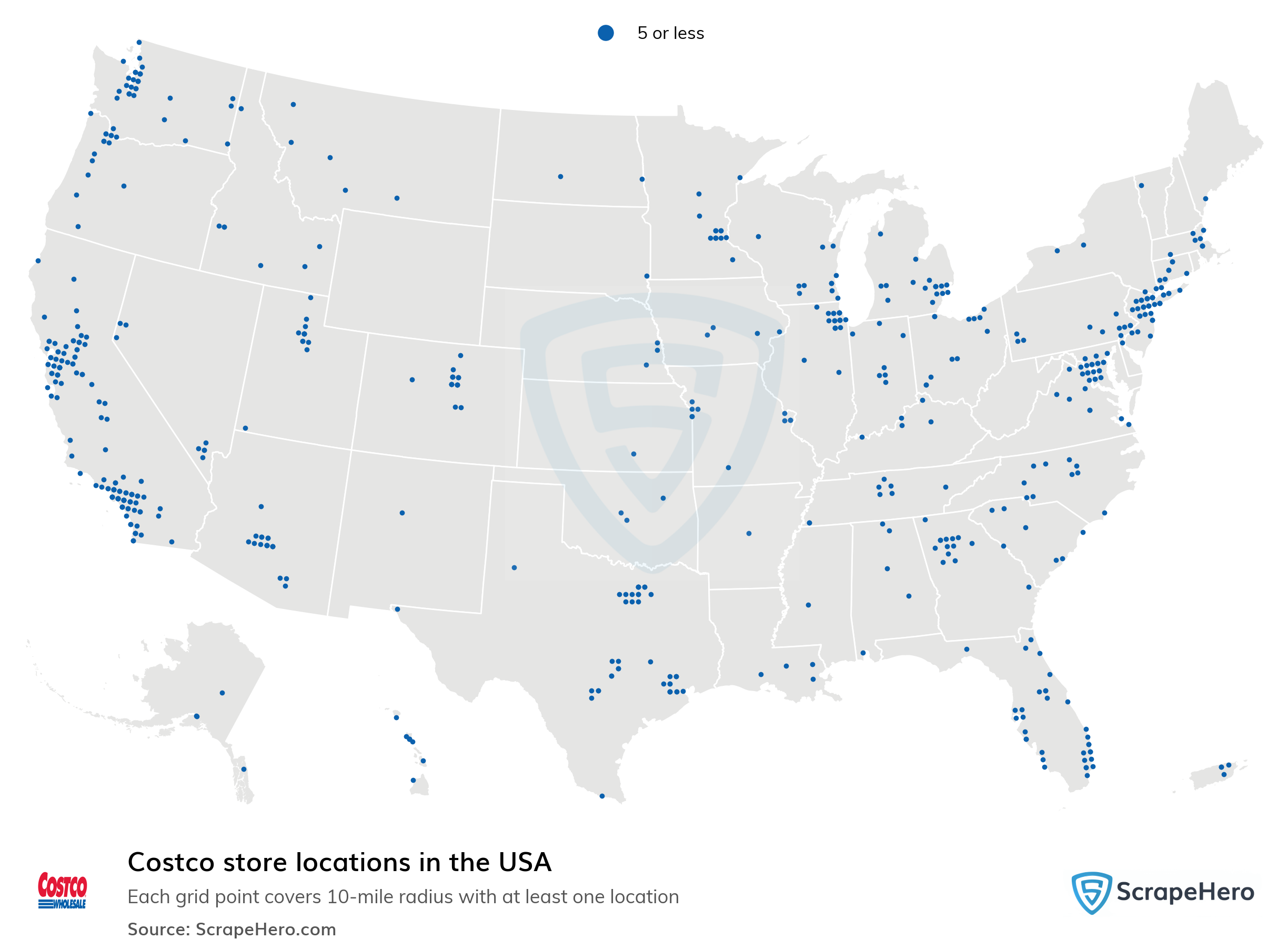
The Tangible Reach of a Global Brand: Costco’s US Presence
The sheer number of Costco locations within the United States is a testament to the brand’s strategic vision and its ability to consistently deliver on its promise. These locations are not merely stores; they are central hubs for a distinctive shopping experience, meticulously designed to embody the Costco brand ethos. From the vast parking lots to the towering shelves and the specific product mix, every element is curated to reinforce the brand’s identity as a destination for quality goods at competitive prices, accessible exclusively to its members.
The Current Count: A Snapshot of Retail Dominance
As of early 2024, Costco operates approximately 590 warehouse clubs in the United States. This impressive figure underscores the brand’s robust presence across the nation, establishing it as a dominant force in the retail sector. Each of these warehouses serves as a physical manifestation of the Costco brand, offering a consistent experience that members have come to expect and trust. This widespread presence is a critical component of its corporate identity, signifying stability, accessibility, and a pervasive market reach. The number itself is not just a statistic; it reflects decades of strategic planning, market analysis, and a commitment to expanding the brand’s influence to new demographics and regions. This vast network allows Costco to leverage economies of scale, further reinforcing its value proposition to members and strengthening its competitive advantage. The commitment to a physical presence, even in an increasingly digital world, highlights the brand’s understanding of its core customer base and the unique allure of its in-person shopping experience.
Geographical Distribution: Where the Brand Thrives
The distribution of Costco warehouses across the U.S. is not uniform, but rather a calculated reflection of demographic trends, population density, and market opportunity. States with larger populations and higher income levels naturally host a greater concentration of stores. For instance, California leads the nation with over 130 Costco locations, followed by states like Texas, Washington, Florida, and New York. This geographical clustering in densely populated and affluent areas is a deliberate brand strategy. Costco targets areas where it can attract a large number of members capable of maximizing the value of their bulk purchases. This strategic placement ensures that the brand is highly visible and accessible to its target demographic, maximizing membership uptake and sales volume. Analyzing this distribution offers insights into Costco’s understanding of its market and its ability to tailor its expansion efforts to capitalize on existing consumer behaviors and economic landscapes. The brand avoids over-saturation in less viable markets, preserving its exclusive appeal and optimizing operational efficiency.
Beyond US Borders: A Global Brand Identity
While the U.S. remains Costco’s largest market, understanding its domestic footprint is incomplete without acknowledging its global reach. Costco operates a total of approximately 870 warehouses worldwide, with significant presences in Canada, Mexico, the UK, Japan, Korea, Taiwan, Australia, Spain, France, China, Sweden, and Iceland. This international expansion speaks volumes about Costco’s brand strategy and its successful adaptation across diverse cultures and consumer preferences. Each international market presents unique challenges and opportunities, yet Costco has largely maintained its core brand identity: offering high-quality, brand-name, and private-label products at low prices. The global consistency in store layout, product categories, and the membership model reinforces a powerful and recognizable corporate identity. This global consistency strengthens the brand’s perception as a trustworthy and reliable source for value, regardless of geographical location, enhancing its overall prestige and appeal even within its U.S. operations.
Strategic Expansion: Building the Costco Brand Brick by Brick
Costco’s methodical expansion strategy is a cornerstone of its brand success, meticulously planned to ensure each new location not only contributes to the bottom line but also reinforces the brand’s core values and market positioning. This isn’t merely about opening new stores; it’s about strategically extending the brand’s influence and solidifying its relationship with its membership base. Every new warehouse is an investment in the brand, a physical commitment to serving more communities and deepening its market penetration.
Site Selection: The Art of Brand Placement
The process of selecting a new Costco location is a masterclass in strategic brand placement. It involves rigorous analysis of demographics, traffic patterns, competitive landscape, and accessibility. Costco targets areas with specific income levels, household sizes, and population densities that align with its ideal member profile. Locations are typically large, easily accessible from major thoroughfares, and often situated in suburban areas where a significant number of families reside. This meticulous site selection ensures that each new warehouse has the highest probability of success, directly impacting the brand’s profitability and reputation. By carefully choosing its locations, Costco reinforces its image as a destination retailer that is conveniently located for its target market, minimizing barriers to access for its members. The choice of location subtly communicates the brand’s understanding of its members’ lifestyles and priorities, further building trust and loyalty.
Membership Model Reinforcement: Exclusive Access and Brand Loyalty
The membership model is central to Costco’s brand identity, and its physical footprint plays a crucial role in reinforcing this exclusivity and fostering loyalty. Each warehouse is a tangible benefit of membership, a physical space where members can unlock the value proposition of the brand. The widespread availability of stores means that members can access these benefits conveniently, making the annual membership fee a worthwhile investment. This model creates a closed ecosystem, where the brand builds a direct relationship with its customers, collecting valuable data and fostering a sense of community. The physical store acts as the primary vehicle for delivering this exclusive experience, from the efficient checkout process to the unique “treasure hunt” atmosphere. By having a robust network of stores, Costco continually justifies its membership fee, turning members into brand advocates who appreciate the consistency and value provided. This reinforces a powerful cycle of loyalty and repeat business that is unique to the warehouse club model.
Market Saturation and Growth Potential: Balancing Reach with Exclusivity

Costco faces the strategic challenge of balancing market saturation with maintaining its brand’s exclusive appeal. While expanding its footprint increases market reach, over-saturating a region could dilute the perceived value of membership or cannibalize sales from existing stores. Costco’s strategy involves carefully identifying underserved markets or those with sufficient growth potential to support a new location without negatively impacting nearby stores. This cautious yet consistent growth approach ensures that each new warehouse adds genuine value to the overall brand network. The brand’s careful pace of expansion also allows it to uphold its high standards for store operations and customer service, which are integral to its corporate identity. This measured growth strategy is a deliberate choice to maintain the quality of the brand experience rather than chasing aggressive, potentially detrimental, expansion targets. It reflects a commitment to sustainable growth that prioritizes brand integrity and member satisfaction.
The Costco Brand Experience: More Than Just Bulk Buying
The essence of the Costco brand extends far beyond the transactional act of purchasing in bulk. It encompasses a holistic experience that leverages its physical spaces to cultivate a strong corporate identity, build community, and differentiate itself in a crowded retail market. Each warehouse is an embodiment of the brand’s promise: quality, value, and an element of discovery. This consistent experience across hundreds of locations is paramount to maintaining its distinctive brand image.
Consistent Experience Across Locations: Upholding Brand Promise
One of Costco’s most remarkable brand achievements is its ability to deliver a remarkably consistent shopping experience across nearly 600 U.S. locations. From the layout of departments to the signature concrete floors and the efficient flow of checkout lines, there’s a distinct familiarity that greets members in every store. This consistency is a critical component of its brand promise, assuring members that regardless of where they shop, they will encounter the same high standards of quality, product assortment, and service. This reliability builds immense trust and strengthens the corporate identity, turning each visit into a predictable yet satisfying ritual. This consistent brand delivery is a testament to strong operational excellence and a clear understanding of what makes the Costco experience unique and valued by its members. It’s a foundational element of its brand equity, ensuring that the brand promise is upheld every single day, in every single location.
Local Market Adaptation: Subtle Branding Nuances
While consistency is key, Costco also demonstrates a subtle yet effective approach to local market adaptation within its brand strategy. While the core model remains unchanged, product offerings can be tweaked to reflect regional tastes, cultural preferences, or local supplier availability. For example, a store in California might feature a wider array of organic produce or specific local wines, while a Texas location might emphasize different cuts of meat or regional snack brands. These minor adjustments allow the brand to resonate more deeply with local communities, demonstrating an understanding of its diverse membership base without compromising its overarching corporate identity. It’s a nuanced approach to branding that acknowledges local nuances while preserving the global brand essence, proving that a massive chain can still feel relevant to individual communities. This localized touch fosters a deeper connection and reinforces the brand’s commitment to meeting the specific needs of its members wherever they are.
Competitor Landscape: Differentiating the Warehouse Brand
In a retail landscape populated by competitors like Sam’s Club, BJ’s Wholesale Club, and traditional supermarkets, Costco’s physical presence and the experience it offers are crucial differentiators. Its large format stores, combined with the “treasure hunt” aspect of its rotating inventory, create an experience that traditional retailers struggle to replicate. The brand consciously avoids the sterile, transactional feel of many big-box stores, instead fostering a sense of community and discovery. This distinct environment is a key element of its marketing strategy, drawing members in not just for the deals, but for the overall branded outing. The scale of its operations allows for unique product sourcing and pricing strategies that reinforce its value perception. This physical differentiation, combined with its strong membership model, forms a powerful barrier to entry for competitors and solidifies Costco’s unique position in the market. It’s a compelling case study of how a brand’s physical assets can be leveraged to create an inimitable market identity.
The Future of Costco’s Brand Footprint: Sustaining Growth and Relevance
Looking ahead, Costco faces the challenge and opportunity of evolving its brand footprint to remain relevant in a rapidly changing retail landscape. The brand’s ability to adapt its physical presence while maintaining its core identity will be crucial for sustaining growth and ensuring its enduring appeal to future generations of members. This involves a strategic balancing act between leveraging its successful brick-and-mortar model and embracing digital innovations.
Digital Integration: Enhancing the Physical Brand
While Costco’s physical stores are paramount, the future of its brand footprint will increasingly involve seamless digital integration. This isn’t about replacing the physical experience but enhancing it. Features like buy-online-pickup-in-store (BOPIS), improved inventory visibility online, and personalized digital marketing based on in-store purchasing habits will become even more critical. These digital tools serve to amplify the convenience and value proposition of the physical warehouse, ensuring that the brand remains competitive against purely online retailers. The goal is to create an omnichannel experience where the physical and digital aspects of the brand complement each other, offering members maximum flexibility and convenience. This digital enhancement is a key part of evolving the corporate identity for the modern consumer, proving that a large physical footprint can coexist and thrive alongside a robust digital strategy.
Evolving Consumer Habits: Adapting Brand Strategy
Consumer habits are constantly evolving, driven by technological advancements, demographic shifts, and changing priorities. Costco’s brand strategy, particularly concerning its physical locations, must adapt to these changes. This could involve exploring smaller format stores in urban areas, optimizing layouts for quicker shopping trips, or incorporating more experiential elements within the warehouses. The brand must continue to understand how its members want to shop and adjust its physical presence accordingly, without losing the essence of what makes Costco, Costco. This adaptation reflects a dynamic corporate identity that is responsive to market changes, ensuring that the brand remains resonant with new generations of shoppers who may have different expectations about convenience and service.

Sustainable Growth: The Path Forward for a Beloved Brand
The continued expansion of Costco’s brand footprint, both domestically and internationally, will need to be underpinned by a commitment to sustainable growth. This includes not just environmental sustainability in store operations but also financial sustainability that ensures long-term profitability and member value. As the brand considers new locations, factors such as community impact, supply chain efficiency, and employee welfare will become increasingly important components of its corporate social responsibility and overall brand image. The path forward for Costco involves a thoughtful and strategic expansion that continues to leverage its powerful brand identity, its unique membership model, and its unwavering commitment to providing exceptional value. The number of Costco’s in the United States is more than just a count; it’s a living testament to a brand’s successful strategy, an ongoing narrative of growth, loyalty, and an enduring presence in the hearts and wallets of its members.
aViewFromTheCave is a participant in the Amazon Services LLC Associates Program, an affiliate advertising program designed to provide a means for sites to earn advertising fees by advertising and linking to Amazon.com. Amazon, the Amazon logo, AmazonSupply, and the AmazonSupply logo are trademarks of Amazon.com, Inc. or its affiliates. As an Amazon Associate we earn affiliate commissions from qualifying purchases.