
In the dynamic world of live entertainment, sports, and cultural events, securing a coveted ticket can often feel like a competitive sport in itself. Long queues, rapidly selling out events, and the dreaded “sold out” message are common frustrations for eager fans. Enter the “presale” – a term that has become increasingly prevalent, offering a glimmer of hope for early access. But beyond the simple promise of getting a ticket before the masses, a presale for tickets is fundamentally a strategic financial mechanism, deeply intertwined with the economics of supply and demand, revenue generation, and consumer value.

From a financial perspective, a presale is an exclusive, time-limited window during which a select group of individuals can purchase tickets to an event before they become available for general public sale. This early access isn’t just a perk; it’s a carefully orchestrated financial play designed to achieve specific objectives for both event organizers and ticket buyers, influencing everything from budgeting and pricing strategies to market forecasting and the very structure of the live event economy. Understanding the “what” of a presale requires dissecting its financial underpinnings, its advantages for various stakeholders, and its intricate role within the broader money ecosystem of entertainment.
The Financial Mechanics of Ticket Presales
At its core, a ticket presale is a sophisticated financial transaction facilitated through specific channels, often leveraging existing commercial relationships. It’s an early liquidity event for event organizers and a strategic purchasing opportunity for consumers. The financial mechanisms behind presales are designed to optimize revenue, manage risk, and create value across the board.
Early Revenue Generation and Market Gauging
For event promoters, artists, and venues, presales serve as a critical tool for early revenue generation. By selling a portion of tickets ahead of the general sale, organizers can secure a significant influx of capital, which can be crucial for covering upfront production costs, marketing expenditures, and other operational expenses. This early revenue provides financial stability and reduces the immediate cash flow burden.
Moreover, presales act as an invaluable market research tool. The pace and volume of presale ticket sales offer a real-time gauge of demand. If presale tickets sell out quickly, it signals robust market interest, potentially informing decisions about adding more dates, adjusting seating configurations, or even optimizing pricing for the general sale. Conversely, slower presale uptake might prompt a re-evaluation of marketing strategies or a more aggressive push during the public sale phase. This data-driven approach allows for more informed financial forecasting and risk management.
The Role of Financial Partnerships and Access Codes
The exclusivity of a presale is often tied to specific financial or commercial partnerships. Credit card companies, for instance, frequently sponsor presales, offering early access to their cardholders as a loyalty benefit. This mutually beneficial arrangement drives credit card usage and customer retention for the issuer, while providing a dedicated sales channel and a perceived premium experience for the event organizer. The “presale code” – a string of letters and numbers – is essentially the digital key to unlock this early purchasing window, acting as a gatekeeper for exclusive financial access.
Fan clubs, artist subscriptions, and even venue memberships also leverage presales as a financial incentive. By paying a membership fee or engaging directly with an artist’s brand, fans gain access to these early sales, turning loyalty into a tangible financial benefit. This not only encourages direct engagement but also creates a more predictable sales environment for the seller, as they are targeting a known, highly engaged audience. The entire process relies on robust digital financial infrastructure, from secure payment gateways to real-time inventory management systems, all designed to handle high transactional volumes efficiently.
Strategic Financial Advantages for Buyers
While sellers reap significant financial rewards from presales, buyers also engage in these early purchasing opportunities with distinct financial and experiential benefits in mind. It’s about optimizing their personal finance decisions to secure desired outcomes in a competitive market.
Securing Desired Tickets and Avoiding Price Hikes
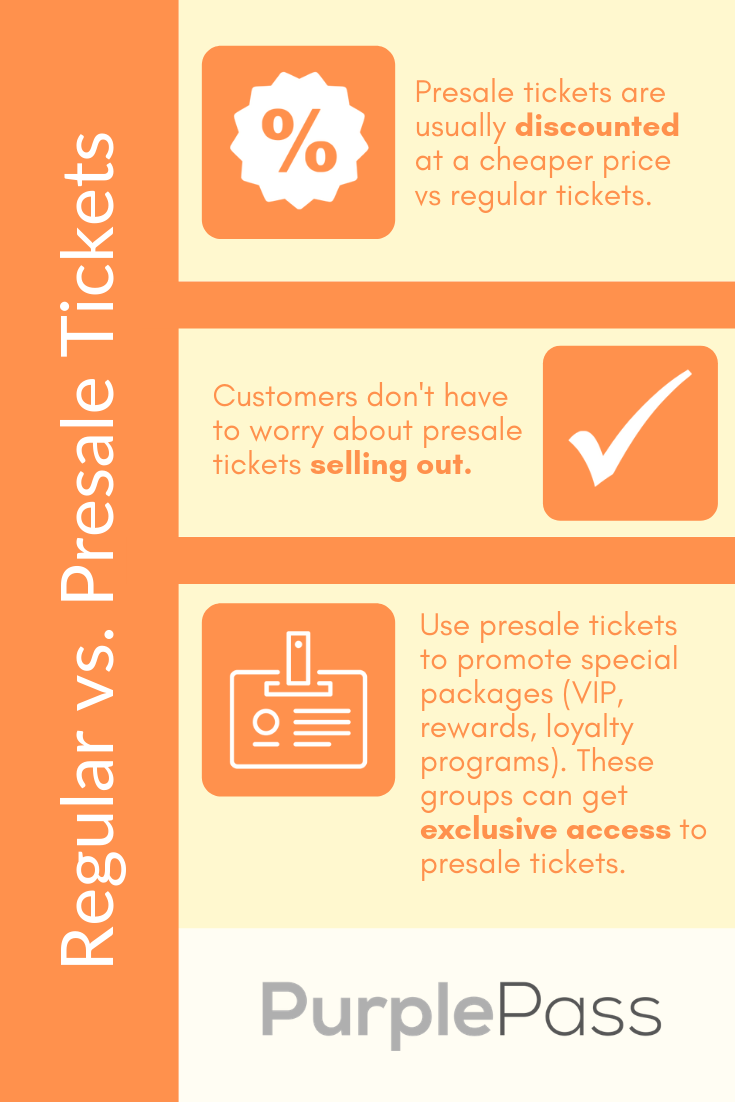
The most apparent advantage for a buyer is the heightened probability of securing tickets for high-demand events. In a world where popular concerts, shows, or sports events can sell out in minutes during a general sale, a presale offers a crucial head start. This peace of mind has inherent financial value, as it avoids the potential cost of missing out or, worse, being forced to pay inflated prices on the secondary market.
While presale tickets don’t always come at a discount, they do often guarantee access at the initial face value before potential demand-driven price increases (dynamic pricing) might kick in for the general sale, or before the scarcity drives up prices exponentially on resale platforms. For many fans, paying a standard ticket price during a presale is a strategic financial decision to protect against potentially much higher future expenditures or the complete loss of the opportunity.
Maximizing Value and Seating Preferences
Presales frequently allow buyers to choose from a wider selection of seats or viewing options. Since the inventory is less depleted, early access often translates to better seating locations or more diverse price points for different sections. For a consumer, this means maximizing the value of their ticket purchase – securing a preferred view, a more comfortable spot, or a specific experience that might be unavailable later.
The ability to choose better seats at face value rather than having to settle for less desirable options at the same or higher price later on represents a tangible financial benefit. It ensures that the money spent on the ticket delivers a superior experience, aligning personal finance with personal preferences for maximum satisfaction. This early choice also allows for more considered budgeting, as buyers can allocate their funds to the precise experience they desire without the pressure of limited options.
Driving Revenue and Market Intelligence: The Seller’s Financial Playbook
For event organizers, artists, and promoters, presales are far more than just early sales; they are a sophisticated financial instrument woven into their overarching business strategy. They are a critical component for revenue optimization, risk mitigation, and cultivating a financially engaged audience.
Optimizing Pricing Strategies and Inventory Management
Presales provide a flexible platform for implementing dynamic pricing strategies. By observing presale performance, sellers can fine-tune pricing for the general sale. If presale demand is exceptionally high, prices for the remaining inventory might be adjusted upwards to maximize revenue. Conversely, if demand is softer, it allows for strategic adjustments to stimulate sales. This intelligent pricing is a cornerstone of modern financial management in the entertainment industry.
Furthermore, presales are essential for inventory management. By strategically releasing portions of tickets during different presale windows, sellers can control the flow of sales, preventing immediate sell-outs that might alienate potential buyers and ensuring a sustained marketing buzz leading up to the general sale. This phased release also helps to distribute demand, preventing system overloads and providing a smoother purchasing experience, which indirectly contributes to brand loyalty and future revenue. From a business finance perspective, efficient inventory management minimizes unsold tickets and maximizes revenue per event.
Cultivating Loyalty and Predicting Financial Performance
Offering presale access is a powerful way to cultivate loyalty among a dedicated fan base or specific customer segments. Rewarding superfans with early access strengthens their connection to the artist or brand, encouraging continued financial support through merchandise sales, future ticket purchases, and engagement. This long-term financial relationship is invaluable in an industry often characterized by transient trends.
The data gathered from presales is also crucial for predicting the overall financial performance of an event. Early sales figures can be used to project total ticket sales, forecast ancillary revenue streams (merchandise, concessions), and assess the overall profitability of a tour or event series. This predictive power allows for better resource allocation, more accurate budget planning, and more informed investment decisions, solidifying the presale’s role as a vital financial intelligence tool.
Navigating the Presale Landscape: Financial Planning and Participation
For the consumer, effectively participating in presales requires a degree of financial savvy and strategic planning. It’s about being prepared to act swiftly and decisively to capitalize on the early access opportunity.
Budgeting and Payment Preparedness
Before even attempting to secure a presale code, potential buyers should have a clear understanding of their budget. Event tickets, especially for high-demand artists or premium seating, can be a significant expense. Knowing what you are willing and able to spend prevents impulse purchases that might strain personal finances later. It’s also wise to research potential ticket prices beforehand if available, to set realistic expectations.
Being financially prepared also means having your payment methods ready. This includes ensuring your credit card has sufficient funds or a high enough limit, or that your digital payment wallet is properly set up. The speed of transaction is often critical during a presale, so any delay caused by payment issues could mean losing out on tickets. Some credit card presales might also require using a specific card, making it essential to have that financial instrument at hand.
Understanding Presale Types and Financial Triggers
Different types of presales are triggered by various financial relationships or affiliations. Understanding these categories is key to knowing where to look for codes and how to gain access:
- Credit Card Presales: Tied directly to specific credit card companies, requiring ownership and use of their card.
- Fan Club Presales: Often require a paid membership or an active, verified subscription to an artist’s fan club, which itself is a financial transaction.
- Artist/Venue Presales: Codes distributed directly by the artist or venue, sometimes requiring signing up for newsletters, which is a form of engagement that can lead to future financial interactions.
- Sponsor Presales: Access granted through a sponsor’s marketing efforts, often requiring an email sign-up or engagement with their brand.
Each type has its own “financial trigger” for access. Buyers should identify which presales they qualify for and strategically target those options to maximize their chances. This often involves a small upfront investment (e.g., fan club membership fee) to unlock the larger financial opportunity of securing desired tickets.
Presales and the Economics of the Secondary Market
The existence of presales has a profound impact on the economics of the secondary ticket market – the unofficial resale arena where tickets are often traded above face value. This interaction highlights both opportunities for a “side hustle” and significant financial risks.
Influencing Resale Value and Scalping Dynamics
By allowing early access to tickets, presales can either alleviate or exacerbate the issues of ticket scalping and inflated secondary market prices. If a significant portion of tickets is released during presales and quickly snatched up by dedicated fans, it can limit the inventory available for general sale, potentially driving up demand and resale prices for the remaining tickets. On the other hand, if presales are managed effectively and reach a broad, legitimate fan base, it can reduce the speculative market’s opportunity to acquire large blocks of tickets for resale.
For individuals looking at tickets as a potential “side hustle,” securing presale tickets with the intent to resell them at a profit is a common strategy. This leverages the financial advantage of early access to capitalize on high demand. However, this also carries financial risks, as there’s no guarantee of resale success, and many platforms have strict rules against commercial scalping.

Ethical Considerations and Financial Equity
The financial mechanisms of presales raise important ethical considerations regarding fairness and equitable access. While presales reward loyalty and offer early access, they can also create a two-tiered system where those with specific affiliations (certain credit cards, fan club memberships) have an inherent advantage. This can lead to a sense of financial exclusion for others, who may then be forced to contend with fewer tickets during the general sale or resort to the often-inflated prices of the secondary market.
The ongoing debate revolves around how to balance the financial benefits of presales for sellers with ensuring broad accessibility for all fans. This includes discussions about transparent pricing, anti-scalping measures, and equitable distribution methods. Ultimately, the financial model of presales is a complex system designed to navigate demand, generate revenue, and provide value, but it is also one that continually shapes and is shaped by the broader economics and ethics of live event consumption.
In conclusion, a presale for tickets is far more than just an early purchase opportunity. It’s a sophisticated financial instrument integral to the modern entertainment industry, strategically deployed by sellers for revenue generation, market intelligence, and customer loyalty. For buyers, it represents a crucial opportunity to secure desired experiences, manage personal finances effectively, and maximize the value of their entertainment spending. As the landscape of live events continues to evolve, understanding the financial intricacies of presales will remain essential for anyone involved in buying, selling, or simply appreciating the economics of popular culture.
aViewFromTheCave is a participant in the Amazon Services LLC Associates Program, an affiliate advertising program designed to provide a means for sites to earn advertising fees by advertising and linking to Amazon.com. Amazon, the Amazon logo, AmazonSupply, and the AmazonSupply logo are trademarks of Amazon.com, Inc. or its affiliates. As an Amazon Associate we earn affiliate commissions from qualifying purchases.