
In an increasingly digital financial landscape, tools that streamline transactions and offer immediate control over funds have become indispensable. Venmo, a ubiquitous name in peer-to-peer payments, stands out not just for its social interface but also for its versatile “Venmo balance” feature. For many, this balance represents a convenient reservoir of funds, accumulated from shared expenses, small business payments, or gifts, ready to be deployed at a moment’s notice. Understanding how to effectively leverage your Venmo balance isn’t just about executing a transaction; it’s about mastering a key component of modern personal finance, enabling smarter spending, better budgeting, and seamless financial interactions.
This guide delves into the specifics of using your Venmo balance, positioning it within the broader context of personal financial management. We’ll explore its role as a dynamic financial tool, outline the various ways you can spend these digital funds, and discuss strategies for managing your balance to enhance your overall financial health.
Understanding Your Venmo Balance: A Digital Wallet Perspective
At its core, your Venmo balance functions as a digital wallet, holding funds within the Venmo ecosystem. Unlike a traditional bank account, it’s typically a more transient holding place for money intended for immediate spending or transfer, though it can certainly serve as a primary wallet for those who frequently use Venmo. Grasping what constitutes this balance and its role in modern financial behavior is the first step toward effective utilization.
What Constitutes Your Venmo Balance?
Your Venmo balance is essentially the total amount of money available to you within your Venmo account. These funds can originate from several sources:
- Payments Received: The most common way to accumulate a Venmo balance is by receiving money from friends, family, or customers who pay you directly through the app. Whether it’s splitting a dinner bill, getting reimbursed for a shared expense, or receiving payment for a freelance gig, these incoming transactions swell your balance.
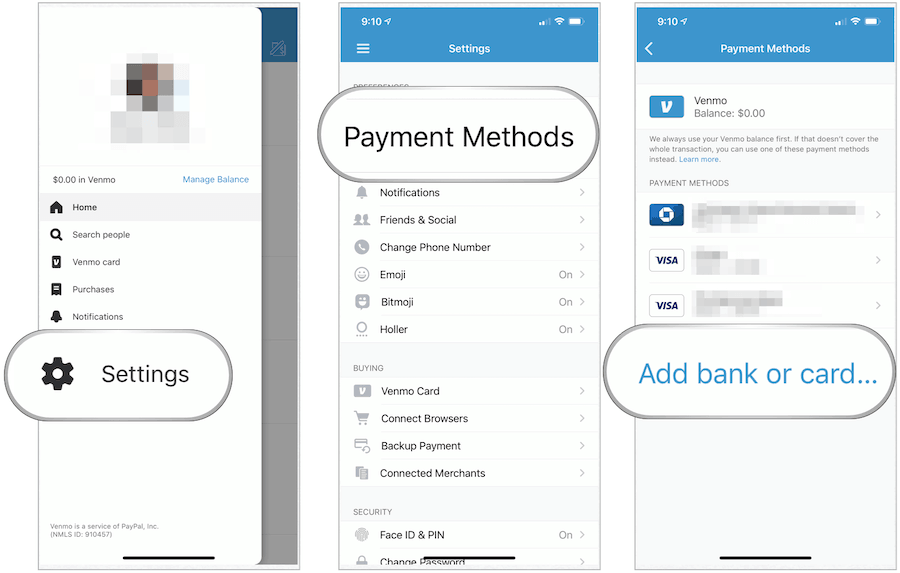
- Linked Bank Account or Debit Card Transfers: You can proactively add money to your Venmo balance from a linked bank account or debit card. This process, often referred to as “loading” your balance, allows you to consolidate funds in Venmo, making it easier to spend without directly drawing from an external account for each transaction. This can be particularly useful for budgeting or separating funds for specific purposes.
- Cash a Check: Venmo also offers a feature to cash eligible checks directly into your balance, though this typically involves fees and processing times.
The funds in your Venmo balance are immediately available for use within the Venmo app, providing a high degree of liquidity and transactional convenience.
The Role of Venmo in Modern Personal Finance
Venmo has transcended its initial purpose as a simple peer-to-peer payment app to become an integral part of many individuals’ personal finance toolkit. Its ease of use, speed, and social integration have made it a preferred method for managing various small to medium-sized financial interactions.
- Streamlined Group Payments: Venmo excels in situations involving shared expenses, making it effortless to split costs for meals, trips, or household bills. The ability to send and receive money instantly eliminates the awkwardness and delays associated with cash or bank transfers.
- Micro-Transactions and Small Business Payments: For freelancers, artists, or small business owners, Venmo offers a low-barrier-to-entry method for receiving payments. This means that income generated from side hustles or small ventures often first lands in a Venmo balance before being transferred or spent.
- Budgeting and Expense Management: For some, using a Venmo balance can serve as a simple budgeting tool. By loading a specific amount for discretionary spending or by tracking outgoing payments from the balance, users can gain insights into their spending habits for certain categories. It offers a tangible boundary for what can be spent without dipping into primary bank accounts.
Seamless Spending: Utilizing Your Venmo Balance for Payments
Once you have funds in your Venmo balance, the possibilities for spending are diverse, extending beyond just sending money to friends. Venmo has expanded its utility to include merchant payments, in-store transactions, and even physical card usage, all drawing from your available balance.
Sending Money to Friends and Family: A Core Venmo Function
The most iconic use of Venmo is undoubtedly its peer-to-peer payment system. Sending money from your Venmo balance to another Venmo user is quick, intuitive, and often comes with a social feed component (which can be made private).
- How it Works: Open the Venmo app, tap the “Pay/Request” button, enter the recipient’s username, phone number, or email, input the amount, add a note (and optionally choose an emoji), and ensure “Venmo balance” is selected as the funding source. Hit “Pay,” and the funds are transferred instantly.
- Financial Insight: Using your Venmo balance for peer-to-peer payments helps keep your primary bank account distinct, preventing a multitude of small transactions from cluttering your bank statement. It’s an efficient way to manage shared costs without affecting your core savings or spending accounts directly.
Paying Merchants and Businesses: Expanding Your Spending Options
Venmo has increasingly moved into the commercial space, allowing users to pay eligible businesses directly through the app, both online and in physical stores.
- Online Purchases: Many online retailers now accept Venmo at checkout. When shopping on your phone or computer, you might see a “Pay with Venmo” option. Selecting this will typically redirect you to the Venmo app or prompt you to log in, where you can confirm the payment using your Venmo balance. This is particularly convenient for e-commerce, offering a swift payment alternative without needing to input card details repeatedly.
- In-App Purchases: Some apps and services allow direct payments via Venmo, integrating it seamlessly into their payment flows.
- QR Code Payments: In physical stores, some merchants display Venmo QR codes. Scanning these with the Venmo app allows for a quick and secure payment directly from your balance, reducing the need for cash or physical cards. This method is gaining traction, especially among smaller businesses and pop-up shops.
- Financial Insight: Paying merchants directly with your Venmo balance can be a strategic move for managing specific spending categories. For instance, if you’ve budgeted a certain amount for entertainment or dining, you can load that amount into your Venmo balance and use it for these expenses, offering a clear boundary for your discretionary spending.
The Venmo Debit Card: Bridging Digital and Physical Transactions

For those who frequently rely on their Venmo balance, the Venmo Debit Card (issued by a partner bank) is a powerful tool. This Mastercard debit card is directly linked to your Venmo balance, allowing you to use your digital funds for purchases anywhere Mastercard is accepted, both online and in brick-and-mortar stores.
- How it Works: When you make a purchase with the Venmo Debit Card, the funds are automatically drawn from your Venmo balance. If your Venmo balance is insufficient, you can opt for an “Reload Your Balance” feature that will automatically pull funds from your linked bank account to cover the transaction, ensuring your payment goes through.
- Financial Insight: The Venmo Debit Card transforms your digital balance into a universally accepted payment method. It’s excellent for daily spending, allowing you to centralize a portion of your liquid funds. For individuals who receive income or reimbursements frequently via Venmo, it provides immediate access to those funds without the need for manual transfers to a traditional bank account, saving time and potential transfer fees. It can also act as a secondary spending card, useful for separating personal expenses from joint accounts or for managing a specific spending allowance.
Managing Your Venmo Funds: Financial Control at Your Fingertips
Effective management of your Venmo balance goes beyond just spending. It involves proactive steps to ensure you have funds when needed, and the ability to access your money outside the Venmo ecosystem. Proper management translates to greater financial control and peace of mind.
Adding Funds to Your Venmo Balance: Ensuring Liquidity
To maximize the utility of your Venmo balance, knowing how to top it up is crucial.
- Manual Bank Transfer: You can initiate a transfer from your linked bank account to your Venmo balance. This typically takes 3-5 business days for standard transfers or a small fee for instant transfers.
- Debit Card Transfer: For immediate access, you can transfer money from a linked debit card to your Venmo balance. This usually incurs a small fee but offers instant availability.
- Direct Deposit: For users who receive regular payments, Venmo offers direct deposit services, allowing paychecks or government benefits to be deposited directly into your Venmo balance, treating it more like a traditional bank account.
- Financial Insight: Proactively adding funds to your Venmo balance, especially for anticipated expenses, can be a smart budgeting technique. For instance, if you know you have recurring expenses that can be paid via Venmo (like subscriptions or shared utility bills), loading your balance once at the start of the month can help you track and allocate those funds efficiently.
Withdrawing and Cashing Out: Accessing Your Money
While spending from your Venmo balance is convenient, there will be times when you need to transfer those funds to a traditional bank account or access cash.
- Standard Bank Transfer: You can transfer your Venmo balance to a linked bank account. This is usually free and takes 1-3 business days to process.
- Instant Transfer: For a small fee (typically 1.75% of the transfer amount, with a minimum and maximum fee), you can transfer funds instantly to a linked debit card or bank account. This provides immediate access to your money, which can be critical in urgent situations.
- Financial Insight: Knowing your withdrawal options is key to maintaining liquidity across your financial ecosystem. While keeping a portion of your funds in Venmo for immediate digital spending is efficient, ensuring larger sums are transferred to an interest-bearing savings account or your primary checking account is generally a sound financial practice. Instant transfers, despite the fee, can be a valuable lifeline for unexpected expenses.
Monitoring Your Balance and Transaction History: Budgeting Insights
Venmo provides robust tools within the app to keep track of your financial activity.
- Checking Your Balance: Your current Venmo balance is prominently displayed in the app, offering an immediate overview of your available funds.
- Transaction History: Venmo meticulously records every transaction, whether incoming or outgoing. This history includes details like the sender/recipient, amount, date, and any accompanying notes or emojis.
- Financial Insight: Regularly reviewing your Venmo transaction history is a simple yet effective way to track your spending, identify trends, and reconcile shared expenses. It can serve as a supplementary budgeting tool, particularly for social spending or peer-to-peer transactions that might otherwise be harder to categorize in a traditional bank statement. Analyzing this history can help you identify areas where you might be overspending or find ways to optimize your use of Venmo for financial gain (e.g., ensuring prompt reimbursement for shared costs).
Strategic Use of Venmo Balance for Financial Efficiency
Integrating your Venmo balance strategically into your overall financial plan can lead to greater efficiency, better budgeting, and enhanced security. It’s not just about convenience; it’s about making your money work smarter for you within the digital realm.
Budgeting and Expense Tracking Through Venmo
For many, the compartmentalization offered by a Venmo balance can be a powerful budgeting ally.
- Dedicated Spending Funds: Consider loading a fixed weekly or monthly amount into your Venmo balance for specific discretionary spending categories, such as dining out, entertainment, or casual shopping. Once those funds are depleted, you know you’ve hit your budget limit.
- Easier Expense Categorization: While Venmo doesn’t offer sophisticated budgeting features, the clear transaction notes and distinct history can make it easier to manually track specific expense types, especially those frequently shared with others.
- Avoiding Overdrafts: By using your Venmo balance for smaller, frequent transactions, you reduce the direct draw on your primary bank account, potentially lowering the risk of overdraft fees if your main account balance is running low.
- Financial Insight: The psychological effect of seeing a separate, dedicated “pot” of money for certain expenses can be a strong motivator for sticking to a budget. It provides a clear, real-time indicator of funds remaining for a particular category without needing to log into multiple banking apps.
The Convenience Factor: Speed and Accessibility
The primary appeal of using a Venmo balance often boils down to sheer convenience.
- Instant Payments: Funds transfer almost instantly between Venmo users, eliminating delays and ensuring prompt settlements.
- Reduced Friction: With a Venmo balance, you don’t need to fetch your wallet, remember card details, or enter complex banking information for every transaction. It’s often just a few taps within the app.
- Always Available: As long as you have your phone and internet access, your Venmo balance is accessible, making it a reliable payment method in various situations.
- Financial Insight: In today’s fast-paced world, the value of time saved and reduced mental load in financial transactions is significant. Venmo’s convenience translates directly into a more efficient management of day-to-day spending and reimbursements, freeing up mental bandwidth for more complex financial planning.

Security and Best Practices for Protecting Your Digital Funds
While Venmo offers convenience, it’s crucial to adopt best practices to safeguard your digital funds.
- Strong Passwords and Two-Factor Authentication (2FA): Always use a unique, strong password for your Venmo account and enable 2FA for an added layer of security. This protects your account even if your password is compromised.
- Beware of Scams: Be vigilant against phishing attempts, suspicious payment requests, or offers that seem too good to be true. Only send money to people you know and trust.
- Monitor Activity: Regularly review your transaction history for any unauthorized activity. Report suspicious transactions immediately to Venmo.
- Link Securely: Ensure your linked bank accounts and debit cards are secure and that you only link accounts from reputable financial institutions.
- Financial Insight: Treating your Venmo balance with the same security diligence as you would a traditional bank account is paramount. While Venmo employs security measures, user vigilance is the first line of defense against fraud. Understanding that digital funds, like physical cash, require protection is a key component of responsible personal finance.
In conclusion, paying with your Venmo balance is far more than a simple transaction method; it’s a dynamic aspect of modern personal finance. By understanding how to effectively manage, spend, and secure your Venmo funds, individuals can unlock a layer of convenience, budgeting control, and financial efficiency that complements their broader financial strategies. As digital payments continue to evolve, mastering tools like Venmo will remain essential for navigating our increasingly cashless world.
aViewFromTheCave is a participant in the Amazon Services LLC Associates Program, an affiliate advertising program designed to provide a means for sites to earn advertising fees by advertising and linking to Amazon.com. Amazon, the Amazon logo, AmazonSupply, and the AmazonSupply logo are trademarks of Amazon.com, Inc. or its affiliates. As an Amazon Associate we earn affiliate commissions from qualifying purchases.