
In the rapidly evolving landscape of digital finance, applications like Cash App have become indispensable tools for millions, facilitating everything from peer-to-peer payments to direct deposits and even investment opportunities. Yet, a fundamental question often arises among its users: “What’s the name of Cash App’s bank?” This seemingly simple query delves into the intricate financial architecture that underpins modern fintech, revealing how these innovative platforms leverage traditional banking institutions to deliver their services. Understanding these partnerships is not merely a matter of curiosity; it’s crucial for comprehending where your money truly resides, how it’s protected, and the regulatory framework governing your digital financial interactions.
Cash App, developed by Block, Inc. (formerly Square, Inc.), is not a bank in itself. It is a financial technology company that provides a suite of financial services. To offer these services, such as holding customer funds, issuing debit cards, and enabling direct deposits, Cash App must partner with licensed and regulated financial institutions. These partnerships are the bedrock upon which Cash App’s functionality rests, blending the agility of tech innovation with the stability and regulatory compliance of established banking. For anyone managing their personal finances through such a platform, knowing these partner banks is paramount for informed decision-making and ensuring financial security.
The Core Banking Partners Behind Cash App
Cash App’s ability to operate as a robust financial tool hinges on its strategic alliances with federally chartered banks. These partnerships allow Cash App to offer bank-like services without holding a banking license themselves, a common model within the fintech industry. The primary institutions that enable Cash App’s core functionalities are Sutton Bank and Lincoln Savings Bank.
Sutton Bank: A Key Enabler of Fintech
Sutton Bank, based in Attica, Ohio, is a prominent player in the fintech ecosystem. It has carved out a niche for itself as a banking partner for numerous digital payment platforms and prepaid card programs. For Cash App, Sutton Bank plays a critical role, particularly in the issuance of the Cash Card. The Cash Card, a Visa debit card directly linked to a user’s Cash App balance, functions because Sutton Bank is the issuing bank. This arrangement means that when you use your Cash Card for purchases or ATM withdrawals, these transactions are processed and authorized through Sutton Bank’s infrastructure.
Beyond the Cash Card, Sutton Bank also facilitates certain aspects of fund holding and processing for Cash App users. This partnership allows Cash App to integrate seamlessly into the broader financial system, enabling users to receive direct deposits, send and receive money, and manage their balances within the regulated framework provided by Sutton Bank. For users, this translates into a familiar experience of managing funds, albeit through a digital interface, underpinned by a traditional banking institution.
Lincoln Savings Bank: Expanding Financial Horizons
Lincoln Savings Bank, headquartered in Reinbeck, Iowa, is another vital banking partner for Cash App. While Sutton Bank often handles the debit card issuance, Lincoln Savings Bank may be involved in other critical services, such as holding certain customer funds or facilitating specific transaction types. The strategic use of multiple banking partners can offer several advantages, including geographical diversification, increased capacity for processing transactions, and potentially specialized services that one bank might offer over another.
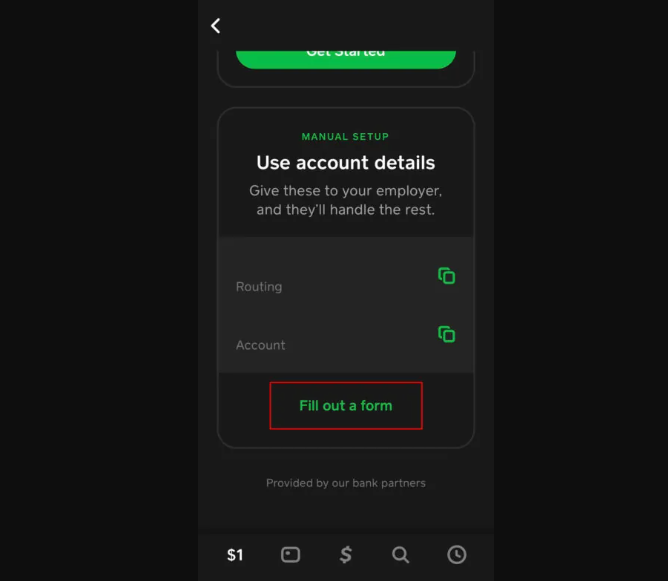
The involvement of Lincoln Savings Bank ensures that Cash App’s financial operations are robust and scalable. For instance, when users enable direct deposit for their paychecks or government benefits, the routing and account numbers provided by Cash App are often associated with one of these partner banks. This ensures that traditional ACH (Automated Clearing House) transfers can be processed correctly, and funds are safely deposited into the user’s Cash App balance, which is ultimately held within the partner bank’s system. This multi-bank approach reinforces the stability and reliability of Cash App’s financial services, crucial for maintaining user trust in a digital-first environment.
Why Cash App Isn’t a Bank Itself
Understanding why Cash App relies on these banking partnerships is key to grasping the fintech model. Cash App is regulated as a money services business (MSB), not a chartered bank. This distinction means it doesn’t possess a full banking license from federal regulators like the Office of the Comptroller of the Currency (OCC) or state banking authorities. A full banking charter comes with extensive regulatory requirements, including capital reserves, detailed lending practices, and rigorous compliance standards that differ significantly from those for an MSB.
By partnering with chartered banks, Cash App can offer services that mimic those of traditional banks—such as account balances, debit cards, and direct deposit—without undergoing the extensive and costly process of becoming a bank itself. This model allows fintech companies to innovate rapidly, focus on user experience, and develop niche financial products, while relying on the established banks to handle the core regulatory compliance, fraud prevention, and the secure holding of customer funds within the existing financial infrastructure. For users, this means enjoying cutting-edge financial tools that are nonetheless connected to the familiar and regulated banking system.
Ensuring Your Funds: FDIC Insurance and Cash App
One of the most significant concerns for anyone entrusting their money to a financial institution, digital or traditional, is the safety of their funds. The Federal Deposit Insurance Corporation (FDIC) plays a crucial role in providing this security. For Cash App users, understanding how FDIC insurance applies to their balances through its partner banks is paramount for financial peace of mind.
How FDIC Protection Works with Cash App
Since Cash App is not a bank, it cannot directly offer FDIC insurance. However, the funds held in your Cash App balance are eligible for FDIC pass-through insurance through its partner banks, Sutton Bank and Lincoln Savings Bank. This means that if either of these banks were to fail, your funds, up to the standard maximum deposit insurance amount of $250,000 per depositor, per insured bank, for each account ownership category, would be protected.
When you deposit money into your Cash App account, that money is held by Cash App in a pooled account at one of its partner banks. Although it’s in a pooled account, the underlying records maintained by Cash App ensure that your individual portion of those funds is clearly identifiable and thus eligible for FDIC insurance. It’s crucial for users to understand that the $250,000 limit applies to the sum of all balances you hold with a particular insured bank, including any other accounts you might have directly with Sutton Bank or Lincoln Savings Bank. This pass-through mechanism is a common and effective way for non-bank financial service providers to extend federal deposit insurance to their customers.
Understanding the Limits of Protection
While FDIC insurance offers a robust safety net for your Cash App balance, it’s vital to recognize its limitations. The FDIC specifically insures deposit accounts in insured banks. This has several key implications for Cash App users:
- Cash App Balance Only: FDIC insurance primarily covers the funds held in your Cash App spending balance.
- Investments Are Different: Funds invested in Bitcoin or stocks through Cash App are not covered by FDIC insurance. Bitcoin is a cryptocurrency and is inherently volatile; its value can fluctuate wildly, and it is not backed by any government or insured by the FDIC. Similarly, stock investments are subject to market risks and are not FDIC-insured. While stock brokerage accounts might offer Securities Investor Protection Corporation (SIPC) coverage for up to $500,000 in securities and cash (in case the brokerage firm fails, not against market losses), this is a separate protection provided by Cash App Investing’s brokerage partner, not the FDIC.
- Unauthorized Transactions: While Cash App employs security measures and offers fraud protection, the FDIC doesn’t cover losses due to unauthorized transactions if they result from user negligence (e.g., sharing login credentials) or if they are not reported promptly. Users are generally protected by consumer protection laws like Regulation E for electronic fund transfers, but timely reporting is crucial.

Therefore, users should always practice good digital security hygiene, such as using strong passwords, enabling two-factor authentication, and regularly reviewing their transaction history, to complement the institutional protections offered by FDIC insurance and Cash App’s security protocols.
Beyond Basic Banking: Cash App’s Diverse Financial Offerings
Cash App’s partnerships with Sutton Bank and Lincoln Savings Bank enable it to transcend simple peer-to-peer payments, offering a suite of services that rival, and in some aspects surpass, what traditional banks provide, especially for a digitally native generation. These expanded offerings underscore the strategic importance of its banking relationships in delivering a comprehensive financial tool.
Seamless Transactions and Direct Deposits
At its core, Cash App excels at facilitating incredibly fast and convenient peer-to-peer money transfers. These transactions, whether sending money to friends or receiving payments, are processed via the underlying banking infrastructure provided by its partners. The direct deposit feature is another cornerstone service, allowing users to receive paychecks, government benefits, and tax refunds directly into their Cash App account using unique routing and account numbers tied to Sutton Bank or Lincoln Savings Bank.
This capability transforms Cash App from a mere payment app into a primary banking alternative for many. For individuals who may not have traditional bank accounts or prefer the simplicity of a mobile-first platform, direct deposit capabilities, supported by its banking partners, represent a significant step towards financial inclusion and streamlined personal finance management. The speed with which funds become available for use—often faster than traditional banks—is a major draw, providing immediate liquidity for bill payments or spending via the Cash Card.
The Cash Card: A Debit Card Ecosystem
The Cash Card, issued in partnership with Sutton Bank, is central to Cash App’s utility as a comprehensive financial tool. It functions as a Visa debit card, allowing users to spend the funds in their Cash App balance anywhere Visa is accepted, both online and in physical stores. This effectively bridges the gap between digital funds and everyday commerce.
What distinguishes the Cash Card are its integrated features, particularly the “Boosts.” These are instant discounts and rewards that users can activate and apply to purchases at specific merchants. From a financial perspective, Boosts offer tangible savings and value, directly impacting a user’s spending power and optimizing their daily finances. The ability to customize the physical card adds a layer of personalization, further enhancing the user experience. All these functionalities, from transaction processing to fraud monitoring, are managed in concert with the issuing bank, ensuring regulatory compliance and operational security.
Venturing into Investments: Stocks and Bitcoin
Cash App has diversified its offerings beyond traditional banking services by venturing into the investment arena, allowing users to buy and sell fractions of stocks and Bitcoin directly within the app. These features, while integrated into the Cash App ecosystem, operate under a different regulatory framework and often involve separate financial partners.
- Stock Investing: Cash App Investing LLC is a FINRA-registered broker-dealer and is a member of the Securities Investor Protection Corporation (SIPC). This means stock investments are held through a brokerage firm, which is a different type of financial institution than a bank. SIPC protects customers of its members up to $500,000 (including $250,000 for cash) in case the brokerage firm fails. It does not protect against market losses.
- Bitcoin Investing: Bitcoin transactions are managed directly by Cash App and its crypto partners, but they are not regulated in the same way as traditional financial assets or deposits. As mentioned, Bitcoin is not FDIC or SIPC insured.
These investment options expand Cash App’s utility as a financial tool, offering users a convenient gateway to wealth building. However, it’s crucial for users to understand the distinct protections and risks associated with each service, recognizing that investment products carry inherent market risks and are treated differently from deposited funds. This differentiation is vital for sound personal financial planning and risk management.
Navigating the Fintech Landscape: Advantages and Considerations
The rise of fintech platforms like Cash App, built on strategic partnerships with traditional banks, represents a significant shift in how individuals manage their money. This model offers compelling advantages but also necessitates informed user engagement and due diligence.
The Convenience and Accessibility of Fintech
One of the most profound advantages of Cash App’s model is its unparalleled convenience and accessibility. For many, especially younger demographics or those in underserved communities, Cash App provides an easy-to-use, mobile-first solution for a wide range of financial needs. Setting up an account is often quicker and less cumbersome than opening a traditional bank account, fostering greater financial inclusion. The ability to send and receive money instantly, pay bills, receive direct deposits, and even invest, all from a smartphone, streamlines personal finance significantly. This digital agility, combined with the underlying stability of regulated banking partners, creates a powerful tool that meets the demands of a fast-paced, interconnected world.
User Responsibilities and Due Diligence
While Cash App and its banking partners provide a secure and regulated environment, users ultimately bear a significant responsibility in protecting their financial well-being. This includes:
- Account Security: Utilizing strong, unique passwords, enabling two-factor authentication, and being wary of phishing attempts are fundamental.
- Understanding Terms: Reading and comprehending Cash App’s terms of service and privacy policy is crucial to understanding how funds are held, fees, limits, and dispute resolution processes.
- Monitoring Transactions: Regularly reviewing transaction history for any unauthorized activity is a key defense against fraud.
- Distinguishing Protections: Recognizing the different protections for deposited funds (FDIC) versus investments (SIPC for stocks, none for crypto) is essential for risk management.
Exercising due diligence empowers users to leverage Cash App’s benefits while minimizing potential risks, transforming them into proactive managers of their digital finances.

Future Trends in Digital Finance
The collaborative model between fintech innovators and established banks, as exemplified by Cash App, is likely to deepen and evolve. We can anticipate further integration of services, more personalized financial products, and an increased focus on seamless user experiences, all while maintaining the necessary regulatory guardrails. This dynamic relationship is driving the future of personal finance, offering more choices, greater efficiency, and broader access to financial services for a diverse global population. The clarity around “who is Cash App’s bank” will remain a vital touchstone as these platforms continue to grow and innovate, ensuring transparency and trust in the digital economy.
In conclusion, Cash App’s robust financial services are made possible by its strategic partnerships with Sutton Bank and Lincoln Savings Bank. These relationships ensure that user funds are held securely and are eligible for FDIC insurance, while also enabling the diverse functionalities that make Cash App an invaluable tool for modern personal finance. Understanding these underlying banking relationships is not just about knowing names; it’s about comprehending the security, regulatory framework, and fundamental operational mechanics that empower millions to manage their money in the digital age. By being informed consumers, users can fully leverage the benefits of such innovative platforms while safeguarding their financial interests.
aViewFromTheCave is a participant in the Amazon Services LLC Associates Program, an affiliate advertising program designed to provide a means for sites to earn advertising fees by advertising and linking to Amazon.com. Amazon, the Amazon logo, AmazonSupply, and the AmazonSupply logo are trademarks of Amazon.com, Inc. or its affiliates. As an Amazon Associate we earn affiliate commissions from qualifying purchases.