
Cash App has revolutionized the way millions of people manage their daily finances, offering a swift and convenient platform for sending, receiving, spending, and even investing money. Its intuitive interface and widespread adoption have made it a go-to tool for everything from splitting dinner bills with friends to receiving direct deposits. However, like all financial services, Cash App operates within a framework of limits designed to ensure security, comply with regulatory standards, and mitigate fraud. For both casual users and those who rely on the app for more substantial transactions, understanding these limits is not just important – it’s crucial for effective financial planning and seamless money management.
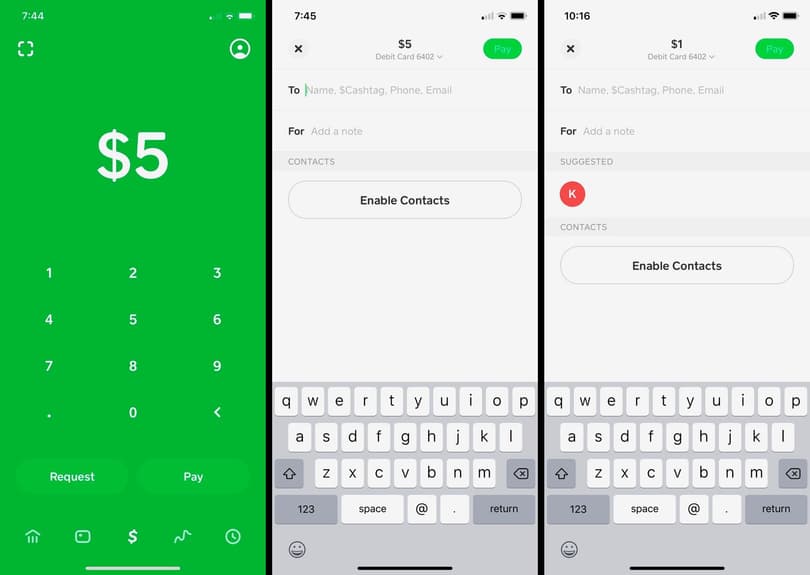
This comprehensive guide will delve into the intricacies of Cash App’s sending and receiving limits, explaining how they vary based on account verification status, exploring the process of increasing these limits, and detailing the restrictions that apply to other popular Cash App features like the Cash Card, Bitcoin, and stock investments. By the end of this article, you’ll have a clear understanding of what you can do with Cash App, empowering you to navigate your financial transactions with confidence and efficiency. We’ll also touch upon best practices to ensure your funds are handled securely and effectively within the Cash App ecosystem.
Navigating Cash App’s Core Sending and Receiving Limits
At the heart of Cash App’s functionality are its peer-to-peer sending and receiving capabilities. These limits are primarily determined by whether your account is “unverified” or “verified,” a distinction that significantly impacts the scope of your financial activities on the platform. Understanding these two tiers is fundamental to maximizing your Cash App experience and avoiding unexpected transaction roadblocks.
Unverified Account Limits: The Starting Point
When you first create a Cash App account, it typically starts as unverified. This means that while you can immediately begin sending and receiving money, your transaction limits will be relatively conservative. These initial limits are in place to ensure a basic level of security and to comply with initial regulatory requirements before more extensive identity checks are performed.
For most unverified users, Cash App imposes a sending limit of $250 within any 7-day period. This means you can send a total of $250 over seven consecutive days, regardless of the number of individual transactions. Similarly, there’s a receiving limit, which for unverified accounts is generally $1,000 within any 30-day period. These limits are suitable for occasional, small-value transactions, such as splitting a lunch bill or sending a small gift. However, for anyone looking to use Cash App for more regular or substantial financial exchanges, these initial restrictions will quickly become apparent and necessitate an upgrade to a verified account.
It’s important to note that these figures represent the typical limits, and Cash App reserves the right to adjust them based on various factors, including user behavior and security assessments. Users should always refer to the most current information available within their Cash App interface or on Cash App’s official support pages for the most accurate and up-to-date figures.
Verified Account Limits: Unlocking Greater Flexibility
The true power and utility of Cash App are unlocked once your account becomes verified. Verification is a crucial step that involves providing Cash App with additional personal information, allowing the platform to confirm your identity. This process is a standard practice across the financial industry, aimed at complying with “Know Your Customer” (KYC) regulations, preventing money laundering, and enhancing overall security for users.
Upon successful verification, your sending and receiving limits dramatically increase, providing significantly more flexibility for your financial transactions. For verified users, the sending limit typically expands to $7,500 per week. This is a substantial jump from the unverified limit, enabling larger transfers for rent, bill payments, or significant purchases. Even more noteworthy is the fact that for verified accounts, there is generally no weekly receiving limit. This means you can receive an unlimited amount of money from others, making Cash App a viable option for direct deposits, freelance payments, or receiving funds from multiple sources without worrying about hitting a ceiling.
The enhanced limits for verified accounts underscore Cash App’s commitment to providing a robust financial tool. This tier of service caters to users who integrate Cash App more deeply into their financial lives, offering the capacity to handle a broader range of personal and even small business transactions.
The Significance of Sending vs. Receiving Limits
While both sending and receiving limits are critical components of Cash App’s operational framework, their distinct implications warrant specific attention. The sending limit, especially for unverified accounts, acts as a bottleneck on how much money you can disburse. This is primarily a fraud prevention measure, as unauthorized outgoing transactions pose the most immediate risk to a user’s funds. By capping outgoing transfers, Cash App can limit potential losses in the event of account compromise.
Conversely, receiving limits, particularly their absence for verified accounts, highlight Cash App’s utility as a comprehensive financial hub. The ability to receive unlimited funds (after verification) positions Cash App as a strong contender for various income streams, from salary payments to funds from selling goods and services. However, it’s crucial for users to remain vigilant even with unlimited receiving. While Cash App protects against unauthorized outgoing transactions, users are still responsible for verifying the legitimacy of incoming funds and being wary of common scams that involve receiving money with requests for subsequent transfers. Always exercise caution and common sense when dealing with unfamiliar senders or unusual requests.
The Verification Process: Your Gateway to Higher Limits
The path to unlocking Cash App’s full potential—higher sending and receiving limits, access to advanced features, and enhanced security—lies in verifying your account. This process is straightforward but requires specific personal information to meet regulatory compliance standards. Understanding why verification is necessary and how to complete it is key to a seamless Cash App experience.
Why Verification is Essential for Financial Security and Compliance
Cash App, like all legitimate financial institutions and service providers, is subject to stringent financial regulations, particularly the Bank Secrecy Act (BSA) and anti-money laundering (AML) laws. These regulations mandate that financial entities collect and verify identity information from their customers (often referred to as “Know Your Customer” or KYC rules). The primary goals are to prevent illicit activities such as money laundering, terrorist financing, and identity theft.
For Cash App users, verification serves several vital purposes:
- Increased Transaction Limits: This is the most immediate benefit, allowing users to send up to $7,500 per week and receive unlimited funds.
- Enhanced Security: By linking your account to a verified identity, Cash App can better detect and prevent fraudulent activities. If your account is compromised, the verification data assists in recovery and protection.
- Access to Advanced Features: Verification is often a prerequisite for accessing features like the Cash Card, Bitcoin buying/selling, and stock investing.
- Dispute Resolution: In cases of disputed transactions or account issues, a verified identity provides a stronger basis for resolving conflicts with Cash App support.
Ultimately, the verification process is a safeguard, not an inconvenience. It ensures the integrity of the financial system and protects individual users from financial crime.
Step-by-Step Guide to Verifying Your Cash App Account
Verifying your Cash App account is a relatively simple process that can be completed directly within the app. If you’ve hit your unverified limits or wish to access features that require verification, Cash App will usually prompt you to begin the process. If not, you can initiate it manually.
Here’s a general outline of the steps:
- Open Cash App: Launch the application on your smartphone.
- Navigate to Profile/Privacy: Tap on the profile icon (usually a circle with your picture or initials) in the top-right corner.
- Scroll to the “Verification” or “Limits” Section: Look for an option related to increasing your limits or verifying your identity. It might be under “Personal” or “Privacy & Security.”
- Initiate Verification: You’ll be prompted to provide additional information.
- Enter Required Details: Cash App will ask for personal identifying information.
- Submit Information: Once all required details are entered, submit them for review.
The review process is usually quick, often completed within minutes, although it can occasionally take longer. Cash App will notify you within the app once your account has been successfully verified.
What Information Does Cash App Require?
To verify your identity, Cash App typically requires the following personal information:
- Full Legal Name: Your first and last name as it appears on official documents.
- Date of Birth (DOB): To confirm you meet the minimum age requirement (typically 18 years old).
- Last 4 Digits of Your Social Security Number (SSN): This is a critical piece of information used to verify your identity against national databases. Cash App uses this solely for verification purposes and does not run a credit check or impact your credit score.
- Home Address: Your current residential address.
In some cases, especially if there are issues verifying your identity with the initial information, Cash App might request additional documentation, such as a photo of your government-issued ID (driver’s license, state ID, passport) or a utility bill to confirm your address. These requests are infrequent but are part of a robust verification process. It is paramount to provide accurate and truthful information, as discrepancies can lead to delays or even account suspension.
Beyond Peer-to-Peer: Exploring Other Cash App Transaction Limits
While peer-to-peer transfers are a core functionality, Cash App has evolved into a multi-faceted financial platform, offering features like the Cash Card, Bitcoin trading, and stock investing. Each of these services comes with its own set of limits, which users must understand to effectively manage their finances within the app.
Cash Card Spending and ATM Withdrawal Limits
The Cash Card is a free, customizable debit card linked directly to your Cash App balance. It allows you to spend funds from your Cash App balance anywhere Visa is accepted, as well as withdraw cash from ATMs. These conveniences come with specific daily and weekly limits.
- Cash Card Spending Limits: Generally, Cash Card users can spend up to $7,000 per transaction, $10,000 per day, and $25,000 per week. These limits are quite generous, accommodating most daily purchases and even larger expenditures. It’s important to remember that these limits apply to transactions using the physical or virtual Cash Card, not to peer-to-peer transfers.
- ATM Withdrawal Limits: For cash access, Cash App imposes more conservative limits on ATM withdrawals. Typically, you can withdraw up to $300 per transaction, $1,000 per day, and $1,000 per week. While convenient for quick cash needs, these limits are designed to deter large-scale cash movements and potential fraud at ATMs. Cash App also charges a small fee for ATM withdrawals unless you have direct deposit set up and meet certain criteria to qualify for free ATM withdrawals.
Understanding these limits is essential for managing your daily spending and cash access, ensuring you don’t encounter unexpected declines when trying to make a purchase or withdrawal.
Bitcoin and Stock Investment Limits on Cash App
Cash App has broadened its appeal by integrating investment features, allowing users to buy, sell, and hold Bitcoin and stocks directly within the app. These investment functionalities also come with specific transaction limits, reflecting the volatile nature of cryptocurrencies and the regulatory framework of securities trading.
- Bitcoin Limits:
- Buying Bitcoin: For verified accounts, Cash App typically allows users to buy up to $100,000 worth of Bitcoin per week. This high limit caters to both casual investors and those looking to make more substantial crypto purchases.
- Selling Bitcoin: The selling limit for Bitcoin is also quite generous, usually matching the buying limit or being similarly high, often around $100,000 per week.
- Withdrawing Bitcoin (to external wallet): Limits for withdrawing Bitcoin from Cash App to an external wallet are often lower for security reasons. Users can typically withdraw up to $5,000 in Bitcoin per 24-hour period, with a rolling weekly limit of $10,000. These limits are designed to protect against large unauthorized transfers.
- Stock Investment Limits: Cash App provides a simplified platform for buying fractional shares of stocks and ETFs. While exact limits can vary based on individual accounts and market conditions, there are typically limits on how much you can invest in stocks per day and per week. These are generally substantial enough for retail investors, often in the tens of thousands of dollars for buying and selling within certain periods. Cash App aims to make stock investing accessible, but also ensures compliance with brokerage regulations.
Users interested in leveraging Cash App for investments should always be aware of the inherent risks of both cryptocurrencies and the stock market, and understand that these limits are in place as part of the platform’s risk management strategy.
Direct Deposit and Cash App Balance Limits
For many users, Cash App serves as a pseudo-bank account, facilitated by its direct deposit feature. This allows users to receive paychecks, government benefits, or tax refunds directly into their Cash App balance.
- Direct Deposit Limits: While there isn’t a strict “limit” on how much you can receive via direct deposit for verified accounts (it falls under the unlimited receiving capacity), there might be internal thresholds that trigger additional review. However, for most regular paychecks, direct deposit functions seamlessly.
- Cash App Balance Limits: Unlike traditional bank accounts which are FDIC insured up to $250,000, funds held in a Cash App balance are generally not FDIC insured. However, Cash App partners with Sutton Bank (for the Cash Card) and Lincoln Savings Bank (for direct deposits) to hold customer funds. While there isn’t an explicit “balance limit” for how much money you can hold in your Cash App account, it’s generally advisable not to store excessively large sums in a non-traditional banking app. For very large balances, the security and insurance benefits of a traditional bank account may be more appropriate. Cash App is best suited for transactional money and smaller savings, not a primary repository for substantial wealth.
Understanding these limits and characteristics helps users decide how best to integrate Cash App into their broader financial strategy, weighing convenience against traditional banking safeguards.
Best Practices for Secure and Efficient Cash App Usage
Maximizing the utility of Cash App goes beyond just understanding its limits; it also involves adopting best practices for security and efficiency. Given the direct link to your money, responsible usage is paramount to safeguarding your funds and ensuring a positive financial experience.
Safeguarding Your Transactions: Tips to Prevent Fraud
While Cash App employs various security measures, users are the first line of defense against fraud. Vigilance and adherence to security best practices are critical.
- Enable Security Locks: Always use a PIN, Touch ID, or Face ID to secure your Cash App account. This prevents unauthorized access if your phone falls into the wrong hands.
- Be Skeptical of Unsolicited Requests: Never send money to someone you don’t know, especially if they claim you’ve won a prize, need to pay a fee to receive funds, or are making an urgent request. Scammers frequently exploit these tactics.
- Double-Check Recipient Details: Before confirming any transaction, meticulously verify the recipient’s $Cashtag, phone number, or email address. Cash App transactions are often instant and irreversible, so a mistake can be costly.
- Beware of “Cash Flipping” Scams: Any offer to “flip” or multiply your money with a small upfront payment is almost certainly a scam.
- Use Strong, Unique Passwords: For any linked accounts (like your bank), ensure you have strong, unique passwords that are not reused elsewhere.
- Monitor Your Account Regularly: Periodically check your transaction history for any unauthorized activity. Report suspicious transactions immediately to Cash App support.
- Avoid Public Wi-Fi for Sensitive Transactions: Public Wi-Fi networks can be unsecured, making your data vulnerable. Conduct financial transactions on secure, private networks.
- Cash App Support Is Your Friend: If you suspect fraud or have security concerns, contact Cash App Support directly through the app or their official website. Do not trust third-party “support” numbers found online.
By adopting these habits, you significantly reduce your risk of falling victim to scams and help maintain the security of your financial data.
Maximizing Your Cash App Experience: A Strategic Approach
To truly get the most out of Cash App, consider how it fits into your broader financial ecosystem.
- Link the Right Accounts: Connect your primary bank account for seamless transfers in and out of Cash App. Be mindful of debit card vs. bank account transfer fees.
- Utilize Direct Deposit: For regular income, direct deposit can make Cash App a convenient hub, potentially unlocking free ATM withdrawals.
- Leverage Boosts: The Cash Card offers “Boosts” – instant discounts at specific merchants. Actively check and apply relevant Boosts to save money on everyday purchases.
- Understand Investment Features: If you’re interested in Bitcoin or stocks, start small, educate yourself on the markets, and use Cash App’s simple interface to dip your toes in. Don’t invest more than you can afford to lose.
- Organize Your Contacts: For frequent peer-to-peer transactions, ensure your Cash App contacts are well-organized and verified to prevent sending money to the wrong person.
A strategic approach turns Cash App from a simple payment tool into a powerful component of your personal financial management, aligning its features with your specific needs.
When to Consider Alternative Financial Tools
While Cash App is incredibly versatile, it’s not a one-size-fits-all solution, and understanding its limitations compared to traditional banks or other financial tools is crucial.
- Large Sums and Long-Term Savings: For very large sums of money, long-term savings, or significant investments, traditional bank accounts and brokerage firms offer FDIC insurance (for banks), a broader range of investment products, and more robust customer service and legal protections. Cash App is better suited for transactional funds and smaller, accessible savings.
- Complex Financial Services: If you need services like mortgages, extensive loan options, or detailed financial planning, traditional banks or specialized financial advisors are the appropriate choice. Cash App’s offerings are streamlined for simplicity.
- International Transfers: While Cash App supports sending money to the UK, for broader international remittances, dedicated services like Wise (formerly TransferWise) or Remitly often offer better exchange rates and lower fees.
- Business Banking: For growing businesses, a dedicated business bank account offers features like invoicing, multiple user access, and compliance tools that Cash App, primarily designed for personal use, lacks. While some small businesses use Cash App, it’s not a substitute for comprehensive business banking.
By recognizing when Cash App excels and when other tools might be more suitable, you can make informed decisions that optimize your financial workflow and secure your assets.
Conclusion: Mastering Your Financial Flow with Cash App
Cash App has firmly established itself as a leading financial tool, offering unparalleled convenience for sending, receiving, and managing money. However, like any powerful instrument, its effective use hinges on a clear understanding of its operational parameters. The core message is clear: verification is the key to unlocking Cash App’s full potential, dramatically increasing your sending and receiving capacities, and granting access to its expanding suite of features like the Cash Card, Bitcoin, and stock investments.
By grasping the nuances of unverified versus verified account limits, navigating the straightforward verification process, and being aware of the specific limits tied to each of Cash App’s diverse functionalities, users can avoid common pitfalls and optimize their experience. Furthermore, embracing best practices for security—from enabling security locks to exercising extreme caution against scams—is not just advisable, but essential to protect your financial well-being.
Cash App is a fantastic resource for modern personal finance, facilitating quick transactions and offering accessible investment avenues. By treating it as a valuable part of your broader financial strategy and understanding both its capabilities and its limitations, you can confidently integrate it into your daily life, ensuring smooth, secure, and efficient management of your funds.
aViewFromTheCave is a participant in the Amazon Services LLC Associates Program, an affiliate advertising program designed to provide a means for sites to earn advertising fees by advertising and linking to Amazon.com. Amazon, the Amazon logo, AmazonSupply, and the AmazonSupply logo are trademarks of Amazon.com, Inc. or its affiliates. As an Amazon Associate we earn affiliate commissions from qualifying purchases.