
In an increasingly digital financial landscape, peer-to-peer payment applications like Cash App have become indispensable tools for managing personal finances. Offering convenience for sending, receiving, and even investing money, Cash App has revolutionized how many individuals handle their daily transactions. However, a common question often arises among users, particularly when liquidity is paramount: “How much does Cash App charge to cash out?” Understanding the fee structure associated with withdrawing funds from your Cash App balance is crucial for effective financial planning and avoiding unexpected costs. This comprehensive guide delves into the various methods of cashing out, their associated fees, and strategies to optimize your financial experience with Cash App.

Understanding Cash App’s Core Withdrawal Options and Fees
Cash App provides users with several avenues to access their funds, each with its own set of rules and fee implications. The primary distinction lies between standard deposits, instant deposits, and utilizing the Cash Card for direct spending or ATM withdrawals.
Standard Deposits: The Free and Patient Route
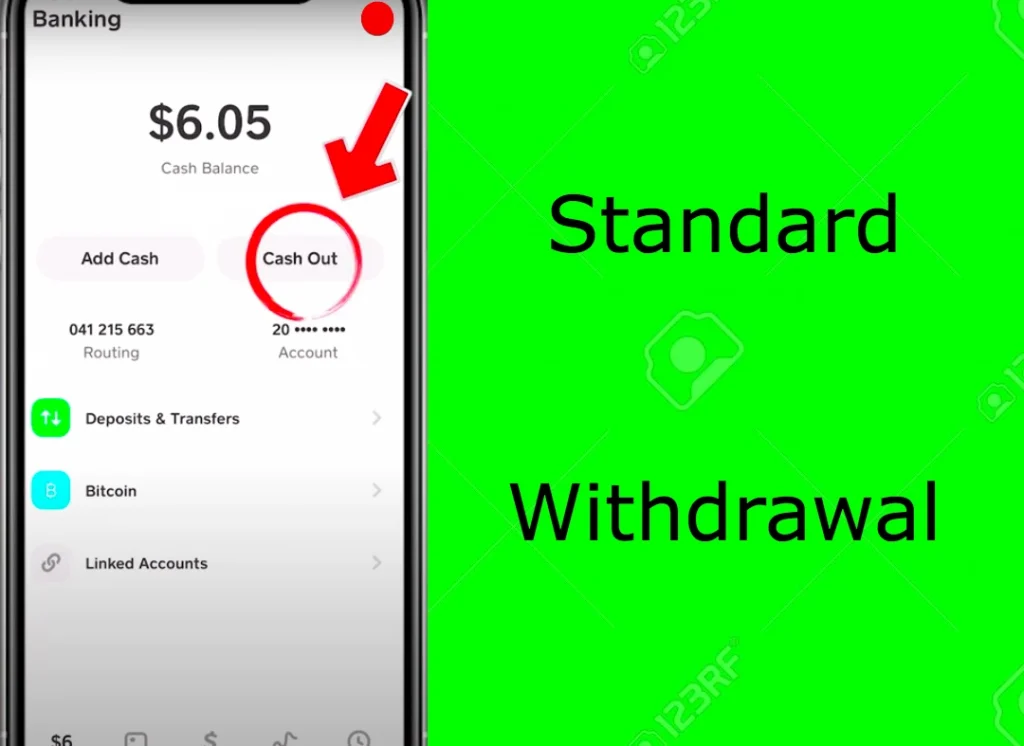
The most common and cost-effective way to transfer funds from your Cash App balance to your linked bank account is through a standard deposit. This method is entirely free, meaning Cash App imposes no fees for this type of transaction. The trade-off for this zero-cost option is time. Standard deposits typically take 1-3 business days to process and for the funds to appear in your external bank account. This duration can vary depending on your bank’s processing times and whether the transaction occurs on a weekday or during a weekend/holiday. For users who can plan their financial needs in advance and are not in immediate need of funds, the standard deposit is the most financially prudent choice. It underscores Cash App’s commitment to providing a free basic service for everyday financial interactions, aligning with the principles of accessible personal finance.
Instant Deposits: Paying for Speed
When time is of the essence, Cash App offers an instant deposit option. As the name suggests, this feature allows you to transfer funds to your linked bank account almost immediately, often within minutes. This speed, however, comes at a price. Cash App charges a fee for instant deposits, typically 0.5% to 1.75% of the transaction amount, with a minimum fee of $0.25. The exact percentage can sometimes vary based on factors like the amount being transferred or promotional periods, though 0.5% to 1.75% is the standard range.
For example, if you’re cashing out $100 instantly, you might pay between $0.50 and $1.75. While this fee might seem small for individual transactions, it can accumulate over time if instant deposits are your primary method of withdrawing funds. Users often opt for instant deposits in situations requiring immediate access to cash, such as unexpected expenses, urgent bill payments, or time-sensitive transfers. From a personal finance perspective, it’s essential to weigh the convenience of instant access against the cost incurred, especially for recurring transfers. Understanding this fee is crucial for budgeting and preventing erosion of your principal funds.
The Cost of ATM Withdrawals with Cash Card
The Cash Card, a customizable debit card linked directly to your Cash App balance, offers another way to cash out your funds. You can use the Cash Card for purchases at point-of-sale terminals or to withdraw cash from ATMs. Using the Cash Card for purchases is generally free of charge, functioning much like any standard debit card.
However, ATM withdrawals can incur fees. While Cash App itself does not charge a fee for ATM withdrawals for Cash Card users who have set up direct deposit, there are conditions. If you receive at least $300 in direct deposits into your Cash App account each month, Cash App will refund the ATM fees charged by the ATM operator. Without this direct deposit qualification, Cash App charges a $2.50 fee per ATM withdrawal, in addition to any fees imposed by the ATM owner. Therefore, a single ATM withdrawal could cost you upwards of $5-$8, considering both Cash App’s fee and the ATM operator’s fee. This makes ATM withdrawals a potentially expensive option if not managed strategically, emphasizing the importance of utilizing direct deposit features to mitigate costs.
Unpacking Fees for Specialized Transactions
Beyond standard bank transfers, Cash App supports other financial activities that involve cashing out, each with its own fee structure. These include converting Bitcoin back to fiat currency and understanding the costs associated with newer features like paper money deposits.
Cashing Out Bitcoin: Fees and Fluctuations
Cash App has emerged as a popular platform for buying and selling Bitcoin. When you decide to convert your Bitcoin holdings back into USD and cash out, there are two layers of potential costs and considerations. First, Cash App charges a service fee for buying and selling Bitcoin, which is typically a percentage of the transaction amount. This fee can fluctuate based on market volatility and order size, but it’s generally transparently displayed before you confirm a transaction.
Second, beyond the conversion fee, once your Bitcoin is converted into USD and added to your Cash App balance, you will then be subject to the standard cash-out fees (standard free deposit or instant deposit fee) if you wish to transfer those funds to your linked bank account. It’s crucial for users engaged in cryptocurrency to understand both the conversion fees and the subsequent cash-out fees, as well as the inherent market risks and price fluctuations of Bitcoin itself. Financial savvy in this area involves monitoring Bitcoin prices and strategizing the timing of both conversion and cash-out to maximize returns and minimize fee impact.
Direct Deposits: A Cost-Effective Solution
While not a “cash out” method in itself, setting up direct deposit with Cash App can significantly reduce your costs when you do need to cash out. As mentioned, receiving regular direct deposits of $300 or more per month waives Cash App’s $2.50 ATM withdrawal fee. This means you only have to contend with fees charged by the ATM owner, and for many users, this can lead to substantial savings over time.
For individuals who use Cash App as their primary banking alternative or for receiving salaries/benefits, leveraging the direct deposit feature makes using the Cash Card for cash access much more economical. It transforms Cash App into a more fully-fledged financial tool, integrating seamlessly with your income stream and minimizing ancillary costs, thereby enhancing your overall financial health within the platform.
Paper Money Deposits: A Recent Addition and Its Costs
Cash App has recently expanded its functionality to include depositing paper money at participating retailers. This feature allows users to convert physical cash into their digital Cash App balance. While this is a “cash in” rather than “cash out” mechanism, understanding its implications is relevant because it affects the total funds available for withdrawal.
When depositing paper money, participating retailers (such as Dollar General or Walmart) may charge a fee for this service, typically a fixed amount like $1 or a small percentage of the deposit. This fee is distinct from Cash App’s charges and is levied by the third-party store for processing the physical cash. Once the money is in your Cash App balance, it then becomes subject to the standard cash-out fees (free standard deposit or instant deposit fee) if you choose to transfer it to your bank account. Therefore, while offering convenience, users must factor in the deposit fee when considering the total cost of bringing physical cash into their digital wallet and eventually cashing it out.
Strategies to Minimize or Avoid Cash Out Fees
Proactive management of your Cash App funds can significantly reduce the fees you incur when cashing out, helping you retain more of your hard-earned money.
Leveraging Standard Deposits
The simplest and most effective strategy to avoid cash-out fees is to consistently use the standard deposit option. By planning your financial needs a few days in advance, you can ensure your funds arrive in your bank account without any charges. This requires a bit of foresight, but the savings are absolute. For routine transfers, such as moving spare funds to a savings account or funding an external investment platform, standard deposits are the go-to choice. Integrating this habit into your personal finance routine can lead to substantial long-term savings.
Utilizing Your Cash Card for Purchases
Instead of frequently cashing out funds to your bank account, consider using your Cash Card directly for everyday purchases. The Cash Card functions like a debit card and can be used anywhere Visa is accepted, online or in physical stores. This method effectively “cashes out” your funds by directly spending them from your Cash App balance, bypassing any transfer fees to your bank account. This is particularly useful for small, frequent expenses, and it keeps your money within the Cash App ecosystem until it’s spent, making it a very efficient way to utilize your balance without incurring fees.
Planning Your Withdrawals Strategically
For instances where you absolutely need physical cash, careful planning can mitigate ATM fees. As previously discussed, setting up direct deposit of $300 or more per month with Cash App will waive Cash App’s $2.50 ATM fee. This means you only pay the fee charged by the ATM owner. If direct deposit isn’t an option, try to limit the frequency of ATM withdrawals by taking out larger sums less often, or explore alternative methods to get cash, such as making a purchase at a store and requesting cashback, if available. Understanding your monthly financial needs and coordinating withdrawals can lead to smarter, less costly access to your cash.
Beyond Fees: Factors Influencing Your Cash App Experience
While fees are a primary concern, other operational aspects of Cash App also impact your financial management and should be understood for a holistic view of cashing out.
Daily and Weekly Withdrawal Limits
Cash App imposes certain limits on how much money you can send, receive, and withdraw. These limits are in place for security reasons and to comply with financial regulations. For ATM withdrawals with the Cash Card, there are typically daily, weekly, and monthly limits. For example, you might be limited to withdrawing $310 per transaction, $1,000 per day, and $1,000 per week from an ATM. For direct transfers to your bank, there are also limits, though they are usually higher than ATM limits. Understanding these caps is vital for planning large transactions or when you need to access significant amounts of cash, ensuring your financial plans align with the platform’s operational boundaries.
Security Measures and Fund Protection
Cash App employs various security measures to protect your funds and personal information, including encryption, fraud detection technology, and account monitoring. While these measures are robust, users also play a critical role in securing their accounts. Using strong, unique passwords, enabling two-factor authentication, and being wary of phishing scams are essential practices. In the context of cashing out, ensuring your linked bank account details are accurate and current helps prevent funds from being misdirected. While Cash App is generally considered secure, understanding the shared responsibility in protecting your financial assets is paramount, especially when handling transfers.
The Convenience vs. Cost Trade-off
Ultimately, the choice of how to cash out from Cash App often boils down to a fundamental financial trade-off: convenience versus cost. Instant deposits offer immediate access at a small fee, while standard deposits are free but require patience. ATM withdrawals provide physical cash but can be expensive without direct deposit. Leveraging the Cash Card for purchases is free and immediate. Each option caters to different financial needs and urgency levels. Astute financial management with Cash App involves consciously evaluating this trade-off for each transaction, choosing the method that best aligns with your immediate needs and long-term financial goals. This perspective encourages users to be deliberate in their actions rather than defaulting to the easiest, potentially costlier, option.
Making Informed Decisions with Cash App
Navigating the nuances of Cash App’s fee structure for cashing out requires awareness and strategic planning. By understanding the costs associated with instant transfers, ATM withdrawals, and specialized transactions like Bitcoin conversion, users can make more informed financial decisions that align with their personal finance objectives.
Reviewing Cash App’s Terms of Service
The information regarding fees, limits, and operational procedures for Cash App is subject to change. It is always advisable for users to regularly review Cash App’s official terms of service and FAQ sections. This ensures you have the most up-to-date information regarding any fee adjustments or new features that might impact your ability to cash out. Staying informed is a cornerstone of responsible financial management with any digital platform.

Comparing Cash App to Other Financial Tools
While Cash App offers significant convenience and a range of financial services, it’s beneficial to compare its offerings and fee structures with other digital payment platforms, traditional banks, or online financial tools. Different platforms may cater better to specific needs – perhaps lower fees for international transfers, higher daily limits for large transactions, or more robust investment features. A holistic approach to personal finance involves evaluating which tools best serve your comprehensive financial requirements, allowing you to choose the most efficient and cost-effective methods for managing and accessing your money.
In conclusion, Cash App provides flexible options for cashing out, ranging from free standard transfers to fee-based instant access and ATM withdrawals. By understanding these options, leveraging features like direct deposit, and making strategic choices, users can effectively manage their funds, minimize costs, and maximize the utility of this powerful financial tool.
aViewFromTheCave is a participant in the Amazon Services LLC Associates Program, an affiliate advertising program designed to provide a means for sites to earn advertising fees by advertising and linking to Amazon.com. Amazon, the Amazon logo, AmazonSupply, and the AmazonSupply logo are trademarks of Amazon.com, Inc. or its affiliates. As an Amazon Associate we earn affiliate commissions from qualifying purchases.