
Cash App has become an indispensable financial tool for millions, streamlining the way we send, receive, and manage money. From splitting dinner bills with friends to paying freelancers or receiving funds for a side hustle, its convenience is undeniable. However, like all financial services, Cash App operates within specific parameters, particularly concerning how much money you can send and receive. Understanding these transaction limits is not just about avoiding frustration; it’s a critical aspect of effective personal financial management, ensuring smooth transactions, and leveraging the platform safely and efficiently.
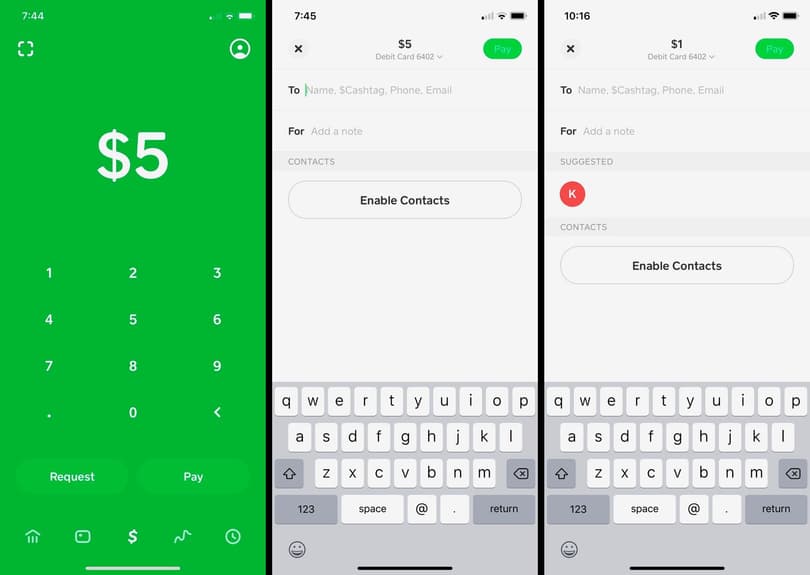
This article delves into the nuances of Cash App’s sending and receiving limits, exploring the factors that influence them, the steps you can take to expand your transaction capabilities, and the underlying reasons for these financial safeguards. Whether you’re a new user or a long-time patron looking to maximize your Cash App experience, a clear grasp of its financial thresholds is paramount for smart money movement.
Navigating Cash App’s Standard Transaction Limits
When you first sign up for Cash App, your account comes with inherent transaction limits. These default caps are designed to protect both users and the platform from potential fraud and to comply with financial regulations. Understanding these initial limits is the first step in effectively utilizing the app for your financial needs.
Initial Sending and Receiving Caps for Unverified Accounts
Upon creating a new Cash App account, users typically encounter a set of standard limits that apply until their identity is verified. While specific figures can fluctuate based on Cash App’s policies and regional regulations, common initial limits are often structured as follows:
- Sending Limit: A relatively modest amount, often around $250 within any 7-day period. This cap ensures that new, unverified accounts cannot be used for large-scale fraudulent transactions immediately after creation.
- Receiving Limit: Similarly, unverified accounts might have a receiving limit, often in the ballpark of $1,000 within any 30-day period. This limit helps prevent new accounts from being used to quickly funnel large sums of illicit funds.
These initial limits are fundamental to Cash App’s security infrastructure. They act as a provisional safeguard, allowing users to test the platform’s core functionalities for smaller, everyday transactions while encouraging a more secure, verified usage for larger financial movements. For most casual users, these limits might suffice initially, but for anyone looking to use Cash App more extensively, verification becomes essential.
The Rationale Behind Default Financial Limits
The imposition of default transaction limits by financial technology platforms like Cash App is not arbitrary; it’s a strategic decision rooted in several critical objectives:
- Fraud Prevention: Limits significantly reduce the potential damage from unauthorized access or fraudulent activities. If an unverified account is compromised, the amount of money that can be illicitly sent or received is constrained, limiting financial losses. This protects individual users and the broader financial ecosystem.
- Regulatory Compliance (AML/KYC): Financial institutions, including Cash App, are subject to stringent Anti-Money Laundering (AML) and Know Your Customer (KYC) regulations. These laws require platforms to monitor transactions and identify users to prevent illegal activities like money laundering and terrorist financing. Default limits on unverified accounts align with these regulations by placing restrictions on anonymous or unconfirmed financial flows.
- Risk Management: For Cash App itself, managing risk is crucial. Allowing unlimited transactions from unverified users could expose the company to significant financial liabilities and reputational damage. Limits are a proactive measure to mitigate these risks.
- Staged User Onboarding: Limits encourage users to progress through a verification process, gradually increasing their access and capabilities as their identity and trustworthiness are established. This creates a more secure and reliable user base over time.
In essence, these default limits serve as a foundational layer of security and compliance, ensuring that Cash App remains a safe and regulated environment for financial transactions. For users, understanding this rationale can help demystify why these initial restrictions are in place and underscore the importance of full account verification.
Increasing Your Cash App Sending and Receiving Limits
For many users, the standard limits imposed on unverified Cash App accounts quickly become restrictive. Whether you’re planning a significant payment, managing larger inflows from a side gig, or simply wish to use the platform without constantly hitting a ceiling, increasing your limits is a straightforward and beneficial process. This involves verifying your identity, a common practice across almost all reputable financial services.
The Verification Process: What You Need
Cash App’s identity verification process is designed to be user-friendly, yet thorough. It requires specific personal information to confirm that you are who you say you are, thereby complying with federal regulations and enhancing the security of your account. To successfully verify your account and unlock higher limits, you will typically need to provide the following:
- Your Full Legal Name: This must match the name on your official identification documents.
- Your Date of Birth: To confirm you meet the minimum age requirement for using Cash App (typically 18 years old).
- The Last Four Digits of Your Social Security Number (SSN): This is a crucial piece of information for identity verification in the United States, allowing Cash App to cross-reference with official databases. Some users may be asked for their full SSN, though this is less common for initial verification.
- Your Residential Address: To establish your physical location, another key component for KYC compliance.
In some cases, Cash App might request additional information, such as a photo of a government-issued ID (like a driver’s license or passport), especially if the initial verification using the provided details is inconclusive. Providing accurate and consistent information is critical to a smooth verification process. Any discrepancies can lead to delays or rejection.
Step-by-Step Guide to Verification
The process of verifying your identity on Cash App is typically initiated from within the app itself. Here’s a general guide to how it works:
- Access Your Profile: Open the Cash App and tap on your profile icon (usually a circle with your picture or initials) in the top-right corner.
- Navigate to Personal Information: Scroll down and locate the “Personal” or “Profile” section.
- Initiate Verification: You’ll usually see an option related to “Verify Identity” or “Increase Limits.” Tap on this option.
- Enter Required Details: The app will prompt you to enter your full legal name, date of birth, the last four digits of your SSN, and your residential address.
- Review and Submit: Double-check all the information for accuracy before submitting.
- Await Confirmation: Cash App will process your information. This usually happens within a few minutes, but in some cases, it might take up to 24-48 hours. You’ll receive a notification within the app once your identity has been successfully verified.
Once verified, your transaction limits will automatically be updated, and you’ll gain access to a wider array of Cash App features. If your verification is rejected, Cash App usually provides a reason, allowing you to correct any errors and resubmit your information.
The Benefits of a Verified Account
Beyond simply increasing your transaction limits, verifying your Cash App account unlocks a host of additional benefits that enhance your overall financial experience on the platform:
- Significantly Higher Transaction Limits: This is the primary incentive. Verified users can typically send up to $7,500 per week and often have an unlimited monthly sending capacity. Receiving limits are often removed entirely for verified accounts, allowing for much greater financial flexibility.
- Access to the Cash Card: Verification is usually a prerequisite for ordering and activating the Cash Card, a customizable debit card linked to your Cash App balance. This card allows you to make purchases in stores and online, and withdraw cash from ATMs.
- Bitcoin Transactions: For users interested in cryptocurrency, verification is mandatory to buy, sell, and send Bitcoin through Cash App. This opens up an avenue for digital asset management directly within the app.
- Stock Investing: Cash App offers the ability to buy and sell stocks, but this feature is also restricted to verified users, further expanding its utility as a comprehensive financial tool.
- Enhanced Security: While default limits offer some protection, a verified account is inherently more secure. It allows Cash App to better monitor for suspicious activity, and in cases of fraud, provides a clear identity to facilitate recovery processes.
- Eligibility for “Boosts”: Cash Card “Boosts” offer instant discounts at various merchants when you use your Cash Card. These popular savings opportunities are typically exclusive to verified Cash Card users.
In essence, a verified Cash App account transforms the platform from a basic peer-to-peer payment service into a much more robust personal finance hub, offering greater financial freedom and a broader range of investment and spending tools.
Exploring Enhanced Limits for Verified Users
Once your identity is verified on Cash App, the restrictions that once confined your transactions are largely lifted, opening up a new realm of financial flexibility. Understanding these enhanced limits is crucial for users who rely on Cash App for substantial personal or business-related financial movements.
Unlocking Higher Transaction Ceilings
For verified users, the standard weekly sending limit typically increases dramatically. While specific numbers can vary over time and by individual account usage patterns, a common verified sending limit is often set around $7,500 per week. Perhaps even more impactful, the monthly sending limit is often removed entirely, allowing for unlimited transactions over a 30-day period once the weekly cap is met. On the receiving side, most verified accounts enjoy unlimited receiving capabilities, removing any ceiling on the funds they can take in each month.
These significantly higher limits cater to a broad spectrum of financial needs, from covering large one-time expenses to managing regular, substantial income or payments. This level of flexibility is comparable to what one might expect from traditional banking services, making Cash App a viable alternative for many everyday financial operations. However, it’s important to remember that these higher limits are contingent on continued compliance with Cash App’s terms of service and responsible usage.
Specifics for Bitcoin Transactions
For those who venture into the world of cryptocurrency, Cash App provides an integrated platform for buying, selling, and sending Bitcoin. However, these transactions often come with their own distinct set of limits, separate from fiat currency transfers, even for verified users. This is primarily due to the volatile nature of cryptocurrency markets and the unique regulatory requirements surrounding digital assets.
- Bitcoin Purchase Limits: Verified users typically have limits on how much Bitcoin they can purchase within a specific timeframe (e.g., $10,000 to $25,000 per week). These limits can vary and are often subject to market conditions and Cash App’s discretion.
- Bitcoin Selling Limits: Selling Bitcoin also usually has weekly limits, often mirroring the purchase limits, though they can sometimes be more flexible.
- Bitcoin Withdrawal/Deposit Limits: Moving Bitcoin in or out of your Cash App wallet to an external wallet may also incur specific daily or weekly limits.
These Bitcoin-specific limits are designed to manage risk associated with cryptocurrency fluctuations and to ensure compliance with emerging crypto regulations. Users should always check the most current limits within the Cash App’s Bitcoin section before planning large crypto transactions.
Cash Card and ATM Withdrawal Limits
The Cash Card, a Visa debit card linked to your Cash App balance, provides another layer of financial functionality, enabling purchases and ATM withdrawals. These features also come with their own set of limits, distinct from peer-to-peer sending and receiving.
- Cash Card Spending Limits: Typically, verified Cash Card users can spend a substantial amount, often around $7,000 to $10,000 per transaction and/or per day, with weekly limits sometimes reaching $25,000. These limits are generous enough for most retail and online purchases.
- ATM Withdrawal Limits: For cash access, ATM withdrawals usually have more conservative limits. A common limit is around $300 to $500 per transaction, with daily limits often capped at $1,000 and weekly limits around $1,500. These limits are in place due to the inherent risks of cash transactions and to deter large-scale cash-outs that could be associated with illicit activities.
It’s crucial for users to distinguish between these different types of limits. Sending money to another Cash App user, buying Bitcoin, spending with the Cash Card, and withdrawing from an ATM each operate under their own specific caps, all of which are significantly higher for verified accounts.
Strategies for Managing Large Transactions on Cash App
Even with increased limits for verified accounts, effectively managing large sums of money through Cash App requires strategic planning and an understanding of how the platform operates. Personal finance is about more than just having access; it’s about smart utilization.
Planning Ahead for Significant Payments
If you anticipate needing to send or receive a sum close to or exceeding your current limits, foresight is key.
- Verify Early: If you haven’t already, prioritize verifying your account well in advance of any major transaction. The verification process, while usually quick, can occasionally take time, and you don’t want delays when you need to make a critical payment.
- Communicate with Recipients/Senders: Inform the other party about your limits, especially if they are also using Cash App. It might be necessary to break a large payment into several smaller transactions spread over multiple days or weeks, depending on your weekly rolling limits.
- Consider Timing: Be aware of the rolling nature of Cash App’s weekly limits. If your limit resets on a Monday, planning a large payment for that day gives you the full weekly allowance.
- Monitor Your Usage: Keep an eye on your sending and receiving history within the app to track how close you are to your current limits.
Understanding Rolling Limits and Timeframes
Cash App’s weekly limits are typically “rolling,” meaning they reset seven days after a transaction, not on a fixed day of the week. For example, if you send $1,000 on a Tuesday, that $1,000 counts towards your weekly limit until the following Tuesday. This rolling window means you need to track your transactions over a seven-day period from the time of each payment. Similarly, monthly limits, if applicable to certain features, would operate on a 30-day rolling window. Being mindful of these timeframes prevents unexpected blocks on your transactions.
When to Consider Alternative Payment Methods
While Cash App is incredibly convenient, it may not always be the optimal solution for exceptionally large transactions. For sums that vastly exceed even verified limits, or for critical business transactions where robust legal protections are paramount, alternative methods might be more suitable:
- Bank Transfers (Wire Transfers/ACH): For very large sums, traditional bank wire transfers or ACH transfers offer higher limits, detailed transaction records, and established legal recourse, though they might incur fees and take longer.
- Certified Checks/Cashier’s Checks: For significant one-time payments (e.g., down payment on a car or property), these methods provide a secure, guaranteed form of payment.
- Escrow Services: For complex transactions involving assets or services, an escrow service provides an impartial third party to hold funds until all conditions are met, offering protection to both buyer and seller.
- Other Payment Apps with Higher Limits: Some other peer-to-peer payment platforms or business-focused services might cater to higher transaction volumes, although they will also require verification.
Choosing the right payment method depends on the amount, urgency, security requirements, and the relationship with the other party. Cash App excels at everyday, moderate-to-large transactions, but for truly extraordinary financial movements, it’s wise to explore options designed for that scale.
Security and Compliance: Why Limits Matter
Beyond user convenience, transaction limits on platforms like Cash App serve a foundational role in maintaining financial security and adhering to regulatory mandates. These aren’t arbitrary hurdles; they are vital components of a responsible financial ecosystem.
Protecting Users from Fraud
One of the primary benefits of transaction limits is their effectiveness in mitigating financial fraud.
- Limiting Exposure in Case of Compromise: If an unauthorized individual gains access to your Cash App account, transaction limits restrict the amount of money they can steal or send out. This acts as a circuit breaker, minimizing potential financial damage before the fraud is detected and addressed.
- Deterring Scammers: Lower limits on unverified accounts make them less attractive targets for large-scale scam operations. Scammers often seek platforms that allow for quick, untraceable movements of large sums, which Cash App’s limits help prevent.
- Enabling Faster Response: By keeping transaction sizes manageable, it’s often easier for Cash App’s fraud detection systems to flag unusual activity and for customer support to investigate and potentially reverse fraudulent transactions before they become too complex or widespread.
These protective measures are fundamental to building and maintaining user trust in digital payment platforms.
Adherence to Regulatory Standards (AML, KYC)
Financial institutions worldwide are obligated to comply with strict Anti-Money Laundering (AML) and Know Your Customer (KYC) regulations. These legal frameworks are designed to prevent illicit financial activities, such as:
- Money Laundering: The process of disguising the origins of illegally obtained money.
- Terrorist Financing: Providing financial support to terrorist organizations or activities.
- Sanctions Evasion: Bypassing government-imposed economic sanctions.
Cash App, as a financial service provider, must implement robust measures to identify its users and monitor their transactions. Transaction limits are a key part of this strategy:
- Identity Verification (KYC): By requiring users to verify their identity to access higher limits, Cash App gathers necessary personal data to comply with KYC laws. This data allows them to screen users against watchlists and verify their legitimacy.
- Transaction Monitoring (AML): Limits, combined with identity data, enable Cash App to effectively monitor transaction patterns. Large or unusual transactions, especially from unverified accounts, trigger alerts that can be investigated for suspicious activity, thus fulfilling AML obligations.
- Reporting Requirements: Financial institutions are required to report suspicious transactions and large cash movements to regulatory bodies. Limits help define what constitutes a “large” transaction that warrants closer scrutiny or reporting.
Impact on Personal Financial Safety
For the individual user, understanding and respecting Cash App’s limits contributes significantly to personal financial safety.
- Informed Decision-Making: Knowing your limits allows you to make informed decisions about how and when to use Cash App, preventing unexpected transaction failures.
- Reduced Risk of Over-Reliance: It encourages users to diversify their financial tools, recognizing that no single platform is suitable for all financial needs, especially for extremely large sums.
- Promotes Financial Responsibility: Awareness of limits fosters a sense of financial responsibility, prompting users to consider the security implications of their transactions and to keep their account information protected.
Ultimately, transaction limits are not just operational details; they are a cornerstone of financial security and regulatory integrity, contributing to a safer and more trustworthy digital payments environment for everyone.

Conclusion
Understanding “how much you can send through Cash App” is far more than knowing a simple numerical cap; it’s about grasping the mechanics of a critical financial tool, appreciating the underlying security protocols, and managing your personal finances effectively. From the initial default limits designed for security and compliance to the significantly enhanced capabilities unlocked through identity verification, Cash App offers a flexible platform for a wide range of financial transactions.
For most users, verifying their account will be the key to unlocking the full potential of Cash App, providing higher sending and receiving limits, access to the Cash Card, Bitcoin transactions, and stock investing. However, even with these expanded limits, strategic planning and an awareness of rolling limits, as well as distinct caps for features like Bitcoin and ATM withdrawals, remain essential for seamless money movement.
By taking the time to understand these parameters, you empower yourself to use Cash App with greater confidence, efficiency, and security, making it a truly valuable asset in your personal finance toolkit. Always prioritize verifying your identity for maximum flexibility and security, and remember to consider alternative methods for exceptionally large or complex financial dealings where traditional banking services might offer specific advantages. Cash App continues to evolve, but a solid grasp of its fundamental limits will always serve as a strong foundation for smart digital financial management.
aViewFromTheCave is a participant in the Amazon Services LLC Associates Program, an affiliate advertising program designed to provide a means for sites to earn advertising fees by advertising and linking to Amazon.com. Amazon, the Amazon logo, AmazonSupply, and the AmazonSupply logo are trademarks of Amazon.com, Inc. or its affiliates. As an Amazon Associate we earn affiliate commissions from qualifying purchases.