
In an increasingly digital world, financial transactions have evolved far beyond physical cash and traditional banking. Peer-to-peer payment applications like Cash App have become indispensable tools for managing personal finances, facilitating quick transfers, and even engaging with the burgeoning cryptocurrency market. However, with such powerful financial instruments comes the crucial question of accessibility, particularly concerning age restrictions. Understanding the age requirements for Cash App is not merely about ticking a box; it’s about comprehending the financial responsibilities, legal implications, and opportunities for financial education that come with using such a platform. This exploration delves into Cash App’s age policies, the rationale behind them, and how they shape the landscape of personal finance for both adults and younger generations.

The Baseline: Understanding Cash App’s Core Age Requirement
At its foundation, Cash App, like most financial service providers, operates under specific legal and regulatory frameworks designed to protect both the service and its users. The primary age requirement has traditionally been clear-cut, aligning with the age of majority in most jurisdictions.
Why 18? The Legal and Financial Underpinnings
The default age requirement of 18 years for full Cash App account access is deeply rooted in established financial and legal principles. In many parts of the world, 18 is considered the age of majority, meaning an individual is legally recognized as an adult. This designation carries significant implications for financial contracts and obligations. At 18, individuals are legally empowered to:
- Enter into contracts: This includes terms of service agreements with financial institutions, making them solely responsible for their financial decisions and liabilities. Minors, generally, cannot legally enter into binding contracts, which would complicate dispute resolution and accountability on a financial platform.
- Manage their own finances: Adults are expected to have the maturity and judgment to handle their money, understand the risks associated with financial transactions, and adhere to regulatory compliance, such as Know Your Customer (KYC) and Anti-Money Laundering (AML) laws. Cash App, as a regulated financial service, must verify the identity of its users, a process that is more straightforward and legally sound with adults.
- Assume financial liability: If an account incurs debt, faces fraud, or becomes involved in illicit activities, an adult user is legally accountable. Extending full financial services to minors without adult oversight would introduce significant legal complexities and risks for both the platform and the minor.
This baseline ensures that users accessing the full suite of Cash App features—including direct deposit, Bitcoin trading, stock investing, and obtaining a Cash Card—possess the legal capacity and assumed financial acumen to navigate these functionalities responsibly. It’s a protective measure, safeguarding the individual from potential financial pitfalls they may not yet be equipped to handle independently.
The Traditional Adult Account: Full Features and Autonomy
For users aged 18 and over, a Cash App account offers a comprehensive array of personal finance tools, granting a high degree of autonomy. Once verified, adult users can:
- Send and receive money: The core functionality for peer-to-peer transactions.
- Direct Deposit: Receive paychecks, unemployment benefits, or tax refunds directly into their Cash App balance, effectively using it as a primary or secondary bank account.
- Cash Card: Order a customizable, free debit card linked to their Cash App balance, allowing them to spend funds anywhere Visa is accepted, withdraw cash from ATMs, and access discounts with “Boosts.”
- Investing: Buy and sell stocks with as little as $1 and trade Bitcoin, providing accessible entry points into wealth management and digital asset engagement.
- Borrowing: Access small loans directly through the app, subject to eligibility.
- Tax Filing: In some cases, utilize Cash App Tax for convenient tax preparation.
This full spectrum of features positions Cash App as a powerful financial hub, offering convenience and flexibility for managing daily expenses, saving, and investing. The assumption is that users of legal age possess the requisite understanding of these tools’ implications for their personal financial health.
Expanding Access: Cash App for Teens (13-17) and Parental Sponsorship
Recognizing the growing need for financial tools among younger demographics and the desire of parents to equip their children with early financial literacy, Cash App has evolved its policy. In a significant move, it introduced sponsored accounts for teenagers aged 13 to 17, bridging the gap between complete restriction and full adult autonomy. This initiative acknowledges that financial education begins long before adulthood.
Introducing Sponsored Accounts: A Gateway to Early Financial Literacy
The introduction of sponsored accounts for teens is a game-changer for personal finance education. It provides a structured, controlled environment for young individuals to engage with digital money management. This isn’t merely about convenience; it’s a strategic pathway to cultivating essential financial habits and understanding the nuances of a cashless economy. For a parent, sponsoring a teen’s account is an opportunity to:
- Foster financial independence: Allowing teens to manage their own allowances, earnings from part-time jobs, or gift money gives them a sense of ownership over their finances.
- Teach budgeting and saving: Real-world experience with a digital wallet can make abstract concepts like budgeting, tracking expenses, and saving for goals tangible and immediate.
- Introduce digital transaction safety: Under parental supervision, teens can learn about secure online transactions, identifying scams, and protecting personal financial information.
- Prepare for adult financial responsibilities: Early exposure to financial tools helps demystify banking, credit, and investment, making the transition to adult financial management smoother.
This controlled environment is critical. It allows teens to experiment, make mistakes (within limits), and learn from them without the full, potentially severe, consequences of unmonitored financial exposure.
How Parental Sponsorship Works: Oversight, Control, and Shared Responsibility
The sponsored account model is built on a foundation of shared responsibility between the teen and their parent or legal guardian. The parent acts as the primary account holder and sponsor, granting permission and maintaining oversight. Here’s how it typically functions:
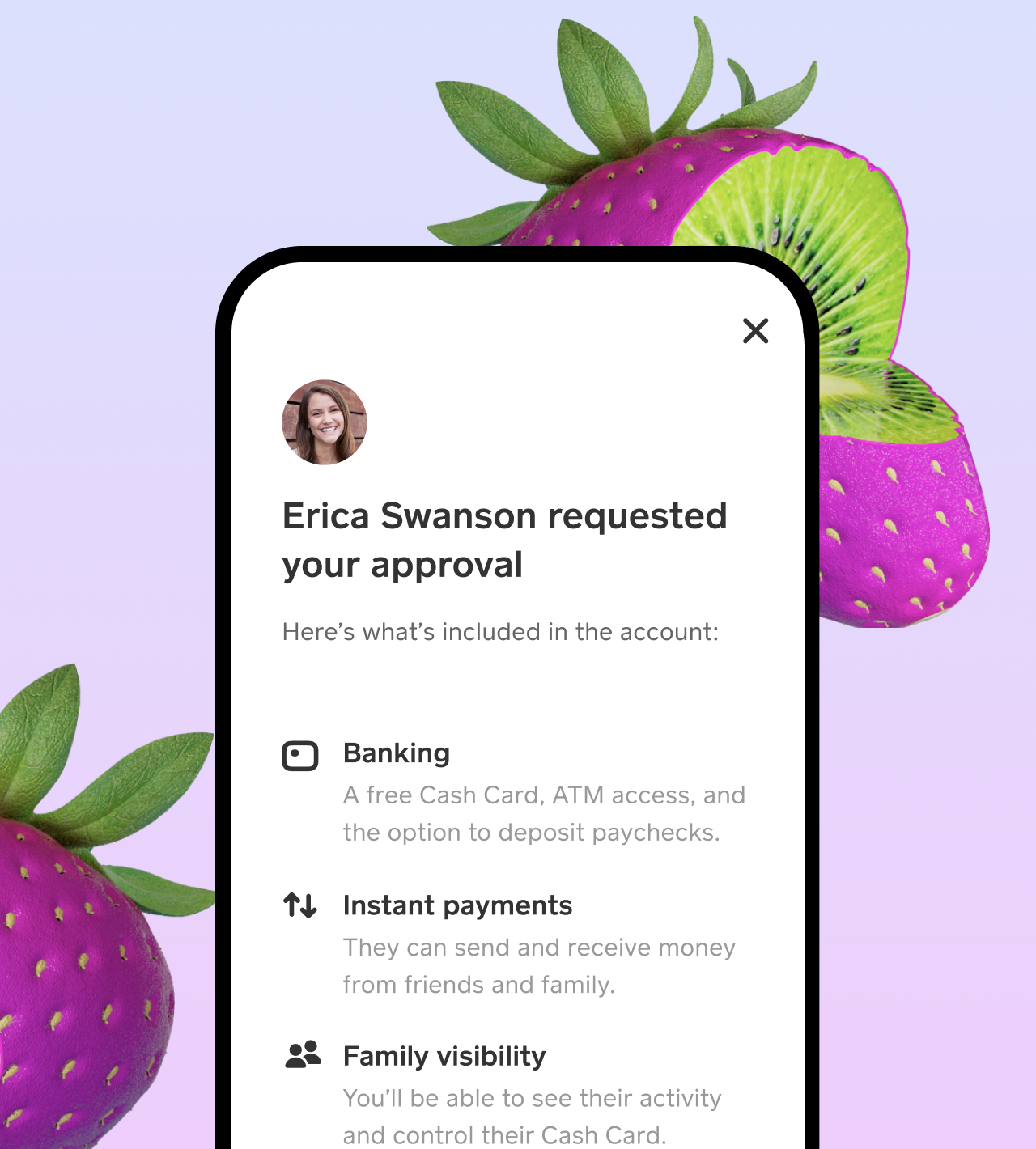
- Parental Consent and Setup: A parent or guardian (who must be 18 or older and have their own verified Cash App account) initiates the process by inviting their teen to create an account. The teen downloads the app and starts the registration, which then requires the parent’s approval.
- Identity Verification: Both the parent and the teen may need to provide personal information for identity verification. The parent’s identity verification is crucial as they are ultimately responsible.
- Linked Accounts: The teen’s account is inextricably linked to the parent’s, providing the parent with a robust monitoring capability.
- Monitoring and Control: Parents have significant control over the teen’s account. This typically includes:
- Viewing transactions: Access to a complete history of the teen’s spending and receiving activity.
- Setting spending limits: The ability to impose daily or weekly spending caps to prevent overspending.
- Blocking transactions: The power to deny specific transactions if deemed inappropriate or suspicious.
- Pausing the Cash Card: Temporarily disabling the teen’s Cash Card if necessary.
- Closing the account: The ultimate control to terminate the teen’s account.
This level of parental oversight transforms Cash App from just a payment tool into a powerful educational platform. It allows for active coaching and intervention, ensuring that the financial lessons learned are positive and constructive. The shared responsibility model fosters trust while providing a safety net.
Key Features and Limitations of Teen Accounts
While beneficial, sponsored teen accounts come with specific features and limitations designed to mitigate risk and focus on fundamental money management rather than complex financial activities.
Available Features:
- Sending and Receiving Money: Teens can send and receive peer-to-peer payments, making it easy to split costs with friends, receive allowance, or get paid for small jobs.
- Cash Card: Eligible teens can receive a personalized Cash Card, allowing them to make purchases online and in stores wherever Visa is accepted. This is a crucial step towards understanding debit card usage.
- Direct Deposit: Teens can receive direct deposits, making it convenient to get paid for part-time work or receive allowances directly into their account.
- ATM Withdrawals: With the Cash Card, teens can typically withdraw cash from ATMs, subject to daily limits and parental approval.
Key Limitations (compared to adult accounts):
- No Investing: Teens generally cannot buy or sell stocks or Bitcoin directly through their sponsored account. This limitation safeguards them from volatile markets and complex investment decisions that require a higher level of financial literacy and risk tolerance.
- No Borrowing: Loan features are not available for teen accounts, preventing them from incurring debt.
- Specific Transaction Limits: While they can send and receive, there might be lower weekly transaction limits compared to adult accounts, providing an additional layer of control.
- Parental Oversight: Every aspect of the account is subject to parental monitoring and control, emphasizing the sponsored nature of the account.
These limitations are not arbitrary; they are carefully considered restrictions aimed at creating a financially safe and developmentally appropriate environment for young users. They allow teens to build foundational money management skills without being exposed to the full spectrum of financial risks inherent in more advanced features.
Financial Empowerment for Minors: Benefits and Opportunities
The advent of sponsored financial tools for minors, like Cash App for teens, represents a significant step forward in fostering financial literacy from an early age. It moves beyond theoretical discussions to practical, real-world application.
Cultivating Early Financial Literacy and Budgeting Skills
Financial literacy is not an innate skill; it’s learned. Providing teens with a digital financial tool like Cash App offers an unparalleled opportunity to build these critical skills early on. Instead of abstract concepts, teens can:

- Track Spending in Real-Time: Every transaction is recorded, allowing them to see exactly where their money goes. This visual feedback is invaluable for understanding spending habits and identifying areas for improvement.
- Set and Achieve Financial Goals: Whether saving for a new video game, concert tickets, or a college fund, managing money in an app helps teens visualize their progress and understand the discipline required to reach goals.
- Differentiate Needs from Wants: When funds are limited and visible, teens are forced to make conscious choices, prioritizing essential purchases over discretionary ones.
- Understand Digital Money: In an increasingly cashless society, familiarity with digital payment systems is crucial. Cash App helps them understand how money moves in the digital realm, from direct deposits to online purchases.
Parents can leverage the sponsored account as a teaching tool, regularly reviewing transactions with their teens, discussing financial decisions, and guiding them toward smarter choices. This hands-on approach makes financial education relevant and engaging.
Managing Allowances and Earnings: Practical Money Management
Cash App transforms how teens manage their personal income, whether it’s a regular allowance or earnings from a part-time job, babysitting, or lawn care.
- Seamless Allowance Distribution: Parents can easily transfer allowances directly to their teen’s Cash App account, eliminating the need for physical cash and teaching the teen to manage a digital balance.
- Efficient Earnings Management: For teens with part-time jobs, direct deposit capabilities mean their wages can go directly into their Cash App account, mimicking how adults receive their paychecks. This fosters a sense of professionalism and responsibility.
- Tracking Small Business Income: Teens running small ventures (e.g., selling crafts, tutoring) can use Cash App to receive payments, helping them track their income and expenses, much like a micro-business.
- Understanding Income vs. Expenses: By managing their own inflows and outflows, teens gain a practical understanding of their net income and how much they truly have available after expenses, a fundamental concept in personal finance.
This practical application of money management skills is far more effective than theoretical lessons alone, equipping teens with tangible experience they can carry into adulthood.
Safe Digital Transactions in a Controlled Environment
One of the most significant benefits of a sponsored teen account is the ability to introduce young users to the world of digital transactions within a secure and monitored ecosystem. This controlled environment helps teens learn about online safety without being fully exposed to the full risks.
- Secure Payments: Teens learn to use a secure platform for sending and receiving money, understanding the importance of verified transactions and recipient identification.
- Cash Card Security: They learn to protect their physical card and PIN, recognize fraudulent attempts (e.g., phishing for card details), and understand the implications of lost or stolen cards.
- Parental Safety Net: Knowing that a parent is overseeing their account provides a crucial safety net. If a teen makes a mistake or encounters a suspicious request, the parent can intervene, explain the risk, and take corrective action. This makes it a learning moment rather than a catastrophic error.
- Learning Responsible Digital Citizenship: Beyond financial safety, it teaches broader digital citizenship—understanding privacy, data security, and responsible online behavior related to financial information.
This guided exposure is vital for preparing teens for a future where digital financial interactions are the norm. It builds confidence and competence in navigating the online financial landscape safely.
Navigating Risks and Ensuring Financial Safety for Young Users
While offering significant benefits, introducing minors to financial tools also necessitates a keen awareness of potential risks. Responsible usage, especially for sponsored accounts, hinges on a proactive approach to safety and ongoing financial education.
Protecting Against Scams and Fraud: A Collaborative Effort
The digital financial landscape is unfortunately rife with scams and fraudulent activities. For young, less experienced users, these threats can be particularly insidious. Protecting teens requires a collaborative effort between the platform, parents, and the teens themselves.
- Educating on Common Scams: Parents must actively educate their teens about common online scams, such as phishing attempts (emails/texts pretending to be Cash App), “money flipping” schemes, fake giveaways, and requests for personal information. Teens need to understand that if something seems too good to be true, it probably is.
- Emphasizing “Never Share”: Reinforce the importance of never sharing login credentials, PINs, or sensitive personal and financial information with anyone, regardless of who they claim to be.
- Reporting Suspicious Activity: Teach teens how to identify and report suspicious messages or transactions to both their parents and Cash App support.
- Cash App’s Security Features: While Cash App employs advanced security measures (encryption, fraud detection), user vigilance is the first line of defense. Parents should explain how two-factor authentication works and why it’s important.
This ongoing dialogue and education are crucial in arming teens with the critical thinking skills needed to identify and avoid financial deception in the digital world.
Setting Spending Limits and Monitoring Activity: Parental Responsibilities
Parental oversight is not just an optional feature; it’s a cornerstone of the sponsored account model and a vital responsibility. This proactive engagement helps mitigate risks and reinforce financial discipline.
- Establish Clear Limits: Parents should establish reasonable daily or weekly spending limits that align with the teen’s income, allowance, and financial maturity. These limits can be adjusted as the teen demonstrates greater responsibility.
- Regular Review of Transactions: It’s imperative for parents to regularly review their teen’s transaction history. This isn’t about micromanaging; it’s about spotting unusual patterns, identifying unauthorized spending, and initiating conversations about financial choices.
- Discussing Purchases: Use transaction reviews as teaching moments. Ask questions like, “What did you buy?” “Was that a good use of your money?” “Did you stick to your budget?” This turns monitoring into mentorship.
- Emergency Measures: Parents should be familiar with how to pause the Cash Card or temporarily block transactions in case of suspicious activity or if the card is lost or stolen.
Effective monitoring empowers parents to guide their teens, correct mistakes early, and ensure the account is being used responsibly and safely.
The Importance of Digital Financial Education
Ultimately, the goal of allowing minors to use financial tools like Cash App, even with limitations, is to foster comprehensive digital financial education. This goes beyond just knowing how to send money; it encompasses a broader understanding of financial principles in a digital context.
- Understanding Value: Help teens understand the tangible value of digital money, connecting it to real-world goods and services, and the effort required to earn it.
- Concept of Budgeting and Saving: Reinforce how digital tools can aid in budgeting, tracking expenses, and setting aside money for future goals, whether short-term or long-term.
- Privacy and Data Security: Teach them the importance of protecting their personal financial data and recognizing the privacy implications of online transactions.
- Responsible Digital Footprint: Explain that every online financial interaction leaves a digital footprint and how to maintain a positive and secure one.
- Transition to Adult Finance: Frame the Cash App experience as a stepping stone to managing more complex financial products as an adult, such as bank accounts, credit cards, and investments.
This holistic approach to digital financial education ensures that teens not only know how to use financial apps but also why it’s important to use them wisely, responsibly, and securely, preparing them for lifelong financial wellness.
Setting Up and Managing a Cash App Account for a Minor
For parents ready to empower their teens with a Cash App account, the process is designed to be straightforward, emphasizing parental involvement at every step.
Step-by-Step Guide for Parents and Guardians
The process generally involves a few key stages:
- Parent Requirements: Ensure you, the parent or legal guardian, are 18 or older, have a verified Cash App account, and are the legal guardian of the teen.
- Teen Initiates Account Creation: Your teen (aged 13-17) downloads the Cash App and begins the sign-up process, entering their personal information.
- Parental Invitation/Approval: During the teen’s sign-up, or by initiating it from your own app, Cash App will prompt you to sponsor their account. You will receive a notification or invitation to approve their request.
- Verification: You may need to provide additional information to verify your identity and your relationship to the teen. The teen may also need to verify some details. This is crucial for compliance and security.
- Setting Up the Account: Once approved, you and your teen can customize the account, link bank accounts (for parents to fund the teen’s account), and set up the Cash Card if desired.
- Establishing Controls: Immediately utilize the parental control features. Set initial spending limits, decide on ATM access, and discuss these parameters with your teen.
This guided setup ensures that parental consent and verification are central to the account’s activation, establishing the foundation for responsible use from the outset.
Best Practices for Ongoing Oversight and Guidance
Setting up the account is just the beginning. Effective financial education and safe usage require continuous parental involvement.
- Regular Financial Discussions: Make money a regular topic of conversation. Review transactions together, discuss budgeting, saving goals, and the consequences of financial decisions.
- Lead by Example: Demonstrate responsible financial habits with your own money. Your actions speak louder than words.
- Empowerment, Not Just Control: While oversight is key, aim to empower your teen to make increasingly responsible decisions. Gradually grant more autonomy as they demonstrate maturity.
- Stay Informed: Keep up-to-date with Cash App’s features, security updates, and potential scams. Knowledge is power in protecting your teen.
- Encourage Saving: Help your teen set saving goals and monitor their progress. Celebrate milestones to reinforce positive financial behavior.
- Address Mistakes Constructively: If your teen makes a financial error, approach it as a learning opportunity rather than just a punishment. Discuss what went wrong and how to avoid similar mistakes in the future.
By actively engaging in their teen’s digital financial journey, parents can transform a simple payment app into a powerful classroom for real-world financial education, preparing them for a future of financial independence and responsibility. The age requirement for Cash App, therefore, is not just a regulatory hurdle but a critical framework for cultivating informed and responsible digital citizens.
aViewFromTheCave is a participant in the Amazon Services LLC Associates Program, an affiliate advertising program designed to provide a means for sites to earn advertising fees by advertising and linking to Amazon.com. Amazon, the Amazon logo, AmazonSupply, and the AmazonSupply logo are trademarks of Amazon.com, Inc. or its affiliates. As an Amazon Associate we earn affiliate commissions from qualifying purchases.