
In an increasingly digital financial landscape, tools like Cash App have become indispensable for managing personal funds, facilitating quick payments, and streamlining transactions. Understanding how to effectively fund your Cash App wallet is a fundamental step in leveraging its full potential as a modern financial instrument. Whether you’re looking to send money to friends, make online purchases, or simply consolidate your spending money, ensuring your Cash App balance is adequately funded is paramount. This guide will walk you through the various methods of adding money, offering insights into each process, associated considerations, and best practices for secure and efficient financial management within the application.
The Foundation: Linking Your External Financial Accounts
The most common and often most versatile methods for adding money to your Cash App involve connecting it to your existing financial infrastructure. These linkages are the backbone of your digital wallet, allowing for seamless transfers between your traditional bank accounts and your Cash App balance.
Connecting Your Bank Account for Seamless Transfers
Linking your bank account to Cash App provides a direct conduit for funding your digital wallet. This method is particularly beneficial for larger transfers and offers greater flexibility for both standard and expedited transactions.
To link your bank account:
- Open Cash App and tap the “Banking” tab (the house icon).
- Select “Link Bank.”
- Follow the prompts to connect your bank account using your bank’s login credentials. Cash App uses secure third-party services to establish this connection, ensuring your banking information remains encrypted and protected.
Once linked, you can initiate transfers:
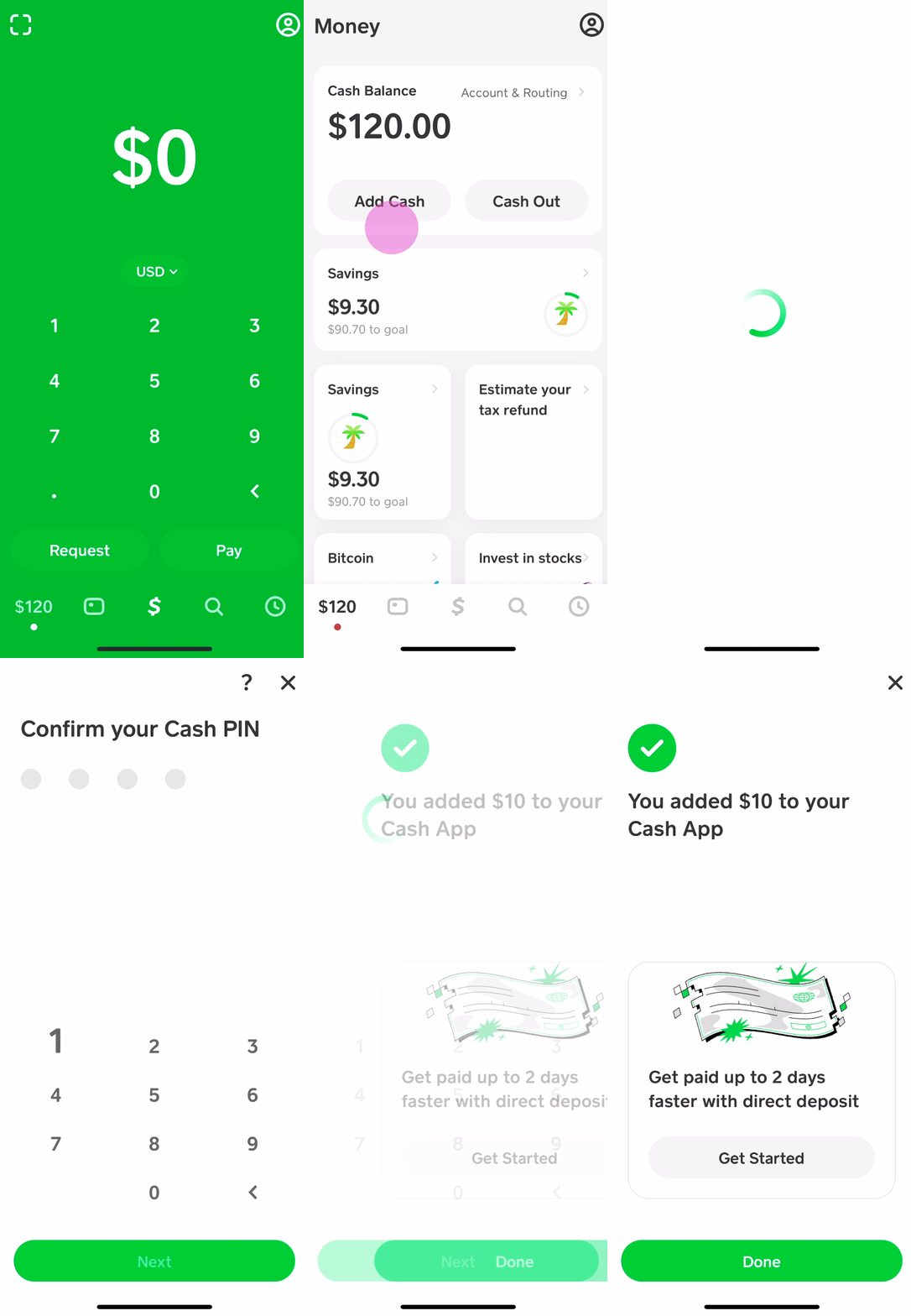
- Tap the “Banking” tab, then “Add Cash.”
- Enter the desired amount and tap “Add.”
- Choose between “Standard Deposit” (typically 1-3 business days, no fee) or “Instant Deposit” (immediate, incurs a small fee, usually 0.5% – 1.75% of the transaction amount, with a minimum fee).
Benefits: Linking your primary bank account offers significant advantages, including higher transaction limits compared to debit cards alone, and the ability to set up direct deposits, which we will explore later. It serves as a robust and reliable funding source for all your Cash App activities.
Utilizing Your Debit Card for Immediate Funding
For quick, smaller transfers, linking a debit card is an incredibly convenient option. It allows for instant access to funds from your checking account without the need for a bank login each time.
To link your debit card:
- Navigate to the “Banking” tab (the house icon) in Cash App.
- Select “Link Bank,” then choose “No Bank? Link Debit Card Instead.”
- Enter your debit card number, expiration date, CVV, and zip code.
Once linked, adding money is straightforward:
- Tap the “Banking” tab, then “Add Cash.”
- Enter the amount and tap “Add.”
- The funds will typically be instantly available in your Cash App balance, though instant deposits from a debit card usually incur a small fee, similar to instant bank transfers.
When to Use It: Debit card transfers are ideal for situations requiring immediate access to a smaller sum of money, such as splitting a bill with friends, making a quick online purchase, or topping up your balance for an urgent payment. While convenient, users should be mindful of the fees associated with instant transfers, which can add up over frequent use.
Bridging the Digital and Physical: Adding Cash at Retail Locations
For individuals who prefer to manage physical cash or do not have a linked bank account, Cash App offers a practical solution: depositing cash at participating retail stores. This method allows you to convert physical currency into digital funds directly into your Cash App balance.
The Convenience of Cash Deposits via Partner Stores
Cash App has partnered with various retailers, including prominent convenience stores and pharmacies, to facilitate cash deposits. This service bridges the gap between traditional cash transactions and digital finance, making Cash App accessible even without a direct bank link.
How it works:
- Open Cash App and tap the “Banking” tab.
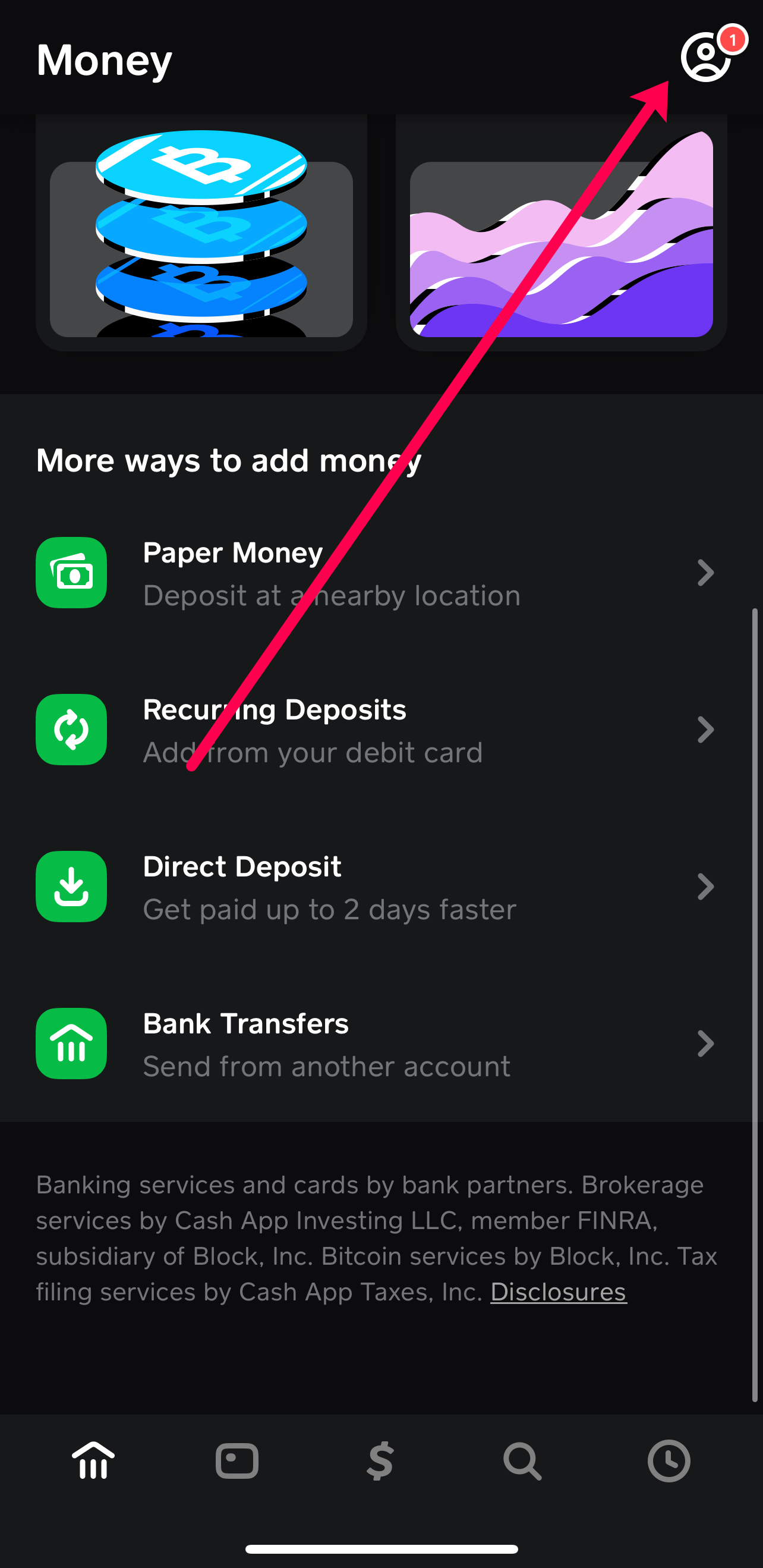
- Select “Paper Money” or “Deposit Cash.”
- Cash App will display a map of nearby participating retailers (e.g., Walgreens, 7-Eleven, Dollar General, Family Dollar). Select a location.
- Generate a unique barcode within the app.
- Go to the selected store and present the barcode to the cashier. Hand them the cash you wish to deposit.
- The cashier will scan the barcode and process the deposit. The funds are typically available in your Cash App balance within minutes.
Limits and Potential Fees: It’s important to be aware of the limits associated with cash deposits. Cash App typically imposes a maximum daily deposit limit (e.g., $500 per deposit, up to $1,000 per week), though these figures can vary. While Cash App itself generally doesn’t charge a fee for this service, some participating retailers might charge a nominal convenience fee for processing the cash deposit. Always confirm with the retailer or check Cash App’s terms for the latest information.
Understanding Limits and Processing Times
While cash deposits offer unmatched convenience for physical money, it’s crucial to understand their operational parameters. Funds deposited via this method are usually available almost instantly, allowing for immediate use within the app. However, the daily and weekly limits are in place to manage transaction volume and mitigate potential fraud. For users with larger cash sums to deposit, it may require multiple transactions over several days or exploring alternative funding methods like linking a bank account for larger transfers.
Beyond Self-Funding: Receiving Money into Your Cash App

While the primary focus of “adding money” often relates to self-funding, receiving money from others is another vital way to accumulate funds in your Cash App balance. This method highlights Cash App’s strength as a peer-to-peer (P2P) payment platform and a versatile direct deposit solution.
Person-to-Person Transfers: Receiving Funds from Friends and Family
One of Cash App’s core functionalities is facilitating instant money transfers between users. If someone owes you money, or a friend is splitting a bill, they can send funds directly to your Cash App account.
How to receive money:
- Share your unique $Cashtag (your personalized identifier within Cash App) or your linked phone number/email address with the sender.
- The sender will initiate a payment to your $Cashtag or contact information.
- Once sent, the funds typically appear in your Cash App balance instantly. You’ll receive a notification confirming the receipt.
Importance of $Cashtag: Your $Cashtag is your public identifier for receiving money. It’s simple to remember and share, making P2P transactions exceptionally smooth. Ensure your $Cashtag is correctly set up and communicated to avoid misdirected payments.
Direct Deposit for Income and Benefits
Cash App offers the ability to receive direct deposits, transforming it into a viable alternative to traditional bank accounts for managing your income and other recurring payments. This feature is particularly appealing for those who prefer to consolidate their finances within a mobile-first platform.
To set up direct deposit:
- In Cash App, navigate to the “Banking” tab.
- Select “Direct Deposit.”
- You will find your Cash App routing number and account number. These are unique to your Cash App account.
- Provide these details to your employer, government benefits provider, or any entity that offers direct deposit. They will use this information to send funds directly to your Cash App.
Benefits:
- Early Access to Funds: Many users report receiving their paychecks up to two days earlier when using Cash App direct deposit, depending on their employer’s payroll process.
- Convenience: All your income flows directly into your digital wallet, making it easier to manage spending, pay bills, and send money.
- Financial Inclusion: Provides a banking-like experience for individuals who may not have traditional bank accounts.
Setting up direct deposit requires careful entry of your Cash App banking details to ensure funds are routed correctly. Always double-check the routing and account numbers before submitting them to your employer or provider.
Navigating Potential Challenges and Optimizing Your Experience
While adding money to Cash App is generally straightforward, users might occasionally encounter issues. Understanding common challenges and prioritizing security are crucial for a smooth and reliable financial experience.
Troubleshooting Common Deposit Issues
- Verification Problems: Cash App, like all financial tools, has robust security measures. If your account is unverified or new, you might face temporary limits or require additional identification before you can add larger sums of money. Ensure your personal information (name, date of birth, SSN) is accurately provided and verified.
- Declined Transactions: A linked bank account or debit card might decline a transaction due to insufficient funds, an expired card, incorrect card details, or your bank’s fraud prevention system flagging the transaction. Always check your bank balance and card details. Contact your bank directly if you suspect a fraud alert.
- Expired Cards/Accounts: Ensure all linked payment methods are current and active. Update any expired debit cards or bank account information promptly.
- Contacting Cash App Support: If you’ve exhausted all troubleshooting steps, reach out to Cash App support directly through the app. They can investigate specific transaction issues and provide personalized assistance.
Securing Your Funds and Financial Information
Protecting your financial assets within Cash App is paramount. Implementing robust security practices can safeguard your money and personal data.
- Strong Passwords and PINs: Use a unique, complex password for your Cash App account. Enable a PIN or fingerprint/Face ID lock for accessing the app on your device.
- Two-Factor Authentication (2FA): Always enable 2FA. This adds an extra layer of security, requiring a code sent to your phone or email in addition to your password, making unauthorized access significantly harder.
- Beware of Scams: Be vigilant against phishing attempts, fake customer support, and unsolicited requests for money or personal information. Cash App will never ask for your PIN or full sign-in code outside of the app. Only send money to people you know and trust.
- Monitor Activity: Regularly review your Cash App transaction history for any unauthorized activity. Report suspicious transactions immediately.
Why Funding Your Cash App Matters in Modern Finance
The ability to easily fund your Cash App wallet transcends mere convenience; it speaks to a broader shift in how individuals manage and interact with their money in the digital age.
The Role of Digital Wallets in Personal Finance
Digital wallets like Cash App are increasingly central to modern personal finance. They empower users with:
- Instant Accessibility: Funds are available immediately, facilitating quick payments and avoiding delays.
- Budgeting and Tracking: Users can compartmentalize funds, track spending, and gain a clearer picture of their cash flow, particularly when using Cash App for specific spending categories.
- Financial Inclusion: For many, particularly those underserved by traditional banking, Cash App provides essential financial services, including direct deposit and accessible digital payment methods.
- Versatility: From P2P transfers to stock investing and Bitcoin purchases, a funded Cash App account opens doors to various financial activities.
Making Informed Financial Decisions with Cash App
Understanding the nuances of funding your Cash App balance allows for more informed financial decisions:
- Cost-Effective Transfers: By knowing the fees associated with instant transfers versus the free standard options, you can choose the most economical method based on your urgency.
- Strategic Use of Direct Deposit: Leveraging direct deposit can offer early access to funds, helping with cash flow management and potentially avoiding overdrafts in traditional bank accounts.
- Security Awareness: Being proactive about security protocols for your Cash App account is an integral part of responsible digital financial management, protecting your assets from fraud and unauthorized access.
In conclusion, adding money to your Cash App is a straightforward process with multiple convenient options tailored to different financial habits and needs. By understanding how to link your bank accounts and debit cards, utilize cash deposits, set up direct deposit, and practice robust security, you can effectively leverage Cash App as a powerful tool in your personal finance arsenal. Embracing these methods allows for seamless money management, empowering you to navigate the digital financial landscape with confidence and efficiency.
aViewFromTheCave is a participant in the Amazon Services LLC Associates Program, an affiliate advertising program designed to provide a means for sites to earn advertising fees by advertising and linking to Amazon.com. Amazon, the Amazon logo, AmazonSupply, and the AmazonSupply logo are trademarks of Amazon.com, Inc. or its affiliates. As an Amazon Associate we earn affiliate commissions from qualifying purchases.