
Buying cars from auctions has long been shrouded in mystery, often perceived as an exclusive domain for dealers or a risky gamble for the uninitiated. However, for those with a keen eye for value and a strategic approach, car auctions represent a compelling opportunity to acquire vehicles at significantly reduced prices, potentially yielding substantial financial benefits. This guide delves into the intricate world of car auctions, demystifying the process and equipping you with the financial acumen needed to make informed, profitable purchases. From uncovering hidden costs to mastering bidding strategies, we’ll explore how to navigate this unique market, transforming it from a mere transaction into a calculated automotive investment.

Understanding the Financial Landscape of Car Auctions
The primary allure of car auctions lies in their potential for significant cost savings and, for some, the prospect of lucrative investment returns. However, successfully capitalizing on these opportunities requires a thorough understanding of the various auction types, their inherent financial mechanics, and the often-overlooked costs and risks involved.
The Allure of Savings and Investment Potential
At its core, buying from an auction is about leverage. Vehicles at auctions, particularly those from fleet liquidations, repossessions, government seizures, or insurance write-offs, are typically priced below retail market value. This discount is due to the expedited sale process, the “as-is” condition, and the auction environment itself, which attracts buyers seeking wholesale prices. For the individual buyer, this translates to the potential to acquire a dependable vehicle for personal use at a fraction of showroom cost. For entrepreneurs or those with mechanical aptitude, it opens the door to a profitable side hustle or business venture: buying low, making necessary repairs or cosmetic enhancements, and then reselling at or closer to retail value. This arbitrage opportunity is a significant driver for many who frequent car auctions, turning what might seem like a simple purchase into a strategic investment. Understanding the market value of various vehicles and identifying those with the highest potential for appreciation after minimal investment is key to maximizing this financial benefit.
Navigating Different Auction Types and Their Monetary Implications
Not all car auctions are created equal, and each type presents a unique financial profile and accessibility.
- Public Auctions: These are often the most accessible to individual buyers without a dealer license. They might feature vehicles from government agencies, police impounds, or repossessions. While prices can be attractive, competition can be fierce, and vehicle conditions vary widely. The primary financial consideration here is careful inspection to avoid money pits.
- Dealer-Only Auctions (Wholesale Auctions): These require a valid dealer license and are the backbone of the used car industry. They offer a vast inventory of vehicles, often in better condition than public auctions, but the entry barrier (cost of a dealer license, insurance, bond) is significant. For serious investors or those looking to start a car resale business, this access is invaluable, offering the best wholesale pricing and selection.
- Salvage Auctions: Platforms like Copart and IAAI specialize in damaged, wrecked, or totaled vehicles from insurance companies. While requiring a keen eye for damage assessment and repair cost estimation, these auctions can yield extraordinary savings for those capable of rebuilding or parting out vehicles. The financial strategy here hinges on accurately calculating repair costs versus potential resale value, or the value of individual components.
- Online Auctions: Many traditional auctions now have online bidding platforms, and dedicated online-only auctions (like eBay Motors) are prevalent. These offer convenience and a broader selection but necessitate an even greater reliance on vehicle history reports and detailed photos, as physical inspection might be limited or impossible. The financial risk is slightly elevated due to the “blind” purchase, making thorough digital due diligence paramount.
Each auction type demands a tailored financial approach, balancing potential savings with the specific risks and logistical challenges.
Unmasking the Hidden Costs and Risks
The initial bid price at an auction is rarely the final cost. Overlooking hidden fees can quickly erode any perceived savings, turning a potential bargain into a financial misstep.
- Auction Fees: Almost all auctions charge a buyer’s premium (a percentage of the sale price or a flat fee), gate fees, internet bidding fees, and sometimes even environmental or documentation fees. These can add hundreds, sometimes thousands, to the vehicle’s price.
- Transportation Costs: Unless the vehicle is local and drivable, you’ll need to factor in towing or shipping costs, which can be substantial, especially for non-runners or cross-state purchases.
- Repair and Reconditioning: Vehicles are sold “as-is, where-is” with no warranties. Budgeting for inevitable repairs, maintenance, and cosmetic reconditioning (detailing, minor paintwork) is critical. This is where a detailed pre-purchase inspection or expert mechanical knowledge becomes a significant financial advantage.
- Title and Registration Fees: Standard government fees, sales tax, and potentially new license plates will apply. For salvage titles, additional inspection fees and even bonding might be required to make the vehicle street legal, adding significant expense and administrative hassle.
- Storage Fees: If a vehicle isn’t picked up promptly, auctions often impose daily storage fees, which can accumulate rapidly.
Beyond costs, the primary financial risk is acquiring a vehicle with undisclosed mechanical issues, flood damage, or a problematic title. The inability to test drive most auction vehicles exacerbates this risk. A disciplined financial approach mandates setting a maximum “all-in” budget that accounts for these variables, ensuring the final cost still represents a genuine saving or profitable investment.
Strategic Preparation for Profitable Auction Purchases
Success in car auctions isn’t about luck; it’s about meticulous preparation and a disciplined financial strategy. Before you even consider placing a bid, a series of critical steps must be undertaken to minimize risk and maximize your investment potential.
Comprehensive Budgeting: Beyond the Bid Price
The cornerstone of any successful auction purchase is a robust, all-encompassing budget. It’s a common pitfall to focus solely on the maximum bid price without accounting for the myriad of associated costs. Your budget must be an “all-in” figure, meticulously detailing every potential expense from the moment you win the bid until the vehicle is fully ready for personal use or resale. This includes not only the bid amount but also:
- Buyer’s Premiums and Auction Fees: Understand the specific fee structure of the auction house. These can range from 5% to 15% of the hammer price.
- Sales Tax, Title, and Registration Fees: Factor in your local and state taxes, as well as the cost of transferring the title and registering the vehicle.
- Transportation Costs: Whether you’re towing it yourself, hiring a flatbed, or using a shipping service, this can be a significant expense.
- Mandatory Repairs and Maintenance: Crucially, set aside a contingency fund for immediate necessary repairs (e.g., brakes, tires, engine diagnostics) and standard maintenance (oil change, fluid checks).
- Cosmetic Reconditioning: If planning to resell, budget for detailing, minor paint touch-ups, or interior cleaning to enhance resale value.
- Insurance: Temporary or full coverage is needed before you can drive it off.
By front-loading these considerations into your budget, you establish a clear financial ceiling, preventing emotional overbidding and ensuring that your eventual acquisition truly represents a smart financial decision.
Diligent Research: Valuations and Vehicle Histories
Information is power, especially in an “as-is” market. Before attending an auction, identify the specific vehicles that align with your financial goals and conduct exhaustive research.
- Market Value Research: Use resources like Kelley Blue Book (KBB.com), Edmunds, NADAguides, and recent comparable sales on platforms like eBay Motors or local classifieds to establish a realistic retail and wholesale value for your target vehicles. This helps you determine your maximum profitable bid.
- Vehicle History Reports (VHRs): For every potential car, obtain a CarFax or AutoCheck report. These reports are invaluable, revealing past accidents, salvage titles, odometer discrepancies, flood damage, recall information, and service history. While VHRs cost money, they are a vital investment that can save you from a catastrophic financial blunder. A clean VHR is often a strong indicator of a safer investment.
- Auction Listing Details: Scrutinize the auction’s description, photos, and any provided condition reports. Look for inconsistencies, vague descriptions, or signs of undisclosed damage. Remember that auction descriptions are often minimal and prioritize speed of sale over full disclosure.
Thorough research allows you to bid with confidence, knowing you have a strong understanding of the vehicle’s true worth and potential liabilities.
The Critical Role of Pre-Purchase Inspection
While not always possible, a pre-purchase inspection (PPI) is the single most important step in mitigating financial risk at an auction. Many public and some wholesale auctions allow for limited visual inspections, and some even permit mechanical checks by a trusted third party.
- Visual Inspection: If allowed, conduct a meticulous visual check. Look for signs of bodywork (uneven paint, misaligned panels), fluid leaks, tire wear, interior condition (water damage, mold, odors), and dashboard warning lights. Start the engine if possible and listen for unusual noises. Check for obvious signs of neglect or abuse.
- Mechanical Assessment (if permitted): Bring a trusted mechanic or someone with automotive expertise. They can spot common issues that might be expensive to fix, such as transmission problems, engine trouble, or structural damage. Even a quick scan with an OBD-II diagnostic tool can reveal underlying electronic faults.
- Salvage Title Specifics: If considering a salvage vehicle, understand the extent of the damage (e.g., flood, collision, fire). Estimate repair costs rigorously, considering parts availability and labor rates. In many regions, a salvage title requires specific inspections and certifications before it can be registered, adding time and expense.
The financial foresight gained from an inspection, however brief, is priceless. It enables you to make an informed decision on whether a vehicle is a worthwhile investment or a financial black hole.
Mastering Auction Rules and Financial Logistics

Every auction house operates under its own set of rules, and understanding them is crucial for a smooth and financially sound transaction.
- Registration and Deposits: Most auctions require you to register as a bidder and often place a refundable deposit (e.g., $500–$1,000) before you can participate. Understand the deposit’s terms and how it’s refunded if you don’t win.
- Payment Terms: Be aware of accepted payment methods (cash, wire transfer, certified check) and, critically, the payment deadline. Many auctions require full payment within 24-72 hours. Failure to meet this deadline can result in forfeiture of your deposit and potential penalties.
- Pickup Deadlines and Storage Fees: Auctions operate on strict schedules. Vehicles must be removed by a specific time, usually within a few days of the sale, to avoid incurring expensive daily storage fees. Plan your transportation logistics in advance.
- Arbitration Policies: For wholesale auctions, there might be limited arbitration policies for major undisclosed issues (e.g., frame damage, odometer rollback) that allow you to dispute a sale. Understand these policies thoroughly, as they offer a sliver of protection against severe financial loss.
Adherence to auction rules not only ensures a legitimate purchase but also prevents unforeseen penalties and additional costs that can quickly diminish your financial gains.
The Auction Day: Bidding with Financial Prudence
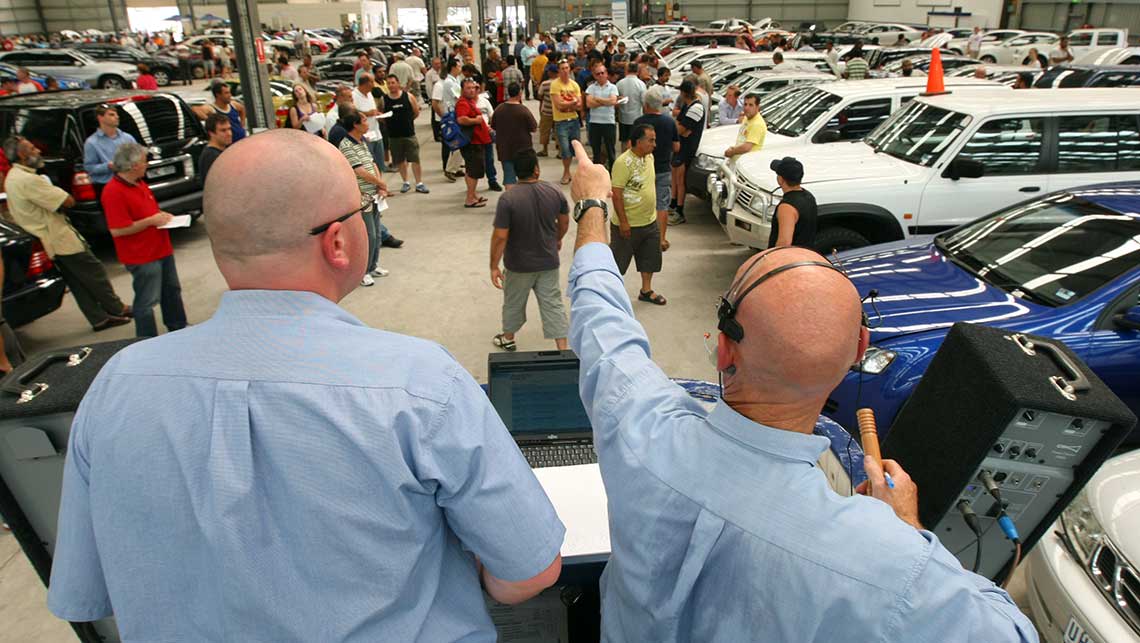
Auction day is where preparation meets opportunity. It’s a high-energy environment where emotions can run high, but maintaining financial discipline is paramount to securing a valuable acquisition without overspending.
Registration, Deposits, and Payment Mechanics
Before you can even think about bidding, completing the administrative prerequisites is essential. As discussed, this typically involves registering as a bidder, which often entails providing identification and placing a refundable deposit. This deposit serves as a commitment and ensures that only serious buyers participate. On auction day, ensure you have your bidder number prominently displayed and a clear understanding of the payment process. Most auctions require immediate payment, often within 24 to 72 hours of the winning bid. This usually means having access to funds via wire transfer, cashier’s check, or sometimes even cash for smaller transactions. Be prepared; securing financing beforehand or having liquid funds readily available is non-negotiable. Missing the payment deadline not only means losing the vehicle but often forfeiting your deposit and potentially being banned from future auctions, representing a direct financial loss and a missed opportunity.
Effective Bidding Strategies to Maximize Value
Bidding at an auction is an art form, especially when your financial objectives are clear. The key is to stick to your meticulously calculated maximum “all-in” budget, regardless of the perceived competition or emotional pull.
- Set Your Limit and Stick to It: Before bidding starts on a specific vehicle, re-confirm your absolute maximum bid based on your research and budgeting. Do not exceed this number, even by a dollar. The thrill of the chase can lead to buyer’s remorse and a negative return on investment.
- Observe and Learn: Pay attention to the auctioneer’s pace and how other bidders operate. Some auctions move very quickly, requiring swift decisions.
- Don’t Be Afraid to Walk Away: The most financially astute bidders know when to stop. If the bidding goes beyond your comfortable maximum, let it go. There will always be another vehicle and another auction. Protecting your capital is more important than winning every bid.
- Strategic Bidding: Sometimes, a well-timed bid can secure a vehicle. Avoid showing your hand too early. For public auctions, waiting until the bidding slows down before placing a decisive bid can sometimes work. At online auctions, setting an automated maximum bid helps ensure you don’t miss out while staying within your budget.
Remember, the goal is not just to win the bid, but to win it at a price that aligns with your financial strategy and potential for profit or savings.
Post-Win Logistics and Immediate Financial Commitments
Once you’ve won a bid, the clock starts ticking on your financial and logistical obligations.
- Prompt Payment: As mentioned, immediate payment is crucial. Have your payment method ready and execute the transaction within the specified timeframe. This prevents late fees and ensures the vehicle is officially yours.
- Arranging Transportation: Unless the vehicle is registered and perfectly drivable, you’ll need to arrange for its immediate pickup. This often involves towing services or a flatbed truck. Factor the cost of this transportation into your budget. Procrastinating can lead to costly daily storage fees imposed by the auction house.
- Temporary Insurance: Before driving any vehicle off the lot, ensure you have adequate insurance coverage. Most states require proof of insurance for even temporary driving permits. This is a non-negotiable financial and legal requirement.
- Initial Inspection and Assessment: Even if you conducted a pre-purchase inspection, a detailed assessment once the vehicle is off the lot can help prioritize repairs and create a more accurate budget for post-auction expenses.
Managing these immediate post-auction steps efficiently not only saves you money but also sets the stage for a smooth transition into the next phase of vehicle ownership or preparation for resale.
Post-Auction Financial Management and Maximizing Return
Acquiring a vehicle from an auction is just the beginning of its financial journey. To truly realize the savings or investment potential, meticulous post-auction financial management is essential, focusing on smart allocation of resources for repairs, ensuring legal compliance, and strategizing for optimal resale value.
Budgeting for Repairs, Reconditioning, and Enhancements
The “as-is” nature of auction purchases almost guarantees that some level of financial investment will be required post-acquisition. This phase is critical for both personal use and resale profitability.
- Prioritizing Necessary Repairs: Start with safety and mechanical necessities. Get the vehicle thoroughly inspected by a trusted mechanic, creating a prioritized list of repairs. Focus on brakes, tires, steering, suspension, and essential engine or transmission work first. Budget generously for these, as unforeseen issues often arise. Distinguish between critical repairs and cosmetic improvements.
- Cosmetic Reconditioning for Resale: If your goal is to resell, smart cosmetic investments can significantly boost value. This includes professional detailing (interior and exterior), minor paint correction, dent removal, headlight restoration, and possibly seat repair. These are often high-ROI enhancements that buyers appreciate and pay more for.
- Parts Sourcing and Labor Costs: Research the cost of parts (aftermarket vs. OEM) and local labor rates. Consider if you have the skills for DIY repairs to save on labor, but be realistic about your capabilities to avoid costly mistakes.
- Value-Adding Enhancements: For specific vehicles, certain upgrades might add more value than they cost. This could be a new stereo system, window tinting, or specialized accessories for certain car models. However, this requires a deep understanding of market demand and what buyers are willing to pay for.
Every dollar spent in this phase should be a calculated investment, aimed at either ensuring reliability for personal use or maximizing the vehicle’s market appeal and resale price.
Title, Registration, and Insurance: Essential Financial Steps
Navigating the legal and administrative requirements is not only a matter of compliance but also a significant financial consideration.
- Title Transfer and Sales Tax: Promptly transfer the vehicle’s title into your name. This typically involves paying sales tax (if not already paid at the auction) and transfer fees at your local Department of Motor Vehicles (DMV) or equivalent. For salvage titles, this process can be more complex, requiring additional inspections and paperwork, which might incur further fees and delays. Understand your state’s specific requirements for salvage titles.
- Vehicle Registration: Once the title is in your name, you’ll need to register the vehicle, which involves paying registration fees and obtaining license plates. The cost varies significantly by state and vehicle type.
- Insurance Coverage: Secure comprehensive insurance coverage before driving the vehicle. This is a legal mandate and a crucial financial safeguard. Obtain quotes from multiple providers to find the most cost-effective policy that meets your needs and state requirements. For rebuilt salvage vehicles, some insurance companies might charge higher premiums or have specific requirements.
Neglecting these steps can lead to fines, legal issues, and ultimately, greater financial strain. Ensuring all paperwork is in order protects your investment and prepares the vehicle for its intended use or sale.
Strategies for Resale and Long-Term Value Creation
For those who view auction purchases as an investment, maximizing resale value is the ultimate goal.
- Timing the Market: Understand the seasonal demand for different vehicle types. Convertibles might sell better in spring, while SUVs with AWD might fetch higher prices in fall or winter. Selling at the right time can yield a better return.
- Effective Marketing: When reselling, create compelling listings with high-quality photos, detailed descriptions of repairs made, and highlights of the vehicle’s features. Be transparent about its history (including its auction origin, if applicable) and any remaining issues. Honesty builds trust and can lead to a quicker, more profitable sale.
- Documentation: Keep meticulous records of all repairs, maintenance, and parts purchased. This documentation adds credibility and value, assuring potential buyers of the vehicle’s condition and the investment you’ve made.
- Pricing Strategy: Price competitively based on current market values for similar vehicles in comparable condition. Be prepared to negotiate, but know your minimum acceptable profit margin.
- Long-Term Asset Management: Even for personal use vehicles, regular maintenance and proactive repairs contribute to long-term value. A well-maintained vehicle will always command a better resale price down the line, serving as a continuously smart financial asset.
Buying cars from auctions is a powerful strategy for astute financial managers and savvy investors. By understanding the landscape, preparing meticulously, bidding strategically, and managing post-acquisition financials with diligence, you can unlock significant savings and create tangible value, turning a potentially complex process into a rewarding journey of automotive investment.
aViewFromTheCave is a participant in the Amazon Services LLC Associates Program, an affiliate advertising program designed to provide a means for sites to earn advertising fees by advertising and linking to Amazon.com. Amazon, the Amazon logo, AmazonSupply, and the AmazonSupply logo are trademarks of Amazon.com, Inc. or its affiliates. As an Amazon Associate we earn affiliate commissions from qualifying purchases.