
Owning a car is a cornerstone of modern life for many, offering unparalleled freedom and convenience. However, this convenience comes with a financial commitment that extends far beyond the initial purchase price, fuel costs, and insurance premiums. One of the most often overlooked, yet crucial, aspects of vehicle ownership is maintenance. Understanding “how much is car maintenance per month” is vital for sound personal finance, allowing you to budget effectively, prevent financial surprises, and ultimately extend the life of your investment.
Car maintenance isn’t a fixed expense; it’s a dynamic cost influenced by a myriad of factors. From routine oil changes to unexpected major repairs, these expenses can significantly impact your monthly budget if not properly anticipated. This guide will delve deep into the financial intricacies of car maintenance, helping you demystify these costs and empower you to make more informed decisions about your vehicle and your money. We’ll explore the variables that dictate these expenses, break down common maintenance tasks, strategize for both routine and unexpected costs, and provide actionable advice for budgeting and saving.
Understanding the Variables: What Drives Car Maintenance Costs?
The notion of a single, universal monthly car maintenance cost is a myth. The reality is that these figures fluctuate wildly based on several key factors. Grasping these variables is the first step toward accurately estimating your personal maintenance budget.
Vehicle Make, Model, and Age
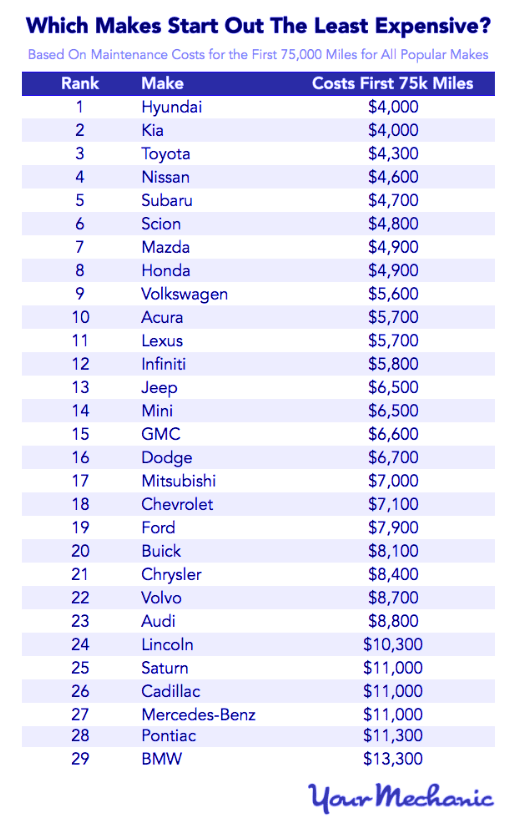
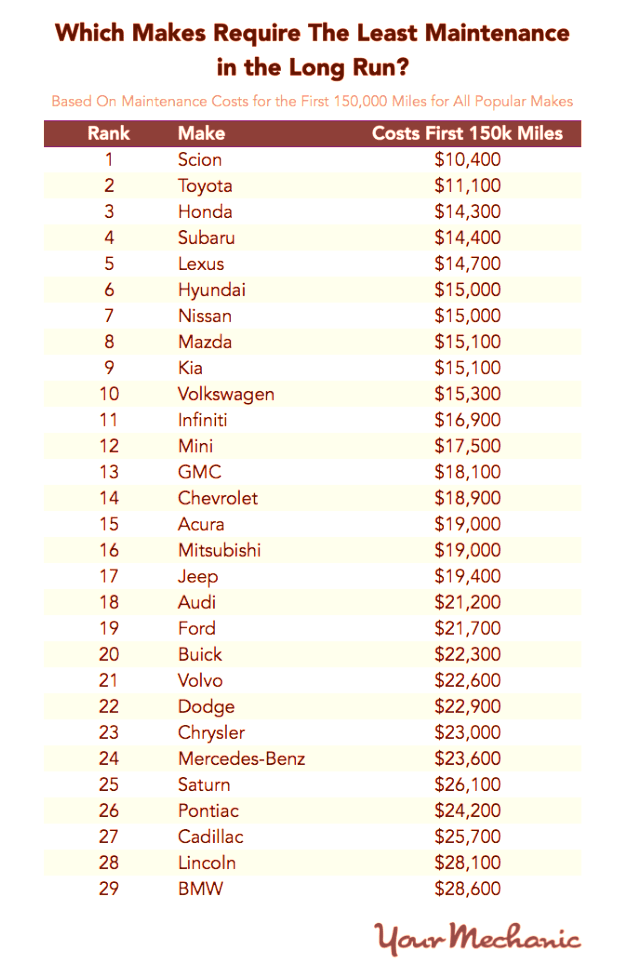
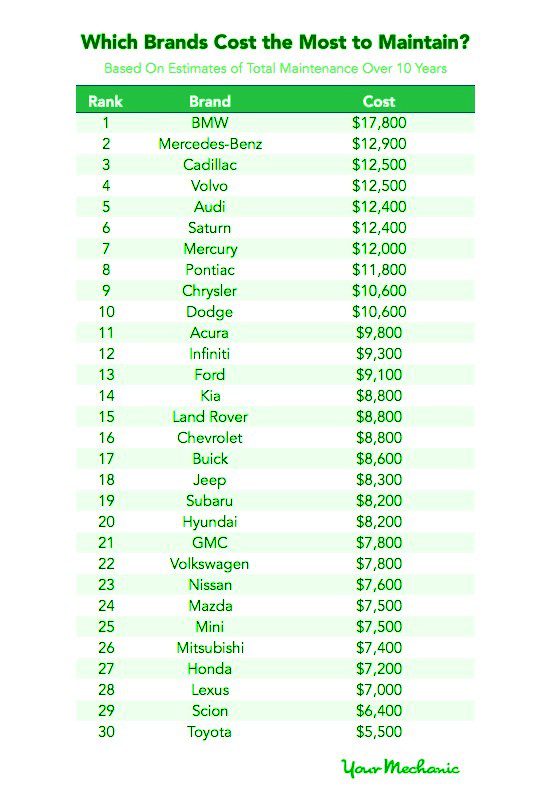
Perhaps the most significant determinant of maintenance costs is the car itself. Luxury brands and performance vehicles typically command higher prices for parts and labor compared to economy cars. A European sedan, for instance, often has more expensive proprietary parts and specialized labor rates than a popular Japanese compact. Furthermore, the age of your vehicle plays a critical role. Newer cars, especially those under warranty, might only incur minor routine costs. As a car ages past its warranty period, typically after 3-5 years, the likelihood of needing more substantial repairs – and thus, higher costs – increases dramatically. Components wear out, systems become less efficient, and parts that once lasted a decade may now require replacement. Historically, the average maintenance cost peaks around the 7-10 year mark for many vehicles.
Driving Habits and Environment
How and where you drive profoundly impacts wear and tear. Aggressive driving – frequent hard acceleration, sharp braking, and high-speed cornering – puts immense stress on an engine, transmission, brakes, and tires, accelerating their degradation. Conversely, a smooth, defensive driving style can significantly prolong component life. Your driving environment is equally important. Those who primarily drive in stop-and-go city traffic will likely experience faster wear on brakes and transmissions compared to someone who mostly covers highway miles. Dusty or extremely hot/cold climates can also accelerate the need for air filter replacements, fluid checks, and battery replacements. High mileage drivers will, by definition, hit maintenance intervals more frequently than low mileage drivers, even if their per-mile cost is lower.
Geographic Location and Service Rates
Where you live and where you get your car serviced also influences the bottom line. Labor rates for mechanics can vary substantially from one region to another, often reflecting the local cost of living. Major metropolitan areas tend to have higher hourly rates than rural towns. Similarly, dealerships generally charge more for labor than independent garages, though they may offer specialized expertise for specific makes. The availability and pricing of parts can also differ geographically, especially for less common vehicles. Shopping around for reputable mechanics and comparing quotes can yield significant savings over time.
Breaking Down Routine Maintenance Expenses
Beyond the initial purchase, routine maintenance is the most predictable category of car ownership expenses. These are the scheduled services designed to keep your vehicle running efficiently and safely, preventing more costly repairs down the line. Understanding these common tasks and their typical frequencies is crucial for budgeting.
Essential Fluid Changes and Inspections
- Oil Changes: This is arguably the most frequent and critical maintenance task. Engine oil lubricates moving parts, reduces friction, and helps cool the engine. Over time, it breaks down and becomes contaminated, losing its effectiveness. Modern cars typically recommend oil changes every 5,000 to 10,000 miles, or every 6 to 12 months, depending on the oil type (conventional vs. synthetic) and driving conditions. Costs usually range from $30-$70 for conventional and $60-$120 for synthetic, including a new oil filter.
- Coolant Flush: Engine coolant prevents overheating and protects against freezing. It should be flushed and replaced every 30,000 to 100,000 miles, depending on the manufacturer’s recommendation. This service can cost between $100 and $250.
- Brake Fluid Flush: Brake fluid is crucial for the hydraulic braking system. It absorbs moisture over time, which can reduce braking performance and corrode internal components. A flush is typically recommended every 2-3 years and costs around $80-$150.
- Transmission Fluid Change: While some modern transmissions are considered “sealed for life,” many still require fluid changes, usually between 30,000 and 60,000 miles. This service can range from $150 to $300 or more, depending on the complexity.
- Power Steering Fluid and Differential Fluid: These are less frequent but still important for vehicle longevity and smooth operation, with costs typically between $50-$150 when needed.
Tire Care: Rotations, Balances, and Replacements
Tires are your car’s only contact with the road, making their condition paramount for safety and performance.
- Tire Rotations: Regularly rotating your tires (every 5,000-8,000 miles) ensures even wear, extending their lifespan. Many shops offer this for free with a tire purchase, otherwise, it’s about $20-$50.
- Wheel Balancing: If you notice vibrations at certain speeds, your wheels might need balancing, which ensures the weight is evenly distributed. This is usually done with new tire installation but might be needed periodically for $40-$70.
- Wheel Alignment: Proper alignment prevents uneven tire wear and ensures your car drives straight. It’s often recommended annually or after hitting a significant pothole, costing around $80-$150.
- Tire Replacements: The biggest tire expense is replacement. A set of four new tires can cost anywhere from $400 to over $1,000, depending on the vehicle type, brand, and performance characteristics, usually needed every 40,000-60,000 miles.
Brake System Longevity and Costs
The braking system is critical for safety.
- Brake Pads: These wear down over time and typically need replacement every 25,000 to 70,000 miles, depending on driving habits. Costs per axle (front or rear) can range from $150 to $300, including labor.
- Brake Rotors: Rotors can warp or wear thin and may need replacement with every other pad change, or more frequently if driven hard. This adds another $100 to $200 per rotor.
- Caliper Replacement: Less common, but calipers can seize or leak, requiring replacement at $200-$400 per caliper.
Filter Replacements
- Engine Air Filter: Prevents dirt and debris from entering the engine. Typically replaced every 15,000-30,000 miles for $20-$60.
- Cabin Air Filter: Filters air entering the passenger compartment. Replaced every 15,000-30,000 miles for $25-$70.
- Fuel Filter: Ensures clean fuel reaches the engine. Frequency varies, some are lifetime, others every 30,000-60,000 miles, costing $50-$150.
Battery Life and Replacement Cycles
A typical car battery lasts 3-5 years, though extreme climates can shorten this. Expect to pay $100-$250 for a new battery, including installation. Regular testing can help anticipate replacement needs.
Preparing for Unexpected Repairs and Major Services
While routine maintenance is predictable, the true financial challenge lies in anticipating the unpredictable. Unexpected repairs and major services can deliver significant blows to an unprepared budget.
Common Wear-and-Tear Component Replacements
Beyond the usual consumables, several components wear out over time and require replacement, often leading to more substantial bills.
- Belts and Hoses: Serpentine belts, timing belts (if applicable), and various coolant/heater hoses can crack, fray, or leak with age and mileage. A serpentine belt replacement might be $100-$200, while a timing belt replacement (a critical engine component on some cars) can be significantly more, often $500-$1,000+, as it’s labor-intensive.
- Spark Plugs: These igniter components gradually wear out, affecting engine performance and fuel efficiency. Depending on the type (copper, platinum, iridium), they might be replaced every 30,000 to 100,000 miles, costing $100-$400 for a full set.
- Alternator/Starter Motor: These electrical components are crucial for starting the car and powering its electrical systems. Replacement can cost $400-$700 each.
- Suspension Components (Shocks/Struts): These provide ride comfort and handling stability. Over time, they wear out, leading to a bouncy ride or poor handling. Replacement can be $500-$1,000+ per axle.
The Cost of Major System Failures
These are the “big ticket” items that can make car ownership feel like a bottomless pit, particularly for older vehicles.
- Transmission Replacement/Rebuild: A catastrophic transmission failure is one of the most expensive repairs, often costing $2,000-$5,000+, sometimes exceeding the car’s value. Regular fluid changes can mitigate this risk.
- Engine Repair/Replacement: Engine issues can range from minor sensor replacements ($100-$300) to complete engine overhauls or replacements ($3,000-$7,000+). Overheating, oil starvation, or timing chain issues can lead to these costly repairs.
- Air Conditioning System Repairs: AC systems involve multiple components (compressor, condenser, evaporator). A major repair can easily run $500-$1,500.
- Exhaust System: Mufflers, catalytic converters, and other exhaust components can rust or fail. Catalytic converter replacement, in particular, can be very expensive, often $1,000-$2,500 due to the precious metals they contain.
The Importance of a Repair Fund
Given the potential for high-cost repairs, maintaining a dedicated emergency repair fund is not just advisable, it’s essential for financial stability. Many financial experts recommend setting aside anywhere from $50 to $100 per month specifically for car maintenance and unexpected repairs. This creates a buffer that grows over time, making a $1,000 repair less of a crisis and more of a planned expenditure. Without such a fund, a major repair could force you into debt, compromise other financial goals, or even lead to being without reliable transportation.
Strategies for Budgeting and Reducing Car Maintenance Costs
Proactive financial planning and smart consumer choices can significantly mitigate the financial burden of car maintenance. Integrating these strategies into your approach to car ownership will lead to substantial savings and greater peace of mind.
Proactive Maintenance: The Ounce of Prevention
The adage “an ounce of prevention is worth a pound of cure” is particularly true for car maintenance. Sticking to the manufacturer’s recommended maintenance schedule for oil changes, fluid flushes, and inspections can prevent minor issues from escalating into major, costly failures. Regular inspections can identify worn parts before they fail completely, allowing for timely, less expensive repairs. For example, replacing a $20 serpentine belt before it snaps can save you from a several-hundred-dollar tow bill and potential engine damage from overheating.
DIY vs. Professional Service: When to Choose Which
For some car owners, performing basic maintenance tasks themselves can offer significant savings on labor costs. Simple tasks like replacing cabin air filters, engine air filters, wiper blades, or even checking fluid levels and tire pressure are well within the capabilities of most individuals with minimal tools and guidance. However, for more complex or critical tasks like brake work, transmission services, or diagnosing engine lights, professional service is almost always recommended. Incorrectly performing these tasks can lead to safety hazards or more expensive damage. Understand your skill level and the potential risks before attempting DIY repairs.
Finding Reputable and Affordable Mechanics
The choice of mechanic plays a huge role in your maintenance budget. While dealerships offer brand-specific expertise and parts, their labor rates are often higher. Independent garages can provide high-quality service at more competitive prices.
- Research: Look for mechanics with positive online reviews (Google, Yelp, AAA, etc.).
- Certifications: ASE certification is a good indicator of a mechanic’s competence.
- Referrals: Ask friends, family, or colleagues for recommendations.
- Get Multiple Quotes: For significant repairs, obtain estimates from 2-3 different shops. Be wary of quotes that are significantly lower or higher than the average.
- Transparency: A good mechanic will clearly explain the problem, the proposed solution, and provide a detailed estimate before work begins.
Leveraging Extended Warranties and Service Plans
For new or certified pre-owned vehicles, an extended warranty can offer protection against unexpected mechanical failures beyond the factory warranty. While they come with an upfront cost, they can provide peace of mind and potentially significant savings if a major component fails. However, meticulously read the fine print: understand what is covered, what isn’t, deductibles, and claim procedures. Similarly, pre-paid service plans offered by dealerships can lock in maintenance costs at today’s prices, potentially saving money over time, especially if you plan to keep the car for many years. Evaluate if the cost of the plan truly outweighs the likely maintenance expenses for your specific vehicle.
Tracking Expenses for Better Financial Planning
One of the most effective ways to manage car maintenance costs is to track every dollar spent. Use a spreadsheet, a budgeting app (like Mint, YNAB, or a dedicated car maintenance app), or even a simple notebook. Categorize expenses as routine, repairs, or upgrades. Over time, this data will give you a clear picture of your average monthly and annual car expenses, allowing you to create a more accurate budget and identify areas where you might be overspending or where you need to save more. This historical data is also invaluable when deciding whether to keep an older car or invest in a newer one.
The Long-Term Financial Perspective of Vehicle Ownership
Understanding monthly maintenance costs is important, but true financial acumen extends to appreciating how these expenses integrate into the broader financial landscape of vehicle ownership. A car is not just a mode of transport; it’s a significant financial asset and liability.
Depreciation and Maintenance: A Combined Cost
Car maintenance cannot be viewed in isolation. It’s one piece of the total cost of ownership puzzle, which also includes depreciation, fuel, insurance, and financing costs. Depreciation, the loss of value over time, is often the single largest “cost” of owning a new car, especially in its first few years. While maintenance costs tend to rise with a car’s age, depreciation slows down. Balancing these two curves is crucial for making smart financial decisions. An older car might have higher maintenance, but its depreciation is minimal, potentially making its total cost of ownership lower than a newer car with minimal maintenance but high depreciation.
Resale Value and Well-Maintained Vehicles
A well-maintained vehicle not only serves you reliably but also holds its value better. A comprehensive service history, regular maintenance records, and a clean overall condition are huge assets when it comes to selling or trading in your car. Buyers are often willing to pay a premium for a car that clearly shows it has been cared for, understanding that they are inheriting fewer immediate maintenance liabilities. This means that some of your maintenance spending, while an expense, also functions as an investment in your car’s future resale value. Conversely, neglecting maintenance can drastically diminish a car’s appeal and market value, costing you more in the long run.
Integrating Car Costs into Your Overall Financial Health
Finally, car maintenance, along with all other vehicle-related expenses, must be seamlessly integrated into your overall personal financial plan. This means budgeting for it, saving for it, and making informed decisions about vehicle purchases and replacements. Understand that transportation is a significant budget category for most households. By diligently tracking and planning for car maintenance, you exert control over this cost, preventing it from derailing other financial goals like saving for a home, retirement, or education. Regularly assess if your current vehicle’s maintenance demands are sustainable given your income and financial priorities. Sometimes, the most financially prudent decision is to sell a car that has become a “money pit” and invest in a more reliable, albeit potentially newer, alternative.
In conclusion, “how much is car maintenance per month” is a complex question with no single answer, but it’s one that every car owner must confront. By understanding the variables, anticipating routine and unexpected costs, adopting smart budgeting strategies, and viewing maintenance through a long-term financial lens, you can ensure your vehicle remains a reliable asset rather than a continuous financial drain. Proactive planning and informed choices are your best tools for managing car maintenance costs effectively.
aViewFromTheCave is a participant in the Amazon Services LLC Associates Program, an affiliate advertising program designed to provide a means for sites to earn advertising fees by advertising and linking to Amazon.com. Amazon, the Amazon logo, AmazonSupply, and the AmazonSupply logo are trademarks of Amazon.com, Inc. or its affiliates. As an Amazon Associate we earn affiliate commissions from qualifying purchases.