
Navigating the world of vehicle insurance can seem like a daunting task, filled with jargon, endless options, and a myriad of forms. However, securing the right policy for your vehicle is not just a legal requirement in most places; it’s a fundamental aspect of responsible personal finance, offering crucial protection for your assets and financial well-being. Whether you’re a first-time car owner, looking to switch providers, or simply renewing your policy, understanding the prerequisites can significantly streamline the process and ensure you get the best coverage for your needs.
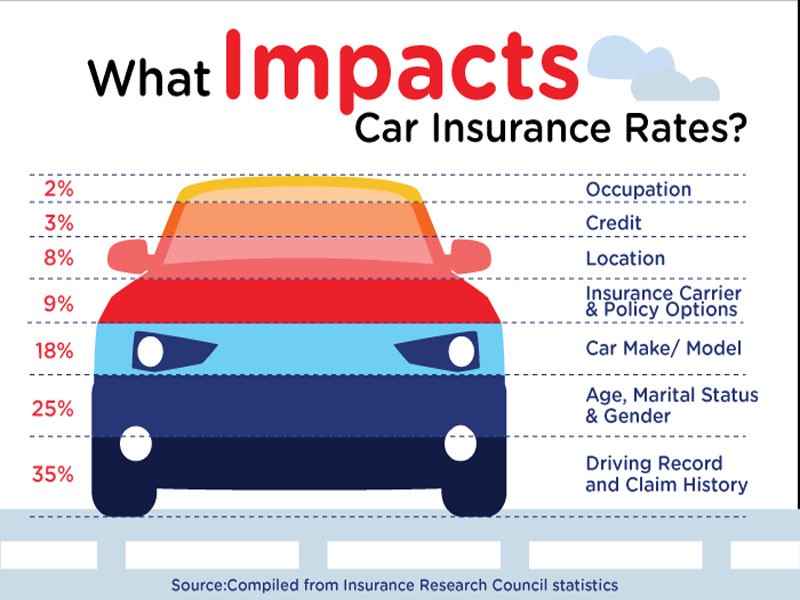
This comprehensive guide will break down all the essential information and documentation you’ll need to gather before approaching an insurance provider. Being prepared with these details won’t just save you time; it will enable you to obtain accurate quotes, compare policies effectively, and ultimately make an informed financial decision. From personal identifiers to vehicle specifics and historical data, let’s delve into the crucial elements that form the foundation of your vehicle insurance application.
Essential Personal and Driver Information
The insurance company’s primary goal is to assess the risk associated with insuring you and anyone else who will regularly operate the vehicle. This assessment heavily relies on detailed personal and driving history information. The more transparent and accurate you are, the smoother the process will be, and the more precise your quotes will reflect your actual risk profile.
Driver’s License Details and Driving History
Your driver’s license is the most critical piece of identification when applying for vehicle insurance. It provides insurers with fundamental data about your legal ability to drive and serves as a key identifier. You will typically need to furnish:
- Full Legal Name and Date of Birth: These are standard identifiers that link your application to your official records.
- Current Address: Your residential address is vital for determining rates, as geographical location significantly impacts insurance premiums due to factors like local accident rates, theft statistics, and population density. Proof of residency might be requested.
- Driver’s License Number: This unique identifier allows the insurer to access your official driving record from state motor vehicle departments.
- License Issue and Expiration Dates: These dates confirm the validity and longevity of your driving privileges.
- Driving History: Be prepared to disclose any accidents, traffic violations (speeding tickets, DUIs), or license suspensions within a specified timeframe (usually the past 3-5 years). Even minor infractions can influence your premium, as they indicate a higher potential risk to the insurer. Honesty here is paramount; omissions can lead to policy cancellation or denied claims later.
Additional Household Drivers
If other individuals will regularly drive the insured vehicle, such as a spouse, children, or roommates living in your household, they must also be listed on your policy. For each additional driver, you will need to provide similar details:
- Full Legal Name and Date of Birth: For identification purposes.
- Relationship to the Primary Policyholder: This helps the insurer understand the household dynamics.
- Driver’s License Number and Driving History: Their driving record will also be factored into the overall risk assessment and premium calculation. Insurers want a complete picture of anyone who might be operating the insured vehicle to accurately price the policy.
Comprehensive Vehicle-Specific Information
Beyond who is driving the vehicle, insurers need extensive details about the vehicle itself. The make, model, year, and even specific features all contribute to the vehicle’s risk profile, affecting everything from potential repair costs to its likelihood of being stolen.
Vehicle Identification Number (VIN)
The Vehicle Identification Number (VIN) is a 17-character alphanumeric code that uniquely identifies your vehicle, much like a social security number for a person. It is an absolute necessity for obtaining an insurance quote and policy. You can typically find the VIN on the driver’s side dashboard (visible through the windshield), on a sticker on the driver’s side door jamb, or on your vehicle’s registration or title document. The VIN allows insurers to instantly access:
- Make, Model, and Year: Confirms the basic identity of the vehicle.
- Engine Type and Body Style: Influences performance and repair costs.
- Factory-Installed Safety Features: Such as airbags, anti-lock brakes (ABS), electronic stability control (ESC), which can lead to discounts.
- Recall History: While not directly used for pricing, it’s part of the vehicle’s comprehensive data.
Vehicle Characteristics and Usage
In addition to the VIN, more specific details about your vehicle and how you intend to use it are crucial for accurate pricing:
- Odometer Reading: The current mileage helps insurers gauge the vehicle’s wear and tear and its likely future usage. High mileage could indicate more time on the road, while very low mileage might suggest a pleasure vehicle.
- Vehicle Trim Level and Features: Information on premium sound systems, navigation, leather interiors, or specialized wheel packages can affect the vehicle’s replacement value and, consequently, your comprehensive and collision premiums.
- Safety and Anti-Theft Devices: Factory-installed or aftermarket security systems (e.g., alarms, GPS trackers, immobilizers) and advanced safety features (e.g., automatic emergency braking, lane-keeping assist) often qualify for discounts as they reduce the risk of theft or accidents.
- Primary Use of the Vehicle: Is it for commuting to work, purely for pleasure, or business purposes? Each use case carries a different level of risk. A long daily commute in heavy traffic will generally have a higher risk profile than a vehicle used only on weekends.
- Estimated Annual Mileage: Providing an estimate of how many miles you expect to drive annually helps refine the risk assessment.
- Overnight Parking Location: Whether your vehicle is parked in a secure garage, a private driveway, or on the street in a high-crime area can significantly impact theft and vandalism risk, influencing your premium.
Financial and Ownership Documentation
Insurance is fundamentally a financial product, and as such, providers need certain financial and ownership details to establish your eligibility, calculate premiums, and ensure proper coverage in the event of a claim.
Proof of Ownership and Lienholder Information
Insurance companies need to verify that you have a legal insurable interest in the vehicle. This means you either own it outright, are making payments on it, or are leasing it.
- Vehicle Title or Registration: These documents serve as official proof of ownership or the legal right to operate the vehicle. They confirm that your name is associated with the vehicle.
- Lienholder or Lessor Details: If you financed your vehicle through a loan or are leasing it, the financial institution (bank, credit union, or dealership) will have a lien on the title. The insurance company will require their name and address. This is because the lienholder often mandates specific coverage levels (e.g., full coverage including collision and comprehensive) to protect their investment. Payments for total losses typically go to the lienholder first.
Current and Previous Insurance Information
While not strictly necessary for obtaining a new policy if you’ve never had insurance before, providing details about your current or previous policies can be highly beneficial:
- Previous Policy Declarations Page: This document outlines your prior coverage types, limits, deductibles, and policy dates. It helps demonstrate a history of continuous coverage, which often qualifies you for loyalty or continuous insurance discounts.
- Claims History: Insurers will ask about any claims you’ve made in the past (e.g., accidents, theft, comprehensive claims). While this might feel like it could increase your rates, an accurate history helps them understand your risk profile. Some insurers even offer “accident forgiveness” programs if you maintain a clean record for a certain period.
- Policy Expiration Date: If you’re switching insurers, knowing your current policy’s expiration date ensures there’s no lapse in coverage, which can be legally problematic and lead to higher future premiums.
Payment Information
Finally, to secure your policy, you’ll need to provide details for payment. Insurance premiums are typically paid monthly, quarterly, or annually.
- Bank Account Information: For automatic withdrawals (ACH payments), which many insurers offer, often with a small discount.
- Credit Card Details: Another common method for regular premium payments.
- Preferred Payment Schedule: Decide whether you prefer to pay upfront for a discount or in installments.
Understanding Your Coverage Options and State Requirements
Before finalizing your policy, it’s vital to have a basic understanding of the different types of coverage available and your state’s minimum legal requirements. This knowledge empowers you to choose a policy that not only meets legal mandates but also adequately protects your financial interests.
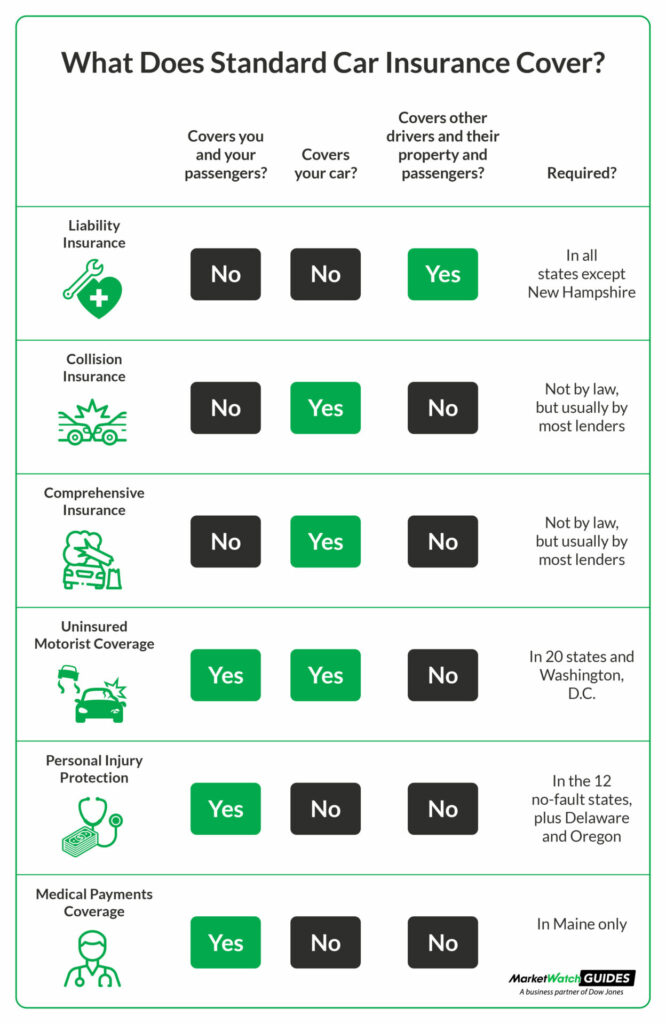
Types of Coverage
- Liability Coverage (Bodily Injury and Property Damage): This is the most fundamental and often legally required coverage. It pays for damages and injuries you cause to others in an at-fault accident.
- Collision Coverage: Pays for damage to your vehicle resulting from a collision with another vehicle or object, regardless of fault.
- Comprehensive Coverage: Protects your vehicle from non-collision-related incidents, such as theft, vandalism, fire, natural disasters, or striking an animal.
- Uninsured/Underinsured Motorist (UM/UIM): Pays for your medical expenses and vehicle damage if you’re involved in an accident with a driver who has no insurance or insufficient insurance.
- Medical Payments (MedPay) / Personal Injury Protection (PIP): Covers medical expenses for you and your passengers, regardless of fault. PIP can also cover lost wages and essential services.
- Other Optional Coverages: Roadside assistance, rental car reimbursement, gap insurance (for financed/leased vehicles), etc.
Deductibles and Limits
Understanding these terms is crucial for managing your financial exposure:
- Deductible: The amount you agree to pay out-of-pocket for a covered claim (e.g., collision or comprehensive) before your insurance coverage kicks in. Higher deductibles typically result in lower premiums, but mean higher upfront costs if you file a claim.
- Limits: The maximum amount your insurance company will pay for a covered loss. For liability, these are typically split (e.g., $25,000 per person for bodily injury, $50,000 per accident for bodily injury, $25,000 for property damage). Choosing higher limits provides greater financial protection.
State Minimum Requirements
Every state mandates a minimum level of liability insurance. It is your financial responsibility to understand and meet these requirements. However, solely relying on state minimums often provides inadequate protection, leaving you financially vulnerable in a serious accident. Financial advisors almost universally recommend carrying higher liability limits to protect your assets from potential lawsuits.
The Application Process: Tips for a Smooth Experience
Once you’ve gathered all the necessary information, the actual application process can be quite straightforward. Here are a few tips to ensure a hassle-free experience:
Gather All Documents First
Before you even start requesting quotes, collect all the information listed above. Having everything at your fingertips will save you from repeatedly stopping and searching for details, making the process much more efficient. Create a checklist and tick off items as you gather them.
Compare Quotes from Multiple Providers
This is perhaps the most significant financial tip for vehicle insurance. Prices for identical coverage can vary wildly between different insurance companies. Utilize online comparison tools, contact independent insurance agents, and directly solicit quotes from major insurers. Look beyond just the lowest premium; consider the company’s reputation for customer service, claims handling, and financial stability (check ratings from agencies like AM Best).
Be Honest and Accurate
Always provide accurate information. Misrepresenting facts on your application, even unintentionally, can lead to serious consequences. If an insurer discovers inaccuracies during the underwriting process or, worse, after a claim, your policy could be canceled retroactively, your claim denied, and you could face legal penalties for insurance fraud. Honesty ensures your policy is valid when you need it most.
Ask Questions and Seek Clarification
Don’t hesitate to ask your insurance agent or company representative questions about anything you don’t understand. Clarify coverage options, deductibles, premium calculations, and any potential discounts you might be eligible for. A knowledgeable financial decision starts with understanding all aspects of the product you are purchasing.

Conclusion
Securing vehicle insurance is a critical financial step for any car owner. By proactively gathering the necessary personal, vehicle, and financial information, you empower yourself to navigate the process with confidence and efficiency. This preparedness not only simplifies getting a quote but also enables you to make an informed decision about your coverage, ensuring you secure a policy that aligns with your budget and adequately protects your assets. Remember, the goal is not just to meet legal requirements, but to achieve peace of mind knowing you’re financially protected on the road.
aViewFromTheCave is a participant in the Amazon Services LLC Associates Program, an affiliate advertising program designed to provide a means for sites to earn advertising fees by advertising and linking to Amazon.com. Amazon, the Amazon logo, AmazonSupply, and the AmazonSupply logo are trademarks of Amazon.com, Inc. or its affiliates. As an Amazon Associate we earn affiliate commissions from qualifying purchases.