
Purchasing car insurance is more than just a legal obligation; it’s a critical component of responsible personal finance and risk management. For most drivers, a vehicle represents a significant asset, and unexpected incidents like accidents, theft, or natural disasters can lead to substantial financial losses if not adequately protected. Understanding how to navigate the car insurance market, compare policies, and make an informed decision can save you thousands of dollars while safeguarding your financial well-being. This guide delves into the financial intricacies of car insurance, offering a strategic approach to securing the best coverage for your needs without overspending.
Understanding the Financial Imperative of Car Insurance
Car insurance serves a dual purpose: it meets legal requirements and provides essential financial protection against unforeseen events. Neglecting proper coverage can expose you to catastrophic financial liabilities, potentially jeopardizing your savings, assets, and future financial stability.
Legal Requirements and Personal Financial Protection
In virtually every state in the U.S., carrying a minimum level of car insurance is a legal mandate. These minimums, often referred to as liability coverage, are designed to protect other drivers and their property in an accident where you are at fault. Driving without this minimum coverage can lead to severe penalties, including fines, license suspension, vehicle impoundment, and even jail time. From a purely financial perspective, failing to comply with these laws is a high-risk gamble that can result in significant legal and financial burdens.
Beyond legal compliance, car insurance is a fundamental tool for personal financial protection. Imagine being at fault in an accident that causes extensive damage to another vehicle or, worse, leads to serious injuries for others. Without adequate insurance, you would be personally responsible for these costs, which can easily run into hundreds of thousands or even millions of dollars. Car insurance acts as a financial shield, transferring this risk from your personal balance sheet to an insurance provider, thereby protecting your accumulated wealth and income from potential judgments or medical bills. It is an investment in your financial peace of mind, ensuring that a single unfortunate incident doesn’t derail your long-term financial goals.
Deciphering Essential Coverage Types
To make a financially sound decision, it’s crucial to understand the different types of car insurance coverage available and how each protects your assets.
- Liability Coverage: This is the most fundamental type of insurance and is legally required in most places. It comprises two main components:
- Bodily Injury Liability: Pays for medical expenses, lost wages, and pain and suffering for others if you’re at fault in an accident.
- Property Damage Liability: Covers damage to another person’s property (their car, fence, building, etc.) if you’re responsible for an accident.
Choosing coverage limits higher than the state minimums is often a wise financial decision, as the minimums are frequently insufficient to cover serious accidents, leaving you personally exposed to the remaining costs.
- Collision Coverage: This pays for damages to your own vehicle resulting from a collision with another car or object, regardless of who is at fault. It’s an essential financial protection for newer or valuable cars, as repair costs can be substantial.
- Comprehensive Coverage: Protects your car against damages not caused by a collision, such as theft, vandalism, fire, natural disasters (hail, floods), or hitting an animal. This is particularly valuable if you live in an area prone to such incidents or if you have an auto loan, as lenders typically require it.
- Uninsured/Underinsured Motorist (UM/UIM) Coverage: This is a crucial financial safeguard. It protects you and your passengers if you’re involved in an accident with a driver who has no insurance or insufficient insurance to cover the damages they caused. Given the number of uninsured drivers on the road, this coverage can prevent you from incurring significant out-of-pocket expenses for your own injuries or property damage.
- Medical Payments (MedPay) or Personal Injury Protection (PIP): These cover medical expenses for you and your passengers, regardless of who is at fault. PIP, available in “no-fault” states, may also cover lost wages and essential services. These coverages supplement your health insurance and can be vital for covering immediate medical costs following an accident.
Understanding these components allows you to tailor a policy that effectively balances premium costs with comprehensive financial protection, aligning with your personal risk tolerance and financial capacity.
Factors Influencing Your Insurance Premiums: A Financial Deep Dive
Car insurance premiums are not arbitrary; they are meticulously calculated based on a complex algorithm of risk assessment. Understanding the key financial indicators that insurers use can empower you to anticipate costs and potentially reduce your premiums. Each factor represents a financial risk metric that directly translates into the price you pay for coverage.
Personal Profile and Driving History as Financial Risk Indicators
Your personal attributes and driving behavior are significant determinants of your insurance costs. Insurers categorize these factors as indicators of your likelihood to file a claim.
- Age and Gender: Younger drivers, especially those under 25, statistically have a higher accident rate due to less driving experience, leading to substantially higher premiums. Gender can also play a minor role, with young male drivers often facing higher rates than their female counterparts due to statistical differences in accident frequency and severity.
- Driving Record: This is arguably the most impactful factor. A clean driving record, free of accidents, traffic violations (speeding tickets, DUIs), or previous claims, signals a lower risk to insurers, resulting in more favorable rates. Conversely, a history of infractions or at-fault accidents will significantly elevate your premiums, sometimes for several years, as you are deemed a higher financial risk.
- Credit Score: In many states, your credit-based insurance score (which is related to, but not identical to, your consumer credit score) is a critical factor. Insurers have found a strong correlation between higher credit scores and a lower likelihood of filing claims. Therefore, maintaining a good credit score can directly translate into lower insurance premiums, making it a vital aspect of your financial health beyond just loans and credit cards.
- Marital Status: Married individuals often receive slightly lower rates than single drivers, as statistical data suggests they tend to be more responsible and less prone to accidents.
Vehicle Characteristics and Geographic Financial Impact
The type of car you drive and where you live and park it also have a profound financial impact on your insurance premiums.
- Make, Model, and Year of Vehicle: The value of your car directly influences the cost of collision and comprehensive coverage. More expensive cars cost more to repair or replace, leading to higher premiums. Certain models are also more frequently stolen or have higher repair costs for parts, which insurers account for. Furthermore, cars equipped with advanced safety features (e.g., anti-lock brakes, airbags, adaptive cruise control) may qualify for discounts, as they reduce the likelihood or severity of accidents.
- Location: Where you live and primarily drive your car is a major rating factor. Urban areas with higher traffic density, greater rates of theft, and more vandalism typically incur higher premiums than rural or suburban areas. Your zip code essentially reflects the statistical risk of accidents and property crimes in your immediate vicinity.
- Annual Mileage: The more you drive, the higher your exposure to risk. Insurers often ask for your estimated annual mileage; lower mileage can sometimes lead to lower premiums, as you’re spending less time on the road.
Policy Structure: Deductibles and Coverage Limits
The financial structure of your policy—specifically your chosen deductibles and coverage limits—directly influences your premiums.
- Deductibles: This is the amount of money you agree to pay out-of-pocket before your insurance coverage kicks in for collision and comprehensive claims. A higher deductible means you assume more financial risk in the event of a claim, which in turn reduces your insurer’s potential payout, resulting in lower premiums. Conversely, a lower deductible means higher premiums but less out-of-pocket expense at the time of a claim. Strategically choosing your deductible involves balancing immediate savings on premiums with your capacity to cover an unexpected expense.
- Coverage Limits: These refer to the maximum amount your insurance company will pay for a covered loss. Higher liability limits, for example, provide greater financial protection against large claims but will also increase your premium. Deciding on appropriate coverage limits requires an assessment of your assets and income, as you want your insurance to adequately protect your financial net worth from potential liabilities.
Navigating the Purchase Process: A Strategic Financial Approach
Purchasing car insurance should be a methodical financial decision, not a rushed transaction. A strategic approach involves careful research, diligent comparison, and an informed selection to ensure you get the best value for your money.
Researching Insurers and Obtaining Competitive Quotes
The first step in a financially astute purchase process is thorough research. The car insurance market is competitive, with numerous providers offering a variety of products.
- Utilize Online Comparison Tools: Websites that allow you to compare multiple insurance quotes from various providers simultaneously are invaluable. These platforms streamline the process, providing a quick overview of potential costs and coverage options. However, always be prepared to provide detailed information to ensure accurate quotes.
- Contact Insurers Directly: While comparison sites are a good starting point, it’s often wise to visit the websites of specific insurers or call them directly. Some companies offer exclusive rates or discounts not available through third-party aggregators.
- Engage with Independent Agents: An independent insurance agent can be a significant asset. They work with multiple insurance companies and can shop around on your behalf, often finding competitive rates and advising on coverage that best suits your financial situation. Unlike captive agents (who work for a single company), independent agents are unbiased in their recommendations.
- Gather Necessary Information: To get accurate quotes, have the following financial and personal information ready: your vehicle’s make, model, year, VIN, and odometer reading; your driving history (accidents, tickets within the last 3-5 years); your address; and information about all drivers in your household (names, dates of birth, driver’s license numbers).
Analyzing and Comparing Policy Offers for Optimal Value
Once you have several quotes, the real financial analysis begins. Don’t simply opt for the cheapest premium; focus on achieving optimal value—the best coverage for your specific financial needs at the most competitive price.
- Compare Apples to Apples: Ensure that each quote offers the same types and levels of coverage. A lower premium might indicate less coverage, which could leave you financially exposed later. Scrutinize the liability limits, deductibles for collision and comprehensive, and the inclusion of add-ons like roadside assistance or rental car reimbursement.
- Review Financial Strength Ratings: Before committing, check the financial strength ratings of the insurance companies (e.g., from A.M. Best, S&P, Moody’s). A financially stable insurer is more likely to pay out claims efficiently and reliably, which is crucial when you need financial support after an incident.
- Read the Fine Print: Pay close attention to policy exclusions, conditions, and claim processes. Understanding these details can prevent unpleasant financial surprises if you ever need to file a claim.
- Consider Customer Service and Claims Reputation: While harder to quantify financially, an insurer’s reputation for customer service and efficient claims handling can be invaluable. A smooth, responsive claims process can minimize stress and delays, ultimately saving you time and potential financial strain during a challenging period. Look at customer reviews and independent satisfaction surveys.
Making an Informed Decision and Securing Your Policy
After thorough comparison, you’re ready to make an informed financial decision.
- Choose Your Policy: Select the policy that best aligns with your budget, risk tolerance, and coverage needs. Don’t hesitate to ask your agent or the insurer’s representative any final questions.
- Payment Options: Understand the available payment plans. Many insurers offer discounts for paying your premium in full upfront, which can be a small but noticeable financial saving. Alternatively, monthly payments may spread the financial burden but might incur a small fee.
- Effective Date: Confirm the effective date of your new policy. Ensure there are no gaps in coverage between your old and new policies, as even a day without insurance can expose you to significant financial risk and legal penalties.
- Receive and Review Policy Documents: Once purchased, carefully review all policy documents. Ensure that all details—coverage limits, deductibles, vehicle information, and driver names—are accurate. Report any discrepancies immediately.
Smart Strategies for Cost Savings on Car Insurance
While obtaining comprehensive coverage is crucial, there are numerous financially savvy strategies you can employ to reduce your car insurance premiums without compromising essential protection.
Leveraging Discounts: A Pathway to Reduced Premiums
Insurers offer a multitude of discounts that can significantly lower your costs. Proactively inquiring about and qualifying for these can be a substantial financial benefit.
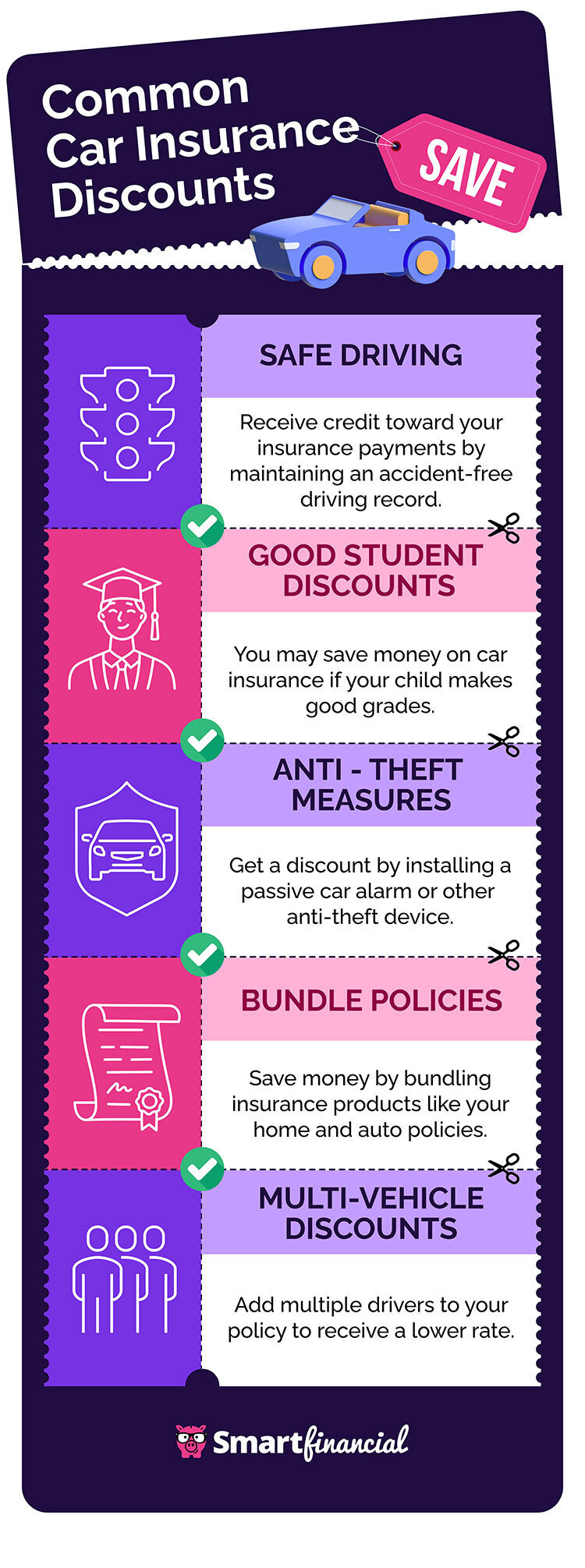
- Multi-Policy/Bundling Discount: One of the easiest ways to save is by bundling your car insurance with other policies, such as homeowners, renters, or life insurance, from the same provider. Insurers often offer considerable discounts for customers who consolidate their policies.
- Good Driver/Safe Driver Discount: Maintaining a clean driving record for a certain period (e.g., 3-5 years) often qualifies you for a discount. Some insurers also offer programs that monitor your driving habits (via telematics devices or apps) and reward safe driving with lower premiums.
- Multi-Car Discount: Insuring multiple vehicles under the same policy, even if they are for different drivers in the same household, typically results in a discount.
- Good Student Discount: Young drivers (typically under 25) who maintain a certain GPA can often qualify for a good student discount, recognizing that academic discipline correlates with responsible driving.
- Vehicle Safety Features Discount: Cars equipped with anti-lock brakes, airbags, anti-theft devices, automatic seatbelts, or advanced driver-assistance systems (ADAS) may receive discounts due to their potential to prevent accidents or reduce their severity.
- Payment Discounts: Paying your premium in full, setting up automatic payments, or opting for paperless billing can sometimes lead to minor discounts.
- Low Mileage Discount: If you drive significantly fewer miles than average, inquire about a low mileage discount, which reflects your reduced exposure to risk.
Always ask your insurance agent about all available discounts; you might be eligible for savings you weren’t aware of.
Optimizing Deductibles and Coverage Levels for Financial Prudence
Strategically adjusting your deductibles and coverage levels can also lead to meaningful savings, provided you understand the financial implications.
- Increase Your Deductible: As discussed, a higher deductible for collision and comprehensive coverage will lower your premium. If you have a robust emergency fund and can comfortably cover a higher out-of-pocket expense in case of a claim, increasing your deductible from, say, $500 to $1,000 or $1,500, can significantly reduce your annual premiums. This is a calculated financial risk, balancing immediate savings with potential future costs.
- Review and Adjust Coverage for Older Vehicles: For older cars that have depreciated significantly, the cost of collision and comprehensive coverage might outweigh the car’s actual cash value. If your car is only worth a few thousand dollars, paying hundreds annually for these coverages might not be financially prudent. Consider dropping collision and/or comprehensive if the potential payout would be less than the annual premium plus your deductible. This is a critical financial decision that should be based on your vehicle’s market value and your personal financial capacity to replace it.
- Maintain Sufficient Liability Limits: While it’s tempting to opt for state minimum liability to save money, this is often a false economy. The financial exposure from serious accidents can easily exceed minimum limits, leaving your personal assets vulnerable. It’s generally wise to carry liability limits that adequately protect your net worth. The small increase in premium for higher liability coverage is a worthwhile investment in financial security.
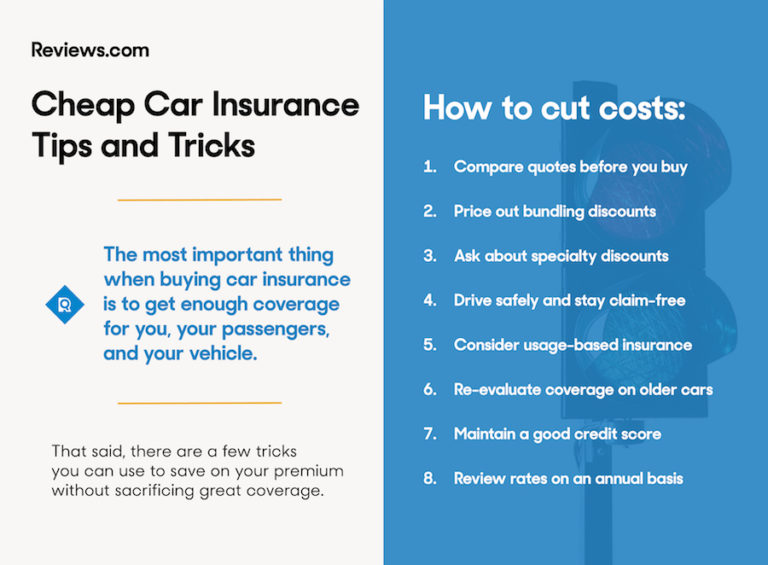
- Consider Usage-Based Insurance: Some insurers offer programs where premiums are based on your actual driving behavior, measured by a device in your car or a smartphone app. If you are a safe and low-risk driver, these programs can lead to significant savings.
By combining an understanding of rating factors, diligent comparison shopping, and proactive discount seeking, you can develop a comprehensive financial strategy for purchasing car insurance that protects your assets without straining your budget.

Conclusion: Securing Your Financial Future on the Road
Purchasing car insurance is a fundamental aspect of sound personal finance. It’s an investment in protection, safeguarding your assets and financial future against the unpredictable nature of the road. By understanding the various coverage types, the factors that influence premiums, and employing strategic comparison and cost-saving measures, you can confidently navigate the market. The goal is not just to find the cheapest policy but to secure the most comprehensive financial protection for your needs, ensuring peace of mind and resilience against unforeseen events. Take the time to research, compare, and optimize your policy—your financial well-being depends on it.
aViewFromTheCave is a participant in the Amazon Services LLC Associates Program, an affiliate advertising program designed to provide a means for sites to earn advertising fees by advertising and linking to Amazon.com. Amazon, the Amazon logo, AmazonSupply, and the AmazonSupply logo are trademarks of Amazon.com, Inc. or its affiliates. As an Amazon Associate we earn affiliate commissions from qualifying purchases.