
Navigating the world of car insurance can often feel like deciphering a complex financial puzzle. For many, it’s a mandatory expense, a legal requirement in most places, yet it also represents a critical financial safeguard against unforeseen events on the road. The ability to effectively get and compare car insurance quotes is not merely about finding the cheapest option; it’s about making an informed financial decision that balances cost, coverage, and peace of mind. In the realm of personal finance, understanding how to secure the best value for your car insurance is as crucial as managing any other significant household expense. This guide will equip you with the knowledge and strategy to confidently embark on your car insurance quote journey, ensuring you secure optimal coverage without overspending.

Understanding Car Insurance and Why Quotes Matter for Your Finances
Before diving into the mechanics of obtaining quotes, it’s essential to grasp the fundamental role car insurance plays in your personal financial landscape. It’s more than just a piece of paper; it’s a robust financial tool designed to protect your assets and liabilities.
The Core Purpose of Car Insurance as a Financial Safety Net
At its heart, car insurance is a contract between you and an insurer, where you pay a premium in exchange for protection against financial losses resulting from accidents, theft, or other covered perils. These losses can be substantial, ranging from minor vehicle repairs to catastrophic medical bills and legal fees in the event of an at-fault accident. Without adequate insurance, a single incident could lead to severe financial hardship, potentially wiping out savings, forcing debt, or even bankruptcy. From a financial perspective, car insurance is a form of risk management, transferring the potential financial burden of an unforeseen event from your personal balance sheet to the insurance company.
The Financial Prudence of Comparison Shopping for Policies
Just as you wouldn’t buy a major appliance or make an investment without comparing options, the same principle applies to car insurance. Premiums for identical coverage can vary significantly between different providers due to diverse underwriting criteria, operational costs, and risk assessments. Simply accepting the first quote you receive is a common financial misstep that can lead to hundreds, if not thousands, of dollars in overspending annually. Comparison shopping allows you to leverage market competition, understand the range of prices available for your specific profile, and ultimately secure a policy that offers the best financial value without compromising necessary protections. It’s an act of financial due diligence that pays dividends.
Legal Requirements and Personal Protection: Balancing Obligations and Needs
Beyond financial prudence, understanding the legal landscape of car insurance is paramount. Most states mandate minimum levels of liability coverage to legally operate a vehicle. This compulsory insurance protects others financially if you are at fault in an accident. However, these minimums often provide insufficient protection for your own assets or extensive damages. Therefore, getting quotes isn’t just about meeting legal obligations; it’s about assessing your personal financial exposure and opting for additional coverages like collision, comprehensive, uninsured/underinsured motorist, and medical payments (PIP) that align with your financial capacity and risk tolerance. A well-chosen policy minimizes your out-of-pocket expenses and shields your wealth, reflecting a financially astute approach to vehicle ownership.
Preparing for Your Quote Search: Essential Information for Accurate Pricing
To receive accurate and competitive car insurance quotes, preparation is key. Gathering all necessary information beforehand streamlines the process and ensures that the quotes you receive are truly comparable and reflective of your specific situation. This due diligence saves time and prevents inaccuracies that could lead to financial surprises later.
Driver-Specific Details: Your Personal Financial Risk Profile
Insurers assess your personal risk profile to determine premiums. This includes a range of personal information:
- Full Name and Date of Birth: To verify identity and age, which is a significant factor in risk assessment (younger drivers often pay more).
- Driver’s License Number: To check driving records and validity.
- Marital Status: Married individuals are sometimes perceived as lower risk, leading to potential financial savings.
- Occupation: Certain professions are associated with lower accident rates, or perhaps less driving, which can influence premiums.
- Address: Your geographical location is a major factor. Urban areas with higher traffic density, theft rates, and accident statistics typically lead to higher premiums.
- Credit Score (where permissible): In many states, insurers use a credit-based insurance score as a predictor of claim likelihood. A good credit score can lead to significant financial advantages in premiums. It’s advisable to check your credit score beforehand to anticipate this factor.
Vehicle Information: The Asset Being Protected
Details about the vehicle(s) you wish to insure are fundamental to the quote process, as they directly impact the potential cost of repairs or replacement, and thus the insurer’s financial exposure.
- Year, Make, Model, and Trim Level: Newer, more expensive, or high-performance vehicles typically cost more to insure due to higher repair/replacement costs.
- Vehicle Identification Number (VIN): This unique identifier allows insurers to precisely identify the vehicle and its features.
- Odometer Reading: To estimate annual mileage, which influences risk. Lower mileage often translates to lower premiums.
- Safety Features: Anti-lock brakes, airbags, anti-theft devices, and advanced driver-assistance systems (ADAS) can lead to discounts because they reduce the likelihood or severity of claims, presenting a direct financial benefit to the policyholder.
Driving History and Records: A Look at Past Financial Liabilities
Your past driving behavior is a strong indicator of future risk. Insurers will delve into:
- Accident History: Dates, fault determination, and severity of past accidents. A history of at-fault accidents signals higher risk and leads to increased premiums.
- Traffic Violations: Speeding tickets, DUIs, reckless driving, etc. These indicate a higher propensity for claims and significantly impact your premium.
- Prior Insurance History: Gaps in coverage or a history of switching insurers frequently without good reason can be viewed negatively, suggesting higher risk or a less stable financial profile. Maintaining continuous coverage is often rewarded with loyalty discounts and lower rates.
Desired Coverage Levels: Tailoring Your Financial Protection
Before getting quotes, consider what level of financial protection you need beyond the state minimums. This involves understanding various coverage types and their financial implications:
- Liability Coverage (Bodily Injury & Property Damage): This protects your assets if you’re at fault in an accident. Higher limits offer greater financial protection but increase premiums.
- Collision Coverage: Pays for damage to your car from a collision, regardless of fault. Essential for newer or financed vehicles, but optional.
- Comprehensive Coverage: Protects against non-collision incidents like theft, vandalism, fire, and natural disasters. Also optional but highly recommended.
- Uninsured/Underinsured Motorist (UM/UIM): Protects you if you’re hit by a driver without enough insurance. A crucial financial safeguard.
- Medical Payments/Personal Injury Protection (PIP): Covers medical expenses for you and your passengers after an accident, regardless of fault.
- Deductibles: The amount you pay out-of-pocket before insurance kicks in. Higher deductibles result in lower premiums (a financial trade-off).
By having all this information at hand, you streamline the quote process and ensure you receive financially accurate and comparable offers.
Navigating the Quote Landscape: Where and How to Get Quotes Effectively
Once prepared, the next step is to actively seek out quotes. The digital age has broadened the avenues available, offering convenience and enabling more comprehensive comparison shopping. Each method has its own advantages for different financial preferences and needs.
Direct from Insurance Companies (Online & Phone)
Many major insurance carriers offer the ability to get a quote directly from their website or by calling a representative.
- Online Portals: Most insurers have user-friendly online tools where you input your details and receive an instant quote. This is convenient, allows you to take your time, and can sometimes reveal online-exclusive discounts.
- Calling a Representative: Speaking directly with an agent allows for personalized advice, clarification on coverage options, and the opportunity to ask specific financial questions related to your policy. They can often identify additional discounts you might qualify for that an online system might miss.
- Pros: Direct access to company-specific policies and potential direct-to-consumer discounts.
- Cons: Requires visiting multiple websites or making multiple calls, which can be time-consuming if you want to compare many insurers.
Independent Insurance Agents: Your Financial Navigator
Independent agents work with multiple insurance companies, acting as a broker between you and various providers.
- Personalized Service: They can assess your needs, recommend suitable coverage levels, and shop around on your behalf with their network of insurers. This saves you significant time and effort.
- Expert Advice: Independent agents often have deep knowledge of the market, including which companies offer the best rates for specific profiles (e.g., young drivers, drivers with a clean record, specific car types) and can explain complex financial aspects of policies.
- Advocacy: In some cases, they can act as an advocate during the claims process or if you have issues with your insurer.
- Pros: Saves time, offers expert advice, access to a wider range of insurers, potentially uncovering more competitive rates or niche policies.
- Cons: They might not work with every insurer, potentially missing out on a few direct-only options.
Online Comparison Websites/Aggregators: The Financial Marketplace
These platforms (e.g., QuoteWizard, The Zebra, NerdWallet) allow you to enter your information once and receive quotes from multiple insurance companies simultaneously.
- Efficiency: The primary benefit is convenience and speed. You can quickly see a range of prices from various providers side-by-side, making initial comparison very easy.
- Broad Overview: Provides a good starting point for understanding the market rate for your profile.
- Pros: Excellent for rapid comparison and identifying potential savings across numerous carriers.
- Cons: Quotes are often estimates and may require further verification with the actual insurer. Not all insurers participate, so you might miss some options. Sometimes, these sites sell your lead information, leading to follow-up calls or emails.
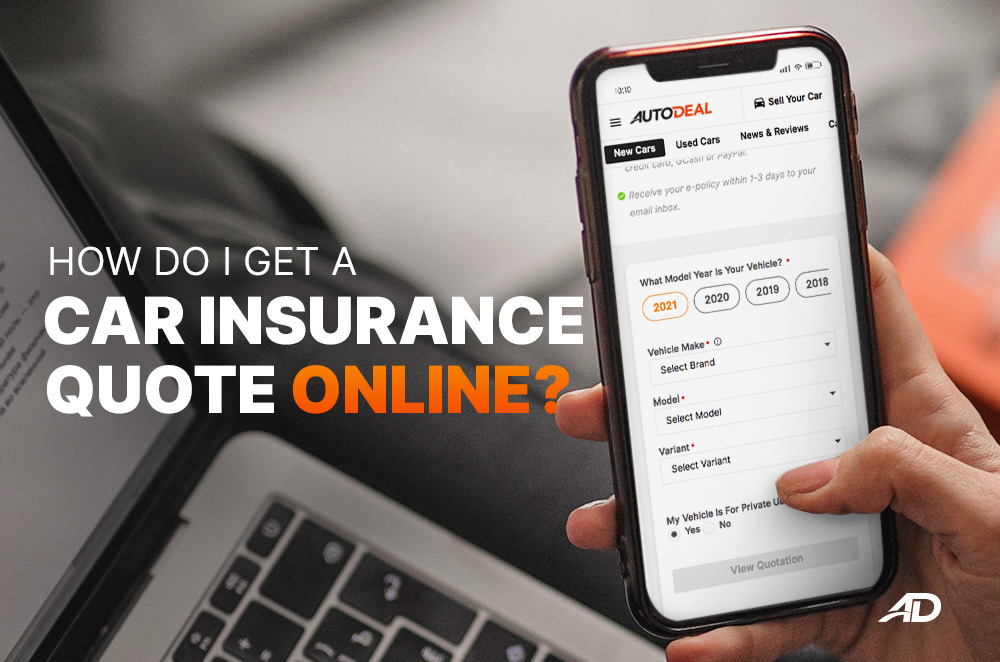
Leveraging Technology: Apps and AI-driven Tools
The financial technology (FinTech) sector is increasingly influencing car insurance. Some apps from insurers or third-party platforms offer:
- Telematics/Usage-Based Insurance: Apps that monitor your driving behavior (speed, braking, mileage) and offer discounts for safe driving. This can translate directly into financial savings for cautious drivers.
- AI-powered recommendations: Some platforms use AI to analyze your profile and recommend policies or coverage adjustments based on vast datasets, aiming to optimize your financial outlay.
- Pros: Potential for personalized discounts based on actual behavior, leveraging data for smarter financial decisions.
- Cons: Privacy concerns regarding data collection. Still evolving, so widespread adoption and significant savings aren’t guaranteed for everyone.
For optimal financial outcomes, consider a multi-pronged approach: use comparison sites for a broad initial overview, then delve deeper by getting direct quotes from a few top contenders and consulting an independent agent.
Deciphering Your Quote: Key Factors Influencing Premiums and Financial Outlay
Once you’ve collected several quotes, the next crucial step is to understand why the numbers differ. Car insurance premiums are the result of complex actuarial calculations, and a multitude of factors contribute to your overall financial commitment. Understanding these helps you identify opportunities for savings or explain discrepancies between quotes.
Personal Demographics: The Foundational Financial Risk Assessment
- Age and Gender: Statistically, younger drivers (especially males under 25) are deemed higher risk due to inexperience, leading to significantly higher premiums. Rates tend to decrease with age and stabilize through middle age, before potentially rising slightly again in very senior years.
- Location (Zip Code): Urban areas with higher crime rates, traffic congestion, and accident frequencies invariably lead to higher premiums. Living in a safe, suburban area often translates to lower costs.
- Marital Status: Married individuals are statistically less likely to file claims, often resulting in lower rates.
- Occupation: Certain professions (e.g., those requiring extensive driving) might incur higher premiums, while others (e.g., remote workers) might qualify for discounts due to lower mileage.
Vehicle Type and Usage: The Cost of the Asset Itself
- Make, Model, Year: The cost to repair or replace your vehicle is a primary driver of premiums. High-performance, luxury, or frequently stolen models will cost more to insure. Parts availability and cost also play a role.
- Safety Features: Vehicles equipped with advanced safety features (e.g., automatic emergency braking, lane-keeping assist) often qualify for discounts because they reduce the likelihood or severity of accidents, mitigating the insurer’s financial risk.
- Anti-Theft Devices: Alarms, immobilizers, and GPS tracking can lead to discounts by reducing the risk of theft.
- Annual Mileage: The more you drive, the higher your risk of an accident. Lower mileage often translates to lower premiums, sometimes through specific low-mileage programs.
Driving Record and Claims History: Your Financial Responsibility Score
- Accidents (At-Fault vs. Not-At-Fault): Your history of accidents, particularly those for which you were at fault, is a major premium determinant. Accidents stay on your record for a number of years (typically 3-5), increasing your rates.
- Traffic Violations: Speeding tickets, DUIs, reckless driving, and other moving violations signal higher risk and result in substantial premium increases.
- Prior Insurance History: Maintaining continuous coverage signals financial responsibility and often earns loyalty discounts. Gaps in coverage can lead to higher rates.
Credit Score (Where Applicable): A Financial Predictor
In many states, insurers use a credit-based insurance score as a strong predictor of future claims. Individuals with higher credit scores are statistically less likely to file claims, and thus often qualify for lower premiums. This highlights the interconnectedness of various aspects of your personal finance. While you cannot change your credit score instantly, being aware of its impact is crucial.
Chosen Coverage Limits and Deductibles: Your Financial Trade-offs
- Higher Liability Limits: While offering greater financial protection for your assets, higher liability limits naturally lead to higher premiums.
- Collision and Comprehensive Coverage: Opting for these additional coverages increases your premium but offers extensive protection for your own vehicle.
- Deductibles: This is a direct financial trade-off. Choosing a higher deductible (the amount you pay out-of-pocket before insurance kicks in) will lower your premium, but means you’ll pay more upfront in the event of a claim. Conversely, a lower deductible means higher premiums. You must choose a deductible that you can comfortably afford in an emergency.
Discounts: Unlocking Financial Savings
Always inquire about potential discounts. These can significantly reduce your financial outlay:
- Multi-Policy/Bundling: Combining car insurance with home or renters insurance.
- Multi-Car Discount: Insuring multiple vehicles with the same company.
- Good Driver/Safe Driver: For drivers with a clean record over a specified period.
- Good Student: For young drivers with strong academic performance.
- Defensive Driving Course: Completing an approved safety course.
- Student Away at School: If a dependent driver is attending school far from home without a car.
- Low Annual Mileage: For those who drive less than average.
- Payment Method: Auto-pay, paid-in-full, or paperless billing discounts.
Understanding these factors allows you to not only compare quotes accurately but also identify areas where you might adjust your behavior or coverage choices to optimize your financial investment in car insurance.
Making an Informed Financial Decision: Beyond the Premium Price Tag
While the premium is a significant factor in your decision, a truly informed financial choice extends beyond just the lowest price. It involves evaluating the overall value proposition of an insurance provider and its policy.
Assessing Company Reputation and Financial Stability
The cheapest policy is not a good deal if the company isn’t financially stable enough to pay out claims or has a reputation for poor service.
- Financial Ratings: Check independent ratings from agencies like A.M. Best, Moody’s, or Standard & Poor’s. A strong rating indicates the company’s ability to meet its financial obligations.
- Customer Reviews: Look for reviews and complaints on consumer watchdog sites, the Better Business Bureau, and state insurance department websites. Pay attention to how the company handles claims and customer service. A company with a poor track record can turn a seemingly good financial deal into a frustrating and costly experience when you need them most.
Understanding Policy Inclusions and Exclusions
Never assume all policies offer the same coverage, even if they have similar names.
- Read the Fine Print: Carefully review the declarations page and policy documents. Understand what exactly is covered, what are the limits, and what specific scenarios are excluded.
- Per-Person/Per-Accident Limits: For liability, understand the split limits (e.g., $100,000 per person/$300,000 per accident). Are these sufficient to protect your financial assets?
- Exclusions: Be aware of common exclusions, such as intentional damage, racing, or using your personal vehicle for commercial purposes without specific endorsement. These exclusions can create significant financial gaps if you’re not careful.
Customer Service and Claims Processing Efficiency
When an accident occurs, efficient and supportive customer service is invaluable.
- Accessibility: How easy is it to reach a representative? Are they available 24/7 for claims?
- Claims Process: Research the company’s claims handling process. Is it straightforward and transparent? Do they have a reputation for quick and fair payouts, or are customers often left waiting or fighting for their due? Delays or disputes in claims can lead to additional financial stress and out-of-pocket expenses. A smooth claims process translates directly into a more reliable financial safety net.

The Long-Term Value vs. Short-Term Cost
Ultimately, selecting car insurance is a strategic financial decision. While a lower premium might be attractive in the short term, a policy from a reputable insurer with excellent customer service and comprehensive coverage offers greater long-term value. It minimizes the risk of significant financial loss in the event of an incident, ensures peace of mind, and provides reliable support when you need it most. Factor in potential rate stability, loyalty programs, and bundling opportunities that could offer greater financial advantages over several years, rather than just focusing on the current policy term.
Conclusion
Securing a car insurance quote is a fundamental aspect of responsible personal finance for any vehicle owner. It’s a process that demands preparation, diligent comparison, and a thorough understanding of the factors that influence your premiums. By meticulously gathering your information, exploring various avenues for quotes, dissecting the contributing factors to your rates, and critically evaluating the broader value proposition of each insurer, you empower yourself to make a financially savvy decision. The goal isn’t just to find the cheapest policy, but to invest wisely in a financial safeguard that offers adequate protection, reliable service, and true peace of mind on the road, ensuring your assets are protected and your financial future remains secure.
aViewFromTheCave is a participant in the Amazon Services LLC Associates Program, an affiliate advertising program designed to provide a means for sites to earn advertising fees by advertising and linking to Amazon.com. Amazon, the Amazon logo, AmazonSupply, and the AmazonSupply logo are trademarks of Amazon.com, Inc. or its affiliates. As an Amazon Associate we earn affiliate commissions from qualifying purchases.