
In the intricate tapestry of personal finance, few metrics hold as much immediate and profound significance as your annual income. It’s not merely a number on a payslip; it’s the fundamental measure of your earning power, the bedrock upon which all financial planning, budgeting, and future aspirations are built. For many, the question “What’s my annual income?” might seem straightforward, a figure instantly recalled from a recent tax return or employment contract. However, a truly insightful understanding goes far beyond the headline number, encompassing various income streams, deductions, and their implications for your financial well-being.
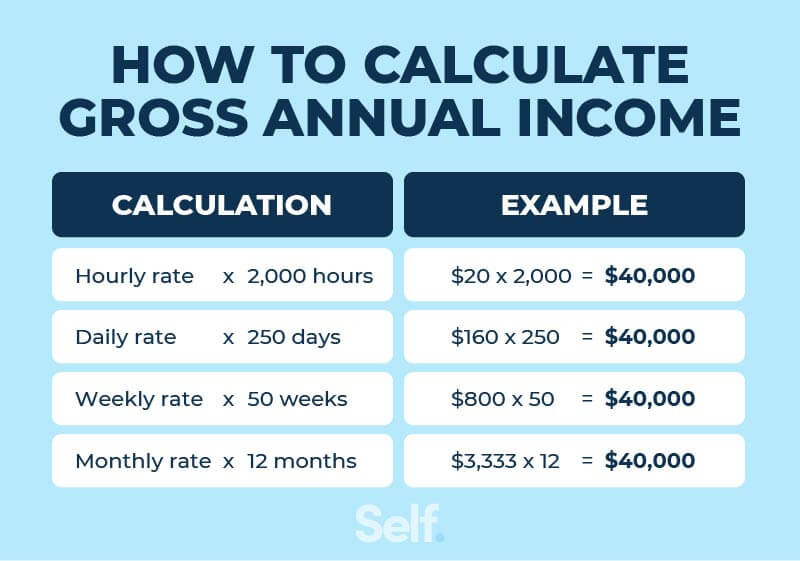
This comprehensive guide delves into the nuances of annual income, exploring how to accurately calculate it, why this figure is paramount for every aspect of your financial life, the myriad factors that influence it, and actionable strategies to not only understand it better but also enhance it over time. Whether you’re a seasoned professional, a freelancer navigating multiple revenue streams, or just starting your career, a clear grasp of your annual income is the first indispensable step towards achieving financial clarity and security.
Defining and Calculating Your Annual Income
Before you can effectively manage or grow your money, you must first accurately quantify how much of it you’re bringing in. Annual income, at its core, represents the total amount of money an individual or household earns over a 12-month period. Yet, this simple definition masks a crucial distinction and several components that require careful consideration.
Gross vs. Net Income: The Fundamental Distinction
The first, and perhaps most critical, distinction to make is between gross annual income and net annual income.
- Gross Annual Income: This is your total earnings before any taxes, deductions, or withholdings are taken out. For an employee, this is typically your base salary plus any bonuses, commissions, overtime pay, or other taxable benefits received over the year. For a self-employed individual or business owner, it’s the total revenue generated before business expenses. Gross income is often the figure employers quote, and it’s what’s used for many loan applications and eligibility criteria.
- Net Annual Income: Also known as “take-home pay,” this is the amount of money you actually receive after all mandatory and voluntary deductions have been made. These deductions typically include federal, state, and local income taxes, Social Security and Medicare contributions (FICA), health insurance premiums, retirement plan contributions (e.g., 401(k), IRA), and other pre-tax or post-tax withholdings. Net income is what you live on, what you budget with, and what directly impacts your daily financial decisions.
Understanding both figures is vital. Gross income gives you a sense of your overall earning power, while net income reflects your actual disposable income.
Components of Your Annual Income: Beyond the Paycheck
Your annual income often comprises more than just your regular salary or wages. To get a complete picture, consider all potential income sources:
- Wages and Salaries: The most common form of income for employees.
- Bonuses and Commissions: Performance-based pay, often variable.
- Overtime Pay: Additional pay for hours worked beyond standard workweek.
- Tips: Common in service industries, these are taxable income.
- Freelance or Gig Economy Earnings: Income from side hustles, contract work, or platforms like Uber, Airbnb, Upwork, or Etsy.
- Business Income: Profits from a sole proprietorship, partnership, or corporation.
- Rental Income: Money earned from renting out properties.
- Investment Income:
- Dividends: Payments from stock ownership.
- Interest: Earnings from savings accounts, bonds, or loans.
- Capital Gains: Profits from selling assets (stocks, real estate) for more than their purchase price.
- Retirement Income: Pensions, annuities, and distributions from retirement accounts (e.g., 401(k), IRA) if you’re retired.
- Social Security Benefits: Government-provided benefits for retirees, disabled individuals, or survivors.
- Alimony or Child Support: Regular payments received from a former spouse or parent.
- Royalties: Payments for the use of intellectual property (books, music, patents).
Practical Steps to Calculate Your Total Annual Income
To calculate your total annual income accurately, gather all relevant financial documents:
- For Employees:
- W-2 Forms: Your employer provides this summary of your annual wages and taxes withheld.
- Pay Stubs: Review all pay stubs from the year, especially if your income or deductions varied.
- Bonus/Commission Statements: Keep track of any additional payments.
- Benefits Statements: Factor in any taxable benefits.
- For Self-Employed/Freelancers:
- 1099 Forms: Clients or platforms will send these for income over a certain threshold.
- Invoices and Payment Records: Maintain meticulous records of all income received.
- Bank Statements: Cross-reference deposits with your records.
- For Other Income Sources:
- 1099-INT (Interest Income), 1099-DIV (Dividend Income), 1099-B (Brokerage Transactions): Investment firms provide these.
- K-1 Forms: For partnership or S-Corp income.
- Rental Income Ledgers: Document all rent received and expenses paid.
- Social Security Benefit Statements.
Sum up all your gross income sources to get your total gross annual income. Then, subtract all mandatory and voluntary pre-tax and post-tax deductions to arrive at your total net annual income. This comprehensive calculation provides a robust financial baseline.
Why Knowing Your Annual Income is Crucial
Understanding your annual income isn’t just an academic exercise; it’s a critical component of sound financial management. It directly impacts your ability to make informed decisions across virtually every aspect of your financial life.
Budgeting and Financial Planning
Your net annual income forms the foundation of your personal budget. Without knowing how much you actually take home, creating a realistic spending plan is impossible. A clear income figure allows you to:
- Allocate Funds: Distribute money to essentials (housing, food, transportation), debt payments, savings, and discretionary spending.
- Identify Spending Limits: Prevent overspending and ensure your outflows don’t exceed your inflows.
- Track Progress: Monitor your financial health and adjust your budget as needed.
- Set Realistic Goals: Plan for short-term and long-term financial objectives, from saving for a down payment to funding retirement.
Debt Management and Loan Eligibility
Lenders heavily rely on your annual income to assess your creditworthiness and ability to repay debt.
- Loan Applications: Whether for a mortgage, car loan, or personal loan, your income is a primary factor in determining how much you can borrow and at what interest rate. Lenders use debt-to-income (DTI) ratios, comparing your monthly debt payments to your gross monthly income.
- Credit Card Limits: Higher income often correlates with higher credit limits.
- Debt Repayment Strategy: Knowing your disposable income (net income minus essential expenses) helps you formulate an effective strategy to pay down existing debts more aggressively.
Tax Planning and Compliance
Your gross annual income dictates your tax bracket and your overall tax liability.
- Accurate Tax Filings: Knowing all sources of income ensures you file accurate tax returns, avoiding penalties or audits.
- Tax Planning Strategies: Understanding your income allows you to explore tax-saving strategies, such as maximizing pre-tax retirement contributions, utilizing deductions, or identifying credits you qualify for.
- Withholding Adjustments: You can adjust your W-4 form to ensure the correct amount of tax is withheld from your paycheck, preventing a large tax bill or overpayment.
Long-Term Goal Setting and Wealth Accumulation
Ultimately, your annual income is the engine for building wealth and achieving long-term financial independence.
- Retirement Planning: Your income determines how much you can realistically contribute to retirement accounts and influences projections for your future financial needs.
- Investment Capacity: A higher income generally allows for greater savings and investment, accelerating wealth accumulation.
- Major Life Purchases: Planning for a home, higher education, or starting a business all depend on your earning capacity and ability to save and invest from your annual income.
- Financial Freedom: Understanding and optimizing your income is central to creating a path toward financial freedom, where your investments can eventually cover your living expenses.
Factors Influencing Your Annual Income
Your annual income is not a static figure; it’s a dynamic reflection of various personal, professional, and economic forces. Understanding these influences can empower you to make strategic decisions for income growth.
Industry, Experience, and Education
These are often the most direct determinants of earning potential:
- Industry Demand: Sectors with high demand for specialized skills (e.g., tech, healthcare, engineering) typically command higher salaries. Conversely, declining industries may offer lower pay or fewer opportunities.
- Experience Level: As you gain more experience and expertise within your field, your value to employers generally increases, leading to higher compensation. Entry-level positions naturally pay less than senior or executive roles.
- Education and Certifications: Higher education degrees (Bachelor’s, Master’s, Ph.D.) and professional certifications (e.g., PMP, CPA) can significantly boost earning potential, especially in professions that require specialized knowledge.

Location and Cost of Living
Where you live can have a substantial impact on your income, even for the same job role.
- Geographic Pay Differentials: Salaries for identical positions can vary widely between cities and states, often reflecting the local cost of living and labor market conditions. Major metropolitan areas typically offer higher wages to offset higher expenses.
- Regional Economic Health: Regions with robust economies, strong job growth, and a concentration of high-paying industries tend to offer better compensation opportunities.
Economic Conditions and Market Demand
Broader economic forces play a significant role in influencing income levels:
- Economic Cycles: During periods of economic growth and expansion, businesses tend to hire more and offer better compensation. Recessions can lead to layoffs, salary freezes, or even pay cuts.
- Supply and Demand for Skills: If there’s a high demand for a particular skill set but a limited supply of qualified professionals, wages for those skills will typically be higher. Conversely, an oversupply of workers in a particular field can depress wages.
- Inflation: While not directly increasing your nominal income, high inflation can erode the purchasing power of your income, effectively reducing your real annual income if wages don’t keep pace.
Negotiation Skills and Professional Development
Beyond external factors, your individual efforts and aptitudes are critical:
- Salary Negotiation: Your ability to effectively negotiate your salary during hiring or performance reviews can significantly impact your annual income throughout your career. Many people leave money on the table by not negotiating.
- Professional Networking: Building a strong professional network can open doors to higher-paying opportunities, promotions, and mentorship that fosters career growth.
- Performance and Productivity: High-performing employees who consistently exceed expectations are more likely to receive raises, promotions, and bonuses, directly increasing their annual income.
Strategies to Increase Your Annual Income
Once you have a clear understanding of your current annual income, the next logical step is to explore avenues for increasing it. This isn’t just about earning more; it’s about strategically enhancing your financial potential.
Skill Enhancement and Continuous Learning
Investing in yourself is one of the most effective ways to boost your income.
- Acquire In-Demand Skills: Research which skills are highly valued in your industry or in growing sectors. This could involve learning new software, programming languages, data analytics, digital marketing, or project management methodologies.
- Pursue Higher Education or Certifications: Consider an advanced degree, a specialized certification, or vocational training that could qualify you for higher-paying roles.
- Online Courses and Workshops: Platforms like Coursera, edX, LinkedIn Learning, and local community colleges offer affordable ways to gain new skills and knowledge.
- Attend Industry Conferences: Stay updated on industry trends and network with peers and potential employers.
Strategic Career Moves and Job Negotiation
Be proactive in managing your career trajectory.
- Internal Promotion: Focus on excelling in your current role, taking on additional responsibilities, and demonstrating leadership qualities to position yourself for promotions within your existing company.
- Job Hopping: Sometimes, the fastest way to a significant salary increase is to move to a new company that values your skills more or offers a higher pay band for your experience level. Be strategic about these moves.
- Master Salary Negotiation: When applying for a new job or seeking a raise, research market rates for your role and experience. Confidently articulate your value and negotiate for a compensation package that reflects your worth, including salary, bonuses, benefits, and equity.
- Request a Raise: Don’t wait for your employer to offer. Prepare a strong case outlining your accomplishments, added value, and market research for similar roles, then schedule a meeting to request a raise.
Exploring Supplementary Income Streams (Side Hustles, Investments)
Your primary job isn’t your only source of income.
- Side Hustles: Leverage your existing skills or develop new ones to earn extra income outside your main employment. This could include freelancing, consulting, tutoring, pet-sitting, driving for ride-shares, creating content, or selling products online.
- Online Income Generation: Explore opportunities in the digital realm such as blogging, affiliate marketing, e-commerce (dropshipping, Etsy), online courses, or managing social media for small businesses.
- Dividend-Paying Stocks: Invest in companies that regularly pay dividends, providing a passive income stream.
- Rental Properties: If feasible, investing in real estate for rental income can significantly boost your annual earnings.
- High-Yield Savings Accounts or CDs: While not as high-growth as stocks, these provide a secure way to earn interest on your savings.
Entrepreneurship and Business Ventures
For those with an entrepreneurial spirit, starting your own business can offer unlimited income potential.
- Start a Small Business: Identify a market need and create a product or service to fulfill it. This requires significant dedication but can offer substantial financial rewards.
- Franchising: Invest in a proven business model by purchasing a franchise.
- Consulting: If you have deep expertise in a particular area, offer your services as a consultant to various clients.
While entrepreneurship comes with risks, the upside potential for annual income can far exceed traditional employment.
Leveraging Your Annual Income for Future Growth
Understanding and increasing your annual income are crucial steps, but the ultimate goal is to leverage that income to build lasting financial security and wealth. Your income isn’t just for today’s expenses; it’s a tool for tomorrow’s prosperity.
Smart Investing and Asset Building
The most powerful way to grow your money is through strategic investing.
- Automate Savings and Investments: Set up automatic transfers from your checking account to your savings and investment accounts each payday. “Pay yourself first.”
- Maximize Retirement Contributions: Take full advantage of employer-sponsored retirement plans like 401(k)s (especially if there’s an employer match) and individual retirement accounts (IRAs). The power of compounding over decades can turn even modest contributions into substantial sums.
- Diversify Your Portfolio: Don’t put all your eggs in one basket. Invest across different asset classes (stocks, bonds, real estate, mutual funds, ETFs) to mitigate risk and capture growth opportunities.
- Educate Yourself: Learn about different investment strategies, risk tolerance, and market dynamics to make informed decisions. Consider working with a qualified financial advisor.
Debt Reduction and Financial Freedom
High-interest debt can be a significant drain on your annual income. Prioritizing its reduction frees up more money for savings and investments.
- Prioritize High-Interest Debt: Focus on paying off credit card debt, personal loans, or other high-interest obligations first, as they consume a larger portion of your income through interest payments.
- Debt Snowball or Avalanche Method: Choose a repayment strategy that works for you. The “debt snowball” pays off smallest debts first for motivational wins, while the “debt avalanche” tackles highest-interest debts first for maximum financial efficiency.
- Refinance Loans: Explore options to refinance high-interest loans (e.g., student loans, mortgages) to secure lower interest rates and reduce monthly payments, freeing up cash flow.

Protecting Your Income: Insurance and Emergency Funds
Your ability to earn income is your greatest financial asset, and it needs protection.
- Build an Emergency Fund: Aim to save 3-6 months’ worth of living expenses in an easily accessible, high-yield savings account. This fund acts as a buffer against unexpected job loss, medical emergencies, or other financial shocks, preventing you from going into debt or disrupting your long-term plans.
- Disability Insurance: This insurance replaces a portion of your income if you become unable to work due to illness or injury. It’s often overlooked but critically important, especially if you rely solely on your earned income.
- Life Insurance: If you have dependents, life insurance provides a financial safety net for them in the event of your premature death, ensuring their financial well-being and covering outstanding debts.
- Health Insurance: Adequate health insurance protects you from devastating medical bills, which can quickly wipe out savings and jeopardize your financial stability.
By taking a holistic approach—from accurately calculating your annual income to strategically increasing it and prudently leveraging it for future growth—you empower yourself to navigate the complexities of personal finance with confidence and build a secure, prosperous future. Your annual income is more than a number; it’s the engine of your financial journey.
aViewFromTheCave is a participant in the Amazon Services LLC Associates Program, an affiliate advertising program designed to provide a means for sites to earn advertising fees by advertising and linking to Amazon.com. Amazon, the Amazon logo, AmazonSupply, and the AmazonSupply logo are trademarks of Amazon.com, Inc. or its affiliates. As an Amazon Associate we earn affiliate commissions from qualifying purchases.