
Inflation is a term frequently heard in financial news, economic discussions, and even everyday conversations about the cost of living. Yet, its precise meaning, causes, and pervasive effects on personal finances and the broader economy are often misunderstood. At its core, inflation represents the rate at which the general level of prices for goods and services is rising, and, consequently, the purchasing power of currency is falling. This fundamental economic concept is crucial for anyone managing money, investing, or simply trying to understand the financial landscape. Grasping “what is inflation” is not merely an academic exercise; it is essential for making informed financial decisions and protecting your wealth in an ever-changing economic environment.

The Fundamentals of Inflation: Definition and Measurement
To truly comprehend inflation, one must first establish a clear definition and understand how economists and policymakers track its movement. It’s more than just a single price going up; it’s a broad, sustained increase across many sectors of the economy.
Defining Inflation: More Money, Less Value
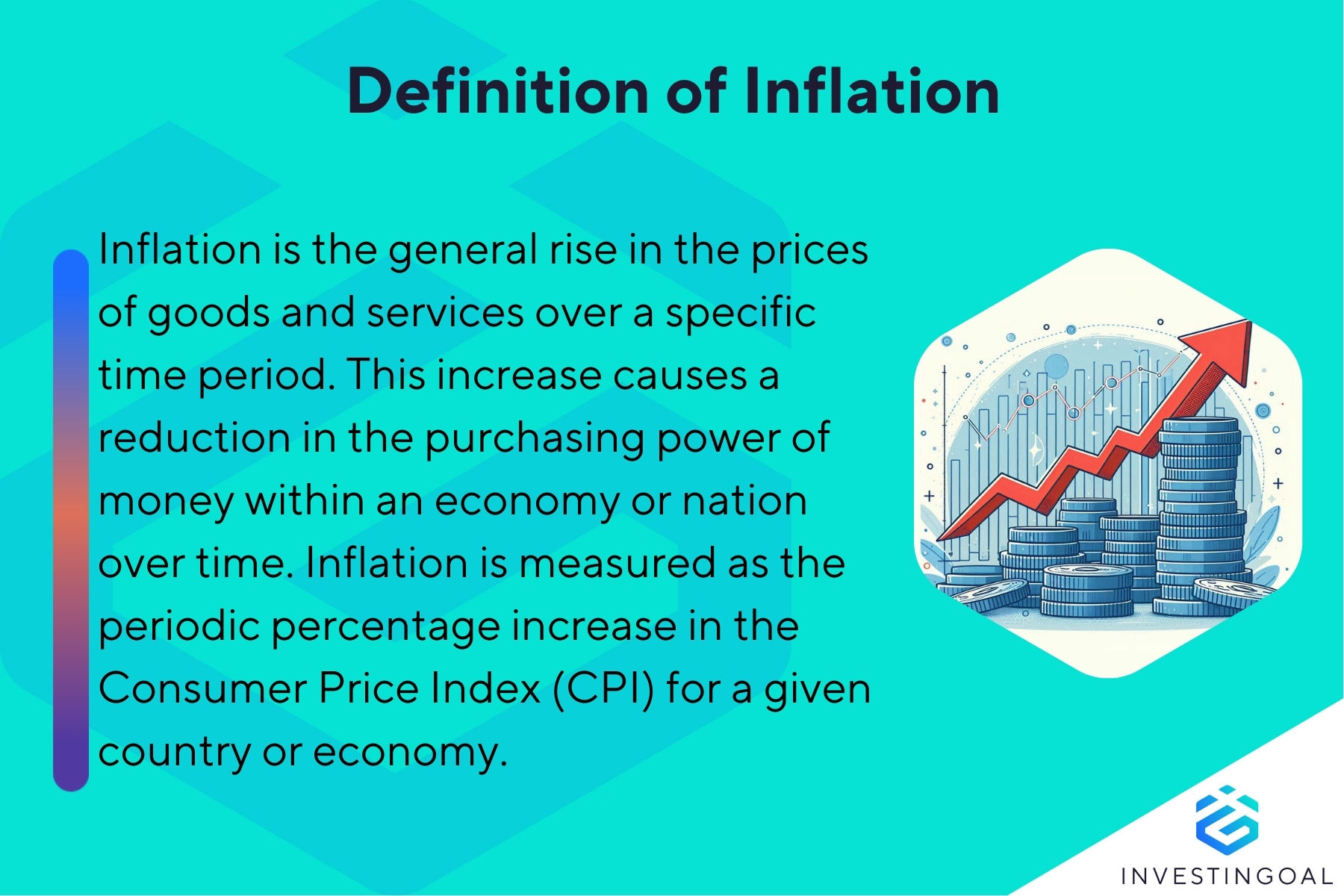
In simple terms, inflation means that your money buys less today than it did yesterday. If a loaf of bread costs $2 today and $2.20 a year from now, the price of bread has inflated by 10%. When this phenomenon occurs across a wide array of goods and services – from groceries and gasoline to housing and healthcare – the economy is experiencing inflation. It’s a measure of the erosion of purchasing power over time. This erosion can significantly impact your savings, investments, and overall financial planning, making it harder to achieve long-term financial goals without adequate strategies in place.
It’s crucial to distinguish inflation from mere price fluctuations. A temporary surge in the price of a single product due to supply chain issues or seasonal demand does not constitute inflation. Inflation refers to a sustained increase in the general price level across an economy, affecting the average cost of living. This broadness is key to its definition and differentiates it from microeconomic price changes.
How Inflation is Measured: The Consumer Price Index (CPI) and Beyond
Measuring inflation accurately is vital for governments, central banks, and individuals. The most widely recognized metric for consumer inflation is the Consumer Price Index (CPI). Produced by statistical agencies (like the Bureau of Labor Statistics in the U.S.), the CPI measures the average change over time in the prices paid by urban consumers for a market basket of consumer goods and services.
Here’s how the CPI generally works:
- The “Basket”: Economists select a representative “basket” of goods and services that a typical household consumes. This basket includes a wide range of categories such as food, housing, transportation, medical care, education, and recreation. The items within the basket are weighted according to their importance in average household spending.
- Price Collection: Prices for these items are collected regularly (e.g., monthly) from various retail outlets and service providers across different geographical areas.
- Calculation: The current cost of this basket is compared to its cost in a pre-selected base period. The percentage change over time reflects the inflation rate. For example, if the basket cost $100 in the base year and now costs $103, the inflation rate is 3%.
While CPI is dominant, other measures provide additional insights:
- Producer Price Index (PPI): This measures the average change over time in the selling prices received by domestic producers for their output. It’s often seen as an early indicator of future consumer inflation, as producers’ costs eventually pass down to consumers.
- Personal Consumption Expenditures (PCE) Index: Favored by the U.S. Federal Reserve, the PCE index measures price changes for all goods and services purchased by consumers. It differs from CPI in its formula, scope (includes non-profit institutions serving households), and weighting (allowing for substitution effects when prices change).
- Core Inflation: Both CPI and PCE can be reported as “headline” (all items) or “core” (excluding volatile food and energy prices). Core inflation is often preferred by policymakers to gauge underlying inflationary trends, as food and energy prices can swing wildly due to factors like weather or geopolitical events, obscuring the broader economic picture.
Understanding these measurements is crucial for interpreting economic data and appreciating the nuances of inflation.
Unpacking the Causes and Types of Inflation
Inflation isn’t a monolithic phenomenon; it arises from various economic pressures and manifests in different forms, each with unique implications. Recognizing the underlying causes helps in understanding economic forecasts and policy responses.
The Driving Forces: Why Prices Rise
Economists generally categorize the causes of inflation into three main types:
Demand-Pull Inflation
This occurs when aggregate demand in an economy outstrips the aggregate supply of goods and services. Simply put, “too much money chasing too few goods.” When consumers, businesses, and governments collectively want to buy more than the economy can produce, prices are bid up.
- Factors contributing to demand-pull inflation: Strong consumer confidence leading to increased spending, expansionary monetary policy (e.g., lower interest rates, quantitative easing) that injects more money into the system, or significant government spending programs. When unemployment is low and wages are rising, consumers have more disposable income, further fueling demand.
Cost-Push Inflation
This type of inflation arises from increases in the cost of producing goods and services, which producers then pass on to consumers in the form of higher prices. This isn’t about increased demand but about constrained supply or higher input costs.
- Factors contributing to cost-push inflation:
- Rising raw material costs: Increases in the price of essential commodities like oil, natural gas, or agricultural products.
- Wage increases: If labor unions negotiate significant wage hikes, or if there’s a shortage of skilled labor, businesses’ wage bills rise, leading to higher prices.
- Supply chain disruptions: Events like natural disasters, pandemics, or geopolitical conflicts can disrupt the flow of goods, making them scarcer and more expensive to acquire and transport.
- Increased taxes or regulations: Government policies that raise the cost of doing business.
Built-in Inflation (Wage-Price Spiral)
This is often described as adaptive expectations, where people expect current inflation rates to continue into the future. If workers expect prices to rise, they demand higher wages to maintain their purchasing power. Businesses, in turn, respond to higher labor costs by raising prices, leading to a self-fuluating cycle. This can create a “wage-price spiral” where rising wages lead to rising prices, which then lead to demands for even higher wages, and so on.
Different Faces of Rising Prices: Types of Inflation
Inflation can also be classified by its severity or rate:
- Creeping or Moderate Inflation (2-3%): This is generally considered healthy for an economy. It encourages spending and investment (as money held loses value over time) and provides businesses with flexibility to adjust prices and wages. Most central banks target a low, stable rate of inflation, typically around 2%.
- Walking or Trotting Inflation (3-10%): When inflation starts to accelerate, it can be a warning sign. People begin to spend money more quickly to avoid future price increases, potentially leading to instability.
- Galloping or Hyperinflation (Double, Triple-Digit, or More): This is a rapid and out-of-control inflation rate, where prices increase by 20%, 100%, or even a million percent per month. Hyperinflation devastates an economy, causing severe economic instability, collapse of the currency, and widespread poverty. Historic examples include Weimar Germany in the 1920s and Zimbabwe in the 2000s.
- Stagflation: A particularly challenging economic situation characterized by a combination of high inflation, slow economic growth (stagnation), and high unemployment. This contradicts traditional economic theories that suggest inflation and unemployment have an inverse relationship. The 1970s experienced stagflation due to oil shocks.
Understanding these different types and their causes is crucial for policymakers attempting to manage economic stability and for individuals trying to protect their financial well-being.
The Far-Reaching Impact of Inflation on Your Money
Inflation is not an abstract economic concept; it has tangible and often significant effects on personal finances, investment portfolios, and the overall economic landscape. Its impact can be felt differently depending on one’s financial position, income sources, and asset holdings.
Eroding Purchasing Power and Savings
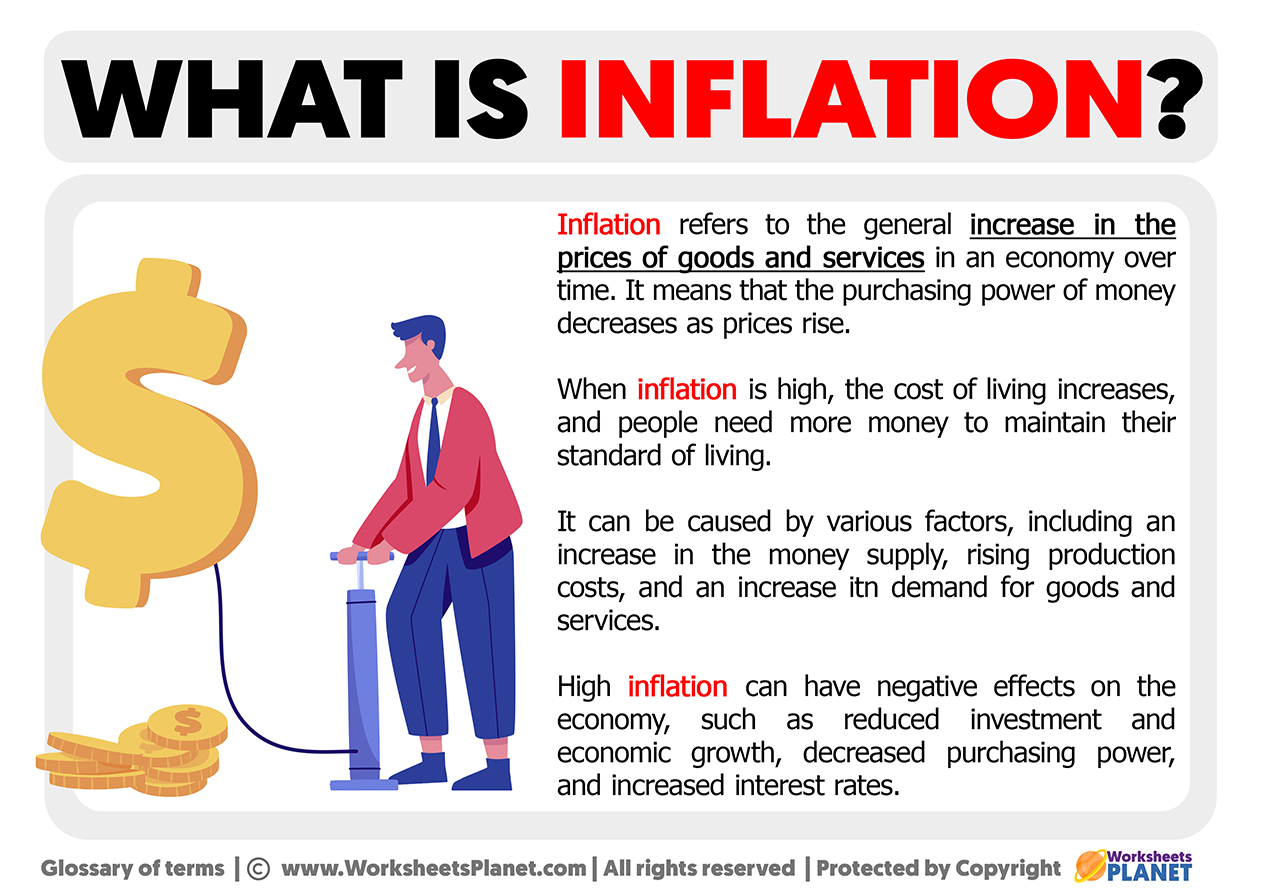
The most direct and immediate impact of inflation on individuals is the erosion of purchasing power. If your income does not rise at the same rate as inflation, your real income (what your money can actually buy) decreases.
- Daily Expenses: The cost of everyday necessities like groceries, fuel, and utilities goes up, making it harder for households to maintain their standard of living.
- Savings Accounts: Money held in traditional savings accounts or under the mattress is particularly vulnerable. If a savings account offers a 1% interest rate and inflation is 3%, your real return is -2%, meaning your savings are effectively losing value over time. This makes it challenging to save for long-term goals like a down payment on a house or retirement, as the target amount will keep increasing.
- Fixed Incomes and Pensions: Individuals on fixed incomes, such as retirees relying on pensions or social security benefits that are not fully indexed to inflation, see a significant reduction in their real income and quality of life.
Effects on Investments and Debt
Inflation can drastically alter the landscape for investors and debtors, creating both challenges and opportunities.
- Investments:
- Equities (Stocks): The impact on stocks is mixed. Companies that can pass on higher costs to consumers (pricing power) may fare well. However, companies with high input costs or those sensitive to consumer spending cutbacks may suffer. Growth stocks, whose value is often tied to future earnings, can be negatively impacted by higher discount rates (due to rising interest rates to combat inflation).
- Bonds: Generally, fixed-rate bonds are adversely affected by inflation. When inflation rises, the fixed interest payments from a bond buy less, and the bond’s market value typically falls as new bonds offer higher yields. Inflation-Protected Securities (TIPS) are designed to counter this by adjusting their principal value with inflation.
- Real Estate: Often considered a hedge against inflation. Property values and rental income tend to rise with inflation, providing a tangible asset that retains or increases its real value.
- Commodities: Raw materials like gold, oil, and agricultural products can perform well during inflationary periods, as their prices often rise directly with inflation.
- Debt:
- Borrowers: For individuals or entities with fixed-rate debt (like a traditional mortgage), inflation can be beneficial. The real value of their debt decreases over time, as they repay with money that is worth less than when they borrowed it.
- Lenders: Conversely, lenders are disadvantaged, as the real value of the money they receive back is less than the real value of the money they lent out. This is why lenders typically demand higher interest rates during inflationary periods.
Broader Economic and Social Consequences
Beyond individual finances, inflation has wider implications for the economy and society:
- Uncertainty and Reduced Investment: High or unpredictable inflation creates uncertainty for businesses, making it difficult to plan for the future. This can discourage investment, leading to slower economic growth and fewer job opportunities.
- Redistribution of Wealth: Inflation can subtly redistribute wealth. It often favors debtors over creditors and those with assets that appreciate (like real estate) over those with cash savings. It can disproportionately affect lower-income households, who spend a larger percentage of their income on basic necessities, which are often the first to see price hikes.
- Impact on International Trade: A country with higher inflation than its trading partners can see its exports become more expensive and imports cheaper, potentially leading to trade imbalances and currency depreciation.
The multifaceted impact of inflation necessitates careful financial planning and policy measures to ensure economic stability and individual financial security.
Strategies to Navigate and Mitigate Inflation’s Effects
Understanding inflation’s detrimental effects is one thing; proactively managing them is another. Both individuals and broader economic policies play a role in mitigating its impact.
Personal Finance Strategies for Individuals
For individuals, the goal is to protect and grow their purchasing power in an inflationary environment. This requires a shift in mindset and investment strategy.
- Invest in Inflation-Hedging Assets:
- Real Estate: As mentioned, real estate often appreciates with inflation, and rental income can provide a rising stream of cash flow.
- Treasury Inflation-Protected Securities (TIPS): These U.S. government bonds are specifically designed to protect against inflation. Their principal value adjusts with the Consumer Price Index (CPI), ensuring your investment keeps pace with rising prices.
- Commodities: Investing in raw materials like gold, silver, oil, and other natural resources can serve as a hedge, as their prices typically rise when inflation accelerates.
- Certain Equities: Companies with strong pricing power, low debt, and essential products or services can perform well. Look for businesses in sectors like consumer staples, utilities, or infrastructure that can pass on increased costs. Dividend growth stocks can also offer a rising income stream.
- Review Budgets and Optimize Spending: During inflationary periods, it becomes even more critical to scrutinize your budget. Identify areas where you can reduce discretionary spending. Shop smarter, compare prices, and consider alternatives for expensive items.
- Seek Inflation-Adjusted Income or Raises: If your income is not increasing with inflation, you are effectively getting a pay cut. Negotiate for raises that at least match the inflation rate, or consider side hustles that can provide additional income streams. If you are a freelancer or business owner, ensure your pricing reflects current costs and market conditions.
- Minimize Cash Holdings; Pay Down High-Interest Debt: Keeping large sums of cash in low-interest savings accounts during high inflation means a guaranteed loss of purchasing power. Instead, consider investing that cash or using it to pay down high-interest debt, like credit card balances. Paying off fixed-rate debt can be advantageous, as you’re using cheaper dollars to retire more expensive debt.
- Diversify Your Portfolio: A well-diversified portfolio across different asset classes (stocks, bonds, real estate, commodities) can help cushion the blow of inflation, as different assets perform differently under varying economic conditions.
Business and Policy Responses
Governments and central banks also have powerful tools to manage inflation, though their effectiveness can vary.
- Central Bank Monetary Policy: The primary tool for combating inflation is monetary policy, typically managed by the central bank (e.g., the Federal Reserve in the U.S., European Central Bank).
- Interest Rate Adjustments: Raising benchmark interest rates makes borrowing more expensive, which discourages spending and investment, thereby cooling aggregate demand. This is often the most direct method to combat demand-pull inflation.
- Quantitative Tightening: Reducing the money supply by selling government bonds or letting them mature without reinvestment.
- Fiscal Policy: Governments can use fiscal policy (government spending and taxation) to influence demand.
- Reduced Government Spending: Cutting back on government expenditures can reduce overall demand in the economy.
- Increased Taxes: Raising taxes can reduce disposable income, thereby curbing consumer spending.
- Supply-Side Policies: These policies aim to increase the economy’s productive capacity, which can help address cost-push inflation over the long term. Examples include investments in infrastructure, education and training, promoting competition, and reducing regulatory burdens to make it easier for businesses to produce goods and services more efficiently.
Effective management of inflation requires a coordinated approach between individuals making prudent financial choices and policymakers implementing sound economic strategies.
The Balancing Act: Why a Little Inflation Isn’t Always Bad
While hyperinflation is disastrous and high inflation corrosive, it’s crucial to understand that a moderate, predictable level of inflation is actually considered healthy for a modern economy. Central banks universally target a low, positive inflation rate, typically around 2%, rather than aiming for zero inflation or deflation. This reflects a delicate balancing act.
The Goldilocks Zone: Moderate Inflation for Economic Health
A little inflation is often seen as “just right” because it provides several benefits:
- Stimulates Spending and Investment: When prices are slowly rising, consumers and businesses are encouraged to spend and invest now rather than deferring purchases, knowing that goods and services will likely cost more in the future. This continuous flow of money through the economy fuels growth. Without it, individuals might hoard cash, leading to a stagnant economy.
- Allows for Wage and Price Adjustments: A modest inflation rate provides businesses with flexibility. They can raise wages without necessarily having to cut nominal wages elsewhere, and they can adjust prices in response to changing costs without a sudden jolt to consumers. It makes it easier to achieve real wage reductions (when nominal wages rise less than inflation) without the political and social difficulty of outright wage cuts.
- Provides Flexibility for Monetary Policy: A small cushion of inflation gives central banks more room to maneuver during economic downturns. If inflation is at 0%, interest rates cannot go much below zero to stimulate the economy without encountering the “zero lower bound” problem. A 2% inflation target allows central banks to cut rates by a larger margin before hitting zero, providing a more potent tool for recession fighting.
- Reduces the Risk of Deflation: Perhaps the most significant reason for targeting positive inflation is to avoid the far more dangerous scenario of deflation.
Deflation: The Often-Worse Alternative
Deflation, the opposite of inflation, is a sustained decrease in the general price level of goods and services. While it might sound appealing to consumers initially, deflation is generally considered more damaging to an economy than moderate inflation.
- The Deflationary Spiral: When prices fall, consumers tend to postpone purchases, expecting items to be even cheaper in the future. This reduction in demand forces businesses to cut prices further, leading to lower revenues, reduced profits, and ultimately, layoffs. As unemployment rises and incomes fall, demand shrinks even more, creating a vicious cycle.
- Increased Real Value of Debt: In a deflationary environment, the real value of debt increases. This makes it harder for individuals and businesses to repay their loans, leading to bankruptcies, bank failures, and a credit crunch that further stifles economic activity.
- Stagnation and Economic Contraction: Historical periods of severe deflation, such as the Great Depression, have been associated with prolonged economic stagnation, high unemployment, and severe hardship. Japan’s “lost decades” since the 1990s also offer a modern example of the challenges posed by persistent deflation.
Therefore, central banks strive to maintain a healthy balance, targeting a low, stable inflation rate that encourages economic activity without eroding purchasing power too rapidly. It’s a delicate dance, but one that is essential for long-term economic prosperity.
In conclusion, understanding inflation is not just about knowing that prices are going up; it’s about grasping a fundamental economic force that impacts every aspect of our financial lives. From eroding savings and influencing investment returns to shaping the economic policies of nations, inflation is a critical concept for anyone seeking to navigate the financial world successfully. By recognizing its causes, understanding its measurement, and adopting proactive strategies, individuals and institutions can better protect their wealth and contribute to a more stable economic future.
aViewFromTheCave is a participant in the Amazon Services LLC Associates Program, an affiliate advertising program designed to provide a means for sites to earn advertising fees by advertising and linking to Amazon.com. Amazon, the Amazon logo, AmazonSupply, and the AmazonSupply logo are trademarks of Amazon.com, Inc. or its affiliates. As an Amazon Associate we earn affiliate commissions from qualifying purchases.