
Social Security stands as a cornerstone of financial security for millions of Americans, providing retirement, disability, and survivor benefits. For many, understanding how these benefits are calculated and what factors influence their size is crucial for effective financial planning. Far from being a uniform payout, your Social Security benefit is a personalized figure, meticulously determined by a combination of your lifetime earnings, work history, and the age at which you choose to claim. Delving into these variables reveals the intricate formula that underpins one of the nation’s most vital social programs, offering insights critical for maximizing your potential future income in retirement.
The Foundational Pillars: Your Earnings Record and Work History
At the heart of your Social Security benefit calculation lies your personal earnings record and the consistency of your contributions through work. The system is designed to reflect a lifetime of effort, translating your past wages into future financial support.
Understanding Your Lifetime Earnings
The most significant determinant of your Social Security benefit is the total amount you’ve earned over your working life. Each year you work, a portion of your wages (up to an annual maximum taxable earnings limit) is subject to Social Security taxes. This income, reported to the Social Security Administration (SSA), forms your personal earnings record. The SSA focuses on your highest 35 years of indexed earnings. This means that if you work for more than 35 years, your lowest earning years will be dropped from the calculation, effectively rewarding longer careers and higher earning periods. Conversely, if you work fewer than 35 years, “zeroes” will be averaged into your record for the missing years, potentially reducing your overall benefit. The indexing process adjusts past earnings for changes in general wage levels, ensuring that your wages from decades ago are given appropriate weight in today’s economic context, making them comparable to more recent earnings. This mechanism ensures fairness by accounting for inflation and national wage growth over time, providing a more accurate reflection of your earning power across your career span.
The Importance of “Credits” and Years Worked
While your total earnings dictate the amount of your benefit, you must first qualify for benefits by accumulating enough “credits.” Social Security credits are earned based on your annual earnings, with the amount required to earn one credit typically increasing slightly each year. In 2024, for example, you earn one credit for each $1,730 in earnings, up to a maximum of four credits per year. To be eligible for retirement benefits, most individuals need to accumulate 40 credits, which translates to 10 years of work. It’s important to note that these credits are a threshold for eligibility; once you hit 40 credits, working additional years with earnings will not add more credits but will contribute to your higher 35 years of earnings, potentially increasing your benefit amount. The accumulation of these credits is not only vital for retirement benefits but also for disability and survivor benefits, underscoring the foundational role of consistent employment in accessing the Social Security safety net. Without the required credits, no matter how substantial your past earnings, you would not qualify for benefits.
Calculating Your Average Indexed Monthly Earnings (AIME)
The culmination of your indexed earnings over your highest 35 years leads to the calculation of your Average Indexed Monthly Earnings (AIME). This is a critical intermediate step in determining your benefit. First, your earnings from each year are “indexed” to reflect the change in average wages since the year the earnings were received, making them comparable across different time periods. This indexing typically stops at age 60. Then, the indexed earnings from your 35 highest-earning years are summed up and divided by the total number of months in those 35 years (420 months). The result is your AIME, which essentially represents your average monthly earnings over your most productive working years, adjusted for inflation. The AIME is not your benefit amount, but rather the base figure to which a progressive formula is applied to determine your Primary Insurance Amount (PIA), which is your full retirement benefit. This calculation ensures that the benefit formula accounts for the real value of your past wages, providing a fair basis for future payouts.
The Crucial Role of Claiming Age
Beyond your earnings and work history, the age at which you decide to begin receiving your Social Security benefits is perhaps the single most impactful personal decision you will make regarding their size. This choice can significantly alter your monthly payout for the rest of your life.
Defining Your Full Retirement Age (FRA)
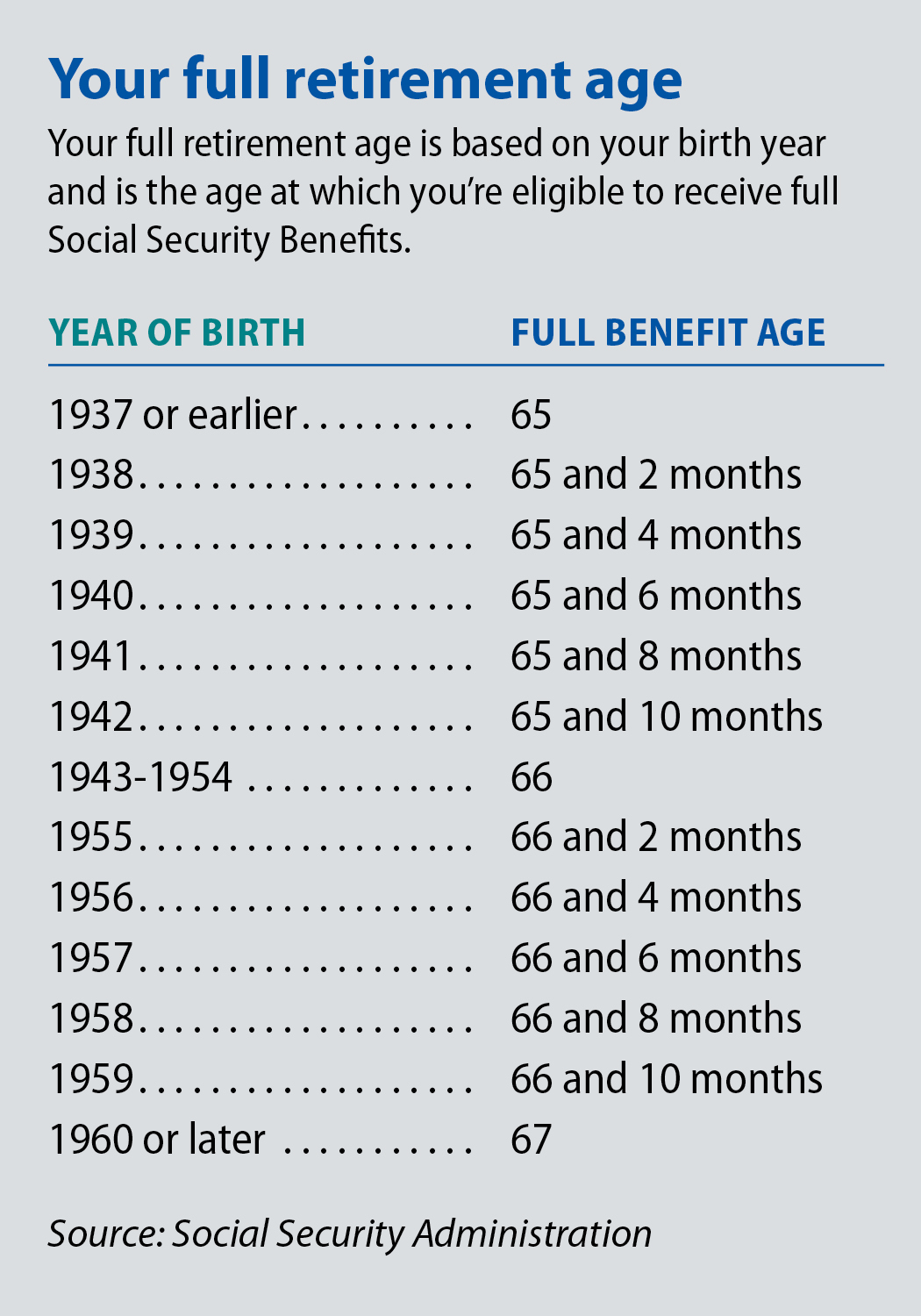
Your Full Retirement Age (FRA) is the age at which you are entitled to receive 100% of your Primary Insurance Amount (PIA). This age is not universal; it depends on your birth year. For individuals born in 1943 through 1954, FRA is 66. It gradually increases for those born between 1955 and 1959, until it reaches 67 for everyone born in 1960 or later. Knowing your specific FRA is fundamental, as it serves as the benchmark against which all early or delayed claiming decisions are measured. Claiming before your FRA results in a permanently reduced benefit, while claiming after your FRA results in a permanently increased benefit. Understanding your FRA allows you to precisely calculate the percentage of your PIA you will receive based on your chosen claiming age, directly impacting your financial planning for retirement.
The Impact of Early Claiming: Reductions and Trade-offs
You can start receiving Social Security retirement benefits as early as age 62. However, claiming benefits before your FRA comes with a significant and permanent reduction in your monthly payment. The reduction is calculated on a pro-rata basis: your benefit is reduced by approximately 5/9 of 1% for each month before your FRA, up to 36 months. If you claim more than 36 months early (e.g., at age 62 for someone with an FRA of 67), the reduction is an additional 5/12 of 1% per month. This can lead to a benefit reduction of up to 30% if you claim at age 62 when your FRA is 67. While claiming early provides income sooner, it means a smaller check every month for the rest of your life. This trade-off must be carefully weighed against your financial needs, health status, other retirement income sources, and expected longevity. For some, the immediate income is essential; for others, the long-term reduction represents a substantial opportunity cost.
Maximizing Benefits: Delaying Past FRA
Conversely, delaying the start of your benefits past your Full Retirement Age can substantially increase your monthly payment. For each month you delay claiming after your FRA, your benefit increases by a certain percentage, known as Delayed Retirement Credits (DRCs). These credits typically accrue at a rate of 2/3 of 1% per month, or 8% per year, up until age 70. This means that if your FRA is 67 and you delay claiming until age 70, you could increase your monthly benefit by 24% (3 years x 8% per year). These increases are permanent and cumulative, meaning they are applied to your PIA and then further adjusted by any Cost-of-Living Adjustments (COLAs). Delaying benefits can be a powerful strategy for those who are healthy, have other income sources to support them in their late 60s, and anticipate a longer lifespan. The guaranteed annual 8% increase (up to age 70) often outperforms many investment returns, making it an attractive option for maximizing lifetime benefits and providing a higher, inflation-protected income stream in later retirement.
Beyond Individual Earnings: Other Factors Influencing Your Benefit
While your personal earnings and claiming age are paramount, several other factors can significantly impact the final Social Security benefit you or your family members receive. These elements ensure the program remains dynamic and responsive to broader economic conditions and family structures.
The Primary Insurance Amount (PIA) and Benefit Formulas
Your Primary Insurance Amount (PIA) is the monthly benefit you would receive if you start collecting benefits exactly at your Full Retirement Age (FRA). The SSA calculates your PIA by applying a progressive formula to your Average Indexed Monthly Earnings (AIME). This formula uses “bend points” – specific dollar amounts in the AIME – to determine different percentages of your AIME that count toward your PIA. For instance, a certain percentage (e.g., 90%) of your AIME up to the first bend point is included, a lower percentage (e.g., 32%) of the AIME between the first and second bend points, and an even lower percentage (e.g., 15%) of the AIME above the second bend point. This progressive structure means that lower-income workers receive a higher percentage of their average earnings back as benefits compared to higher-income workers, reflecting Social Security’s mandate as a social safety net. The bend points are updated annually to reflect changes in the national average wage index, ensuring the formula remains relevant.
Cost-of-Living Adjustments (COLAs): Keeping Pace with Inflation
Once you start receiving Social Security benefits, your monthly payment isn’t static. It is subject to Cost-of-Living Adjustments (COLAs), which are annual increases designed to help your benefits keep pace with inflation. These adjustments are typically announced in the fall and applied starting in January of the following year. COLAs are determined by changes in the Consumer Price Index for Urban Wage Earners and Clerical Workers (CPI-W). If the CPI-W shows an increase from the third quarter of the previous year to the third quarter of the current year, a COLA will be applied. If there is no increase, or a decrease, there is no COLA for that year, though benefits are never reduced due to a negative COLA. These adjustments are vital for preserving the purchasing power of your benefits over time, especially during a retirement that could span decades. COLAs protect beneficiaries from the erosion of their income due to rising living costs, a crucial feature for long-term financial stability.
Spousal, Survivor, and Dependent Benefits: Extending the Safety Net
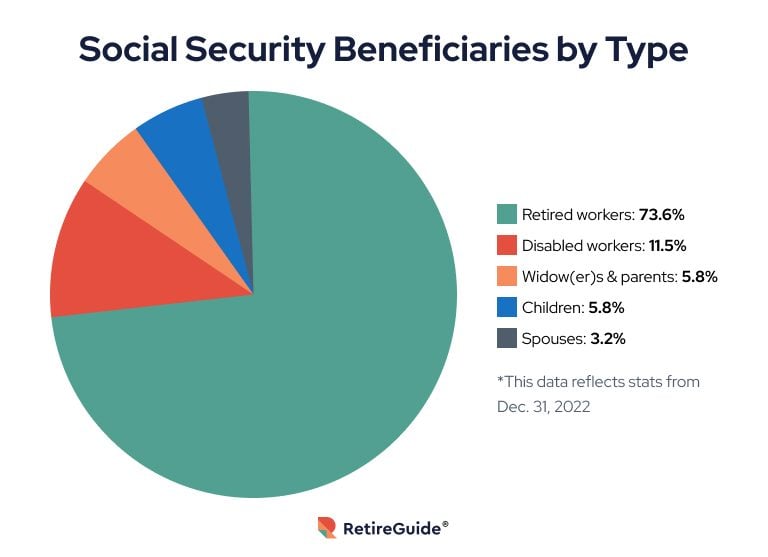
Social Security isn’t just for individual retirees; it also provides crucial benefits to family members based on a worker’s earnings record. Spousal benefits allow a spouse to claim up to 50% of the working spouse’s PIA, often beneficial if their own benefit is lower or non-existent. Survivor benefits provide financial support to widows, widowers, and eligible children after a worker’s death, offering a lifeline during a difficult time. A surviving spouse can receive up to 100% of the deceased worker’s benefit. Dependent benefits can also be paid to eligible children (under 18, or under 19 if still in high school, or any age if disabled before age 22) based on a parent’s earnings record. There are also benefits for divorced spouses, provided the marriage lasted at least 10 years and other criteria are met. However, there is a “family maximum” benefit, which limits the total amount of benefits that can be paid to a family on one worker’s record, typically between 150% and 188% of the worker’s PIA. These auxiliary benefits underscore Social Security’s role as a comprehensive family protection program, extending its safety net beyond the primary earner.
Navigating Your Social Security Future: Planning and Accessing Information
Understanding the basis of your Social Security benefits is the first step toward effective financial planning. Proactive engagement with your benefits information can empower you to make informed decisions that shape your retirement security.
The Importance of Proactive Planning
Social Security is a critical component of most retirement plans, but it is rarely sufficient to cover all retirement expenses. Proactive planning involves more than just knowing your potential benefit; it means strategically integrating Social Security with other retirement savings, pensions, and investments. Decisions about claiming age, for instance, should not be made in isolation. They should consider your overall financial picture, including your health, life expectancy, current income needs, and the financial well-being of your spouse or dependents. For instance, if one spouse has significantly higher earnings, delaying their claim can provide a higher survivor benefit for the surviving spouse, a crucial consideration for long-term security. Evaluating different claiming scenarios, understanding the impact of working in retirement on benefits, and coordinating benefits with other retirement income streams are all vital aspects of a comprehensive financial strategy.
How to Access Your Social Security Statement
The best way to get personalized information about your Social Security benefits is to access your Social Security Statement. Historically mailed out annually, these statements are now primarily available online through your personal my Social Security account. This account, which you can create on the SSA website, provides immediate access to your detailed earnings record, estimates of your future retirement benefits at different claiming ages (62, FRA, and 70), estimates for disability and survivor benefits, and your complete earnings history. Regularly reviewing your statement is crucial to ensure that your earnings record is accurate. Errors in your earnings history can directly impact your future benefits, making timely correction essential. The online portal also offers tools and calculators to help you model different claiming strategies, providing invaluable insights for personal planning.

Seeking Professional Guidance
While the SSA provides comprehensive information and tools, navigating the complexities of Social Security benefits can still be daunting, especially when coordinating with other retirement assets, taxes, and family situations. This is where seeking professional guidance can be invaluable. Financial advisors specializing in retirement planning can help you understand the nuances of the Social Security rules, evaluate the optimal claiming strategy for your specific circumstances, and integrate your Social Security benefits into a broader, holistic financial plan. They can assist with complex scenarios such as spousal benefit coordination, benefits for divorced spouses, understanding the Windfall Elimination Provision (WEP) or Government Pension Offset (GPO) if applicable, and strategizing how to manage income from working during retirement. A personalized consultation can clarify options, mitigate risks, and help maximize your lifetime Social Security income, ensuring it serves as a robust pillar of your financial well-being in retirement.
aViewFromTheCave is a participant in the Amazon Services LLC Associates Program, an affiliate advertising program designed to provide a means for sites to earn advertising fees by advertising and linking to Amazon.com. Amazon, the Amazon logo, AmazonSupply, and the AmazonSupply logo are trademarks of Amazon.com, Inc. or its affiliates. As an Amazon Associate we earn affiliate commissions from qualifying purchases.