
In the intricate dance of economic indicators, few hold as much sway over our daily lives and financial futures as the Consumer Price Index (CPI). Often cited in news reports and central bank announcements, the CPI is more than just a statistic; it’s a crucial barometer of inflation, reflecting the purchasing power of our money and influencing everything from interest rates to the cost of groceries. To truly understand “what is CPI now” is to grasp the pulse of the economy and its direct implications for personal finance, investment strategies, and broader business decisions.
At its core, the CPI measures the average change over time in the prices paid by urban consumers for a market basket of consumer goods and services. It’s a bellwether for inflation, indicating whether prices are rising, falling, or remaining stable. In an era marked by dynamic economic shifts, supply chain disruptions, and evolving monetary policies, tracking the CPI’s current trajectory is paramount for individuals, businesses, and policymakers alike. This comprehensive exploration delves into the mechanics of CPI, its current state, its profound impacts, and strategies for navigating an economy shaped by its movements.

Understanding the Consumer Price Index (CPI)
Before we dissect the current figures, a firm understanding of what CPI represents and how it’s constructed is essential. It’s the foundation upon which much economic analysis and financial planning rests.
Defining CPI: More Than Just a Number
The Consumer Price Index is a statistical estimate produced by national agencies, such as the Bureau of Labor Statistics (BLS) in the United States. It measures the weighted average of prices of a basket of consumer goods and services, such as transportation, food, and medical care. The calculation identifies price changes from the perspective of the consumer. An increase in CPI indicates inflation, meaning that the cost of living has increased, and conversely, a decrease signals deflation, where living costs have fallen. This index is not merely an academic figure; it’s a direct reflection of how much it costs ordinary households to maintain their standard of living. For financial professionals, investors, and individuals managing their budgets, understanding this definition is the first step toward informed decision-making. It directly impacts considerations for salary negotiations, retirement planning, and the real return on investments.
How CPI is Calculated: A Basket of Goods and Services
The calculation of CPI involves a meticulous process. Statisticians collect prices for thousands of goods and services from a wide array of retail establishments across different geographic areas. These items are categorized into a “market basket” that aims to represent the typical spending patterns of urban consumers. This basket includes necessities like food, housing, clothing, and utilities, as well as services such as medical care, education, and transportation. Each item in the basket is weighted according to its importance in the average household budget. For instance, housing costs typically receive a higher weighting than, say, entertainment, because they constitute a larger portion of consumer spending. The aggregate cost of this basket is then compared to a base period, allowing for the calculation of percentage changes over time. This methodology ensures that the CPI accurately reflects the true impact of price changes on consumer purchasing power, rather than just isolated price spikes or drops.
Core CPI vs. Headline CPI: Dissecting Volatility
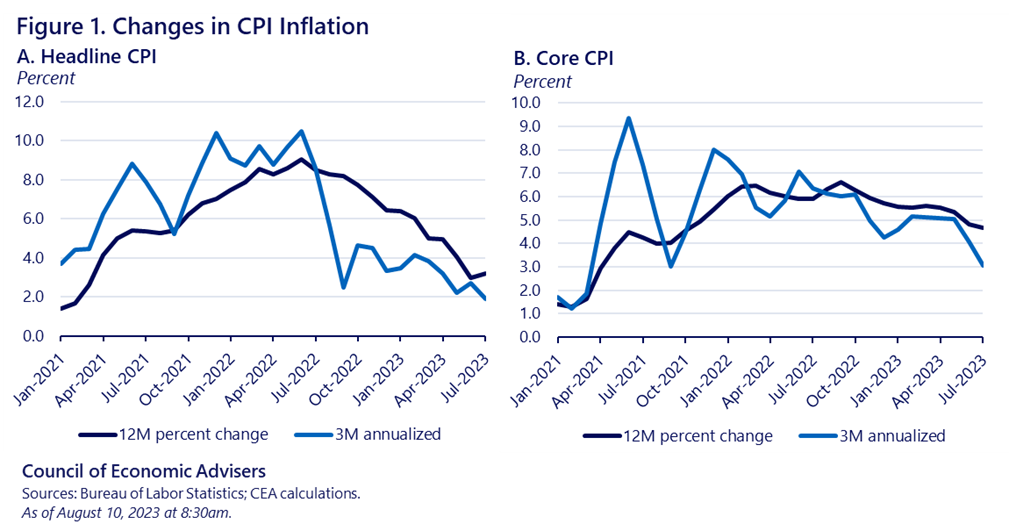
When discussing CPI, you’ll often hear distinctions between “headline CPI” and “core CPI.” Headline CPI reflects the total inflation in the economy, encompassing all goods and services in the market basket. However, certain components, particularly food and energy prices, are known for their extreme volatility due to factors like geopolitical events, weather patterns, and supply chain disruptions. These fluctuations can often obscure the underlying, longer-term inflationary trends. This is where core CPI comes in. Core CPI excludes the volatile food and energy components, providing a clearer picture of sustained price pressures. While headline CPI offers a comprehensive view of immediate cost-of-living changes, core CPI is often preferred by central bankers and economists for policy-making because it tends to be a better indicator of future inflation and the effectiveness of monetary policy actions. Investors, too, pay close attention to both, using core CPI to gauge the stickiness of inflation and headline CPI for a complete picture of immediate economic conditions.
The Current State of CPI: A Snapshot of Inflation
The “now” in “what is CPI now” refers to the most recent data and prevailing trends, offering critical insights into the immediate economic landscape. Understanding these figures is vital for adjusting financial strategies.
Recent CPI Figures and Trends
As of the most recent reporting periods, global economies are navigating a complex inflationary environment. Following periods of elevated inflation spurred by post-pandemic demand surges, supply chain bottlenecks, and geopolitical conflicts, many countries are seeing a moderation in the rate of price increases. However, the exact trajectory varies significantly. In some regions, headline inflation has retreated from multi-decade highs, driven by cooling energy prices and an easing of supply constraints. Yet, core inflation often remains stubbornly high, indicating persistent underlying price pressures, particularly in service sectors. This divergence highlights the ongoing challenge for central banks: bringing overall inflation down without unduly stifling economic growth. Investors and financial advisors are closely monitoring these monthly and quarterly reports, seeking cues on future monetary policy and market direction.
Key Drivers Behind Current Inflationary Pressures
Several factors continue to fuel the current inflationary environment, even as some pressures begin to ease. Demand-side forces, such as robust consumer spending fueled by accumulated savings and strong labor markets, have kept prices firm. On the supply side, lingering disruptions from the pandemic, including labor shortages in key industries and logistical challenges, continue to exert upward pressure on production costs. Geopolitical events, particularly conflicts impacting energy and commodity markets, add another layer of complexity, introducing volatility and uncertainty. Furthermore, structural shifts, such as increased onshoring or “friend-shoring” of supply chains, and the transition to greener energy, may contribute to higher costs in the long run. Understanding these drivers is critical for businesses forecasting costs and consumers anticipating future price movements.
Regional and Sectoral Variations
Inflation is rarely uniform across all regions or sectors. Currently, we observe significant variations. For example, while durable goods inflation has often cooled as supply chains normalize, services inflation, particularly in areas like housing, healthcare, and leisure, has proven more persistent. This is partly due to the labor-intensive nature of services and strong wage growth in many economies. Geographically, inflation rates can differ based on local economic conditions, government policies, and exposure to global supply shocks. Countries heavily reliant on imported energy or food may experience higher inflation than those with greater domestic production. For investors with international portfolios or businesses operating across different regions, recognizing these disparities is crucial for risk management and identifying potential opportunities.
The Far-Reaching Impact of CPI on Your Finances
The CPI’s movements resonate deeply across virtually every facet of personal and business finance. Its fluctuations dictate the real value of money, savings, investments, and expenses.
Purchasing Power and Everyday Living Costs
Perhaps the most direct and tangible impact of CPI is on an individual’s purchasing power. When the CPI rises, meaning inflation is present, each dollar you possess buys less than it did before. This erosion of purchasing power directly affects everyday living costs. Groceries become more expensive, utility bills increase, and the cost of transportation rises. For households, this translates into a tightening of budgets, potentially forcing difficult choices about discretionary spending or even necessities. For those on fixed incomes, such as retirees, high inflation can be particularly challenging, as their income does not adjust to the rising cost of living, effectively reducing their real income and standard of living. Understanding CPI helps individuals anticipate these pressures and adjust their budgeting and saving strategies accordingly.
Interest Rates, Savings, and Borrowing
Central banks, in their efforts to control inflation, often adjust key interest rates. When CPI is high and inflation is a concern, central banks typically raise interest rates to cool down the economy by making borrowing more expensive and encouraging saving. This has a dual impact on personal finance. For savers, higher interest rates on savings accounts and certificates of deposit (CDs) can offer more attractive returns, though these returns might still lag behind the inflation rate, resulting in a real loss of purchasing power. For borrowers, higher interest rates translate into increased costs for mortgages, car loans, and credit card debt. This dynamic influences decisions regarding whether to take on new debt, refinance existing loans, or how to manage existing liabilities. Businesses also face higher borrowing costs, which can impact investment decisions and expansion plans.
Investment Strategies in an Inflationary Environment
Inflation poses a significant challenge for investors, as it erodes the real returns on investments. Cash holdings and fixed-income investments, such as bonds, are particularly vulnerable to inflation, as their future payouts are fixed while the cost of living rises. In an inflationary environment, investors often seek assets that historically perform well, such as real estate, commodities (like gold and oil), and inflation-protected securities (e.g., TIPS). Equity markets can also offer some protection if companies can pass on rising costs to consumers, maintaining or growing their earnings. However, high interest rates designed to combat inflation can also put pressure on equity valuations. Developing an investment strategy that accounts for inflation involves diversification and a focus on assets that tend to either generate real returns or preserve capital during periods of rising prices.
Business Decisions and Wage Adjustments
Businesses are profoundly affected by CPI movements. Rising input costs – raw materials, energy, and labor – can squeeze profit margins. Companies must decide whether to absorb these costs, pass them on to consumers through higher prices, or seek efficiencies. The CPI also plays a critical role in wage negotiations. Employees, facing higher living costs, often demand wage increases to maintain their purchasing power. For businesses, managing these wage demands while controlling overall costs is a delicate balance. The “wage-price spiral,” where rising wages lead to higher prices, which in turn leads to demands for even higher wages, is a phenomenon closely watched by economists and business leaders alike. Understanding current CPI trends allows businesses to make informed decisions about pricing, inventory management, supply chain resilience, and human resource strategies.
CPI’s Role in Economic Policy and Market Sentiment
The CPI is not just a passive indicator; it’s an active driver of policy decisions and a powerful influence on market psychology. Its movements often dictate the actions of central banks and governments, and in turn, shape investor confidence.
Central Bank Policies and Monetary Tightening/Easing
Central banks worldwide, such as the U.S. Federal Reserve, the European Central Bank, and the Bank of England, have a primary mandate to maintain price stability, which often translates to keeping inflation within a target range (e.g., 2%). The CPI is their primary tool for assessing whether they are achieving this goal. When CPI readings indicate persistent inflation above target, central banks typically respond by “tightening” monetary policy – raising interest rates, reducing bond purchases, or unwinding their balance sheets. The goal is to curb demand and cool the economy. Conversely, if CPI suggests deflationary pressures or inflation significantly below target, central banks might “ease” monetary policy, lowering rates or implementing quantitative easing to stimulate economic activity. The “now” of CPI directly influences these critical policy decisions, which ripple through bond markets, currency valuations, and equity prices.
Government Spending and Fiscal Measures
Governments also use CPI data to inform fiscal policy. Inflation can impact government budgets through various channels. Higher inflation can increase the cost of government services and goods, potentially leading to larger deficits. However, it can also boost tax revenues in nominal terms, though the real value of those revenues might decline. Additionally, many social welfare programs and pension benefits are indexed to CPI, meaning their payouts automatically adjust with changes in the cost of living. This ensures that beneficiaries maintain their purchasing power. Understanding current CPI trends allows governments to project future expenditures and revenues more accurately, and to consider targeted fiscal measures, such as subsidies or tax adjustments, to alleviate inflationary pressures on specific segments of the population or economy.
Market Reactions and Investor Confidence
Financial markets are highly sensitive to CPI releases. A higher-than-expected CPI report can trigger a sell-off in bond markets (as investors anticipate higher interest rates and demand higher yields), a strengthening of the currency (as higher rates attract foreign capital), and potentially a decline in equity markets (due to fears of tighter monetary policy impacting corporate earnings). Conversely, a lower-than-expected CPI might lead to the opposite reactions. Investor confidence is intrinsically linked to inflation expectations. If investors believe inflation will remain high and erode their returns, they may become more risk-averse, leading to capital flight or a preference for inflation-hedging assets. Therefore, the “now” of CPI is not just a backward-looking statistic but a forward-looking indicator that shapes market sentiment and investment flows.
Navigating the Future: Strategies for Individuals and Businesses
Understanding the current CPI landscape empowers both individuals and businesses to implement proactive strategies to mitigate risks and capitalize on opportunities.
Personal Financial Planning in a Volatile Economy
In an environment shaped by fluctuating CPI, personal financial planning must be dynamic. Individuals should regularly review their budgets to account for rising costs, prioritize essential spending, and seek areas for efficiency. Diversifying income streams, building robust emergency savings, and reassessing debt obligations are crucial. For long-term goals like retirement, considering inflation-adjusted returns is paramount. This might involve investing in assets that historically offer better inflation protection or adjusting contribution rates to account for eroded purchasing power. Financial literacy around CPI and its implications is key to making informed decisions that safeguard wealth and maintain living standards. Consulting with a financial advisor experienced in macroeconomic trends can provide tailored strategies.
Investment Considerations: Hedging Against Inflation
For investors, the current CPI environment necessitates a careful review of portfolio construction. Diversification across asset classes, including a strategic allocation to inflation-hedging assets, is often recommended. This could mean considering real assets like real estate, commodities, or infrastructure. Inflation-protected securities (TIPS) are designed to adjust their principal value with inflation, offering direct protection. For equity investors, focusing on companies with strong pricing power, low debt, and robust profit margins that can withstand rising input costs can be a wise approach. Additionally, dividend-paying stocks from companies with stable cash flows can provide some income stream that might partially offset inflation. The key is to avoid strategies that rely solely on nominal returns and instead prioritize investments that can preserve or grow real purchasing power.
Business Adaptation and Resilience
Businesses facing the current CPI realities must adapt to maintain profitability and competitiveness. This involves strategic pricing decisions, often requiring a delicate balance between passing on costs and retaining customer loyalty. Supply chain resilience has become a critical focus, with companies exploring diversification of suppliers, localized sourcing, and improved inventory management to mitigate future cost shocks. Technology adoption to enhance efficiency and reduce labor costs can also be a long-term strategy. Furthermore, proactive financial management, including hedging against currency fluctuations or commodity price volatility, can protect margins. For employers, understanding CPI’s impact on employee welfare is crucial, necessitating thoughtful approaches to compensation, benefits, and workplace flexibility to attract and retain talent in a competitive labor market. Businesses that can demonstrate agility and strategic foresight in responding to inflation are best positioned for sustained success.
In conclusion, “what is CPI now” is a multifaceted question with profound implications for every economic participant. From influencing daily spending habits and investment returns to shaping central bank policies and corporate strategies, the Consumer Price Index serves as an indispensable compass in navigating the complexities of the modern economy. By understanding its mechanics, tracking its current trends, and appreciating its widespread impact, individuals and businesses can make more informed decisions, fostering greater financial resilience and stability in an ever-evolving world.
aViewFromTheCave is a participant in the Amazon Services LLC Associates Program, an affiliate advertising program designed to provide a means for sites to earn advertising fees by advertising and linking to Amazon.com. Amazon, the Amazon logo, AmazonSupply, and the AmazonSupply logo are trademarks of Amazon.com, Inc. or its affiliates. As an Amazon Associate we earn affiliate commissions from qualifying purchases.