
Understanding the intricacies of Social Security can feel like navigating a complex financial maze. For many, Social Security represents a cornerstone of their retirement income, a vital safety net in times of disability, or crucial support for surviving family members. Yet, despite its widespread importance, a common question persists: “What is an average Social Security payment?” The answer, as insightful as it is nuanced, goes far beyond a single number. It involves understanding various benefit categories, the factors that shape individual payouts, and the broader financial landscape that defines the program. This article will deconstruct the concept of an average Social Security payment, providing a professional, insightful, and engaging exploration for anyone seeking to better understand this fundamental aspect of personal finance.
Deconstructing the “Average”: Current Payouts and What They Mean
When we talk about an “average” Social Security payment, it’s crucial to specify which group of beneficiaries we are referring to. The Social Security Administration (SSA) issues benefits across several categories, each with its own average payout reflecting different eligibility criteria and calculation methodologies.
Understanding the Latest Figures for Retired Workers
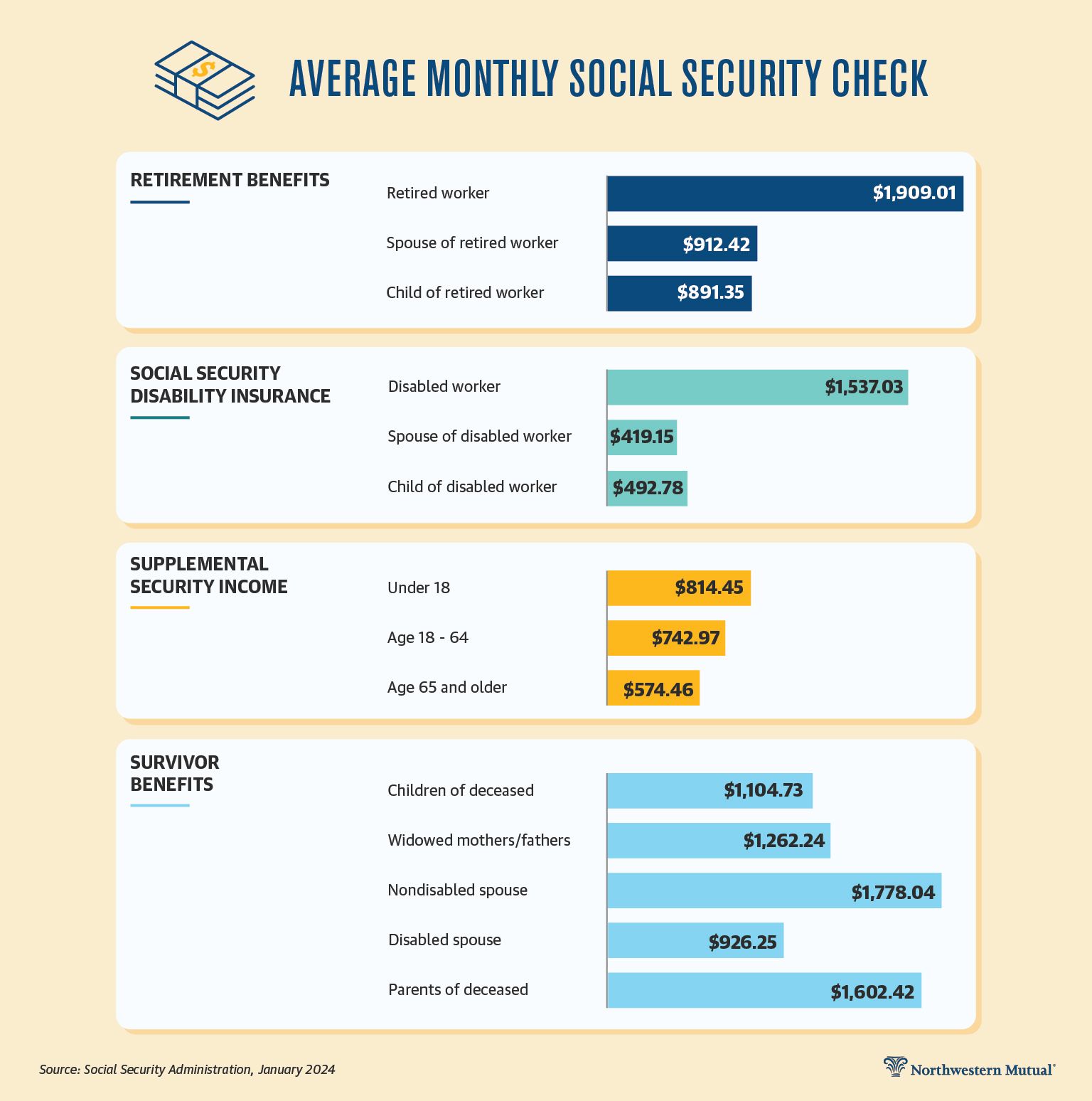
For most people, Social Security is synonymous with retirement benefits. These payments are designed to provide a steady income stream for individuals who have contributed to the system through payroll taxes during their working lives. As of recent data (e.g., early 2024, though specific numbers fluctuate annually), the average monthly Social Security benefit for retired workers hovers around $1,900. This figure represents a composite of millions of individual benefits, ranging from minimal payments for those with limited work histories to significantly higher amounts for lifelong high earners who delayed claiming their benefits. It’s an important benchmark, offering a general idea of what a typical retiree might receive, but it should not be taken as a direct prediction of what any single individual will get. This average is vital for macroeconomic analysis and policy discussions, providing a snapshot of the program’s impact on retired Americans.
Averages for Other Beneficiary Groups
Social Security’s reach extends beyond just retired workers. The program also provides essential support to disabled individuals and the survivors of deceased workers.
- Disabled Workers: The average monthly benefit for disabled workers is typically lower than that for retired workers, often around $1,500. This difference can be attributed to several factors, including the age at which individuals become disabled (potentially leading to fewer years of high earnings) and the structure of disability benefit calculations. These benefits provide critical income for individuals who are unable to work due to severe medical conditions.
- Surviving Spouses and Children: For surviving spouses of deceased workers, the average monthly benefit can vary significantly, often in the range of $1,500 – $1,800, depending on factors like the deceased worker’s earnings history and the survivor’s age. Benefits for children of deceased or disabled workers are also provided and can add to a family’s overall payment. These survivor benefits underscore Social Security’s role as a family protection program, extending financial support during challenging times.
Understanding these different averages highlights the program’s multi-faceted nature and its role in supporting diverse populations.
The Impact of Cost-of-Living Adjustments (COLAs)
One of the most significant factors influencing average Social Security payments year over year is the Cost-of-Living Adjustment (COLA). The COLA is an annual increase in benefits designed to help Social Security recipients maintain their purchasing power in the face of inflation. Each autumn, the SSA announces the COLA for the following year, based on the Consumer Price Index for Urban Wage Earners and Clerical Workers (CPI-W).
For instance, a substantial COLA was implemented for 2023, and a more modest one for 2024, reflecting inflation trends. These adjustments directly impact the “average” payment by increasing all existing benefits. Without COLAs, the fixed dollar amount of Social Security payments would steadily erode in value over time, leaving beneficiaries with less real income to cover essential expenses. The COLA mechanism is a critical feature that helps protect the financial well-being of millions of Americans, making the average payment a moving target that reflects prevailing economic conditions.
Key Factors Influencing Your Individual Social Security Benefit
While averages provide a useful starting point, your personal Social Security benefit will be uniquely determined by a confluence of individual factors. Understanding these elements is paramount for effective financial planning.
Earnings History: The Foundation of Your Benefit
Your earnings history is arguably the most critical determinant of your Social Security benefit. The SSA calculates your benefit based on your highest 35 years of indexed earnings. This means that your annual earnings from past years are adjusted for changes in average wages over time, bringing them to a more comparable current value.
- Impact of High Earnings: The more you earn (up to the annual Social Security taxable maximum), the higher your potential benefit.
- Fewer Than 35 Years: If you have fewer than 35 years of earnings, zero-earning years will be averaged into your calculation, which can significantly reduce your benefit. This underscores the importance of a consistent work history.
- Late Career Earnings: High earnings later in your career can be particularly impactful, as they might replace lower-earning years from earlier in your working life in your top 35 years calculation.
Age of Claiming: A Crucial Decision Point
The age at which you decide to begin receiving Social Security benefits is perhaps the most powerful lever you have in influencing your monthly payment amount.
- Full Retirement Age (FRA): This is the age at which you are entitled to 100% of your primary insurance amount (PIA). For most people born after 1960, FRA is 67.
- Claiming Early: You can start receiving benefits as early as age 62, but doing so results in a permanent reduction. This reduction can be as much as 30% if you claim at 62 when your FRA is 67.
- Claiming Late: Conversely, if you delay claiming benefits beyond your FRA (up to age 70), you earn delayed retirement credits. These credits can increase your monthly benefit by 8% for each year you delay, resulting in a significantly higher payout – potentially 32% more than your FRA benefit if you wait until age 70.
The decision to claim early or late is a complex one, often balancing immediate financial needs against the desire for a larger lifetime benefit, and should be carefully considered within your broader retirement strategy.
Spousal and Survivor Benefits
Social Security also provides benefits based on the work record of a spouse or deceased spouse.
- Spousal Benefits: If you are married, you may be eligible to receive a spousal benefit equal to up to 50% of your spouse’s Full Retirement Age benefit, provided your own benefit is lower. You must generally be at least 62, or caring for a child who is under 16 or disabled.
- Survivor Benefits: If your spouse passes away, you may be eligible for survivor benefits, which can be up to 100% of your deceased spouse’s benefit. Eligibility often depends on your age, whether you have dependent children, and your marital status. These provisions are critical for providing financial stability to families after the loss of an income earner.
Other Considerations: Taxation and Windfall Elimination Provision (WEP)/Government Pension Offset (GPO)
A few other factors can impact your net Social Security benefit:
- Taxation of Benefits: Depending on your combined income (adjusted gross income + non-taxable interest + half of your Social Security benefits), a portion of your Social Security benefits may be subject to federal income tax. Up to 85% of benefits can be taxable.
- WEP and GPO: If you receive a pension from employment not covered by Social Security (e.g., some government jobs), the Windfall Elimination Provision (WEP) or Government Pension Offset (GPO) could reduce your Social Security benefits or spousal/survivor benefits, respectively. These provisions are designed to prevent “windfalls” for individuals who spent significant time in non-covered employment but also worked briefly in covered employment.
Calculating Your Social Security Benefit: A Simplified View
While the SSA performs the precise calculations, understanding the basic framework can demystify how your benefit amount is derived. It’s a progressive system designed to replace a higher percentage of earnings for lower-income workers.

Understanding Average Indexed Monthly Earnings (AIME)
The first step in calculating your Social Security benefit is determining your Average Indexed Monthly Earnings (AIME). This involves:
- Indexing Earnings: Your earnings from past years are adjusted (“indexed”) to reflect the general increase in wages that has occurred since the year the earnings were received. This ensures that a dollar earned in 1980, for example, is valued appropriately in today’s terms for calculation purposes.
- Identifying Top 35 Years: The SSA takes your 35 highest-earning years after indexing them.
- Calculating the Average: These 35 years of indexed earnings are summed up and then divided by 420 (the number of months in 35 years) to arrive at your AIME. A higher AIME directly translates to a higher potential Social Security benefit.
From AIME to Primary Insurance Amount (PIA)
Once your AIME is determined, the SSA uses a progressive formula to calculate your Primary Insurance Amount (PIA). Your PIA is the monthly benefit you would receive if you claim benefits at your Full Retirement Age (FRA). The formula involves “bend points,” which are dollar amounts that define different segments of your AIME.
- Progressive Formula: For your AIME below the first bend point, a high percentage (e.g., 90%) is used. For the portion of your AIME between the first and second bend points, a lower percentage (e.g., 32%) is used. For any AIME above the second bend point, an even lower percentage (e.g., 15%) is applied.
This progressive structure ensures that lower-income workers receive a relatively higher replacement rate of their pre-retirement earnings from Social Security compared to higher-income workers.
Accessing Your Personal Statement
The most accurate way to understand your estimated Social Security benefits is to access your personalized Social Security Statement. You can do this by creating an account on the SSA’s website (www.ssa.gov/myaccount). Your statement provides:
- Estimated Benefits: Projections for your retirement benefits at various ages (62, FRA, 70), as well as disability and survivor benefits.
- Earnings Record: A detailed history of your reported earnings. It’s crucial to review this periodically to ensure its accuracy, as errors could negatively impact your future benefits.
Accessing this statement is a vital step in financial planning, offering a clear roadmap of what you can expect from Social Security.
Strategies for Maximizing Your Social Security Income
While the “average” is a fixed statistical measure, you have considerable agency in maximizing your personal Social Security income through informed decisions and strategic planning.
The Power of Delaying Your Claim
As touched upon earlier, delaying your claim beyond your Full Retirement Age (up to age 70) is one of the most effective ways to boost your monthly benefit. For each year you defer claiming, you earn delayed retirement credits, which permanently increase your monthly payment by 8%. This can add up to a substantial increase – for someone with an FRA of 67, waiting until 70 means a 24% higher monthly benefit. This strategy is particularly powerful for those who expect to have a long lifespan or have other income sources to bridge the gap until they claim.
Working Longer and Higher Earnings
Your Social Security benefit is based on your highest 35 years of indexed earnings. If you’ve had years with low earnings or years where you didn’t work, working longer in higher-earning positions can significantly improve your AIME. Even if you’ve already accumulated 35 years of earnings, replacing a lower-earning year from early in your career with a higher-earning year late in your career can increase your overall average and, consequently, your benefit. This strategy benefits individuals who remain healthy and enjoy their work, allowing them to accumulate higher lifetime earnings.
Coordinating Benefits with a Spouse
Couples have unique opportunities to optimize their combined Social Security benefits through strategic coordination. While complex claiming strategies like “file and suspend” have largely been phased out for new filers, understanding spousal and survivor benefits remains crucial.
- Maximize the Higher Earner’s Benefit: Often, the best strategy is for the higher-earning spouse to delay claiming benefits until age 70 to maximize their individual payment. This not only provides a larger personal benefit but also results in a higher potential survivor benefit for the surviving spouse.
- Claiming Spousal Benefits: The lower-earning spouse might claim their own benefit or a spousal benefit (if eligible) at their FRA, providing some income while the higher earner’s benefit grows.
- Survivor Benefit Implications: When one spouse passes away, the surviving spouse can claim the higher of their own benefit or the deceased spouse’s benefit. Maximizing the primary earner’s benefit through delayed claiming provides a greater safety net for the survivor.
Careful planning and communication are essential for couples to make the most of their combined Social Security entitlements.
Integrating Social Security into Your Broader Financial Plan
It’s critical to view Social Security not as your sole source of retirement income, but as one important pillar within a comprehensive financial plan. While the average payment provides a solid foundation, it’s often not enough to maintain your desired lifestyle in retirement.
- Diversify Income Streams: Supplement Social Security with personal savings (401(k)s, IRAs), investments, pensions, and other assets.
- Estimate Your Needs: Work with a financial advisor to project your retirement expenses and determine how much income you’ll need from all sources, including Social Security.
- Plan for Contingencies: Factor in potential healthcare costs, long-term care needs, and other unexpected expenses that Social Security may not fully cover.
By integrating Social Security into a holistic financial strategy, you can build a more secure and robust retirement.
The Future Landscape of Social Security
No discussion of average Social Security payments would be complete without acknowledging the program’s long-term financial outlook and potential future changes.
The Program’s Financial Health and Challenges
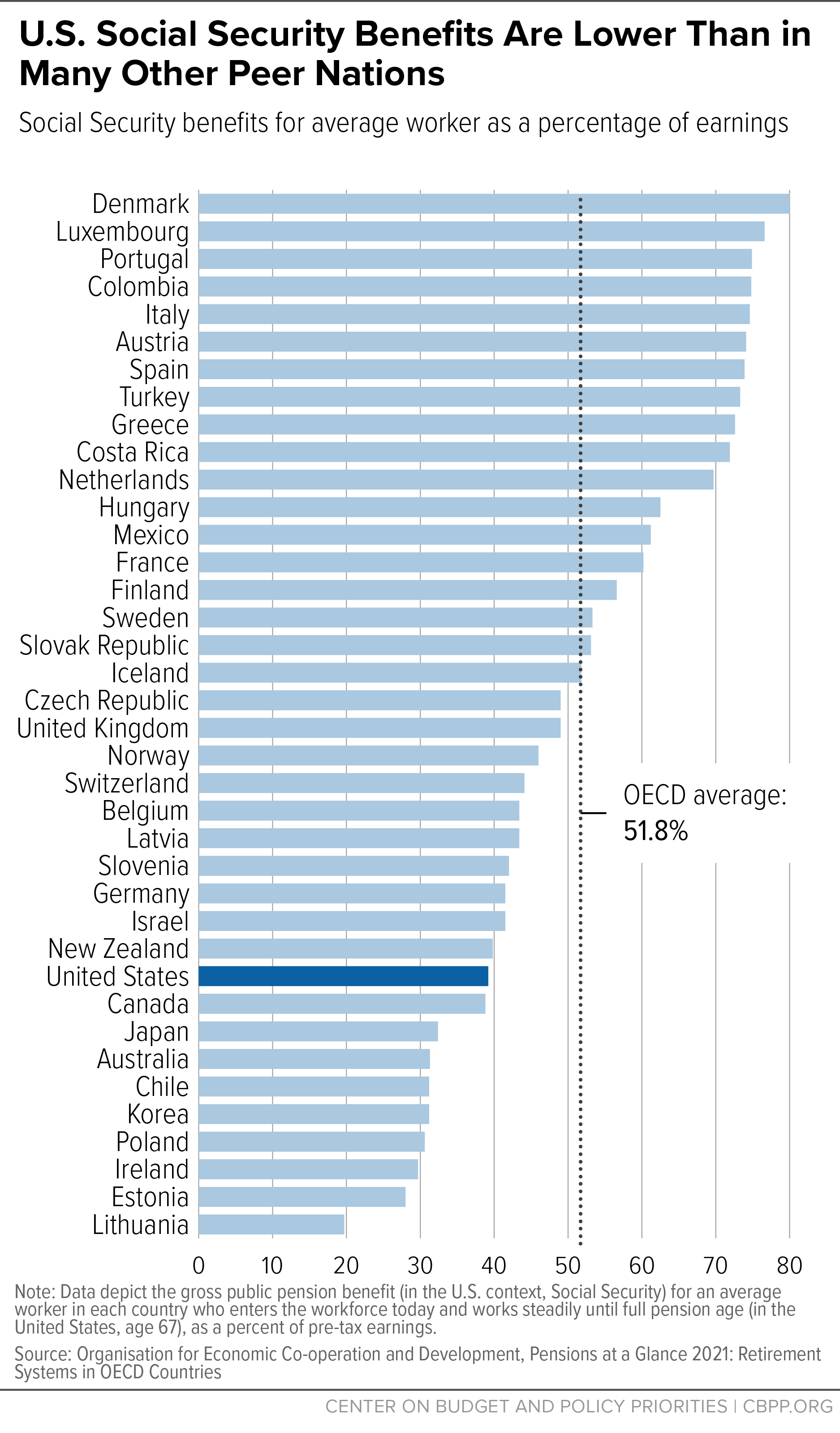
Social Security faces long-term financial challenges, primarily due to demographic shifts: increased life expectancy, declining birth rates, and the retirement of the large baby-boom generation. The annual Trustees’ Report regularly highlights that, without legislative action, the Social Security trust funds are projected to be unable to pay 100% of promised benefits sometime in the 2030s. At that point, the program would only be able to pay out roughly 80% of scheduled benefits from ongoing tax revenues. This does not mean the program will run out of money entirely, but it does signal a need for adjustments to ensure its long-term solvency.
Potential Reforms and What They Could Mean
Policymmakers frequently discuss various proposals to address Social Security’s financial challenges. These potential reforms could impact future average payments and how the program functions:
- Raising the Full Retirement Age: Gradually increasing the FRA beyond 67.
- Adjusting COLAs: Modifying the formula used to calculate annual cost-of-living adjustments.
- Increasing the Taxable Earnings Cap: Raising the amount of earnings subject to Social Security taxes.
- Raising the Payroll Tax Rate: Increasing the percentage of earnings contributed to Social Security.
- Means-Testing Benefits: Reducing benefits for higher-income retirees.
Understanding these potential changes is crucial for future beneficiaries, as they could influence the “average” payment and individual benefit amounts moving forward. Staying informed about legislative discussions is an important aspect of prudent financial planning.
In conclusion, the question “What is an average Social Security payment?” opens the door to a deeper understanding of one of America’s most vital financial programs. While the statistical average provides a useful snapshot, individual benefits are shaped by a complex interplay of earnings history, claiming age, marital status, and broader economic factors like inflation. By actively engaging with their personal Social Security statement, understanding the rules, and strategically coordinating their claiming decisions, individuals can significantly impact their financial well-being in retirement. Furthermore, recognizing the program’s ongoing challenges and potential future reforms empowers beneficiaries to integrate Social Security into a more robust and resilient personal financial plan, ensuring it remains a foundational pillar of their financial security.
aViewFromTheCave is a participant in the Amazon Services LLC Associates Program, an affiliate advertising program designed to provide a means for sites to earn advertising fees by advertising and linking to Amazon.com. Amazon, the Amazon logo, AmazonSupply, and the AmazonSupply logo are trademarks of Amazon.com, Inc. or its affiliates. As an Amazon Associate we earn affiliate commissions from qualifying purchases.