
In the current economic landscape, characterized by “subscription fatigue,” consumers are becoming increasingly forensic about their monthly recurring expenses. As streaming services transition from a growth-at-all-costs phase to a profitability-driven model, the question “How much is Amazon Prime Video?” is no longer a simple inquiry about a single price point. Instead, it serves as the entry point into a complex discussion regarding personal finance, digital budgeting, and the hidden costs of a comprehensive media ecosystem. Understanding the financial architecture of Amazon’s streaming service is essential for any household looking to optimize its discretionary spending without sacrificing high-quality entertainment.
1. Decoding the Cost Structure: Prime Membership vs. Standalone Video
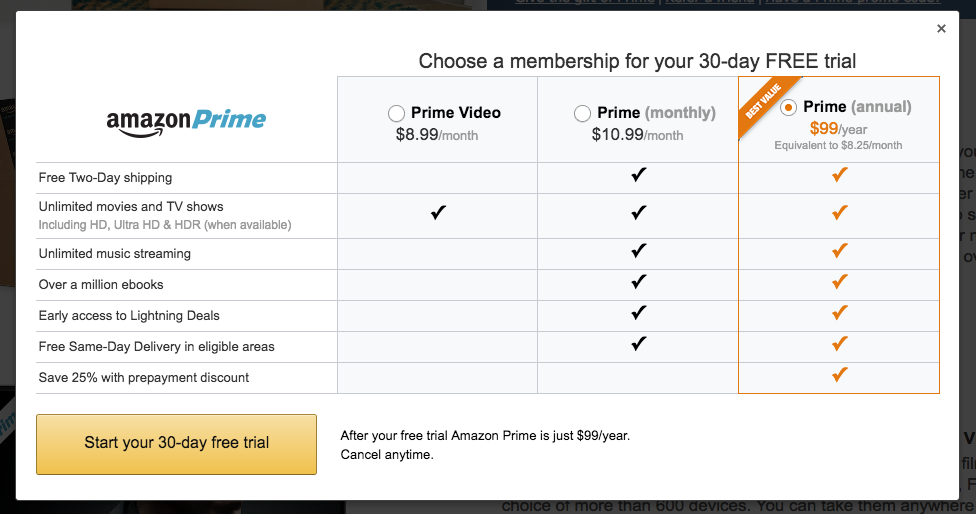
When evaluating the cost of Amazon Prime Video, the first financial hurdle for many consumers is understanding that the service exists in two distinct tiers. Unlike competitors such as Netflix or Disney+, Amazon offers its video platform both as a standalone product and as a cornerstone of its broader membership ecosystem.
The Full Amazon Prime Experience
For the vast majority of users, Amazon Prime Video is bundled into the standard Amazon Prime membership. As of 2024, this subscription carries a price tag of $14.99 per month or a discounted annual rate of $139. From a personal finance perspective, the annual option represents a significant saving of approximately $40 over twelve months. However, this requires an upfront capital outlay that may not suit every budget. The value of this $139 investment is intrinsically linked to how much a user utilizes the ancillary benefits, such as expedited shipping, Amazon Music, and cloud photo storage.
The Standalone Prime Video Option
Lesser known but equally important for the budget-conscious viewer is the standalone Prime Video subscription. Priced at $8.99 per month, this tier provides access solely to the streaming library without the logistics and retail perks of a full Prime membership. From a financial optimization standpoint, this is an ideal choice for consumers who live in urban areas with high retail accessibility or for those who do not frequently shop on the Amazon platform. It allows for the consumption of high-budget originals like The Rings of Power or The Boys at a price point that rivals the lower tiers of other major streaming providers.
Student and Discounted Tiers
Amazon has strategically segmented its pricing to capture demographics with lower disposable income. Prime Student is a notable example, offering a six-month trial followed by a subscription that is roughly half the price of a standard membership ($7.49 per month or $69 per year). Additionally, for individuals receiving qualifying government assistance (such as EBT or Medicaid), Amazon offers a discounted Prime access program for $6.99 per month. These targeted pricing strategies are essential for financial inclusivity, ensuring that the platform’s library remains accessible to a wide socio-economic range.
2. The Real Cost of “Free”: Managing Add-on Channels and In-App Purchases
One of the most significant pitfalls in digital budgeting is the “hidden” cost of Prime Video’s marketplace. While the base subscription grants access to a vast library of “Included with Prime” content, the platform is designed to act as a digital storefront for additional high-margin products.
The Prime Video Channels Ecosystem
Prime Video functions as a hub for other networks, marketed as “Channels.” These allow users to add subscriptions like Max, Paramount+, or Starz directly to their Amazon bill. While this offers the convenience of consolidated billing—a boon for organized financial tracking—it often leads to “subscription creep.” Because these channels can be added with a single click, users often lose track of their total monthly media spend. A consumer who pays $14.99 for Prime may unknowingly be spending over $60 a month if they have accumulated several active channels.
Transactional VOD (TVOD) – Renting vs. Buying
Unlike Netflix, which is a pure subscription-based model, Amazon Prime Video integrates Transactional Video on Demand (TVOD). This means that a significant portion of the movies visible on the home screen are available only for rent or purchase. From a wealth management perspective, the decision to “Buy” a digital asset at $19.99 versus “Rent” at $5.99 requires a cost-per-view analysis. Unless a household intends to watch a title more than three times, the rental option remains the more fiscally responsible choice, especially considering that digital “ownership” is often a license that can, in rare legal circumstances, be revoked.
The Ad-Free Premium Upgrade
A major shift occurred recently in Amazon’s financial model: the introduction of advertisements within the standard Prime Video tier. To maintain the ad-free experience that users previously enjoyed for free, Amazon now requires an additional $2.99 per month. This “incremental price hike” is a classic example of “feature peeling,” where a service is unbundled to increase the Average Revenue Per User (ARPU). For a household already paying for the annual $139 membership, this adds an extra $35.88 per year, a cost that must be weighed against the psychological and temporal cost of viewing advertisements.

3. Comparative ROI: Amazon Prime Video vs. The Streaming Market
To determine if Amazon Prime Video is “worth it,” one must view it through the lens of Return on Investment (ROI) compared to other market leaders. In a world where Netflix’s top-tier plan exceeds $20 and Disney+ has consistently raised prices, Amazon’s positioning is unique.
Netflix, Disney+, and Max: Price Point Comparison
When compared strictly on a price-per-title basis, Amazon Prime Video often leads the pack. Because Amazon’s library includes not just original content but a massive back-catalog of licensed films and television, the sheer volume of content available for $8.99 (standalone) or $14.99 (bundled) is formidable. However, from a quality-of-spend perspective, some users may find that Netflix’s user interface or Disney’s specific IP (Marvel, Star Wars) offers a higher “utility” per dollar spent, despite the higher price tag.
Factoring in Secondary Benefits
The true financial differentiator for Prime Video is its integration with the broader Amazon ecosystem. For a household that saves $10 per month on shipping costs by using Prime, the “net cost” of the video service effectively drops to $4.99. In financial terms, Prime Video acts as a “loss leader” or a “loyalty hook” for Amazon’s retail business. For the consumer, this means the subscription provides a multi-utility value that standalone streamers cannot match. If you are an active shopper, the video service is essentially a high-value dividend of your membership.
4. Maximizing Your Digital Budget: Strategies to Save on Amazon Prime Video
For the financially savvy, there are several ways to reduce the effective cost of Amazon Prime Video and avoid the pitfalls of recurring monthly charges.
Utilizing Annual Billing and Gift Subscriptions
As mentioned, the annual $139 payment is the most efficient way to pay for Prime, offering a nearly 25% discount over the monthly rate. Furthermore, savvy consumers can often use credit card rewards or “cash back” portals to purchase Amazon Gift Cards, which can then be applied to the subscription cost. This effectively uses “rebate money” to fund entertainment, preserving the primary household budget for necessities.
Shared Household Benefits
Amazon allows for “Amazon Household,” which enables two adults to share Prime benefits while keeping their personal accounts separate. This effectively halves the cost of the subscription for a two-person household or two roommates. By splitting the $14.99 monthly fee, each individual pays roughly $7.50 for a full suite of services—a masterclass in shared-economy budgeting that is significantly more generous than Netflix’s current crackdown on password sharing.
Evaluating the Opportunity Cost
The most important financial strategy is the “cull.” Subscription services rely on “breakage”—the revenue earned from people who pay for a service but do not use it. Conduct an audit of your viewing habits. If you have not watched a Prime Video original in over 30 days, the $14.99 (or $8.99) represents an opportunity cost—money that could be diverted into a high-yield savings account or used to pay down high-interest debt. By adopting a “churn” strategy—subscribing for a month to binge specific content and then canceling—a consumer can enjoy the best of Prime Video for a fraction of the annual cost.
Final Economic Verdict
The cost of Amazon Prime Video is a variable figure that depends entirely on a user’s financial habits and lifestyle needs. At its base level of $8.99, it is a competitive streaming option. At its bundled level of $14.99, it is a lifestyle investment. However, with the inclusion of the $2.99 ad-free surcharge and the temptation of add-on channels, the cost can quickly spiral.
In the modern era of personal finance, the goal is not to eliminate all spending, but to ensure that every dollar spent provides maximum utility. Amazon Prime Video, when managed with a focus on annual billing, household sharing, and disciplined channel management, remains one of the most cost-effective entertainment investments on the market. By understanding the underlying financial mechanics of the platform, consumers can enjoy premium content while maintaining a rigorous and healthy digital budget.
aViewFromTheCave is a participant in the Amazon Services LLC Associates Program, an affiliate advertising program designed to provide a means for sites to earn advertising fees by advertising and linking to Amazon.com. Amazon, the Amazon logo, AmazonSupply, and the AmazonSupply logo are trademarks of Amazon.com, Inc. or its affiliates. As an Amazon Associate we earn affiliate commissions from qualifying purchases.