
Understanding your daily caloric needs is a cornerstone of effective health, fitness, and weight management strategies. Historically, this endeavor involved complex mathematical formulas and manual tracking, often leading to approximations rather than precise figures. In the modern era, however, technology has revolutionized how we approach calorie calculation, transforming it from a tedious task into an accessible, data-driven science. From sophisticated online calculators to AI-powered personal health assistants and advanced wearable devices, digital tools now provide unprecedented accuracy, convenience, and personalization in determining the energy your body requires. This article will delve into the technological landscape that empowers individuals to precisely calculate their caloric needs, optimize their nutritional intake, and achieve their health goals with greater efficiency.
The Digital Evolution of Calorie Estimation
The fundamental principles behind calorie calculation – basal metabolic rate (BMR) and total daily energy expenditure (TDEE) – remain the same. What has changed dramatically is the ease and accuracy with which these values can be determined and utilized, thanks to advancements in digital technology.
From Manual Formulas to Algorithmic Precision
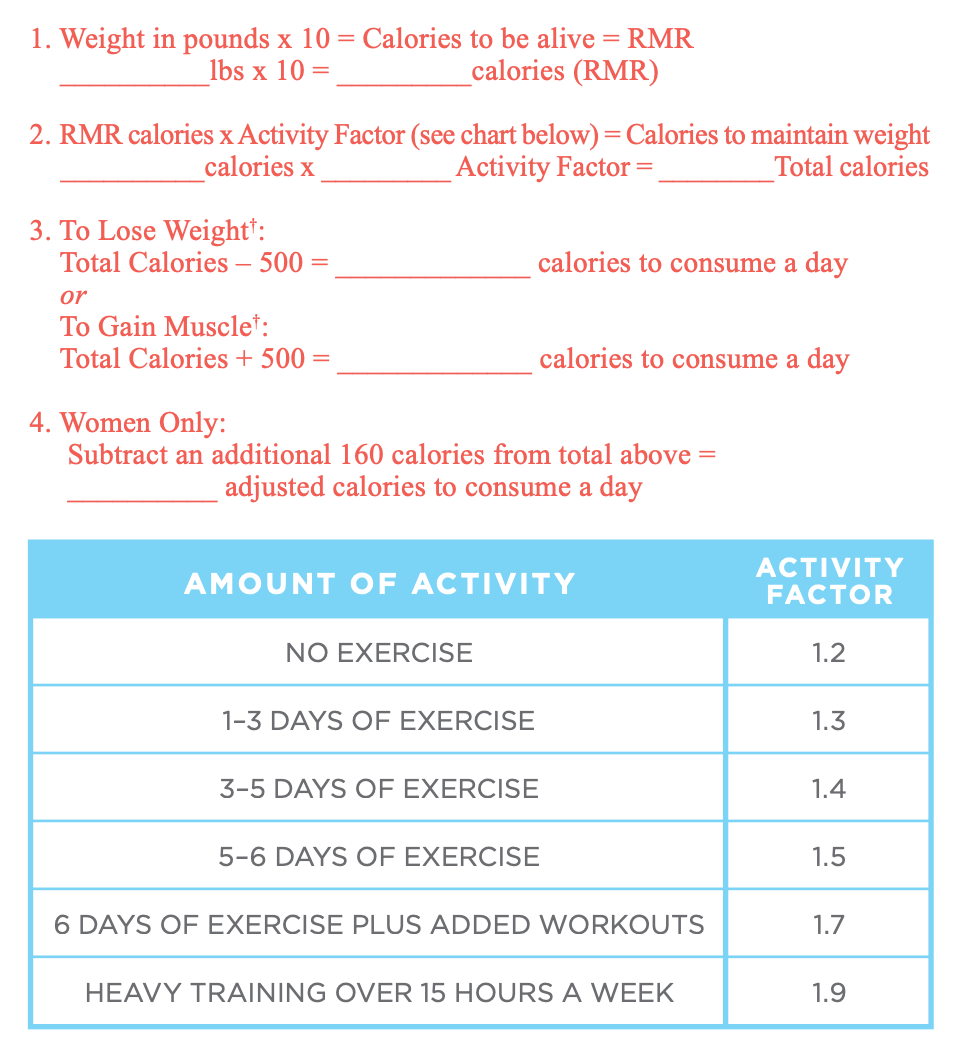
At its core, calculating calories involves understanding your BMR, which is the number of calories your body burns at rest to maintain basic life-sustaining functions. This is then adjusted by your activity level to arrive at your TDEE – the total calories you burn in a day. Traditional methods relied on formulas like the Mifflin-St Jeor or Harris-Benedict equations, which require inputting variables such as age, gender, weight, and height. While effective, performing these calculations manually for every adjustment or scenario was cumbersome.
Today, sophisticated algorithms embedded within apps and online platforms automate these complex computations. Users simply input their personal data, and the software instantly applies the most appropriate formula, often providing an estimated BMR and TDEE. Many advanced tools go a step further, allowing users to select specific activity multipliers or even integrate with other data sources to dynamically adjust these figures. This algorithmic precision not only saves time but also significantly reduces the potential for human error, making calorie estimation more reliable and accessible to a wider audience. The seamless integration of these mathematical models into user-friendly interfaces has democratized access to personalized nutritional insights, moving beyond the realm of dietitians and making it available to anyone with a smartphone or internet connection.
Leveraging Online Calorie Calculators and Web Platforms
The internet is replete with a multitude of online calorie calculators and comprehensive web platforms dedicated to nutrition and fitness. These tools serve as an excellent starting point for anyone looking to understand their caloric needs without downloading a dedicated app. Websites like MyFitnessPal, Cronometer, or even general health portals often feature robust calculators that allow users to input their statistics, activity level, and weight goals (maintenance, loss, or gain).
Beyond providing a static calorie number, many of these platforms offer additional functionalities. They might include databases of thousands of foods with their nutritional breakdowns, allowing users to track their intake against their calculated needs. Some even provide macronutrient breakdowns (proteins, fats, carbs) to help users optimize their diet for specific goals, such as muscle gain or fat loss. The accessibility of these web-based tools means users can quickly get an initial estimate from any device with an internet browser, making them invaluable for quick checks or for those who prefer not to commit to a dedicated app. Their comprehensive nature, often backed by extensive food data and scientific formulas, empowers individuals to gain a clear understanding of their dietary requirements and track their progress effectively.
Smart Devices and Wearables: Real-time Energy Expenditure Tracking
While online calculators provide a baseline, smart devices and wearables have introduced a new dimension of accuracy and real-time tracking to calorie expenditure. These gadgets bridge the gap between static calculations and the dynamic reality of daily physical activity.
Wearable Technology for Activity Monitoring
Fitness trackers and smartwatches have become ubiquitous, offering more than just step counting. Modern wearables are equipped with a suite of sensors – accelerometers, gyroscopes, heart rate monitors, and even GPS – that work in tandem to estimate calories burned throughout the day. By continuously monitoring movement, heart rate zones, and duration of activity, these devices provide a far more nuanced picture of your energy expenditure than a generic activity multiplier.
For instance, a smartwatch can differentiate between calories burned during a brisk walk versus a high-intensity interval training (HIIT) session, taking into account the increased heart rate and exertion. GPS capabilities allow for accurate distance tracking during outdoor activities, further refining calorie burn estimates. This constant, passive data collection means that your TDEE calculation is no longer a fixed number but a dynamic figure that adjusts based on your actual lifestyle and activity levels each day. The data collected by these devices offers invaluable insights into your actual energy expenditure, moving beyond theoretical models to provide a personalized, real-world assessment.
Integrating Data for a Holistic View
The true power of wearables unfolds when their data is integrated with dedicated health and fitness apps. Most smart devices sync wirelessly with companion apps on smartphones, consolidating all your activity and health metrics in one place. This integration allows for a holistic view of your energy balance – calories consumed versus calories burned.
For example, an app might take your BMR from an initial calculation, add the dynamic calorie burn data from your smartwatch, and then compare it against your manually logged food intake. This continuous feedback loop helps users understand if they are in a caloric surplus (gaining weight), deficit (losing weight), or at maintenance. Beyond simple numbers, these integrated platforms often present data visually through graphs and charts, making trends easier to identify and adjustments simpler to implement. The seamless flow of information from device to app creates a powerful ecosystem that empowers users to make informed decisions about their diet and exercise routines, fostering a proactive approach to health management.
AI and Advanced Software: Personalizing Your Calorie Blueprint
The next frontier in calorie calculation and management lies in artificial intelligence and advanced software, which move beyond basic tracking to offer predictive insights and highly personalized recommendations.
Predictive Analytics and Adaptive Algorithms

AI-powered health apps leverage machine learning to analyze vast amounts of user data, including dietary preferences, activity patterns, sleep quality, and even progress towards specific goals. Instead of just calculating your TDEE based on static inputs, these adaptive algorithms learn from your individual responses to different calorie targets. For instance, if an initial calorie target doesn’t yield the expected weight loss, the AI can suggest adjustments based on observed outcomes and historical data.
This predictive capability allows AI to anticipate how changes in diet or activity might affect your caloric needs and overall progress. Some AI tools can even factor in menstrual cycles for women, recognizing their impact on metabolism and energy levels. By continuously analyzing and adapting, AI creates a dynamic and truly personalized “calorie blueprint” that evolves with the user, offering a level of precision and responsiveness that manual methods or simpler calculators cannot match. This iterative learning process ensures that calorie recommendations are not just generic guidelines but finely tuned directives optimized for individual physiology and progress.
Meal Planning Apps and Nutritional Databases
Advanced software tools, particularly meal planning apps, have become indispensable for translating calorie goals into actionable dietary choices. These apps house extensive nutritional databases, often containing hundreds of thousands of food items, complete with their caloric and macronutrient values. Users can easily log their meals, and the app automatically tallies their intake, comparing it against their daily calorie target.
Many go beyond simple logging, offering features like recipe suggestions tailored to calorie and macronutrient goals, grocery list generation, and even barcode scanning for quick food entry. Some apps utilize AI to suggest meal plans that fit specific dietary restrictions (e.g., vegetarian, gluten-free) or preferences, while still adhering to the desired calorie budget. This integration of data, planning, and tracking simplifies the often-complex task of managing diet, turning a challenging daily chore into a streamlined process. By providing immediate feedback and simplifying food choices, these apps empower users to stay within their calorie targets without constant mental arithmetic or extensive research.
Ensuring Accuracy and Data Security in the Digital Age
While technology offers unparalleled advantages in calorie calculation, it also introduces critical considerations regarding data accuracy and privacy.
Verifying Data Sources and App Reliability
The effectiveness of any digital calorie calculation tool hinges on the accuracy and reliability of its underlying data. Users must exercise due diligence in choosing reputable apps and platforms. Key questions to ask include: What sources does the app use for its nutritional database? Are the calorie formulas used scientifically validated (e.g., Mifflin-St Jeor)? Is the app regularly updated to reflect new research or food products?
Unreliable data or poorly implemented algorithms can lead to significant discrepancies in calorie estimates, undermining the user’s efforts. Reviews, expert endorsements, and transparency from the app developers about their methodologies are all indicators of a trustworthy tool. Opting for well-established apps with a large user base and a track record of accuracy is generally a safer bet, ensuring that the insights derived are genuinely helpful rather than misleading. Trustworthy applications prioritize scientific accuracy and provide clear explanations of their methodologies, allowing users to make informed choices.
Navigating Privacy Concerns and Data Management
Using health and fitness apps inevitably involves sharing sensitive personal data, including weight, height, activity levels, and dietary habits. Users must be acutely aware of the privacy policies of the apps they use and understand how their data is collected, stored, and potentially shared. Strong data encryption, clear consent mechanisms, and adherence to privacy regulations (like GDPR or HIPAA where applicable) are crucial.
It’s advisable to use apps that offer robust security features, such as two-factor authentication, and to be cautious about sharing excessive permissions. Regularly reviewing and managing your data settings within these apps can help maintain control over your personal information. While the convenience of digital tools is undeniable, safeguarding your health data is paramount, ensuring that the benefits of accurate calorie calculation do not come at the expense of your privacy. Responsible data management is not just about security; it’s about empowering users with control over their digital health footprint.
The Future of Calorie Management: Beyond Simple Numbers
The trajectory of technology in calorie calculation points towards even greater integration, personalization, and a more holistic view of health.
Emerging Technologies in Health & Nutrition Tech
Looking ahead, we can anticipate even more sophisticated tools. Continuous Glucose Monitors (CGMs), once exclusive to diabetics, are becoming available to the general public, offering real-time insights into how different foods impact blood sugar – a critical factor influencing energy levels and metabolism. Microbiome analysis, though nascent, holds the promise of highly personalized dietary recommendations based on individual gut flora.
Furthermore, the integration of data from various smart home devices, sleep trackers, and even environmental sensors could create a comprehensive “digital twin” of your health. This interconnected ecosystem will allow for hyper-personalized calorie and nutrient recommendations that adapt not just to activity but also to stress levels, sleep quality, and even ambient temperatures, offering an unprecedented level of precision in managing energy intake.
Balancing Tech Insights with Personal Understanding
Ultimately, while technology provides incredibly powerful tools for calculating and managing caloric needs, it remains an aid, not a replacement for personal understanding and professional guidance. Relying solely on algorithms without understanding the underlying principles can lead to a disconnect from one’s own body signals.
The most effective approach involves using technology to gain insights and streamline tracking, while simultaneously cultivating an intuitive understanding of your body’s hunger cues, satiety signals, and responses to different foods. Consulting with registered dietitians or healthcare professionals, who can interpret the data generated by technology and provide tailored advice, remains invaluable. Technology should empower you with data and convenience, but the journey to optimal health is a personal one, best navigated with a blend of digital intelligence and self-awareness.
aViewFromTheCave is a participant in the Amazon Services LLC Associates Program, an affiliate advertising program designed to provide a means for sites to earn advertising fees by advertising and linking to Amazon.com. Amazon, the Amazon logo, AmazonSupply, and the AmazonSupply logo are trademarks of Amazon.com, Inc. or its affiliates. As an Amazon Associate we earn affiliate commissions from qualifying purchases.