
For millions of Americans, Social Security represents a cornerstone of their retirement planning, a crucial safety net, and a source of financial stability in later life. Yet, for many, the exact mechanics of how these benefits are calculated, what factors influence the final amount, and how to effectively plan around them remain shrouded in mystery. Understanding your potential Social Security benefits is not merely an exercise in curiosity; it’s a vital component of prudent financial planning, helping you project your future income, assess retirement readiness, and make informed decisions about when to claim.
This comprehensive guide aims to demystify the process, breaking down the complexities of Social Security benefits into understandable components. We’ll explore the fundamental principles that govern benefit calculations, highlight the key variables that can significantly alter your payout, and equip you with the knowledge to estimate your future entitlements and even strategies to maximize them. Whether you’re years away from retirement or approaching eligibility, gaining clarity on your Social Security outlook is an indispensable step towards securing your financial future.
Understanding the Foundation of Social Security Benefits
Before diving into specific figures, it’s essential to grasp the underlying principles that govern the Social Security system. Far from a simple savings account, Social Security operates as a pay-as-you-go system, with current workers’ contributions funding the benefits of today’s retirees and other beneficiaries.
What is Social Security and Who is Eligible?
Social Security is a federal program that provides financial protection to millions of Americans, including retirees, people with disabilities, and survivors of deceased workers. It’s funded through dedicated payroll taxes, known as Federal Insurance Contributions Act (FICA) taxes, paid by employees, employers, and self-employed individuals.
To be eligible for retirement benefits, you typically need to accumulate a certain number of “credits” through your work history. In 2024, you earn one credit for each $1,730 of earnings, up to a maximum of four credits per year. Most individuals need 40 credits (equivalent to 10 years of work) to qualify for retirement benefits. Once you’ve earned these credits, you are “fully insured” and eligible to receive benefits when you reach the required age.
How Your Primary Insurance Amount (PIA) is Calculated
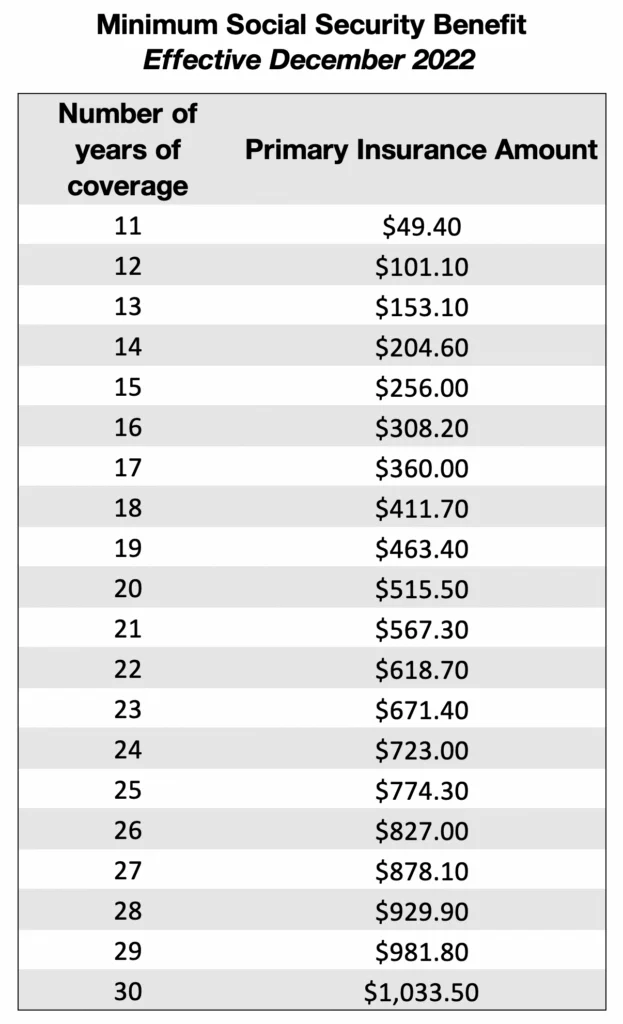
The core of your Social Security benefit calculation is your Primary Insurance Amount (PIA). This is the monthly benefit you would receive if you claim at your Full Retirement Age (FRA). The calculation is a multi-step process:
- Inflation-Adjusted Earnings: The Social Security Administration (SSA) first adjusts your historical earnings to account for changes in average wages over time. This ensures that earlier earnings reflect their relative value today.
- Highest 35 Years: The SSA then takes your highest 35 years of inflation-adjusted earnings. If you have fewer than 35 years of earnings, the missing years are counted as zeros, which can significantly reduce your benefit.
- Average Indexed Monthly Earnings (AIME): These highest 35 years of earnings are summed and then divided by 420 (the number of months in 35 years) to arrive at your Average Indexed Monthly Earnings (AIME).
- Bend Points: Finally, your AIME is plugged into a progressive formula using “bend points” that are updated annually. This formula applies different percentages to different segments of your AIME, meaning lower earners receive a higher percentage of their average earnings back as benefits compared to higher earners. For example, in 2024, the formula might be 90% of the first $1,174 of AIME, plus 32% of AIME between $1,174 and $7,078, plus 15% of AIME above $7,078. The result of this calculation is your PIA.
It’s important to note that there’s an annual maximum taxable earnings limit for Social Security. Earnings above this limit (e.g., $168,600 in 2024) are not subject to Social Security taxes and do not count towards your benefit calculation.
Key Factors Influencing Your Social Security Payout
While the PIA provides a baseline, several critical factors can significantly alter the actual monthly benefit you receive. Understanding these variables is paramount for effective financial planning.
Your Full Retirement Age (FRA) and Claiming Age
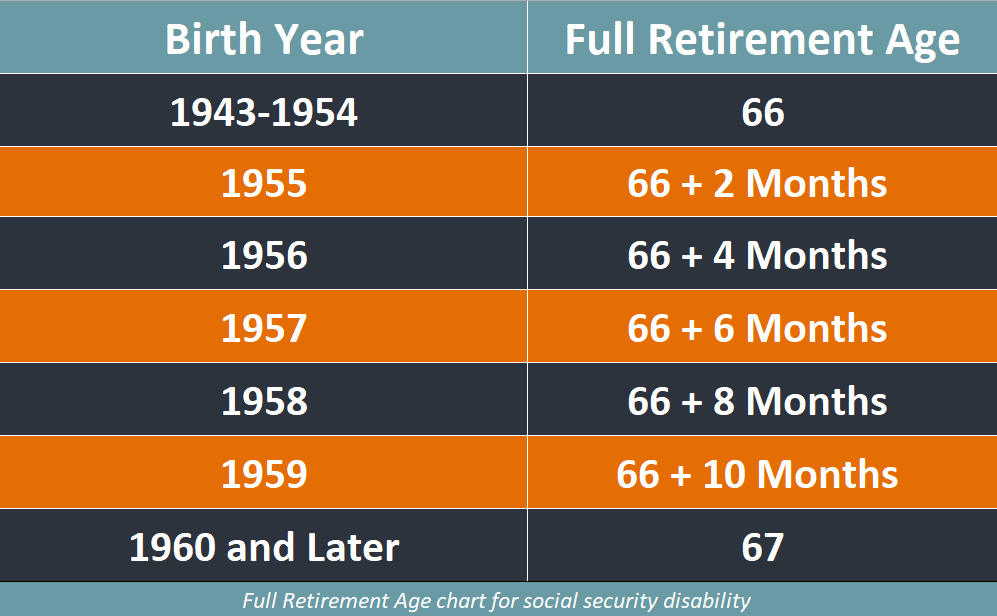
Your Full Retirement Age (FRA) is the age at which you are entitled to receive 100% of your PIA. This age depends on your birth year:
- Born 1943-1954: FRA is 66
- Born 1955: FRA is 66 and 2 months
- Born 1956: FRA is 66 and 4 months
- Born 1957: FRA is 66 and 6 months
- Born 1958: FRA is 66 and 8 months
- Born 1959: FRA is 66 and 10 months
- Born 1960 or later: FRA is 67
The age at which you choose to start receiving benefits is arguably the most impactful decision you’ll make.
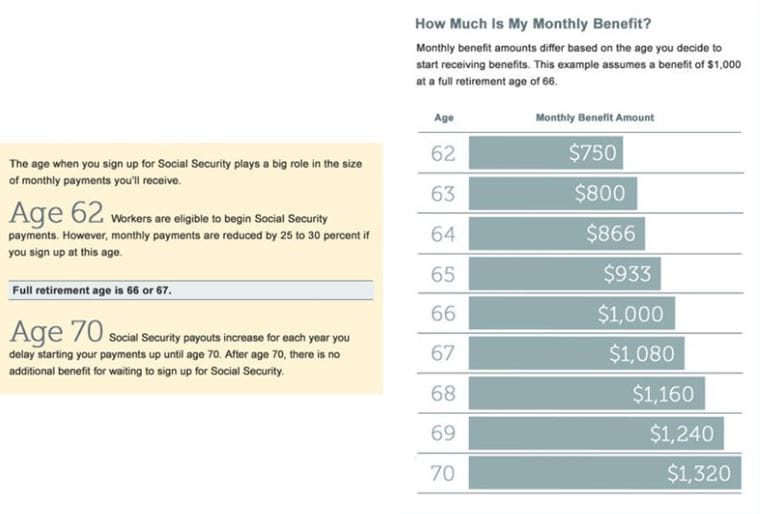
- Claiming Early (as early as age 62): If you claim benefits before your FRA, your monthly payment will be permanently reduced. The reduction can be substantial, up to 30% if you claim at age 62 and your FRA is 67.
- Claiming at Full Retirement Age: You receive 100% of your PIA.
- Delaying Benefits (up to age 70): For each month you delay claiming past your FRA, your benefit amount increases by a certain percentage, known as “delayed retirement credits.” These credits add up to 8% per year (0.667% per month) until age 70. This can result in a monthly benefit that is 24% to 32% higher than your FRA amount.
Your Earnings History: The 35-Year Rule
As mentioned, the SSA uses your highest 35 years of indexed earnings to calculate your AIME. This has significant implications:
- Missing Years: If you work fewer than 35 years, each year short of 35 will be counted as a zero in the calculation, substantially lowering your AIME and thus your PIA.
- Low-Earning Years: Even if you work 35+ years, any years with very low earnings (e.g., part-time work, unemployment) will be included if they are among your highest 35, potentially bringing down your overall average. Conversely, replacing a low-earning year with a higher-earning year by working longer can increase your average and your future benefit.
- Maximum Taxable Earnings: Consistently earning above the annual maximum taxable earnings limit for Social Security throughout your career will generally lead to the highest possible benefit, assuming you also claim at an optimal age.
Other Benefit Types and Cost-of-Living Adjustments (COLAs)
Social Security isn’t just for primary workers. Other benefits include:
- Spousal Benefits: If you are married, divorced, or widowed, you may be eligible to receive benefits based on your spouse’s (or ex-spouse’s) earnings record, typically up to 50% of their FRA benefit.
- Survivor Benefits: If your spouse dies, you or your dependent children may be eligible for survivor benefits based on their record.
- Disability Benefits: If you become disabled and are unable to work, you may qualify for Social Security Disability Insurance (SSDI).
Furthermore, Social Security benefits are subject to Cost-of-Living Adjustments (COLAs). These annual increases are designed to help benefits keep pace with inflation. COLAs are typically announced in October and take effect in January, ensuring the purchasing power of your benefits doesn’t erode over time.
How to Estimate and Access Your Social Security Benefits
Gone are the days when you had to wait for an annual paper statement. The SSA now offers robust online tools that empower you to take control of your Social Security planning.
Your Social Security Statement: A Goldmine of Information
The Social Security Statement remains an invaluable resource. This personalized document provides:
- An estimate of your retirement benefits at various claiming ages (62, FRA, and 70).
- Estimates for disability and survivor benefits.
- A detailed record of your earnings history, which you should review carefully for accuracy. Any discrepancies could affect your future benefits.
While paper statements used to be mailed annually, the SSA now primarily encourages online access.
Utilizing the SSA’s Online Tools and Account
The most efficient way to get your personalized benefit estimates is by creating a “my Social Security” account on the SSA website (ssa.gov). This free online account allows you to:
- View your Social Security Statement online at any time.
- Get personalized estimates of your future benefits based on different retirement ages.
- Check your earnings record and report any errors.
- Manage your benefits once you start receiving them.
- Access benefit calculators that allow you to model various scenarios.
These online tools are incredibly powerful, providing real-time, accurate projections tailored to your specific work history. They enable you to experiment with different claiming ages and understand the financial implications of each choice.
Consulting a Financial Advisor
While the SSA provides excellent tools, navigating the nuances of Social Security within a broader retirement plan can be complex. A qualified financial advisor specializing in retirement planning can help you:
- Integrate Social Security into your overall financial strategy, considering other income sources, savings, and investments.
- Analyze your specific situation to determine the optimal claiming strategy for you and your spouse, taking into account longevity, health, and other financial goals.
- Understand potential tax implications of Social Security benefits.
- Plan for contingencies, such as unexpected health issues or market downturns.
An advisor can provide a holistic perspective that goes beyond just the Social Security benefit amount, ensuring it aligns with your complete financial picture.
Strategies to Maximize Your Social Security Payouts
Once you understand the factors at play, you can employ specific strategies to enhance your total lifetime Social Security benefits.
The Power of Delaying Your Claim
For many, the most significant lever to pull is delaying when you start receiving benefits. While claiming at age 62 offers immediate income, the permanent reduction can be substantial. Conversely, delaying until age 70 offers the maximum possible monthly benefit.
- Consider Your Life Expectancy: If you anticipate a longer lifespan, delaying benefits often makes financial sense, as the higher monthly payments will eventually “catch up” and surpass the total benefits received by claiming early.
- Current Financial Needs: If you don’t need the income immediately because you are still working or have sufficient retirement savings, delaying is a powerful option.
- Spousal Considerations: If you are the higher earner in a couple, delaying your claim not only maximizes your own benefit but also provides a higher potential survivor benefit for your spouse.
Working Longer and Replacing Low-Earning Years
Since your benefit is based on your highest 35 years of indexed earnings, working longer, especially in your peak earning years, can significantly boost your AIME.
- Eliminate Zeros: If you have fewer than 35 years of work, simply working a few more years will replace zero-earning years with actual earnings, dramatically increasing your average.
- Replace Low-Earning Years: Even if you have 35+ years, working an additional year at a high salary can replace a low-earning year from earlier in your career, leading to a higher overall average and therefore a higher PIA.
Each additional year of high earnings contributing to your 35-year average directly translates to a larger monthly benefit in retirement.
Coordinating Benefits with Your Spouse
For married couples, Social Security planning is not a solo endeavor but a joint strategy. There are various approaches to maximize combined household benefits:
- “File and Suspend” (No Longer Available): This strategy, which allowed one spouse to file for benefits at FRA and immediately suspend them to earn delayed retirement credits while allowing the other spouse to claim spousal benefits, was eliminated in 2016.
- “Restricted Application” (Limited Eligibility): If you were born on or before January 1, 1954, you may still be able to file a restricted application at your FRA, claiming only your spousal benefits while allowing your own retirement benefit to continue earning delayed retirement credits until age 70.
- Maximizing the Higher Earner’s Benefit: Often, the most effective strategy involves the higher-earning spouse delaying their claim as long as possible (up to age 70) to maximize their own benefit, which also maximizes the potential survivor benefit for the lower-earning spouse. The lower-earning spouse might claim earlier if their own benefit is less than 50% of the higher earner’s full benefit, and then switch to spousal benefits once the higher earner files.
Careful planning and understanding of these rules are crucial for couples to optimize their combined Social Security income.
The Future of Social Security and Your Financial Plan
While Social Security has been a bedrock of retirement income for generations, concerns about its long-term solvency occasionally surface. Projections from the Social Security Trustees indicate that, under current law, the program will be able to pay approximately 80% of promised benefits by the mid-2030s if no legislative action is taken.
Integrating Social Security into Your Broader Retirement Plan
Despite these long-term projections, Social Security is highly likely to continue paying a substantial portion of promised benefits. Therefore, it remains a critical component of nearly every American’s retirement strategy.
- Don’t Rely Solely on Social Security: It’s designed to replace about 40% of an average worker’s pre-retirement income. For a comfortable retirement, you’ll need additional savings from 401(k)s, IRAs, personal investments, and potentially other income streams.
- Plan Conservatively: When forecasting your retirement income, it can be prudent to use a slightly conservative estimate for your Social Security benefits, perhaps 70-80% of what is currently projected, to build a buffer against any future policy changes.
- Regular Review: Periodically review your “my Social Security” account and update your retirement plan as your earnings, health, and financial goals evolve.
Understanding “how much would I receive from Social Security” is more than just a number; it’s a foundational element of your financial well-being. By leveraging the available tools, understanding the key factors, and making informed decisions about when and how to claim, you can maximize this invaluable benefit and build a more secure retirement future.
aViewFromTheCave is a participant in the Amazon Services LLC Associates Program, an affiliate advertising program designed to provide a means for sites to earn advertising fees by advertising and linking to Amazon.com. Amazon, the Amazon logo, AmazonSupply, and the AmazonSupply logo are trademarks of Amazon.com, Inc. or its affiliates. As an Amazon Associate we earn affiliate commissions from qualifying purchases.