
The question “How much will I have at retirement?” is perhaps one of the most significant financial inquiries an individual will face throughout their working life. It’s a complex query, not easily answered with a single number, but rather through a comprehensive understanding of personal finance principles, strategic planning, and consistent execution. Retirement isn’t merely an age; it’s a financial reality that demands foresight, discipline, and a clear vision of the lifestyle you aspire to maintain when your working years conclude. This article delves into the critical components that determine your retirement nest egg, offering insights and strategies to help you not only answer this question but also proactively shape your financial future.

The Core Question: Defining Your Retirement Goal
Before you can calculate how much you’ll have, you first need to determine how much you’ll need. This crucial first step often gets overlooked, leading to vague savings targets. A well-defined retirement goal serves as your compass, guiding all subsequent financial decisions.
Estimating Your Retirement Expenses
The foundation of your retirement plan is a realistic estimate of your future living costs. Many people assume their expenses will drastically drop in retirement, but while some costs (like commuting or work-related attire) may decrease, others (like healthcare, leisure travel, or hobbies) might increase. Begin by tracking your current monthly expenses, then categorize them into “will continue,” “will decrease,” and “will increase” in retirement. Don’t forget to account for discretionary spending on activities you’ve always dreamed of doing, such as international travel, pursuing a new passion, or supporting grandchildren. A detailed budget will paint a clearer picture than a broad assumption.
The “Replacement Rate” Approach
A common rule of thumb is the “replacement rate,” which suggests you’ll need between 70% and 80% of your pre-retirement annual income to maintain your lifestyle. For instance, if you earn $100,000 annually, you might aim for $70,000 to $80,000 per year in retirement. This percentage can vary widely based on individual circumstances, such as whether your mortgage will be paid off, if you plan to downsize, or if you anticipate significant healthcare costs. While a useful starting point, it should always be refined with your specific expense estimations. Some financial planners even suggest aiming for 100% replacement if your current lifestyle is comfortable and you wish to maintain it without compromise.
Factoring in Inflation and Healthcare
Two powerful forces that can erode your retirement savings are inflation and healthcare costs. Inflation steadily decreases the purchasing power of money over time. What $100,000 buys today will be significantly less valuable in 20 or 30 years. Your retirement projections must incorporate an estimated annual inflation rate (historically around 3-4%) to ensure your future income can truly cover future expenses. Healthcare expenses are another major concern, often increasing at a rate higher than general inflation. Medicare covers a portion, but out-of-pocket costs, prescription drugs, and long-term care can be substantial. It’s prudent to allocate a specific portion of your retirement savings, or consider specific insurance products like long-term care insurance, to address these potentially exorbitant costs.
Key Pillars of Your Retirement Nest Egg
Building a substantial retirement fund relies on a combination of consistent effort and intelligent decision-making. These pillars form the bedrock of a robust financial future.
The Power of Consistent Contributions
The most straightforward way to increase your retirement savings is to consistently contribute as much as you can, as early as you can. Even small, regular contributions add up significantly over decades, thanks to the magic of compounding. Prioritize maxing out employer-sponsored plans like 401(k)s, especially if there’s an employer match – this is essentially free money you shouldn’t leave on the table. If an employer plan isn’t available or you’ve maxed it out, individual retirement accounts (IRAs) offer another excellent avenue for tax-advantaged savings. Automate your contributions to ensure consistency and remove the temptation to skip a month.
Strategic Investment Choices and Asset Allocation
Simply saving money isn’t enough; it needs to be invested wisely to grow. Your investment strategy, particularly your asset allocation (the mix of stocks, bonds, and cash), should align with your risk tolerance and time horizon. Younger investors with a long time until retirement can generally afford to take on more risk with a higher allocation to stocks, which offer greater growth potential over the long term. As retirement approaches, a more conservative approach with a higher proportion of bonds might be appropriate to preserve capital. Diversification across different asset classes, industries, and geographies is key to mitigating risk. Regular rebalancing of your portfolio ensures it remains aligned with your strategy.
Understanding Different Retirement Accounts (401k, IRA, Roth)
Navigating the landscape of retirement accounts can seem daunting, but understanding their differences is crucial for optimizing your tax strategy.
- 401(k)s (and 403(b)s/TSPs): Employer-sponsored plans offering high contribution limits. Contributions are often pre-tax, meaning you get a tax deduction now, but withdrawals in retirement are taxed. Many offer Roth 401(k) options, where contributions are after-tax, but qualified withdrawals in retirement are tax-free.
- Traditional IRAs: Individual accounts allowing pre-tax contributions (if you meet income limits and aren’t covered by an employer plan), with withdrawals taxed in retirement. Anyone can contribute after-tax, though.
- Roth IRAs: Contributions are always after-tax, but qualified withdrawals in retirement are tax-free. They have income limitations for direct contributions but offer unique benefits, particularly for those who expect to be in a higher tax bracket in retirement than they are today.
- SEP IRAs and SIMPLE IRAs: Designed for small businesses and self-employed individuals, offering tax advantages similar to traditional IRAs or 401(k)s, respectively, but with different contribution rules.
Choosing the right mix of these accounts can significantly impact your net retirement income by optimizing your tax burden both now and in the future.
Leveraging Time and Compounding for Growth
Time is arguably your greatest ally in the quest for a comfortable retirement. The longer your money has to grow, the more substantial your nest egg will become, primarily due to the extraordinary power of compound interest.
The Magic of Compound Interest
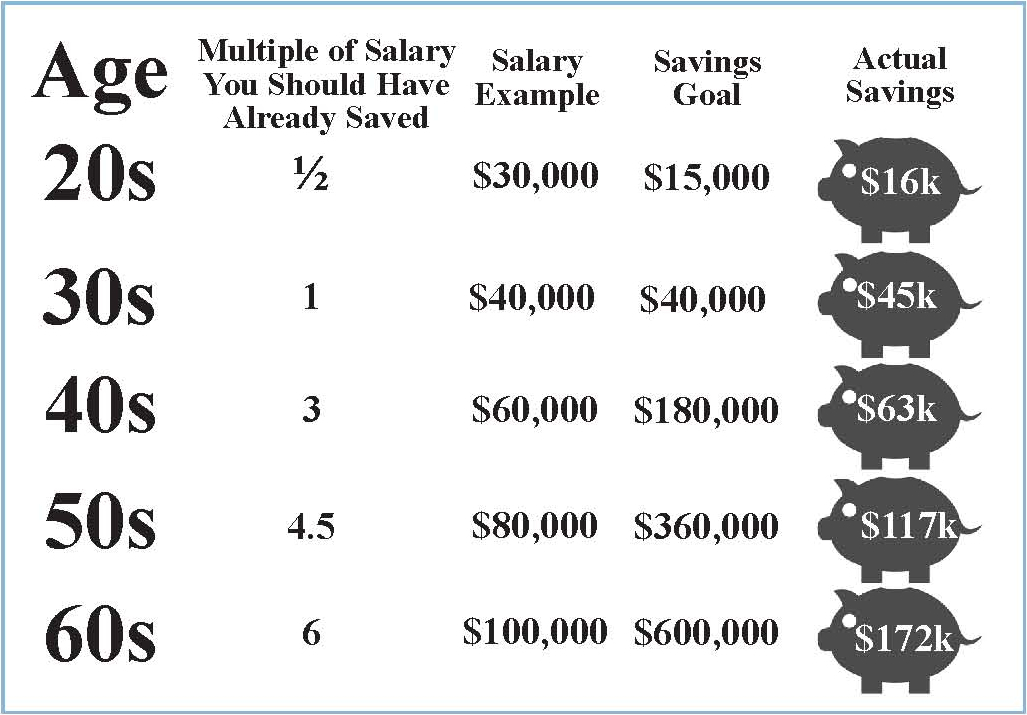
Compound interest is often called the “eighth wonder of the world” for good reason. It’s interest earned on both the initial principal and the accumulated interest from previous periods. This means your money grows exponentially over time. Even a modest sum invested early can snowball into a significant amount. For example, $5,000 invested annually at an 8% return for 30 years grows to over $566,000, but for 40 years, it’s over $1.4 million. The difference between 30 and 40 years is a testament to compounding’s power. This principle underscores why starting early is perhaps the single most impactful action you can take.
Starting Early vs. Playing Catch-Up
The stark reality of compound interest highlights the significant advantage of starting early. An individual who starts saving at age 25 and stops at 35 (contributing for 10 years total) will likely have more at retirement than someone who starts at 35 and contributes until 65 (30 years total), assuming similar contributions and returns. The “early starter” allows their money to compound for an additional decade before the “late starter” even begins. While it’s never too late to start saving, playing catch-up requires significantly larger contributions to reach the same goal, often demanding uncomfortable sacrifices later in life.
Navigating Market Volatility
Investing involves inherent risks, and market fluctuations are a certainty. There will be periods of strong growth and periods of decline. The key to successful long-term investing is to remain disciplined and avoid making rash decisions based on short-term market movements. Panic selling during a downturn locks in losses, preventing your portfolio from recovering when the market inevitably rebounds. A well-diversified portfolio, a long-term perspective, and a clear understanding of your risk tolerance are your best defenses against market volatility. Dollar-cost averaging, where you invest a fixed amount regularly regardless of market conditions, can also help mitigate risk by buying more shares when prices are low and fewer when prices are high.
Beyond Savings: Other Income Streams and Considerations
While personal savings and investments form the backbone of most retirement plans, other potential income sources and financial considerations can significantly impact your retirement security.
Social Security and Pensions
For many, Social Security will be a component of their retirement income, albeit usually a smaller percentage of their pre-retirement earnings than they might expect. The amount you receive depends on your earning history and the age at which you claim benefits. Delaying Social Security benefits past your full retirement age (up to age 70) can result in significantly higher monthly payments. Traditional pension plans, once common, are now rare outside of government and some large corporations. If you’re fortunate enough to have a pension, understand its payout options and how it integrates with your other retirement income streams.
Part-Time Work or Entrepreneurship in Retirement
For some, retirement doesn’t mean a complete cessation of work. Many retirees choose to work part-time, either for supplemental income, to stay mentally engaged, or to pursue a passion project. This can significantly reduce the pressure on your investment portfolio, allowing it to last longer or giving you more discretionary spending money. Starting a small business or working as a consultant in your area of expertise can also provide purpose and financial flexibility in retirement. It’s a strategic consideration that can transform your financial outlook, allowing for a more gradual transition from full-time employment.
Estate Planning and Legacy
While the primary focus is on how much you will have, considering your legacy and estate planning is an integral part of comprehensive financial planning. This involves decisions about how your assets will be distributed after your death, minimizing taxes for your heirs, and potentially leaving a charitable contribution. Creating a will, establishing trusts, and designating beneficiaries for all your accounts ensures your wishes are honored and can prevent unnecessary legal and financial burdens for your loved ones. This aspect of planning provides peace of mind, knowing that your financial journey concludes with your intentions respected.
Monitoring and Adapting Your Retirement Plan
A retirement plan isn’t a static document; it’s a dynamic strategy that requires ongoing attention and adjustment. Life is full of unforeseen changes, and your financial strategy must be flexible enough to accommodate them.
Regular Financial Check-ups
Just as you schedule regular health check-ups, your financial plan needs periodic review. At least once a year, sit down to assess your progress. Are you on track to meet your goals? Have your expenses or income changed? How has your investment portfolio performed? This is also an opportunity to rebalance your portfolio, ensuring your asset allocation still aligns with your risk tolerance and time horizon. Regular check-ups allow you to identify potential shortfalls early and make necessary corrections, preventing small issues from becoming major problems down the line.
Adjusting to Life Changes
Life rarely follows a perfectly predictable path. Major life events such as marriage, divorce, the birth of children or grandchildren, job changes, illnesses, or caring for aging parents can all have significant impacts on your financial situation. Each of these events should prompt a re-evaluation of your retirement plan. You might need to adjust your savings rate, reallocate investments, or reconsider your timeline. The ability to adapt and pivot is a hallmark of successful long-term financial planning.

Seeking Professional Guidance
While many aspects of retirement planning can be managed independently, the complexity of taxes, investment strategies, estate planning, and navigating changing financial landscapes often benefits from professional expertise. A qualified financial advisor can provide personalized guidance, help you create a comprehensive plan, optimize your investment strategy, and ensure you’re considering all relevant factors. They can also act as an objective third party, helping you stay disciplined during market volatility and navigate complex decisions, ultimately increasing your confidence in reaching your retirement goals.
In conclusion, determining “how much will I have at retirement” is a journey that requires careful planning, consistent effort, and a willingness to adapt. By understanding your needs, leveraging the power of time and smart investments, considering all potential income streams, and regularly reviewing your progress, you can build a robust financial future that provides the security and freedom you envision for your golden years. The answer to this critical question lies not in a crystal ball, but in the deliberate actions you take today.
aViewFromTheCave is a participant in the Amazon Services LLC Associates Program, an affiliate advertising program designed to provide a means for sites to earn advertising fees by advertising and linking to Amazon.com. Amazon, the Amazon logo, AmazonSupply, and the AmazonSupply logo are trademarks of Amazon.com, Inc. or its affiliates. As an Amazon Associate we earn affiliate commissions from qualifying purchases.