
In an increasingly complex financial landscape, understanding the cost of essential services is paramount. Among these, personal health insurance stands out as a critical yet often perplexing expense. For many, the question, “how much is personal health insurance?” isn’t just about a number; it’s about navigating a labyrinth of premiums, deductibles, and coverage options to secure peace of mind and access to quality healthcare. This isn’t merely a transactional decision; it’s a strategic financial investment in your most valuable asset: your health.
While there’s no single, universal answer to the cost of personal health insurance, a thorough exploration reveals the myriad factors that influence its price tag. From individual circumstances to the type of plan you select, numerous variables converge to determine your monthly premium and potential out-of-pocket expenses. This article will delve deep into these considerations, providing a comprehensive guide to demystifying personal health insurance costs, identifying pathways to affordability, and ultimately, understanding the profound value it delivers.
Decoding the Price Tag: Key Factors Influencing Health Insurance Costs
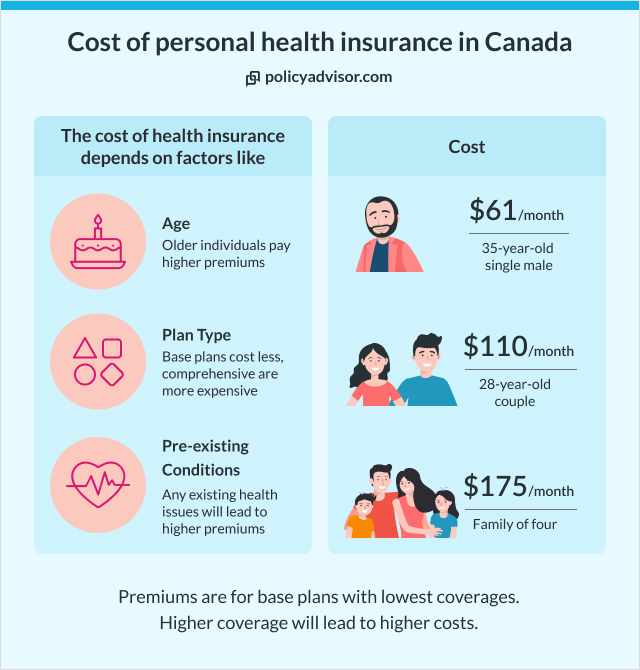
The sticker price for personal health insurance is far from arbitrary. It’s the result of a sophisticated actuarial calculation, weighing numerous risk factors and coverage parameters. Understanding these foundational elements is the first step toward making an informed financial decision.
Age, Location, and Lifestyle: The Personal Variables
Three highly individualized factors significantly shape your health insurance premiums:
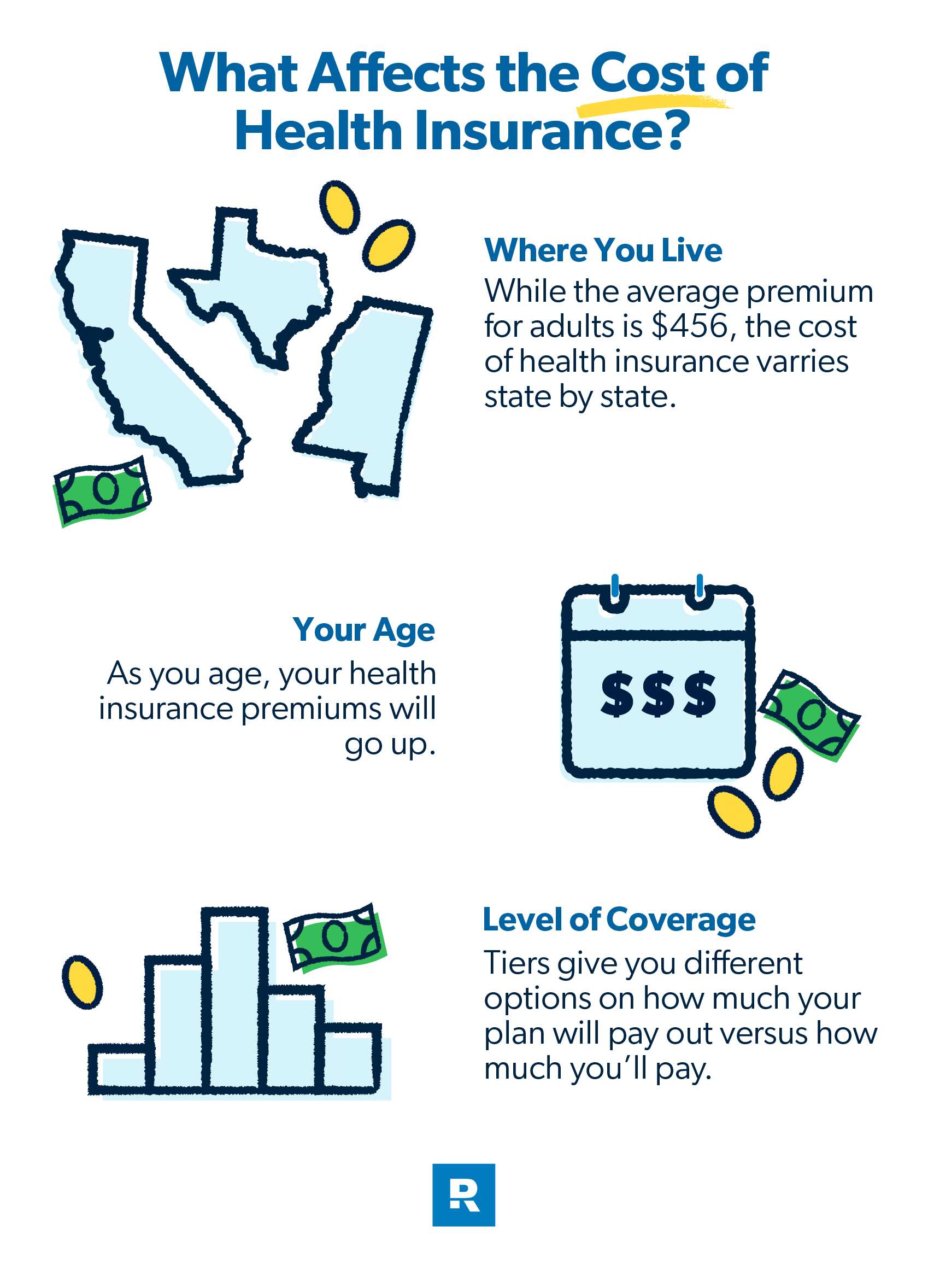
- Age: This is arguably one of the most significant determinants. As individuals age, the likelihood of needing medical care generally increases, which translates to higher premiums. Insurers are permitted to charge older adults up to three times more than younger individuals for the same plan, though this ratio can vary by state and specific regulations. Younger, healthier individuals typically enjoy lower premiums.
- Location: Where you live can have a substantial impact. Healthcare costs vary widely across states, counties, and even within different ZIP codes. Factors such as the number of available providers, local competition among insurers, and state-specific regulations all play a role. A state with a higher cost of living or fewer insurance providers might see higher premiums.
- Tobacco Use: Smokers and other tobacco users are often subject to higher premiums. The Affordable Care Act (ACA) allows insurers to charge tobacco users up to 50% more than non-tobacco users. This surcharge reflects the increased health risks and potential medical expenses associated with tobacco consumption. While gender was once a factor, the ACA prohibits insurers from charging different rates based on gender.
Plan Type and Coverage Level: HMO, PPO, HDHP, and More
The type of health insurance plan you choose dictates not only your access to care but also your financial commitment. Each plan structure comes with its own cost implications:
- Health Maintenance Organization (HMO): HMOs typically have lower premiums but restrict you to a network of doctors and hospitals. You usually need a referral from your primary care physician (PCP) to see a specialist, and out-of-network care is generally not covered, except in emergencies. This tightly controlled network helps keep costs down.
- Preferred Provider Organization (PPO): PPOs offer more flexibility than HMOs. You don’t usually need a referral to see a specialist, and you can see out-of-network providers, though often at a higher cost. This added flexibility usually comes with higher premiums compared to HMOs.
- Exclusive Provider Organization (EPO): Similar to a PPO in flexibility but typically doesn’t cover out-of-network care. It’s often a middle ground in terms of cost and flexibility.
- Point of Service (POS): A hybrid of HMO and PPO. You may need a PCP referral for specialists, but you can choose between in-network and out-of-network care (with higher costs for the latter).
- High-Deductible Health Plan (HDHP): These plans feature lower monthly premiums but require you to pay a higher deductible before your insurance starts to cover costs. HDHPs can be paired with a Health Savings Account (HSA), offering tax advantages for saving for future medical expenses. While the initial premium is low, the potential for high out-of-pocket costs needs careful consideration, especially if you anticipate frequent medical needs.
The level of coverage—bronze, silver, gold, or platinum—also directly impacts premiums. Bronze plans have the lowest premiums but cover only 60% of costs (on average), leaving you with higher out-of-pocket expenses. Platinum plans, conversely, have the highest premiums but cover about 90% of costs, minimizing your out-of-pocket spending.
Deductibles, Copayments, and Coinsurance: Your Out-of-Pocket Contribution
Beyond the monthly premium, personal health insurance involves other financial components that determine your total annual healthcare spending:
- Deductible: This is the amount you must pay out of pocket for covered medical services before your insurance plan starts to pay. Plans with lower deductibles typically have higher monthly premiums, and vice-versa.
- Copayment (Copay): A fixed amount you pay for a covered healthcare service after you’ve paid your deductible (though some plans may have copays that count toward your deductible or apply before it’s met). For example, you might pay a $30 copay for a doctor’s visit.
- **Coinsurance: Once you’ve met your deductible, coinsurance is the percentage of costs for covered services you’re still responsible for. For instance, if your plan has an 80/20 coinsurance, it means your insurance pays 80% and you pay 20% until you reach your out-of-pocket maximum.
- Out-of-Pocket Maximum: This is the most you’ll have to pay for covered services in a plan year. Once you reach this limit, your health insurance plan pays 100% of the cost of covered benefits for the remainder of the year. Understanding this cap is crucial for financial planning, as it sets an upper limit on your medical expenses.
Navigating the Marketplace: Where to Find Personal Health Insurance
With a grasp of the cost components, the next step is to understand where to shop for personal health insurance. The landscape offers several avenues, each with distinct advantages and considerations for your financial strategy.
The Health Insurance Marketplace (ACA): Subsidies and Options
For many individuals and families, the Health Insurance Marketplace (also known as the exchange), established by the Affordable Care Act (ACA), is the primary destination for personal health insurance. This platform allows you to compare various plans side-by-side and determine eligibility for financial assistance.
- Subsidies (Premium Tax Credits): A significant benefit of the Marketplace is the availability of premium tax credits, which can substantially lower your monthly premium. Eligibility for these subsidies is based on your household income relative to the federal poverty level. Many individuals and families with incomes between 100% and 400% (or even higher, depending on current legislation like the enhanced subsidies under the American Rescue Plan Act) of the federal poverty level qualify for assistance. These credits are paid directly to your insurer, reducing your upfront cost.
- Cost-Sharing Reductions (CSRs): In addition to premium tax credits, individuals with lower incomes may qualify for cost-sharing reductions, which lower your deductibles, copayments, and coinsurance. CSRs are only available if you enroll in a Silver-level plan.
The Marketplace aims to make health insurance more accessible and affordable, particularly for those who do not receive coverage through an employer. It’s a crucial resource for comparing standardized plans and accessing financial aid.
Private Brokers and Direct Insurers: Expanding Your Choices
While the Marketplace is robust, it’s not the only game in town. Private insurance brokers and direct insurers offer alternative routes to obtaining personal health insurance.
- Private Brokers: An independent insurance broker can be a valuable resource. They work with multiple insurance companies and can help you navigate different plans, understand their nuances, and find a policy that fits your specific needs and budget, even if it’s not offered on the Marketplace. Their expertise can be particularly useful for complex situations or for those seeking plans outside the ACA’s offerings (e.g., short-term plans, though these lack ACA protections).
- Direct Insurers: You can also purchase health insurance directly from an insurance company. Many large insurers, such as Blue Cross Blue Shield, UnitedHealthcare, and Aetna, offer individual plans outside the Marketplace. While you won’t get premium subsidies through direct enrollment, some people prefer this route for specific plan options or to work directly with a familiar provider.
It’s important to note that plans purchased outside the Marketplace may not be ACA-compliant and therefore might not cover essential health benefits or offer the same consumer protections. Always verify the coverage details before committing.
Employer-Sponsored Plans vs. Individual Coverage: A Critical Comparison
For many, the decision boils down to employer-sponsored insurance versus purchasing individual coverage. Each has its financial pros and cons:
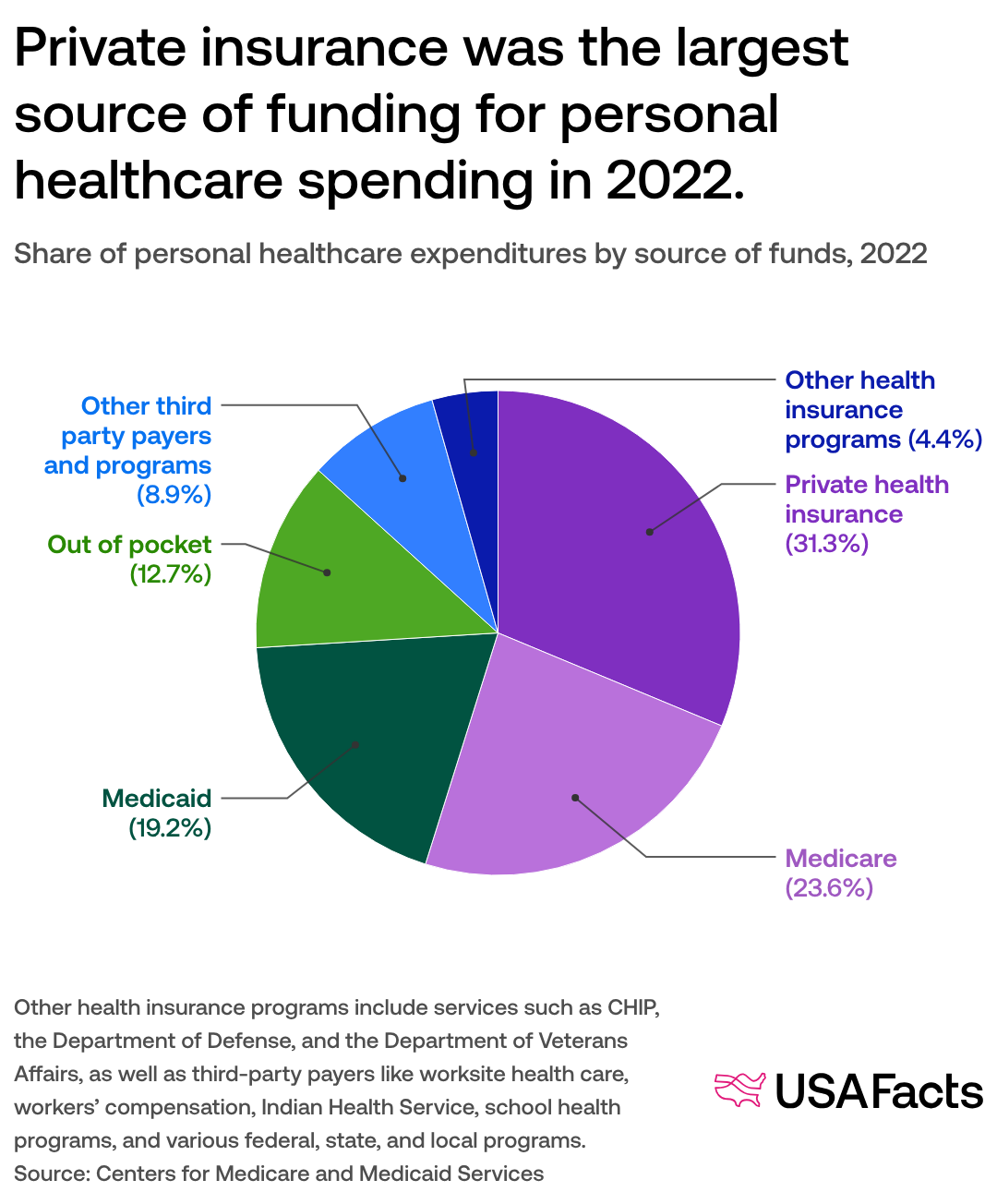
- Employer-Sponsored Plans: Often, these plans are more affordable than individual coverage because employers typically subsidize a significant portion of the premiums. They also usually offer a broader range of benefits and network options. If you have access to a good employer plan, it’s often the most cost-effective choice. However, employer plans are tied to your employment, which can be an issue if you change jobs or retire.
- Individual Coverage: While potentially more expensive without employer contributions, individual coverage offers greater flexibility and portability. You choose the plan that best suits your needs, and it moves with you regardless of your employment status. The availability of ACA subsidies can make individual plans highly competitive with, or even more affordable than, some employer plans, especially for lower-income households. The comparison requires a careful analysis of premiums, deductibles, and out-of-pocket maximums for both options, factoring in any subsidies you might qualify for.
Strategies for Smarter Spending: Making Personal Health Insurance Affordable
Given the potential costs, finding ways to make personal health insurance more affordable is a top financial priority for many. Fortunately, several strategies can help optimize your spending without compromising essential coverage.
Leveraging Subsidies and Tax Credits
As mentioned, the most direct way to reduce your monthly premium is through premium tax credits available on the Health Insurance Marketplace. Don’t assume you won’t qualify; even middle-income households may receive significant assistance, especially with the enhanced subsidies currently in effect.
- Accurate Income Estimates: When applying for Marketplace plans, provide the most accurate estimate of your household income for the upcoming year. Changes in income can affect your subsidy amount, potentially leading to adjustments at tax time.
- Consider Cost-Sharing Reductions: If your income qualifies, enrolling in a Silver plan on the Marketplace can unlock cost-sharing reductions, which directly lower your out-of-pocket costs like deductibles and copayments. This effectively transforms a standard Silver plan into one with Gold or Platinum-level actuarial value at a lower price.
Exploring High-Deductible Health Plans (HDHPs) with HSAs
For healthy individuals or those with predictable medical needs, an HDHP paired with a Health Savings Account (HSA) can be a powerful financial tool.
- Lower Premiums: HDHPs typically come with significantly lower monthly premiums compared to plans with lower deductibles. This immediate saving can free up cash flow.
- Tax-Advantaged Savings: An HSA is a tax-advantaged savings account that you can use to pay for qualified medical expenses. Contributions are tax-deductible, earnings grow tax-free, and withdrawals for qualified medical expenses are tax-free.
- Long-Term Investment: HSAs offer a unique triple-tax advantage, making them an excellent long-term savings and investment vehicle for healthcare costs, especially in retirement. Many HSAs allow you to invest funds once a certain balance is reached.
While HDHPs require a higher initial out-of-pocket commitment before insurance kicks in, the combination of lower premiums and the tax benefits of an HSA can lead to substantial long-term savings for those who manage their healthcare spending effectively.
The Power of Preventive Care and Wellness Programs
While not directly reducing your premium, prioritizing preventive care and participating in wellness programs can significantly lower your overall healthcare costs in the long run.
- Free Preventive Services: Under the ACA, most health plans must cover a range of preventive services, such as annual physicals, immunizations, and various screenings, at no additional cost to you. Taking advantage of these can catch potential health issues early, preventing more serious and costly conditions down the road.
- Wellness Incentives: Some insurance companies and employers offer wellness programs that provide incentives for healthy behaviors, such as discounts on gym memberships, rewards for completing health assessments, or lower premiums for meeting certain health goals. While more common in employer plans, some individual plans may offer similar benefits.
- Healthy Lifestyle: Ultimately, maintaining a healthy lifestyle—through diet, exercise, and avoiding harmful habits—is the most effective way to reduce your need for medical interventions, thereby minimizing your out-of-pocket expenses and ensuring your health investment pays off.
Beyond the Premium: Understanding the True Value of Health Insurance
Focusing solely on the monthly premium of personal health insurance misses a crucial part of its financial and personal value proposition. It’s more than just a bill; it’s a fundamental pillar of financial security and well-being.
Protecting Against Catastrophic Costs
The most compelling argument for health insurance, regardless of its cost, is its ability to shield you from financially ruinous medical emergencies. A severe accident, a sudden critical illness, or a prolonged hospitalization can quickly rack up hundreds of thousands of dollars in medical bills. Without insurance, such events can lead to bankruptcy, liquidate savings, and saddle families with crushing debt.
- Risk Mitigation: Health insurance acts as a powerful risk mitigation tool, transferring the financial burden of unpredictable and high-cost medical events from your personal balance sheet to the insurer.
- Fixed Out-of-Pocket Maximum: Knowing your out-of-pocket maximum provides a critical financial safety net. It guarantees that, no matter how severe your medical needs, your annual spending on covered services will not exceed a predetermined amount, allowing for predictable financial planning even in unforeseen circumstances.
Access to Quality Healthcare and Peace of Mind
Beyond financial protection, health insurance opens the door to proactive and quality medical care. It ensures you have access to doctors, specialists, hospitals, and prescription medications when you need them, without the deterrent of immediate, overwhelming costs.
- Proactive Health Management: With insurance, you’re more likely to seek preventive care, address minor issues before they escalate, and manage chronic conditions effectively. This proactive approach not only improves health outcomes but can also be more cost-effective than emergency-room-only care.
- Mental and Emotional Well-being: The peace of mind that comes with knowing you’re covered is invaluable. It reduces anxiety about potential health crises and allows you to focus on your health rather than the overwhelming financial implications of illness or injury.
Long-Term Financial Planning and Health Security
Integrating personal health insurance into your broader financial plan is a strategic move for long-term security. It’s an investment that supports other financial goals, such as saving for retirement, education, or homeownership, by safeguarding your assets from medical debt.
- Foundation for Financial Stability: A solid health insurance plan forms a critical foundation for overall financial stability. It prevents medical costs from derailing your carefully constructed budget and savings plans.
- Investment in Your Future: Ultimately, personal health insurance is an investment in your future self and your family’s well-being. It ensures that health challenges don’t become insurmountable financial burdens, allowing you to maintain your quality of life and pursue your long-term financial aspirations without constant fear of medical catastrophe.
While the question “how much is personal health insurance?” requires a multifaceted answer, the financial implications extend far beyond the monthly premium. By understanding the factors influencing costs, exploring all available marketplaces and subsidies, and employing smart spending strategies, individuals can navigate this essential investment with confidence. The true cost of health insurance must always be weighed against the immense value it provides in financial protection, access to care, and invaluable peace of mind.
aViewFromTheCave is a participant in the Amazon Services LLC Associates Program, an affiliate advertising program designed to provide a means for sites to earn advertising fees by advertising and linking to Amazon.com. Amazon, the Amazon logo, AmazonSupply, and the AmazonSupply logo are trademarks of Amazon.com, Inc. or its affiliates. As an Amazon Associate we earn affiliate commissions from qualifying purchases.