
The question “how much is a USD worth?” seems deceptively simple, yet its answer is anything but. Unlike a tangible asset with a fixed price tag, the value of the U.S. dollar is a dynamic, multifaceted concept influenced by an intricate web of economic indicators, geopolitical events, and market sentiment. For individuals, businesses, and governments worldwide, understanding these dynamics is crucial, as the dollar’s strength or weakness can have profound implications for everything from daily living expenses to international trade and investment portfolios. This article will delve into the various dimensions of the dollar’s worth, exploring the forces that shape it, how it’s measured, and its far-reaching consequences.

The Multifaceted Nature of Currency Value
To truly grasp the worth of the U.S. dollar, one must look beyond a single number. Its value is not monolithic but rather perceived and measured in different ways depending on the context.
Beyond a Simple Number: What “Worth” Truly Means
At its core, a currency’s “worth” refers to its purchasing power. This can be understood in two primary dimensions: how much goods and services it can buy domestically, and how much it can be exchanged for in terms of other currencies internationally. These two aspects are interconnected but often move independently, driven by different sets of economic forces. A strong dollar might mean cheaper imports but could also make U.S. exports more expensive, for example. The concept of worth, therefore, encapsulates both internal stability and external competitiveness.
The Dual Perspective: Domestic Purchasing Power vs. International Exchange
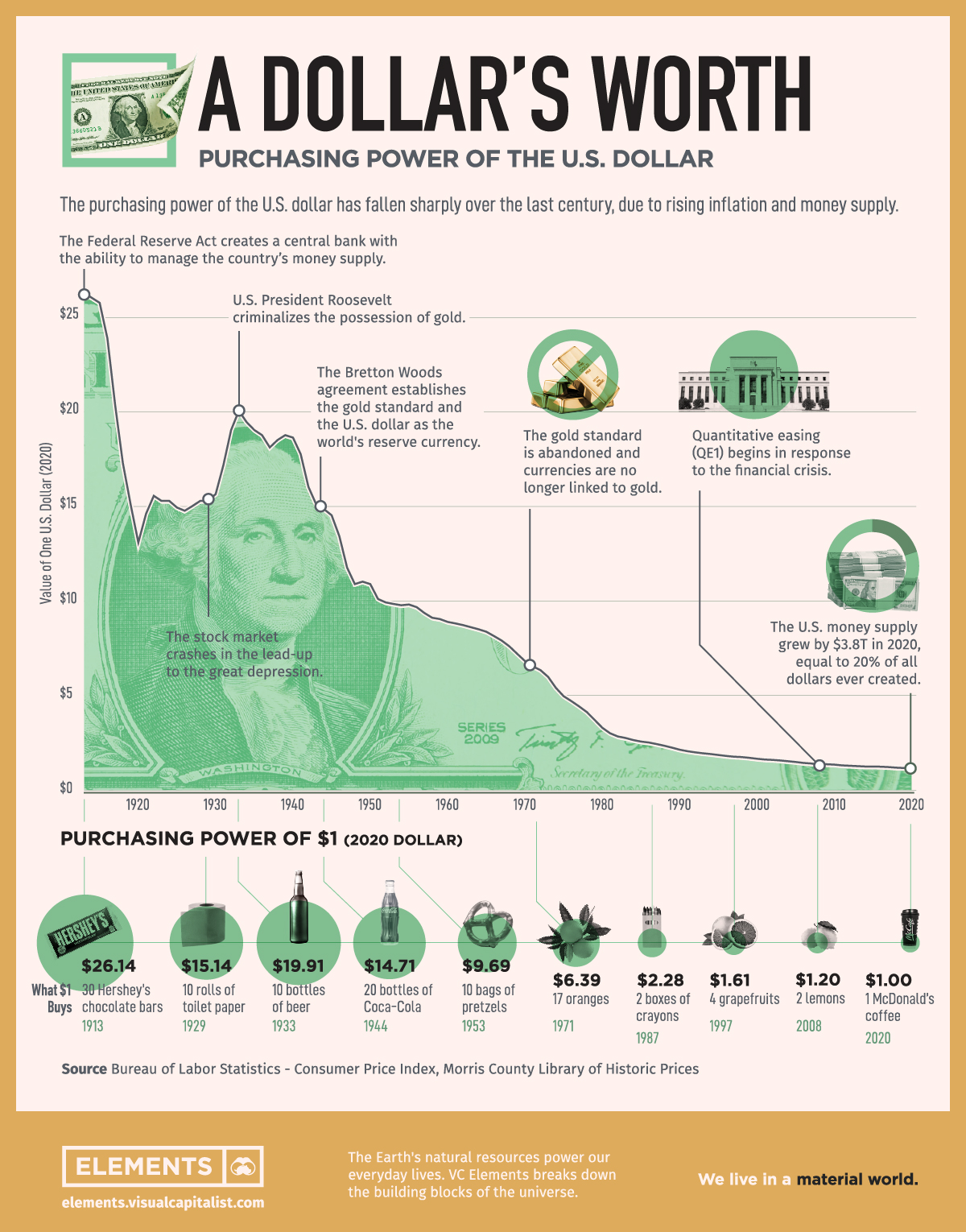
Domestically, the dollar’s worth is primarily a measure of its purchasing power – how many groceries, how much rent, or how many gallons of gas one dollar can buy. This is directly impacted by inflation. If prices for goods and services rise, the dollar’s domestic purchasing power diminishes, meaning it is “worth less” in real terms.
Internationally, the dollar’s worth is determined by its exchange rate against other currencies, such as the Euro, Japanese Yen, or British Pound. This value fluctuates constantly in the foreign exchange (forex) market, reflecting the supply and demand for dollars relative to other currencies. A higher exchange rate means the dollar is “worth more” compared to foreign currencies, enabling U.S. citizens to buy more foreign goods or services, and vice versa. These two perspectives are critical for understanding the full scope of the dollar’s influence.
Key Economic Drivers Shaping the Dollar’s Strength
The U.S. dollar’s value is not arbitrary; it is a direct reflection of underlying economic conditions and policies. Several key factors constantly exert pressure, causing its worth to ebb and flow.
Interest Rates and Monetary Policy: The Federal Reserve’s Influence
Perhaps the most significant driver of the dollar’s international value is the monetary policy set by the U.S. central bank, the Federal Reserve (the Fed). When the Fed raises interest rates, it makes dollar-denominated assets (like U.S. bonds) more attractive to foreign investors seeking higher returns. This increased demand for dollars to invest in these assets strengthens the currency. Conversely, lower interest rates tend to weaken the dollar as investors look elsewhere for better yields. The Fed’s decisions on benchmark interest rates, quantitative easing (QE), and quantitative tightening (QT) are closely watched global events that immediately impact the dollar’s standing.
Economic Performance Indicators: GDP, Employment, and Inflation
A robust and growing U.S. economy generally supports a stronger dollar. Key indicators such as Gross Domestic Product (GDP) growth, unemployment rates, and inflation figures provide insights into the nation’s economic health. Strong GDP growth signals a productive economy, attracting foreign investment and increasing demand for the dollar. Low unemployment indicates a healthy labor market, boosting consumer spending and confidence. While moderate inflation is a sign of a growing economy, runaway inflation erodes domestic purchasing power and can lead to aggressive monetary tightening, which has complex effects on the dollar’s international value. Economic stability and growth are powerful magnets for capital, underpinning the dollar’s strength.
Global Trade and Capital Flows: Supply and Demand Dynamics
The balance of trade, which measures a country’s exports versus its imports, also plays a crucial role. A trade surplus (exporting more than importing) means more foreign currency is flowing into the U.S. economy, increasing demand for dollars and strengthening the currency. Conversely, a trade deficit (importing more than exporting) means more dollars are leaving the country to pay for foreign goods, which can put downward pressure on the dollar. Beyond trade, capital flows—foreign direct investment, portfolio investment, and cross-border lending—also significantly influence the dollar. When foreign investors pour money into U.S. stocks, bonds, or businesses, they must first convert their currency to dollars, driving up demand and strengthening its value.
How the Dollar’s Value is Measured and Perceived
Given its dynamic nature, various tools and metrics are used to assess the dollar’s worth, both in the global marketplace and within the U.S. economy.
The Foreign Exchange Market: Real-time Valuation Against Other Currencies
The most immediate and visible measure of the dollar’s international worth is its exchange rate in the foreign exchange (forex) market. This global, 24/5 marketplace is where currencies are traded, and their values are determined by supply and demand. The U.S. Dollar Index (DXY) is a widely used benchmark that measures the dollar’s value against a basket of major world currencies (Euro, Japanese Yen, British Pound, Canadian Dollar, Swedish Krona, and Swiss Franc). A rising DXY indicates a stronger dollar relative to these currencies, while a falling DXY indicates weakness. Traders, investors, and central banks constantly monitor these real-time fluctuations to make informed financial decisions.
Inflation and Purchasing Power: The Domestic Experience
Domestically, the dollar’s worth is predominantly measured by its purchasing power, which is inversely related to inflation. The Consumer Price Index (CPI) is the most common measure of inflation, tracking the average change over time in the prices paid by urban consumers for a market basket of consumer goods and services. When the CPI rises, it means goods and services cost more, and thus each dollar buys less—its purchasing power has diminished. For example, if a basket of groceries cost $100 last year and costs $103 this year, the dollar has lost 3% of its purchasing power relative to those groceries. Understanding inflation is critical for assessing the real value of wages, savings, and investments over time.
The Dollar as a Global Reserve Currency: A Mark of Trust and Stability
Beyond its daily fluctuations, the U.S. dollar holds a unique global position as the world’s primary reserve currency. This status means that a significant portion of international transactions, foreign exchange reserves held by central banks, and global commodities (like oil) are denominated in dollars. This pervasive use creates constant demand for the dollar, reinforcing its strength and stability even in times of global uncertainty. When there’s geopolitical turmoil or economic crisis, investors often flock to the dollar as a “safe haven” asset, further boosting its value due to increased demand. This trust is a testament to the perceived stability of the U.S. economy and its legal and financial systems.
Implications of a Fluctuating Dollar
Changes in the dollar’s value ripple through the economy, affecting different stakeholders in distinct ways. Understanding these implications is crucial for making informed financial and business decisions.
For Consumers: From Everyday Purchases to Travel Expenses
A stronger dollar generally benefits U.S. consumers in several ways. Imported goods, from electronics to clothing, become cheaper because it takes fewer dollars to buy the same amount of foreign currency. International travel also becomes more affordable, as a dollar goes further when exchanged abroad. Conversely, a weaker dollar makes imports more expensive and international travel costlier. However, a weaker dollar can also stimulate the domestic economy by making U.S.-made goods more competitive globally, potentially leading to job growth. For daily purchases, the impact of inflation on domestic purchasing power is often more immediately felt than shifts in international exchange rates.
For Businesses: Export Competitiveness and Supply Chain Costs
Businesses with international operations are profoundly impacted by dollar fluctuations. For U.S. exporters, a strong dollar makes their products more expensive for foreign buyers, potentially reducing demand and hurting sales. A weaker dollar, however, makes U.S. exports more competitive and profitable when foreign earnings are converted back into dollars. For businesses that rely on imported raw materials or components, a strong dollar is beneficial as it lowers their input costs, potentially leading to higher profit margins or lower prices for consumers. Businesses must often employ hedging strategies to mitigate currency risk.
For Investors: Returns, Risk, and Portfolio Diversification
Investors face a complex landscape when the dollar’s value fluctuates. For those holding U.S. dollar-denominated assets, a stronger dollar can enhance returns when those returns are converted from foreign currencies. Conversely, a weaker dollar can erode the value of foreign earnings. U.S. multinational corporations earning profits abroad may see their dollar-denominated earnings reduced when the dollar strengthens. Commodity prices, such as oil and gold, which are often priced in dollars, typically move inversely to the dollar’s value; a stronger dollar makes commodities more expensive for holders of other currencies, potentially dampening demand. Diversifying investments across different currencies and geographies is a common strategy to mitigate currency risk.
Navigating the Dollar’s Future: Strategies and Outlook
Predicting the dollar’s future worth with certainty is impossible, as it hinges on countless variables. However, understanding the key influencing factors and adopting strategic approaches can help individuals and businesses navigate its dynamic landscape.
Factors to Monitor: Geopolitics, Fiscal Policy, and Innovation
Looking ahead, several factors will continue to shape the dollar’s trajectory. Geopolitical stability or instability globally can drive capital towards or away from the dollar as a safe haven. U.S. fiscal policy—government spending, taxation, and national debt—will influence investor confidence and economic growth. Technological innovation, particularly in areas like AI and digital currencies, could also introduce new dynamics to global finance, potentially altering the dollar’s traditional dominance, though this remains a speculative long-term outlook. Energy independence or dependence, trade agreements, and global growth rates also play a role in the dollar’s perceived stability and attractiveness.

Personal and Business Strategies in a Dynamic Currency Landscape
For individuals, maintaining awareness of inflation rates is crucial for preserving domestic purchasing power, guiding decisions on savings and investments. Diversifying retirement portfolios to include international assets can help mitigate the risks associated with a fluctuating dollar. For businesses, implementing sophisticated currency risk management strategies, such as hedging contracts, can protect against adverse movements in exchange rates. Furthermore, focusing on product innovation, operational efficiency, and market diversification can bolster resilience against currency volatility. The key for both individuals and businesses is not to predict the exact movements of the dollar, but rather to understand the forces at play and build financial strategies robust enough to thrive in a constantly evolving currency environment.
In conclusion, the “worth” of a USD is not a static figure but a constantly shifting reflection of complex economic realities. It is simultaneously a measure of domestic purchasing power, an international exchange rate, and a global reserve asset. By appreciating the intricate interplay of monetary policy, economic performance, global trade, and geopolitical events, individuals and entities can better understand and navigate the profound impact of the dollar’s value on their financial lives.
aViewFromTheCave is a participant in the Amazon Services LLC Associates Program, an affiliate advertising program designed to provide a means for sites to earn advertising fees by advertising and linking to Amazon.com. Amazon, the Amazon logo, AmazonSupply, and the AmazonSupply logo are trademarks of Amazon.com, Inc. or its affiliates. As an Amazon Associate we earn affiliate commissions from qualifying purchases.