
Understanding the cost of health insurance can feel like navigating a complex maze, riddled with jargon, hidden fees, and varying options. It’s not a simple, fixed number; rather, it’s a dynamic figure influenced by a multitude of personal and market-driven factors. For many individuals and families, health insurance premiums represent one of the most significant recurring expenses, making a clear comprehension of these costs paramount for effective financial planning and ensuring access to necessary medical care.
Health insurance isn’t merely an expense; it’s a vital financial safeguard, protecting you from the potentially catastrophic costs of unexpected illness, injury, or chronic conditions. Without it, a single medical emergency could lead to overwhelming debt, impacting your financial stability for years. This article aims to demystify the cost of health insurance, breaking down the key components that contribute to its price tag, exploring the factors that cause it to fluctuate, and outlining strategies to find coverage that fits both your health needs and your budget. By the end, you’ll have a clearer picture of what you might expect to pay and how to make informed decisions in this essential area of personal finance.

The Core Components of Health Insurance Costs
To truly grasp how much health insurance costs, one must first understand the various financial elements that make up the total burden. These aren’t just monthly premiums; they include several other out-of-pocket expenses that come into play when you actually use your insurance.
Premiums: Your Monthly Ticket to Coverage
The most straightforward and widely recognized cost associated with health insurance is the premium. This is the regular payment – typically monthly – you make to your insurance provider to maintain your coverage. Premiums are like a membership fee; you pay them whether or not you use medical services, and they are what keep your policy active. The amount of your premium can vary dramatically based on the type of plan, the level of coverage, your age, location, and even whether you qualify for government subsidies. It’s your baseline cost for having insurance.
Deductibles: The Threshold Before Coverage Kicks In
Beyond the premium, the deductible is often the next significant cost you’ll encounter. A deductible is a specific amount of money you must pay out-of-pocket for covered medical services before your health insurance plan begins to pay. For example, if your plan has a $2,000 deductible, you would be responsible for the first $2,000 in medical costs each year before your insurer starts to contribute. Once you meet your deductible, your insurance coverage “kicks in,” though you may still have copayments or coinsurance. Plans with lower monthly premiums often come with higher deductibles, and vice-versa, presenting a critical trade-off to consider based on your expected medical needs and financial comfort.
Copayments and Coinsurance: Sharing the Medical Bill
Even after meeting your deductible, you typically won’t be entirely off the hook for medical costs. This is where copayments and coinsurance come in. A copayment (copay) is a fixed amount you pay for a covered health service after you’ve met your deductible. For instance, you might pay a $25 copay for a doctor’s visit or a $50 copay for an emergency room visit, with your insurance covering the rest. Coinsurance, on the other hand, is a percentage of the cost of a covered health service you pay after you’ve met your deductible. If your coinsurance is 20% and a service costs $100, you’d pay $20, and your insurer would cover $80. These mechanisms ensure that both you and your insurer share the cost of care, providing an incentive for responsible healthcare utilization.
Out-of-Pocket Maximum: Your Financial Safety Net
Perhaps the most crucial component for financial security is the out-of-pocket maximum. This is the absolute most you will have to pay for covered medical expenses in a policy year. Once you reach this limit, your health insurance plan will pay 100% of the cost for all covered services for the remainder of the year. The out-of-pocket maximum includes your deductible, copayments, and coinsurance payments. It does not typically include your monthly premiums or costs for services not covered by your plan. This maximum acts as a vital financial safety net, protecting you from crippling medical bills in the event of a severe illness or accident. Understanding this limit helps you budget for the worst-case scenario and ensures you won’t face unlimited expenses.
Key Factors Influencing Your Health Insurance Premiums
The monthly premium you pay for health insurance is not arbitrary; it’s a calculated figure based on a range of factors that reflect the risk involved for the insurer and the scope of coverage offered. Understanding these variables can help you anticipate costs and choose a plan more wisely.
Age and Geographic Location
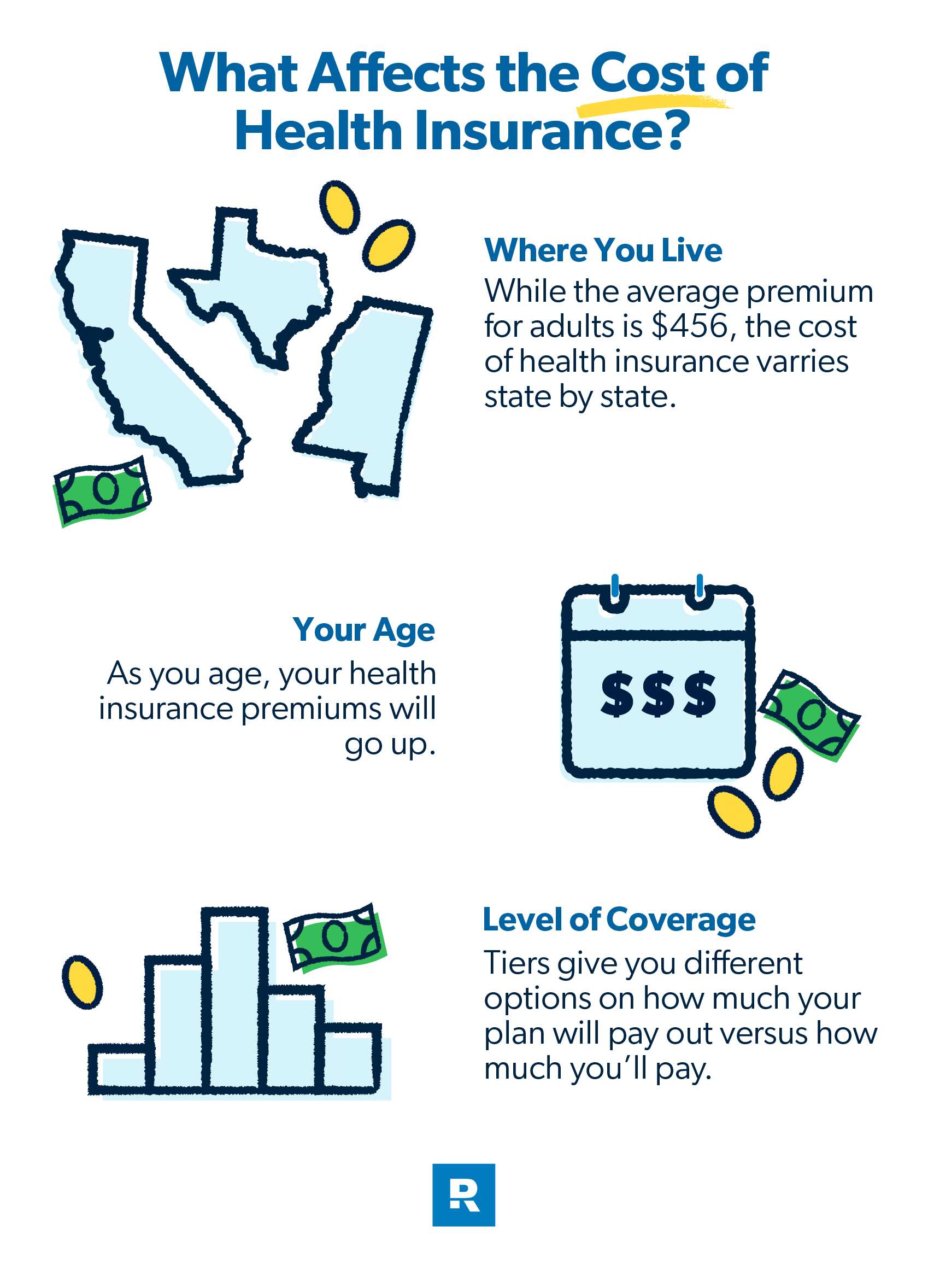
These are two of the most significant demographic factors influencing premiums. Generally, older individuals tend to pay higher premiums because, statistically, they require more medical care. The Affordable Care Act (ACA) limits how much insurers can vary rates based on age, generally allowing a 3:1 ratio for the oldest versus youngest adults. Your geographic location also plays a critical role. Healthcare costs vary widely by state, county, and even zip code due to differences in local medical costs, competition among providers, and state regulations. A procedure costing X in a rural area might cost 3X in a major metropolitan hub, and premiums will reflect these regional variations.
Plan Type and Metal Tiers (Bronze, Silver, Gold, Platinum)
The type of plan you choose and its associated “metal tier” significantly impact your premium. Plans are broadly categorized by how they manage networks (HMO, PPO, EPO, POS – discussed further below) and, under the ACA Marketplace, by “metal tiers” that indicate the percentage of costs the plan is expected to cover:
- Bronze: Pays approximately 60% of costs, you pay 40%. Lowest premiums, highest deductibles.
- Silver: Pays approximately 70% of costs, you pay 30%. Moderate premiums and deductibles. Many subsidies are tied to Silver plans.
- Gold: Pays approximately 80% of costs, you pay 20%. Higher premiums, lower deductibles.
- Platinum: Pays approximately 90% of costs, you pay 10%. Highest premiums, lowest deductibles.
Higher metal tiers offer more comprehensive coverage and lower out-of-pocket costs when you use care, but come with commensurately higher monthly premiums.
Family Size and Tobacco Use
Your family structure directly impacts the total premium. Adding a spouse or children will increase the overall cost, though sometimes adding multiple children can result in a “family cap” where further children don’t increase the premium significantly. Furthermore, states generally allow insurers to charge tobacco users higher premiums (up to 50% more than non-smokers), reflecting the increased health risks and associated medical costs. Disclosing tobacco use honestly is crucial, as misrepresentation can lead to policy cancellation.
Provider Networks and Coverage Scope
The size and type of the provider network a plan offers also affects its price. Plans with broad networks, offering access to a wide range of doctors and hospitals without referrals, tend to have higher premiums (e.g., PPOs). Plans with more restricted networks (e.g., HMOs) that require you to stay within their system and get referrals for specialists typically have lower premiums. The scope of coverage – what services are covered, what medications are on the formulary, and whether services like mental health, dental, or vision are included – naturally influences the premium as well. More comprehensive coverage generally translates to higher monthly costs.
Navigating Different Types of Health Insurance Plans
Beyond the metal tiers, the structure of the health insurance plan itself plays a crucial role in both its cost and how you access care. Each plan type offers different trade-offs between flexibility, cost, and access to specialists.
HMOs (Health Maintenance Organizations): Cost-Effective, Limited Choices
HMO plans generally have lower monthly premiums compared to other plan types. With an HMO, you choose a primary care physician (PCP) within the plan’s network, who then coordinates all your care and must provide a referral for you to see any specialist. If you go out of network, the plan typically won’t cover the costs, except in emergencies. This structure emphasizes preventative care and cost control through managed care, making it a good option if you’re comfortable with a more structured approach and prefer lower upfront costs.
PPOs (Preferred Provider Organizations): Flexibility at a Higher Price
PPOs offer more flexibility than HMOs but usually come with higher premiums. You don’t need to choose a PCP, and you can see specialists without a referral. PPOs also allow you to go out of network, though you’ll pay a higher percentage of the cost (higher coinsurance or deductible) for those services. This flexibility makes PPOs a popular choice for those who want more control over their choice of doctors and hospitals, even if it means a higher monthly premium and potentially more out-of-pocket costs for out-of-network care.
EPOs (Exclusive Provider Organizations) and POS Plans (Point of Service)
EPOs combine elements of HMOs and PPOs. Like an HMO, you typically don’t need a referral to see a specialist, but you must stay within the plan’s network for care (except in emergencies). There’s usually no out-of-network coverage. EPOs can be a good middle ground for those who want specialist access without referrals but are okay with a defined network.
POS (Point of Service) plans are a hybrid of HMOs and PPOs. Like HMOs, you often choose a PCP who manages your care and provides referrals for in-network specialists. However, like PPOs, you can go out of network for care, though you’ll pay more for those services. POS plans offer a balance of lower costs for in-network care and the flexibility to seek out-of-network providers when needed.
HDHPs (High-Deductible Health Plans) with HSAs: A Strategic Option
HDHPs are characterized by lower monthly premiums and significantly higher deductibles than traditional plans. While you pay more out-of-pocket before insurance kicks in, these plans can be paired with a Health Savings Account (HSA). An HSA is a tax-advantaged savings account that you can use to pay for qualified medical expenses. Contributions to an HSA are tax-deductible, the money grows tax-free, and withdrawals for medical expenses are tax-free. This makes HDHPs with HSAs an attractive option for healthy individuals or those who want to save for future medical costs while benefiting from tax advantages.
Strategies for Reducing Your Health Insurance Costs
While health insurance is an unavoidable expense for most, there are several strategic approaches you can take to manage and potentially reduce your costs without sacrificing essential coverage.
Exploring Employer-Sponsored Plans
For many, the most cost-effective way to get health insurance is through an employer. Companies often subsidize a significant portion of employees’ premiums, sometimes covering a percentage of dependent coverage as well. Employer-sponsored plans typically offer a range of options, from HMOs to PPOs, with varying deductibles and out-of-pocket maximums. Take advantage of your employer’s open enrollment period to compare plans and understand the costs and benefits. If your employer offers a Health Flexible Spending Account (FSA) or Health Reimbursement Arrangement (HRA), explore those options to further save on medical expenses.
Leveraging the Affordable Care Act (ACA) Marketplace and Subsidies
If you don’t have access to employer-sponsored insurance, the ACA Health Insurance Marketplace (Healthcare.gov or your state’s exchange) is a crucial resource. The Marketplace offers a variety of plans from different insurers, and critically, many individuals qualify for financial assistance based on their income.
- Premium Tax Credits: These subsidies reduce your monthly premium, making coverage more affordable. Eligibility is based on your household income relative to the federal poverty level.
- Cost-Sharing Reductions (CSRs): Available only with Silver plans, CSRs reduce your out-of-pocket costs, such as deductibles, copayments, and coinsurance. You must meet specific income requirements to qualify.
These subsidies can significantly lower the effective cost of health insurance, making it accessible to millions. Always check your eligibility during the open enrollment period or if you experience a qualifying life event (like marriage, birth, or job loss).
Considering High-Deductible Plans (HDHPs) with HSAs
As discussed, HDHPs generally have lower monthly premiums. If you are relatively healthy and have the financial capacity to cover a high deductible should an unexpected medical event occur, an HDHP paired with an HSA can be a smart financial move. You save on premiums, benefit from the tax advantages of an HSA, and can build a tax-free savings fund specifically for healthcare costs. This strategy requires careful budgeting and a willingness to manage your own healthcare spending more actively, but it can yield substantial long-term savings.
Shopping Around and Comparing Plans
Regardless of whether you’re buying through an employer, the Marketplace, or directly from an insurer, actively shopping around is essential. Don’t simply renew your existing plan each year without reviewing your options. Insurance providers and plan offerings change annually. Use comparison tools available on the Marketplace or directly from insurance brokers to analyze:
- Premiums: The monthly cost.
- Deductibles: How much you pay before insurance kicks in.
- Out-of-pocket maximums: Your financial ceiling for the year.
- Copays/Coinsurance: Your share of costs for services.
- Provider Networks: Ensure your preferred doctors and hospitals are in-network.
- Prescription Drug Formularies: Check if your essential medications are covered and at what tier.
- Benefits: What specific services are covered (e.g., maternity, mental health, physical therapy).
A thorough comparison can reveal a plan that offers better value for your specific health needs and financial situation.
The True Value Beyond the Price Tag
While the cost of health insurance is a significant financial consideration, it’s crucial to look beyond the immediate premiums and understand the profound value it provides. Health insurance is more than just a bill; it’s an investment in your well-being and financial future.
Financial Security Against Unexpected Health Crises
The primary and most critical value of health insurance is the financial security it offers. A sudden illness, an unforeseen accident, or the diagnosis of a serious condition can rack up tens or even hundreds of thousands of dollars in medical bills. Without insurance, these costs can lead to bankruptcy, home foreclosure, or crushing debt. Health insurance acts as a buffer, ensuring that you receive necessary care without your life savings being wiped out. It allows you to focus on recovery rather than the daunting financial burden.
Access to Preventive Care and Wellness
Many health insurance plans, particularly those compliant with the ACA, offer a range of preventive services at no additional cost (no deductible, copay, or coinsurance). This includes annual physicals, immunizations, screenings for various conditions (like diabetes, cholesterol, certain cancers), and well-woman visits. Access to these services encourages proactive health management, allowing for early detection and treatment of potential issues, which can prevent more serious and costly health problems down the line. Investing in preventive care is investing in your long-term health and reduces the likelihood of expensive future interventions.

Peace of Mind for You and Your Family
Ultimately, health insurance offers an invaluable peace of mind. Knowing that you and your loved ones are protected from the financial ramifications of illness or injury allows you to live with less stress and greater confidence. It means you can seek medical attention when needed, rather than delaying care due to cost fears, which can lead to worsening conditions. This psychological benefit, while not quantifiable in dollars, is perhaps the most profound return on your health insurance investment.
In conclusion, the cost of health insurance is multifaceted, influenced by a blend of individual characteristics, plan choices, and market dynamics. By understanding the core components of costs (premiums, deductibles, copays, coinsurance, and out-of-pocket maximums), appreciating the factors that drive premiums, and actively exploring various plan types and cost-saving strategies, you can make an informed decision that secures your health and protects your financial well-being. It’s a critical financial decision that deserves careful consideration and regular review.
aViewFromTheCave is a participant in the Amazon Services LLC Associates Program, an affiliate advertising program designed to provide a means for sites to earn advertising fees by advertising and linking to Amazon.com. Amazon, the Amazon logo, AmazonSupply, and the AmazonSupply logo are trademarks of Amazon.com, Inc. or its affiliates. As an Amazon Associate we earn affiliate commissions from qualifying purchases.