
For many retirees, the idea of supplementing their Social Security benefits with additional income is not just appealing, but often necessary to maintain a comfortable lifestyle. Whether it’s to cover rising living costs, fund travel, or simply stay engaged, working in retirement has become a common practice. However, navigating the rules around earning income while collecting Social Security can be complex, and misunderstanding them can lead to unexpected reductions in your benefits. This article delves into the intricacies of Social Security’s earnings limits, explores strategies to maximize your income without penalty, and provides a comprehensive guide to ensuring your financial security in retirement.

Understanding Social Security’s Earnings Limit
The Social Security Administration (SSA) imposes limits on how much you can earn from work before your benefits are reduced, but these rules only apply if you are below your Full Retirement Age (FRA). Once you reach your FRA, you can earn as much as you want without your Social Security benefits being affected. Understanding these thresholds is crucial for anyone considering working while receiving benefits.
What is the Earnings Limit?
The earnings limit is a specific dollar amount set by the SSA each year. If your earned income from work exceeds this limit, a portion of your Social Security benefits will be temporarily withheld. It’s important to differentiate between “earned income” (wages from a job or net earnings from self-employment) and other forms of income, such as pensions, annuities, investment income, interest, or capital gains, which do not count towards the earnings limit. The purpose of this limit is to ensure that Social Security benefits primarily support those who are no longer able to work full-time.
The Full Retirement Age (FRA) Explained
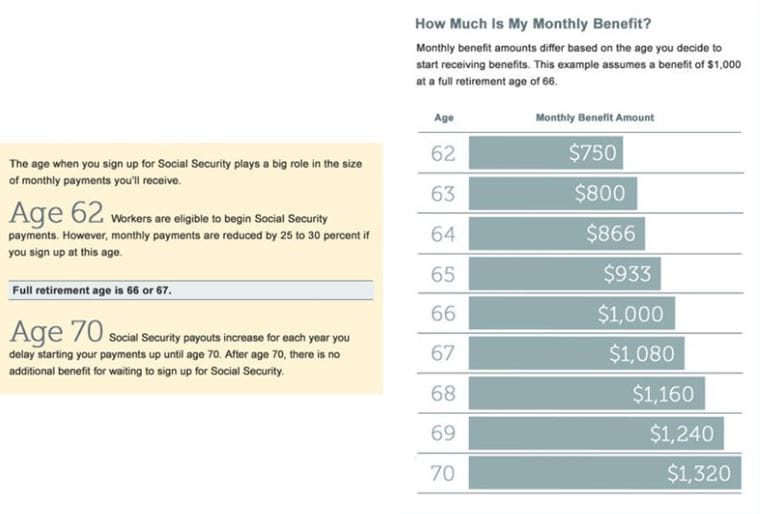
Your Full Retirement Age (FRA) is the age at which you are entitled to receive 100% of your Social Security benefits. This age depends on your birth year. For those born between 1943 and 1954, FRA is 66. It gradually increases for later birth years, reaching 67 for anyone born in 1960 or later. Knowing your FRA is paramount because it dictates when the earnings limit ceases to apply to you. Before your FRA, the limits are stricter; in the year you reach FRA, the limit is higher, and the rules are slightly different. After you reach FRA, the earnings limit disappears entirely, allowing you to earn unlimited income without any reduction in your Social Security benefits. The benefits that were withheld due to exceeding the earnings limit before FRA are not lost forever; instead, your monthly benefit amount will be recalculated at your FRA to account for the withheld benefits, typically resulting in a higher monthly payment going forward.
How the Limit Works Before FRA
If you are below your FRA for the entire year, the SSA has a specific earnings limit. For example, in 2024, this limit is $22,320. If your earnings exceed this amount, $1 in benefits will be deducted for every $2 you earn above the limit. This deduction occurs on your monthly benefit payments. It’s crucial to understand that this is not a tax; rather, it’s a temporary withholding of benefits. The SSA does not consider your total annual income for the purpose of this rule, but rather the income specifically derived from work. This means careful planning is required if you anticipate earning more than the annual threshold. For instance, if you earn $24,320 in a year (which is $2,000 over the $22,320 limit), your benefits would be reduced by $1,000 ($2,000 / 2). This reduction could be spread across several months’ payments until the total is withheld.
The Year You Reach FRA
In the year you reach your FRA, the earnings limit is significantly higher, and the withholding rule is less stringent. For example, in 2024, the earnings limit for the period before you reach your FRA in that year is $59,520. If your earnings exceed this amount, $1 in benefits will be deducted for every $3 you earn above the limit. This higher limit and more generous ratio apply only to earnings made in the months before you reach your FRA. Crucially, once you hit your FRA month, your earnings are no longer subject to the limit for the remainder of that year or any subsequent year. This particular rule allows for a larger income window in the transitional year, providing more flexibility for those gradually easing into full retirement. This phased approach recognizes the reality that many individuals choose to continue working part-time right up until they claim their full retirement benefits.
Strategies for Maximizing Income Without Penalties
Understanding the earnings limits is only the first step. The next is to develop strategies that allow you to supplement your income effectively without triggering benefit reductions. This often involves a combination of timing your Social Security claim, diversifying your income sources, and understanding what types of income are exempt from the earnings test.
Delaying Social Security Benefits
One of the most powerful strategies for maximizing your lifetime Social Security income is to delay claiming your benefits beyond your earliest eligibility age (62) and potentially even beyond your Full Retirement Age (FRA), up to age 70. For each year you delay claiming past your FRA, your benefits increase by approximately 8% per year through what are known as “Delayed Retirement Credits.” This means that by waiting until age 70, you could receive significantly higher monthly payments for the rest of your life. While delaying benefits means you might need to rely on other income sources in the interim (such as savings or continued work), the long-term increase in your guaranteed income stream can be a substantial advantage, especially if you anticipate a long retirement or have a higher life expectancy. This strategy effectively front-loads your higher earning years and reduces reliance on early Social Security benefits which are subject to earnings limits.
Income Sources Exempt from Earnings Limits
Not all income counts toward the Social Security earnings limit. This is a critical distinction that many people overlook. Income from sources other than wages or net earnings from self-employment will not affect your Social Security benefits, regardless of how much you earn. This includes:
- Pensions: Income from traditional pension plans.
- Annuities: Payments from purchased annuity contracts.
- Investment Income: Dividends, interest, capital gains from stocks, bonds, mutual funds, and other investments.
- Rental Income: Income generated from rental properties (unless you are actively involved in real estate as a business, which might then be considered self-employment).
- IRA and 401(k) Withdrawals: Distributions from retirement accounts like traditional IRAs, Roth IRAs, 401(k)s, and 403(b)s.
- Other Government Benefits: Such as veterans’ benefits or disability payments from private insurance.
By strategically structuring your retirement income streams to include a larger proportion of these exempt sources, you can significantly increase your overall income without worrying about Social Security benefit reductions, even if you are below your FRA. This is why a diversified retirement portfolio is so important.
Self-Employment Considerations
Working for yourself in retirement offers flexibility, but it comes with its own set of rules regarding Social Security earnings limits. For self-employed individuals, the earnings limit is applied to your net earnings from self-employment, not your gross income. Net earnings are calculated after deducting legitimate business expenses. This distinction can be beneficial, as it allows you to reduce your countable income through business deductions. However, it also means meticulous record-keeping and a clear understanding of what constitutes a deductible expense are vital. Furthermore, self-employed individuals are responsible for paying self-employment taxes (Social Security and Medicare taxes) on their net earnings, which can impact your overall take-home pay. If you plan to be self-employed, consulting with a tax professional or financial advisor can help you optimize your business structure and manage your tax obligations while staying compliant with SSA rules.
Strategic Retirement Planning
Effective retirement planning involves more than just saving; it’s about orchestrating your various income streams and timelines. This means coordinating when you start Social Security benefits with when you plan to work, how much you expect to earn, and how your other assets are structured. For example, if you plan to work part-time in your early retirement years (before FRA), you might delay claiming Social Security to avoid the earnings limit penalties, relying on savings or other exempt income sources. Conversely, if you have substantial non-work income, you might claim Social Security early, even if you work a little, as the overall impact might be minimal. A comprehensive financial plan should also consider your spouse’s Social Security benefits, potential survivor benefits, and long-term care needs. The goal is to create a robust financial strategy that integrates all components of your retirement income, maximizing what you keep and minimizing penalties or unnecessary taxes.
Reporting Earnings and Potential Consequences
The Social Security Administration relies on accurate and timely information about your earnings. Failing to report your income correctly can lead to significant problems, including overpayments and potential penalties. Understanding the reporting process and the consequences of exceeding the earnings limit is crucial for a smooth retirement.
The Importance of Accurate Reporting
When you apply for Social Security benefits, you’re required to provide an estimate of your expected earnings for the current year. If you continue to work after you start receiving benefits, you must notify the SSA if your earnings change significantly from your estimate, or if you expect to earn more than the annual limit. This can be done by contacting the SSA directly or through their online services. Accurate reporting is not just a formality; it enables the SSA to adjust your benefits in a timely manner, preventing large overpayments that you would eventually have to repay. The SSA also receives information about your earnings from the IRS, so discrepancies will eventually be identified. Proactive and honest reporting helps you avoid financial stress and maintain good standing with the agency.
What Happens If You Exceed the Limit?
If your earnings exceed the Social Security limit, the SSA will withhold your benefits. For example, if you’re subject to the $1 for every $2 rule and you earn $4,000 over the limit, the SSA will withhold $2,000 of your benefits. This withholding typically occurs by stopping your monthly payments until the withheld amount is recovered. If you’ve already received benefits that you weren’t entitled to due to excess earnings, the SSA will issue an overpayment notice. This notice will explain how much you owe and give you options for repayment, which can include deducting the overpayment from future benefit checks, paying a lump sum, or arranging an installment plan. It’s important to respond to these notices promptly to avoid further complications.
Avoiding Overpayments and Penalties
The best way to avoid overpayments is to accurately estimate and report your earnings to the SSA. If you realize your earnings will be higher than anticipated, inform the SSA as soon as possible. They can adjust your benefits prospectively, preventing an accumulation of overpaid benefits. If an overpayment does occur, you might be able to request a waiver if you were not at fault and if repayment would cause financial hardship. However, waivers are not guaranteed and require a detailed application. Additionally, in rare cases of intentional misrepresentation or fraud, there can be more severe penalties. Maintaining clear communication with the SSA and keeping meticulous records of your earnings and communications with the agency are your best defenses against potential issues.
Beyond the Earnings Limit: Holistic Financial Planning
While understanding the Social Security earnings limit is vital, it’s just one piece of the broader retirement puzzle. A truly secure and comfortable retirement requires holistic financial planning that considers all aspects of your income, expenses, and long-term goals.
Assessing Your Overall Financial Picture
Before deciding whether and how much to work in retirement, take a comprehensive look at your financial situation. Create a detailed budget that accounts for all your expenses, including housing, healthcare, transportation, food, and discretionary spending. Compare this to your projected income from all sources: Social Security, pensions, investment withdrawals, and any potential part-time work. This exercise will reveal any income gaps or surpluses and help you determine how much additional income you truly need or desire. Consider future expenses, such as potential long-term care needs, and factor them into your plan. A clear understanding of your cash flow is foundational to making informed decisions about working in retirement.
Exploring Retirement Work Options
The landscape of retirement work is far broader than traditional full-time employment. Many retirees find satisfaction and financial benefit in part-time roles, consulting, freelancing, or even starting small businesses. Options include:
- Part-time employment: Many companies offer flexible part-time positions specifically for retirees.
- Consulting: Leveraging years of professional experience to advise companies on a contract basis.
- Freelancing/Gig economy: Using platforms to offer services like writing, graphic design, tutoring, or web development.
- Starting a small business: Pursuing a passion project or filling a local market need.
These options often provide greater flexibility, allowing you to control your hours and reduce your earnings below the Social Security limit if necessary, while still enjoying the intellectual stimulation and social interaction that work can provide. The key is to find work that aligns with your interests and allows you to maintain a healthy work-life balance in retirement.
The Role of Financial Advisors
Navigating the complexities of Social Security rules, tax implications, and investment strategies in retirement can be challenging. A qualified financial advisor can be an invaluable resource. They can help you:
- Optimize your Social Security claiming strategy: Determine the best age to claim benefits based on your individual circumstances.
- Develop a comprehensive retirement income plan: Integrate all your income sources, including work, investments, and pensions, to meet your financial goals.
- Manage tax implications: Strategize withdrawals from various accounts to minimize your tax burden.
- Understand earnings limits: Provide guidance on how to work within the SSA’s rules to avoid benefit reductions.
- Assess risk and asset allocation: Ensure your investment portfolio aligns with your risk tolerance and retirement timeline.
While this article provides general guidance, personalized advice tailored to your unique financial situation can make a significant difference in securing a financially robust and comfortable retirement.
The Impact of Taxes on Social Security Benefits
Beyond the earnings limit, another critical consideration for retirees who work is the potential taxability of their Social Security benefits. Earning additional income, even from exempt sources, can push your overall income into a range where a portion of your Social Security benefits becomes taxable at the federal level, and potentially at the state level depending on where you live.
Provisional Income and Taxability
The taxability of your Social Security benefits is determined by your “provisional income.” This is not your adjusted gross income (AGI), but a specific calculation used by the IRS. Provisional income is generally calculated as the sum of your adjusted gross income (AGI) plus any tax-exempt interest (like from municipal bonds) plus one-half of your Social Security benefits.
- If your provisional income is between $25,000 and $34,000 for an individual ($32,000 and $44,000 for a married couple filing jointly), up to 50% of your Social Security benefits may be taxable.
- If your provisional income exceeds $34,000 for an individual ($44,000 for a married couple filing jointly), up to 85% of your Social Security benefits may be taxable.
This means that even if your work earnings don’t trigger the SSA’s earnings limit, they can still significantly increase your provisional income, leading to a larger portion of your Social Security benefits being subject to federal income tax. Understanding this threshold is crucial for managing your overall tax burden in retirement.

Planning for Tax-Efficient Income Streams
To mitigate the tax impact, retirees can implement tax-efficient income strategies. This involves diversifying your retirement savings across different types of accounts:
- Tax-deferred accounts (Traditional IRA, 401(k)): Withdrawals are taxed as ordinary income in retirement.
- Taxable accounts (Brokerage accounts): Investment income (dividends, interest) and capital gains are taxed, but often at preferential rates.
- Tax-free accounts (Roth IRA, Roth 401(k)): Qualified withdrawals are entirely tax-free.
By strategically withdrawing from these different accounts, you can manage your provisional income each year to stay below the thresholds where Social Security benefits become taxable, or at least minimize the percentage that is taxed. For example, relying more heavily on Roth withdrawals or drawing from a taxable brokerage account (which counts capital gains/dividends but not necessarily all principal withdrawals towards AGI) in years you have higher earned income can help keep your provisional income lower. A savvy financial planner can help you create a personalized withdrawal strategy that optimizes your income and minimizes your tax liability throughout your retirement years. This proactive tax planning is an essential component of maximizing your net income while collecting Social Security.
In conclusion, working while collecting Social Security is a viable and often beneficial option for many retirees. However, it requires a thorough understanding of the SSA’s earnings limits, strategic financial planning, and careful consideration of tax implications. By educating yourself, reporting your earnings accurately, and potentially seeking professional guidance, you can navigate these rules effectively and ensure a financially secure and fulfilling retirement, regardless of how much you choose to work.
aViewFromTheCave is a participant in the Amazon Services LLC Associates Program, an affiliate advertising program designed to provide a means for sites to earn advertising fees by advertising and linking to Amazon.com. Amazon, the Amazon logo, AmazonSupply, and the AmazonSupply logo are trademarks of Amazon.com, Inc. or its affiliates. As an Amazon Associate we earn affiliate commissions from qualifying purchases.