
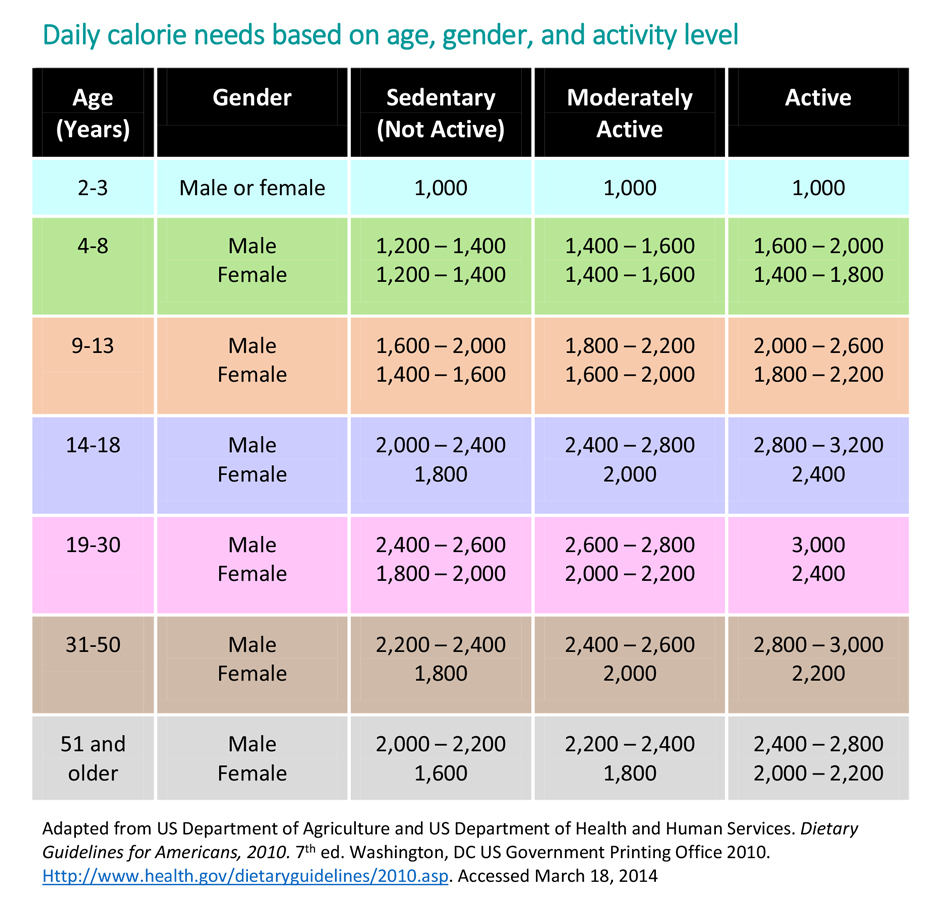
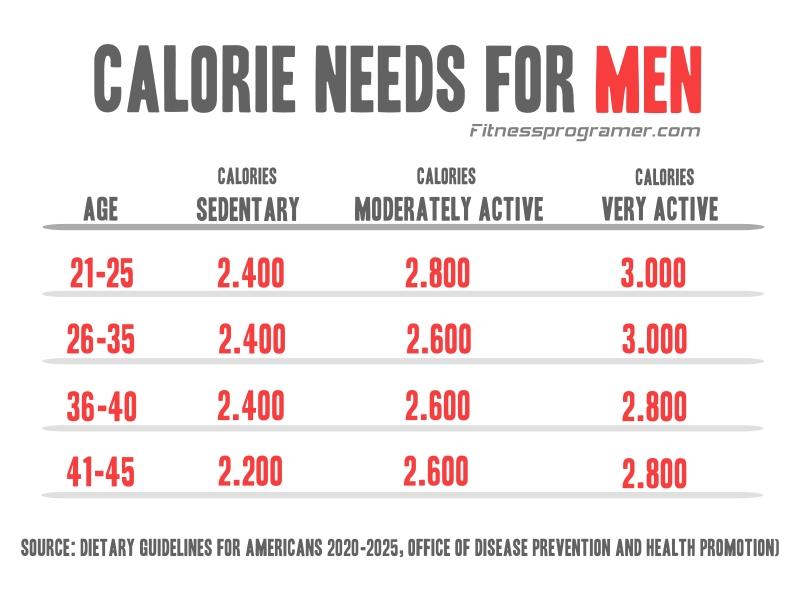
For decades, the question of “how much calories do I need” was answered with a simple calculator and a static formula. Most people relied on the Harris-Benedict equation or the Mifflin-St Jeor formula, mathematical models developed in the 20th century to estimate Basal Metabolic Rate (BMR). While these served as useful starting points, they were often inaccurate, failing to account for the nuances of individual metabolism, hormonal fluctuations, and real-time activity levels. Today, the intersection of technology and biology has fundamentally transformed this landscape. We are no longer limited to generalized estimates; instead, we have entered the era of precision nutrition, driven by artificial intelligence, wearable sensors, and sophisticated software ecosystems.
Decoding the Algorithm: How AI Redefines Metabolic Calculations
The shift from manual estimation to digital precision begins with the algorithms that process our biological data. Traditional formulas were limited by their reliance on static variables: age, height, weight, and a subjective activity multiplier. Technology has replaced these rigid snapshots with dynamic, machine-learning models that evolve alongside the user.
From Static Formulas to Dynamic Learning
Modern health applications leverage massive datasets to refine the accuracy of caloric needs. By utilizing neural networks, these platforms can analyze how thousands of individuals with similar profiles react to specific caloric intakes. This allows for a more personalized “starting point” that adjusts as the user inputs data over time. If a user logs their food and weight consistently, the AI can detect discrepancies between predicted outcomes and actual results, identifying an individual’s unique metabolic efficiency. This “feedback loop” is something a paper-and-pencil formula could never achieve.
The Role of Neural Networks in TDEE Estimation
Total Daily Energy Expenditure (TDEE) is a moving target. It is comprised of BMR, the Thermic Effect of Food (TEF), Exercise Associated Thermogenesis (EAT), and Non-Exercise Activity Thermogenesis (NEAT). AI-driven platforms are particularly adept at calculating NEAT—the calories burned through fidgeting, standing, and general movement—which often accounts for a significant portion of daily burn but is notoriously difficult to track manually. By processing data from smartphone accelerometers and gyroscopes, software can now estimate these micro-movements with high degrees of accuracy, providing a more comprehensive answer to the question of daily caloric requirements.
The Hardware of Health: Wearables and Real-Time Energy Expenditure
While software provides the intelligence, wearable hardware provides the raw data. The proliferation of smartwatches, fitness trackers, and smart rings has turned the human body into a continuous stream of biometric information. This hardware is the frontline of determining “how much calories I need” based on what the body is actually doing in real-time.
Advanced Sensors and Movement Recognition
The current generation of wearables utilizes multi-wavelength photoplethysmography (PPG) sensors to monitor heart rate and heart rate variability (HRV). By correlating heart rate data with oxygen saturation and movement patterns, these devices can distinguish between a high-intensity interval training (HIIT) session and a high-stress meeting. This distinction is crucial; both might raise the heart rate, but the caloric demand is vastly different. Advanced sensors can now detect the “afterburn” effect, or Excess Post-exercise Oxygen Consumption (EPOC), which informs the user that their caloric needs might remain elevated for hours after a workout has concluded.
The Integration of Sleep and Recovery Metrics
One of the most significant tech breakthroughs in metabolic tracking is the recognition of sleep’s role in energy expenditure. Devices like the Oura Ring and Whoop strap track sleep architecture—deep, REM, and light sleep phases. Technology has shown that sleep deprivation can lower insulin sensitivity and alter the hormones that regulate hunger (ghrelin and leptin), effectively changing the “caloric budget” for the following day. By integrating recovery scores into nutritional apps, the tech ecosystem can suggest calorie adjustments based on how well the body has recovered, rather than just how much it has moved.
Computer Vision and the Automation of Nutritional Intake
The “input” side of the caloric equation—what we eat—has historically been the weakest link due to human error and the tedious nature of logging. Technology is solving this through computer vision and image recognition, making the process of tracking consumption as simple as taking a photograph.
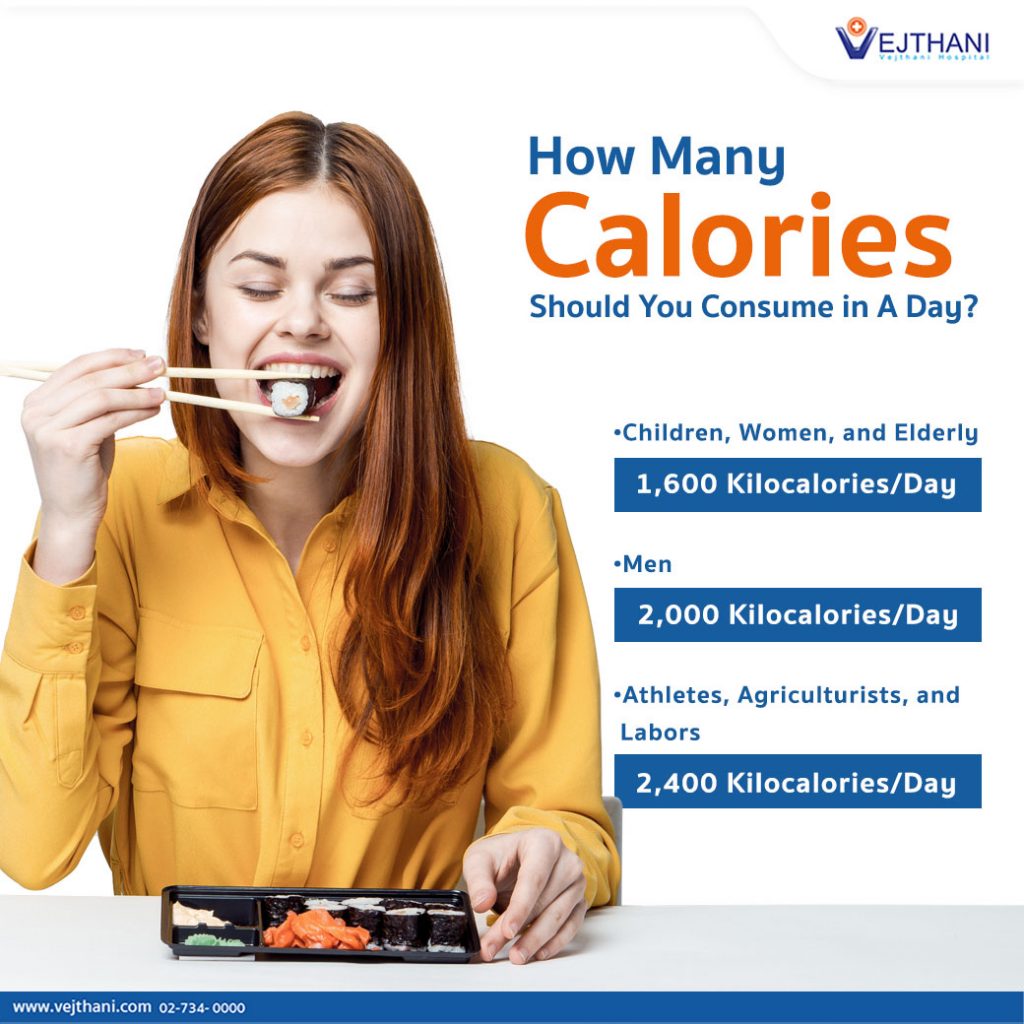
Image Recognition for Macro-Nutrient Analysis
Leading nutrition apps are now integrating proprietary computer vision models that can identify food items on a plate. By analyzing the pixels, the software can differentiate between a grilled chicken breast and a breaded one, or estimate the volume of a serving of rice. These systems are trained on millions of images, allowing them to estimate caloric density with increasing precision. For the user, this reduces the friction of data entry, leading to more consistent logging and, consequently, more accurate data for the AI to analyze when determining caloric needs.
The Challenges of Depth Perception and Portions
While image recognition is a giant leap forward, the tech industry is currently working to solve the “depth perception” problem. Estimating the weight of food from a 2D image is inherently difficult. To combat this, some developers are experimenting with Augmented Reality (AR) overlays and LiDAR (Light Detection and Ranging) sensors, found in high-end smartphones. LiDAR can create a 3D map of the food, allowing the software to calculate exact volume. When combined with a database of food densities, this tech provides a near-laboratory level of accuracy in caloric tracking, removing the guesswork that previously plagued the average consumer.
Continuous Glucose Monitoring: The Next Level of Bio-Feedback
Perhaps the most disruptive technology in the quest to understand caloric needs is the transition of Continuous Glucose Monitors (CGMs) from clinical diabetes tools to consumer wellness gadgets. Companies like Levels and Nutrisense have pioneered this movement, providing users with a “fuel gauge” for their bodies.
Real-Time Metabolic Insights
A CGM is a small biosensor that sits on the skin and measures glucose levels in the interstitial fluid. This technology provides a direct look at how the body responds to specific calories. Instead of wondering “how much calories do I need,” users can see exactly how their blood sugar spikes and crashes in response to different foods. If a specific caloric intake leads to a massive glucose spike followed by a crash, the tech suggests that the source of those calories is just as important as the quantity. This real-time feedback allows for “metabolic flexibility,” where users can optimize their caloric intake to maintain stable energy levels throughout the day.
Personalizing Carbohydrate Tolerance Through Data
The data provided by CGMs has revealed that the glycemic index is not a universal constant. One person may have a stable glucose response to white rice, while another experiences a significant spike. Technology allows us to see these individual variations. This means the “caloric need” for a specific individual might be higher or lower depending on their insulin sensitivity and how efficiently their body processes different macronutrients. This level of bio-individual data is the gold standard of modern health tech, moving us away from generalized dietary guidelines and toward a data-backed, individualized roadmap.
The Future of Interconnected Health Ecosystems and Privacy
As we look toward the future, the primary challenge and opportunity lie in the integration of these disparate data points into a single, cohesive ecosystem. The question is no longer just about the calories, but about the secure and intelligent management of the data that defines our health.
Centralized Health Clouds and Predictive Analytics
The “killer app” of the next decade will likely be a centralized health intelligence platform that pulls data from your Oura ring, your CGM, your LiDAR-enabled food logger, and even your genetic data from services like 23andMe. By synthesizing this information, predictive analytics could warn a user that they are likely to overeat in the evening based on their poor sleep the night before and their fluctuating glucose levels in the afternoon. This proactive approach turns the question of “how much calories do I need” into a preemptive strategy for optimal health.
Security Protocols for Biometric Data
With the collection of such intimate biological data comes the absolute necessity for robust digital security. Biometric data is the most sensitive information a person can own. The tech industry is currently navigating the implementation of “zero-knowledge” encryption and decentralized data storage to ensure that while the AI can learn from your data, the service provider cannot access it in an unencrypted format. As we lean more heavily on technology to manage our biological needs, the integrity of the software’s security architecture becomes as vital as the accuracy of its caloric calculations. The future of precision nutrition depends not just on better sensors, but on the trust established between the user and the digital tools they employ.
aViewFromTheCave is a participant in the Amazon Services LLC Associates Program, an affiliate advertising program designed to provide a means for sites to earn advertising fees by advertising and linking to Amazon.com. Amazon, the Amazon logo, AmazonSupply, and the AmazonSupply logo are trademarks of Amazon.com, Inc. or its affiliates. As an Amazon Associate we earn affiliate commissions from qualifying purchases.