
Understanding one’s precise caloric needs has long been a cornerstone of effective weight management, athletic performance, and overall health. Yet, for many, this remains a complex puzzle, often leading to frustration and suboptimal results. Historically, determining calorie requirements involved manual calculations, general guidelines, or expensive professional consultations. In the modern era, however, technology has fundamentally transformed this landscape, offering an unprecedented suite of tools, applications, and devices that empower individuals with data-driven insights and personalized recommendations. This article delves into the technological innovations that help us accurately assess and manage our caloric intake and expenditure, moving beyond guesswork to embrace precision nutrition.
The Foundation: Digital Tools for Calorie Assessment
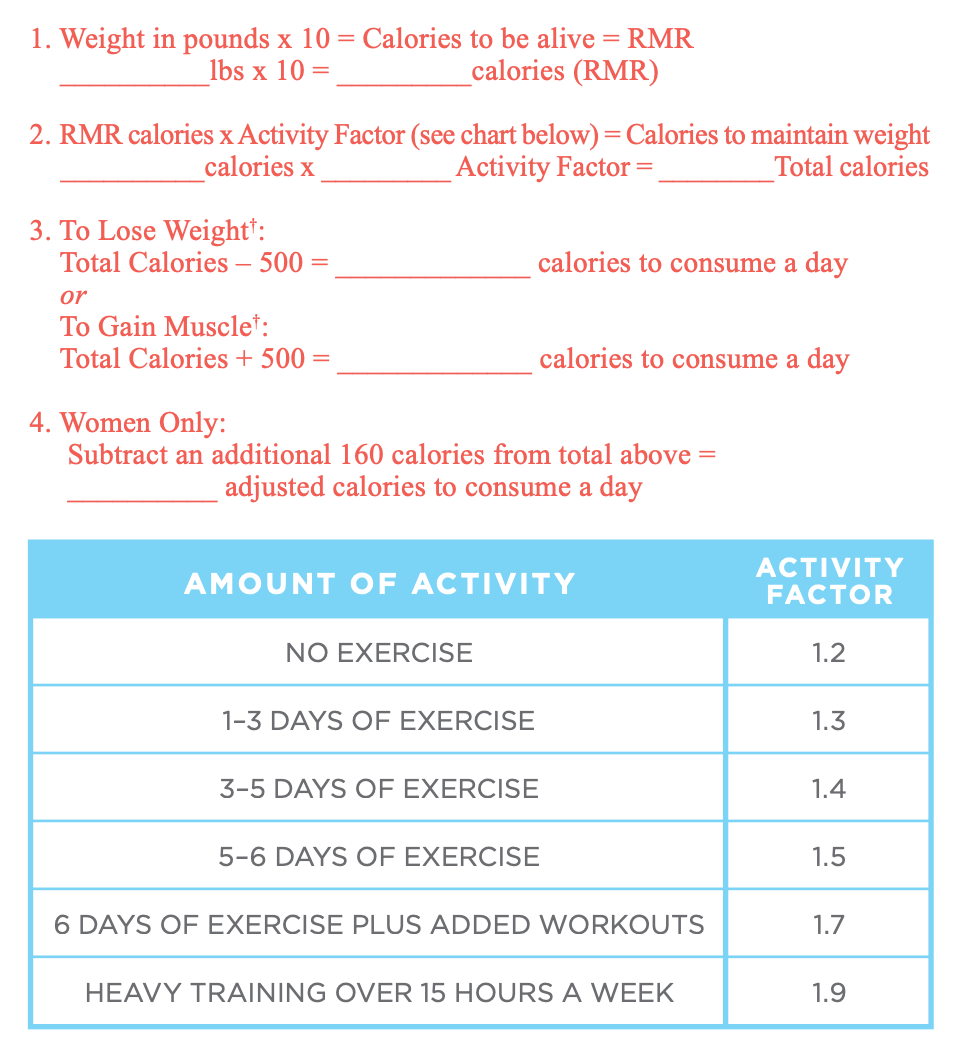
The journey to understanding your calorie needs often begins with foundational calculations. While the principles remain the same – accounting for your Basal Metabolic Rate (BMR) and Total Daily Energy Expenditure (TDEE) – the execution has been significantly streamlined and enhanced by digital solutions.
Basal Metabolic Rate (BMR) and Total Daily Energy Expenditure (TDEE) Calculators
At the core of calorie assessment is the BMR, the energy your body expends at rest to maintain vital functions. Building upon this is the TDEE, which adds the energy burned through physical activity and the thermic effect of food. Traditional formulas like the Mifflin-St Jeor equation or the Harris-Benedict equation are the bedrock, but the process of applying them has been revolutionized by technology.
Today, countless online BMR/TDEE calculators and integrated app features allow users to input their age, sex, height, weight, and activity level to receive instant estimations. These digital tools often go a step further, offering interactive interfaces that help users understand the impact of different activity levels on their TDEE. Many advanced fitness apps, for instance, incorporate these calculators directly, prompting users for their personal data upon setup and continuously refining their TDEE estimates as new activity data comes in from connected devices. This digital accessibility removes the barrier of complex manual arithmetic, making the initial assessment immediate and user-friendly.
Smart Scales and Wearable Integration
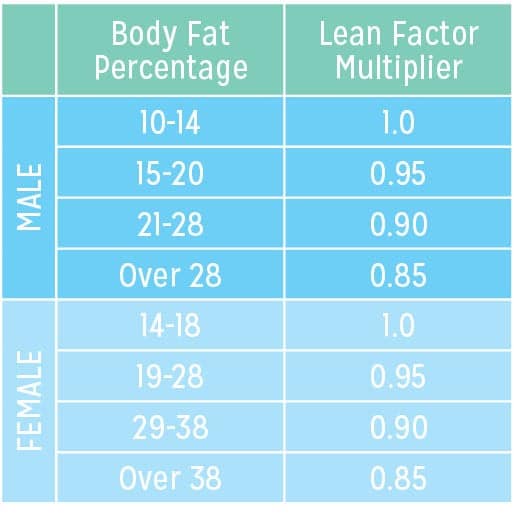
Beyond simple demographic inputs, modern technology provides more dynamic and personalized data for these calculations. Smart scales, for example, do more than just measure weight. Many models leverage bioelectrical impedance analysis (BIA) to estimate body composition, including body fat percentage and muscle mass. This data is crucial because muscle tissue burns more calories at rest than fat tissue, influencing BMR.
When a smart scale syncs this body composition data directly to a health or fitness app, it provides a richer dataset for more accurate BMR and TDEE calculations. Similarly, integration with wearable devices like smartwatches or fitness trackers allows these systems to pull real-time or historical activity data, leading to a more precise estimation of TDEE. This synergistic approach, where multiple devices contribute data to a centralized platform, creates a more holistic and accurate picture of an individual’s energy expenditure baseline.
Precision Tracking: The Role of Apps and AI in Monitoring Intake
Once caloric needs are estimated, the next challenge is to monitor actual intake to ensure alignment with goals. This is where calorie tracking applications and artificial intelligence have truly come into their own, transforming a tedious task into an insightful and often automated process.
Calorie Tracking Apps: Beyond Manual Entry
The evolution of calorie tracking apps has been remarkable. What began as digital food diaries requiring meticulous manual entry has morphed into sophisticated platforms that significantly ease the burden of logging meals. Modern apps feature vast, continuously updated databases of foods, including brand-specific items, restaurant menus, and common household ingredients.
Key technological advancements include barcode scanners that instantly identify packaged foods and retrieve their nutritional information, saving users considerable time. Even more impressive are voice recognition features, allowing users to simply speak their meals into the app, which then intelligently interprets and logs the items. The cutting edge in this area involves AI-powered image recognition. Users can snap a photo of their plate, and the AI attempts to identify foods and estimate portion sizes, offering a starting point for logging that can then be refined manually. These innovations dramatically reduce the friction associated with food logging, encouraging more consistent and accurate tracking, which is vital for understanding caloric intake relative to needs.
AI-Powered Meal Planning and Recommendation Engines
Beyond mere tracking, artificial intelligence is now being deployed to actively assist users in achieving their caloric goals. AI-powered meal planning tools analyze an individual’s tracked intake, estimated expenditure, dietary preferences, allergies, and specific goals (e.g., weight loss, muscle gain, maintenance). Based on this comprehensive data, these engines can generate personalized meal plans, complete with recipes and shopping lists, designed to hit precise caloric and macronutrient targets.
These systems learn from user feedback and adapt over time. If a user consistently struggles to meet a protein goal, the AI might suggest higher-protein breakfast options. If weight loss plateaus, it can recommend subtle caloric adjustments. Some advanced platforms even consider circadian rhythms or workout schedules when suggesting meal timings. This dynamic, learning capability makes AI an invaluable personal nutritionist, constantly optimizing dietary strategies to align with the user’s evolving needs and progress, all within the strict confines of their identified calorie requirement.
Wearable Technology: Real-Time Activity and Energy Burn Estimation
Accurate calorie management isn’t just about what you eat; it’s equally about how much energy you expend. Wearable technology has become indispensable in providing real-time, personalized data on activity levels and estimated calorie burn, offering a granular view previously unavailable to the average consumer.
Fitness Trackers and Smartwatches: Activity Monitoring
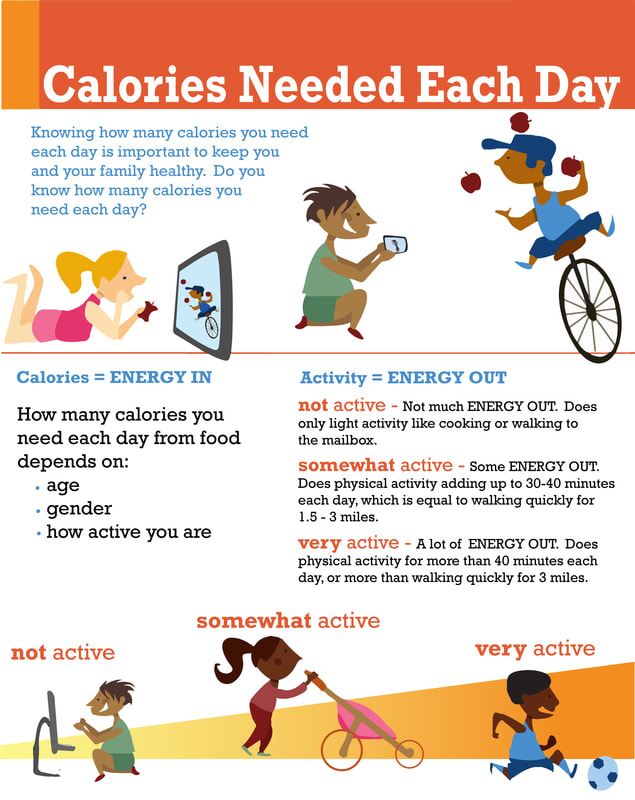
The ubiquity of fitness trackers and smartwatches has revolutionized how we perceive and measure physical activity. These devices continuously monitor various metrics such as steps taken, distance covered, active minutes, and heart rate. Algorithms embedded within these devices process this raw data to estimate the calories burned during daily activities and structured workouts.
The sophistication of these algorithms continues to improve, incorporating more physiological factors and using machine learning to refine estimations. For instance, some devices can automatically detect different types of exercise (running, swimming, cycling) and apply specific energy expenditure models. By providing a continuous, passive stream of data on energy output, these wearables allow individuals to have a much clearer understanding of their TDEE, enabling them to adjust their caloric intake accordingly. This real-time feedback loop is crucial for maintaining an energy balance that aligns with specific health and fitness objectives.
Advanced Biometric Sensors: Unlocking Deeper Insights
Beyond basic activity, the newest generation of wearables incorporates advanced biometric sensors that delve deeper into physiological states, which indirectly impact caloric needs and overall metabolic health. Sensors measuring heart rate variability (HRV), skin temperature, blood oxygen levels (SpO2), and even rudimentary electrocardiogram (ECG) data provide insights into stress levels, sleep quality, and recovery status.
While these don’t directly measure calories, they offer critical contextual data. For example, chronic stress or poor sleep can negatively impact metabolism, hormone regulation (like ghrelin and leptin), and overall energy levels, potentially leading to increased caloric cravings or reduced energy expenditure. By tracking these metrics, users can gain a more holistic understanding of factors affecting their body’s energy demands and adjust their lifestyle, and potentially their caloric goals, to support better recovery and metabolic function. This move towards comprehensive biometric monitoring transforms wearables from simple activity counters into sophisticated personal health dashboards.
Leveraging Data for Dynamic Nutritional Adjustments
The true power of technology in calorie management lies not just in individual tools, but in their ability to integrate and analyze vast amounts of data. This holistic data aggregation allows for dynamic adjustments to nutritional plans, leading to more effective and sustainable results.
Data Synchronization and Analytics Platforms
The modern health and fitness ecosystem thrives on interoperability. Many smart scales, fitness trackers, and calorie-logging apps are designed to sync data seamlessly with a central health platform or a preferred aggregation app. This consolidation means that data on body weight, body composition, food intake, activity levels, sleep patterns, and even stress metrics can all reside in one place.
These analytics platforms then process this combined data, often presenting it through intuitive dashboards, charts, and trend analyses. Users can visualize their progress over time, identify patterns (e.g., how sleep impacts hunger, or how increased activity correlates with weight change), and understand the complex interplay of various factors on their caloric balance. This integrated view is invaluable for making informed decisions, providing a clearer picture of whether current caloric intake and expenditure are on track for their goals.
Predictive Modeling for Goal Achievement
Taking data analysis a step further, some advanced platforms and AI tools employ predictive modeling. By analyzing historical data trends – your consistent calorie deficit, average weekly weight loss, activity levels, and body composition changes – these systems can project future outcomes. For instance, a tool might predict how long it will take to reach a target weight based on current habits, or suggest what adjustments (e.g., a slight increase in calorie intake or an additional 30 minutes of moderate activity) are needed to accelerate or maintain progress.
This predictive capability moves beyond reactive adjustments to proactive planning. It allows users to simulate the impact of different nutritional or activity strategies, providing a roadmap for goal achievement. While not infallible, these models offer powerful guidance, empowering individuals to make data-driven decisions about their caloric management with a clearer understanding of potential outcomes. They help to demystify the process of weight change and metabolic adaptation, making the journey more predictable and manageable.
The Human Element: Expert Guidance in a Digital Age
While technology offers unprecedented tools for self-management, it’s crucial to acknowledge its limitations and the enduring importance of human expertise. Technology serves as a powerful enhancer, not a complete replacement, for professional guidance, particularly in complex cases.
Telehealth and Virtual Nutrition Coaching Platforms
Even with the most sophisticated apps and wearables, some individuals require personalized guidance from a qualified professional. This is especially true for those with specific health conditions, athletes, or individuals struggling with disordered eating patterns. Technology has bridged geographical gaps by facilitating telehealth and virtual nutrition coaching.
Platforms now exist where users can connect with registered dietitians, nutritionists, and certified coaches remotely. These virtual consultations can include video calls, secure messaging, and even shared access to the client’s aggregated health data from their apps and wearables (with consent). This allows professionals to review detailed logs, activity patterns, and biometric data to provide highly tailored advice, interpret complex information, and offer motivational support. This integration of technology enables personalized expert guidance to be more accessible, flexible, and data-informed than ever before.
AI-Assisted Professional Insights
Looking ahead, AI isn’t just for end-users; it’s increasingly becoming a valuable assistant for nutrition professionals themselves. AI tools can help dietitians analyze vast amounts of client data more quickly, identify potential dietary deficiencies or excesses, flag inconsistent tracking, and even generate preliminary meal plan suggestions that the professional can then review, modify, and personalize.
By automating the laborious data processing and initial recommendation generation, AI frees up the professional’s time to focus on the nuanced aspects of coaching, client education, behavioral change strategies, and addressing individual psychological barriers. This collaborative model, where AI augments human expertise, represents the pinnacle of technology’s role in personalized nutrition – providing both the individual and their health professional with the most accurate, efficient, and comprehensive tools to understand and manage caloric needs effectively.
In conclusion, the question “how do I know how many calories I need?” is now answered with a resounding “through technology.” From smart calculators and advanced tracking apps to sophisticated wearables and AI-driven insights, the digital age has democratized access to highly personalized nutritional information. These tools offer unparalleled precision, convenience, and a holistic view of our metabolic health. However, their full potential is realized when used judiciously, complemented by an understanding of individual body responses, and, when necessary, guided by the invaluable insights of human health professionals leveraging these very same technological advancements. The future of personalized nutrition is undoubtedly digital, empowering each individual to take control of their caloric journey with unprecedented clarity and effectiveness.
aViewFromTheCave is a participant in the Amazon Services LLC Associates Program, an affiliate advertising program designed to provide a means for sites to earn advertising fees by advertising and linking to Amazon.com. Amazon, the Amazon logo, AmazonSupply, and the AmazonSupply logo are trademarks of Amazon.com, Inc. or its affiliates. As an Amazon Associate we earn affiliate commissions from qualifying purchases.