
Interest is a fundamental concept in personal finance, acting as the cost of borrowing money or the reward for lending it. For anyone navigating the complexities of loans, savings accounts, credit cards, or investments, understanding how to “find out interest” is not just a useful skill—it’s an essential pillar of financial literacy. Whether you’re seeking to minimize the cost of a mortgage, maximize the returns on your savings, or simply comprehend your credit card statement, deciphering interest rates and calculations is paramount. This guide will demystify interest, equip you with the knowledge to identify and calculate it accurately, and empower you to make more informed financial decisions that shape your economic future.
The Fundamentals of Interest: Defining What You Need to Know
Before you can effectively find out interest, it’s crucial to grasp its core definitions and the different forms it can take. Interest isn’t a monolithic concept; its structure profoundly impacts its financial implications.
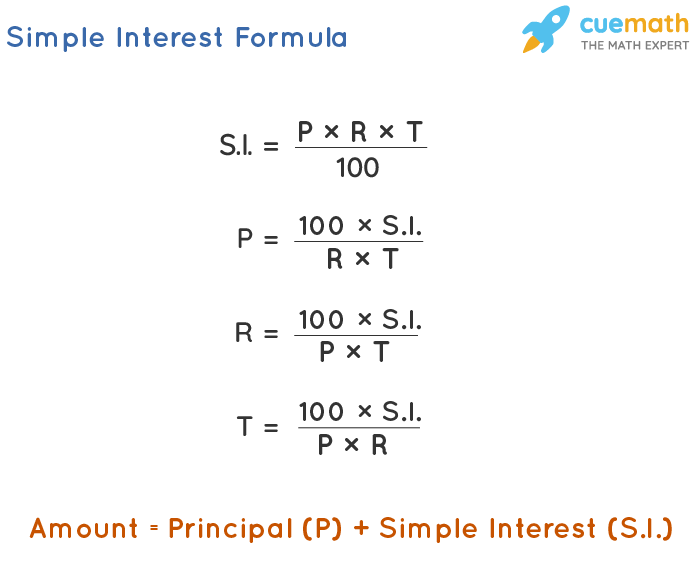
Simple Interest Explained: The Basic Calculation
Simple interest is the most straightforward form, calculated only on the principal amount (the initial sum borrowed or invested). It does not compound, meaning you don’t earn or pay interest on previously accrued interest. While less common in modern long-term financial products, it’s a good starting point for understanding the basic mechanics.
The formula for simple interest is:
I = P * R * T
Where:
- I = Interest amount
- P = Principal amount
- R = Annual interest rate (as a decimal)
- T = Time period (in years)
For example, if you invest $1,000 at a simple interest rate of 5% for 3 years, the interest earned would be $1,000 * 0.05 * 3 = $150. Your total return would be $1,150.
Compound Interest: The Power of Growth (or Debt)
Compound interest is often hailed as the “eighth wonder of the world” due to its ability to accelerate wealth growth or debt accumulation. Unlike simple interest, compound interest is calculated on the initial principal and also on the accumulated interest from previous periods. This “interest on interest” effect can lead to significantly larger sums over time.
The formula for compound interest is:
A = P (1 + R/N)^(NT)
Where:
- A = Amount after time T (includes principal and interest)
- P = Principal amount
- R = Annual interest rate (as a decimal)
- N = Number of times interest is compounded per year
- T = Time period (in years)
The frequency of compounding (e.g., annually, semi-annually, quarterly, monthly, daily) plays a huge role. More frequent compounding leads to faster growth. For example, $1,000 at 5% compounded annually for 3 years yields $1,157.63, while compounding monthly would yield $1,161.47, demonstrating the power of frequent compounding.
Key Terms: APR, APY, Nominal vs. Effective Rates
Understanding these terms is crucial when comparing financial products:
- APR (Annual Percentage Rate): This represents the annual cost of a loan, including the interest rate and certain fees, expressed as a single percentage. It’s often used for credit cards and mortgages. However, APR does not typically account for compounding frequency.
- APY (Annual Percentage Yield): This represents the actual annual rate of return earned on an investment, taking into account the effect of compounding interest. APY is generally higher than the nominal interest rate when compounding occurs more than once a year. It’s best for comparing savings accounts or CDs.
- Nominal Interest Rate: This is the stated interest rate without taking inflation or compounding into account. It’s the simple rate before any adjustments.
- Effective Interest Rate: This is the actual interest rate paid on a loan or earned on an investment after taking into account the effects of compounding and other fees. For savings, APY is the effective rate. For loans, the effective rate might be slightly higher than the APR if there are additional fees not included in the APR calculation, or if the loan is compounded more frequently than assumed by a simple APR.
Why Accurately Knowing Interest Rates Matters
Beyond academic understanding, the practical application of knowing interest rates has profound implications for your personal wealth and financial stability.
For Borrowers: Managing Debt and Minimizing Costs
When you borrow money—for a car, a home, or using a credit card—interest is the cost you pay for using someone else’s money. A higher interest rate means a higher total repayment over the life of the loan.
- Mortgages: Even a seemingly small difference in interest rate (e.g., 0.25%) on a large, long-term loan like a mortgage can amount to tens of thousands of dollars in extra payments over 30 years. Knowing your interest rate helps you assess affordability, consider refinancing options, and understand your monthly payment breakdown (principal vs. interest).
- Credit Cards: Credit cards often carry very high APRs. Understanding these rates is critical for managing revolving debt. High interest can quickly make minimum payments ineffective, trapping you in a cycle of debt. Knowing your rate encourages timely payments and strategic debt reduction.
- Personal Loans and Auto Loans: Similarly, interest rates on these loans determine the overall cost of your purchase or financing. Comparing rates from multiple lenders can save you significant money.
For Savers and Investors: Maximizing Returns and Growth
On the flip side, when you save or invest money, interest is the return you earn. Here, a higher interest rate (especially when compounded frequently) translates to faster wealth accumulation.
- Savings Accounts and CDs: High-yield savings accounts and Certificates of Deposit (CDs) offer interest on your deposits. Knowing the APY allows you to compare different bank offers and ensure your money is working as hard as possible for you.
- Bonds and Other Fixed-Income Investments: Bonds pay regular interest (coupon payments) to investors. Understanding their yield to maturity helps investors gauge the total return and assess risk.
- Investment Portfolios: While stocks don’t pay “interest” in the traditional sense, understanding interest rate environments is crucial for bond components of a portfolio and for understanding the broader economic factors that influence equity returns.
Making Informed Financial Decisions
Ultimately, knowing how to find out interest empowers you to:
- Budget Effectively: Understand the true cost of your debts and the potential growth of your savings.
- Compare Products: Objectively evaluate different loan offers, savings accounts, or investment opportunities.
- Plan for the Future: Forecast future debt obligations or investment growth with greater accuracy.
- Negotiate Better Terms: Armed with knowledge, you can approach lenders or financial institutions from a stronger position.
Practical Methods for Calculating and Ascertaining Interest
Knowing the formulas is one thing, but practically finding and calculating interest in real-world scenarios involves various tools and strategies.
Manual Calculations: Formulas for Simple and Compound Interest
While less common for everyday complex scenarios, understanding how to manually calculate interest is foundational.

- Simple Interest: As mentioned,
I = P * R * T. This is useful for quick mental checks or for understanding short-term, non-compounding loans. - Compound Interest (basic): If compounding annually, you can apply the simple interest formula iteratively:
- Year 1: Principal + (Principal * Rate)
- Year 2: (New Principal) + (New Principal * Rate)
- And so on.
For more frequent compounding, theA = P (1 + R/N)^(NT)formula is required. Breaking down this formula and working through an example by hand can provide a deep understanding of its mechanics.
Utilizing Online Interest Calculators and Financial Tools
For accuracy and convenience, online calculators are invaluable.
- Bank Websites: Most banks and credit unions offer free interest calculators for loans (mortgage, auto, personal) and savings. These often allow you to input principal, rate, and term to see monthly payments or future values.
- Financial News Sites: Reputable financial websites (e.g., Investopedia, Bankrate, NerdWallet) provide a plethora of calculators for various financial scenarios, including compound interest, loan amortization, retirement savings, and more.
- Investment Platforms: If you have investment accounts, many platforms offer tools to project the growth of your investments based on current contributions and assumed interest/return rates.
Leveraging Spreadsheets for Complex Scenarios
For those comfortable with spreadsheets (Excel, Google Sheets), they offer powerful capabilities for custom interest calculations and scenario analysis.
- Basic Formulas: You can easily implement the simple and compound interest formulas using cell references.
- Financial Functions: Spreadsheets come equipped with built-in financial functions:
FV (Future Value): Calculates the future value of an investment based on a series of periodic, constant payments and a constant interest rate.PV (Present Value): Calculates the present value of an investment—a series of future payments.RATE: Returns the interest rate per period of an annuity.NPER: Returns the number of periods for an investment based on periodic, constant payments and a constant interest rate.IPMT (Interest Payment): Calculates the interest payment for a given period of an investment.PPMT (Principal Payment): Calculates the payment on the principal for a given period of an investment.
These functions are incredibly useful for modeling loan payments, amortization schedules, and investment growth over time, especially when dealing with regular contributions or payments.
Where to Find and Verify Interest Information
Finding the stated interest rate is one thing; verifying its accuracy and understanding all associated terms is another. Always consult official and reliable sources.
Official Documents: Loan Agreements, Bank Statements, Prospectuses
Your primary sources for interest rate information should always be legal and official documents.
- Loan Agreements/Promissory Notes: For any loan (mortgage, auto, personal), the loan agreement explicitly states the APR, repayment schedule, and terms. This is the definitive source of truth for your borrowing costs.
- Credit Card Statements: Your monthly credit card statement will clearly display your current APRs (purchase, cash advance, balance transfer), minimum payment, and how much interest you’ve paid. Look for the “Interest Charge Calculation” section.
- Bank Account Statements: For savings or checking accounts that earn interest, your monthly or quarterly statement will detail the interest rate (APY) and the amount of interest earned.
- Investment Prospectuses and Disclosures: For investments like bonds, Certificates of Deposit (CDs), or money market accounts, the prospectus or key information document will outline the interest rate, yield, and compounding frequency.
Financial Institutions and Platforms: Direct Inquiries, Online Portals
Beyond formal documents, institutions themselves are direct sources.
- Online Banking Portals: Your bank’s or lender’s online portal or mobile app will typically show your current interest rates for your accounts and loans.
- Customer Service: If you can’t find the information, or if you need clarification, contact customer service directly via phone or secure message. They can provide current rates and explain how interest is calculated for your specific products.
- Investment Dashboards: Online brokerage platforms and robo-advisors provide dashboards that display current yields for bonds, dividend yields for stocks, and overall portfolio performance, which indirectly reflects the compounding of returns.
Regulatory Bodies and Consumer Protection Sites
For comparison and to understand market norms, regulatory and consumer sites are helpful.
- Federal Reserve (and other central banks): While they don’t list individual product rates, understanding the prevailing federal funds rate provides context for why other interest rates are where they are.
- Consumer Financial Protection Bureau (CFPB): This U.S. government agency provides resources and tools to help consumers understand financial products, including explanations of interest rates and tips for comparing offers. Similar bodies exist in other countries.
- Rate Comparison Websites: Reputable financial websites (e.g., Bankrate, LendingTree, NerdWallet) aggregate and compare interest rates from various lenders and banks for different products, allowing you to quickly survey the market. Always cross-reference with the official institutions.
Strategies for Optimizing Your Interest Landscape
Understanding how to find out interest is just the first step. The real power lies in using that knowledge to your financial advantage.
Minimizing Borrowing Costs
- Pay Down High-Interest Debt First: Prioritize credit cards and personal loans with the highest APRs. The less principal these high rates apply to, the faster you’ll become debt-free and save on interest.
- Refinance Loans: If interest rates have dropped or your credit score has improved, consider refinancing a mortgage or other loans to secure a lower rate. This can significantly reduce your total interest payments over the loan’s life.
- Negotiate Rates: Don’t be afraid to call your credit card company or bank and ask for a lower interest rate, especially if you have a good payment history.
- Shop Around: Always compare interest rates from multiple lenders before committing to a new loan. Even a quarter-point difference can save you thousands.
Maximizing Savings and Investment Returns
- Seek High-Yield Accounts: Don’t let your cash sit in a low-interest checking account. Move emergency funds and short-term savings to high-yield savings accounts or money market accounts to take advantage of better APYs.
- Harness Compound Interest: The earlier you start investing, the more time compound interest has to work its magic. Make regular contributions to retirement accounts (401k, IRA) and investment portfolios.
- Diversify Investments: While not directly about interest rates, a diversified investment portfolio helps manage risk and optimize overall returns, ensuring your money is growing effectively.
- Reinvest Earnings: For investments that generate interest or dividends, consider reinvesting them to accelerate the compounding effect.
Continuous Monitoring and Review
Interest rates are not static. Economic conditions, central bank policies, and individual creditworthiness can all cause rates to fluctuate.
- Regularly Review Statements: Check your bank, credit card, and loan statements frequently for changes in interest rates or earned interest.
- Stay Informed About Market Trends: Keep an eye on economic news and central bank announcements to understand the general direction of interest rates. This can inform decisions about when to save, borrow, or refinance.
- Periodically Compare Products: Every year or two, re-evaluate your savings accounts, loans, and credit cards. Are there better rates available elsewhere? Is your current debt structured optimally?

Conclusion
The ability to “find out interest” is more than just a numerical exercise; it’s a foundational element of sound financial management. By understanding the different types of interest, appreciating its profound impact on your finances, and utilizing the right tools and strategies, you gain control over your money. Whether you’re paying off debt, saving for a down payment, or planning for retirement, an astute awareness of interest rates empowers you to make smarter choices, minimize costs, maximize returns, and ultimately build a more secure and prosperous financial future. Make it a habit to actively seek out, understand, and optimize the interest rates that govern your financial life.
aViewFromTheCave is a participant in the Amazon Services LLC Associates Program, an affiliate advertising program designed to provide a means for sites to earn advertising fees by advertising and linking to Amazon.com. Amazon, the Amazon logo, AmazonSupply, and the AmazonSupply logo are trademarks of Amazon.com, Inc. or its affiliates. As an Amazon Associate we earn affiliate commissions from qualifying purchases.