
Interest, at its core, is the cost of borrowing money or the reward for lending it. It’s a foundational concept in finance that underpins nearly every transaction involving capital over time. For individuals, understanding “how much interest” is pivotal for managing personal finances, making informed investment decisions, and navigating the world of debt responsibly. For businesses, it influences funding costs, investment returns, and overall financial health. This article delves into the multifaceted world of interest, dissecting its mechanics, implications, and strategic importance for both individuals and enterprises.
Understanding the Fundamentals of Interest
To truly grasp the significance of “how much interest,” one must first understand its basic principles. It’s more than just a number; it’s a dynamic force that can either propel your financial growth or weigh heavily on your liabilities.
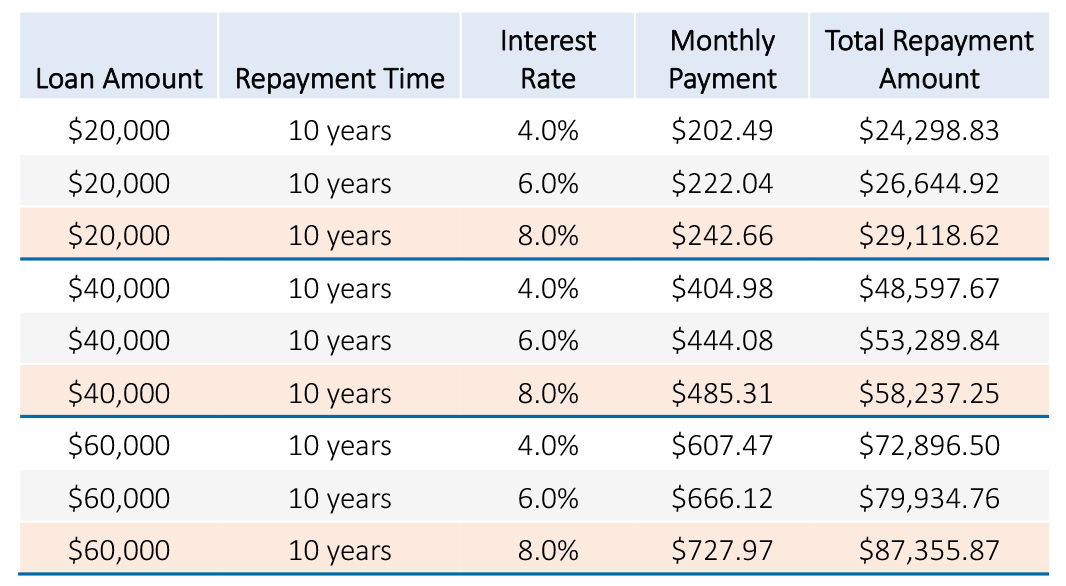
What Exactly is Interest?
In its simplest form, interest is the charge for the privilege of borrowing money, typically expressed as a percentage of the principal amount borrowed. Conversely, it is also the payment received for depositing or lending money. When you take out a loan, you pay interest to the lender. When you deposit money into a savings account or invest, the bank or borrower pays you interest. This concept compensates lenders for the risk they take and the opportunity cost of not using their money elsewhere, while allowing borrowers to access capital they don’t currently possess.
The Two Sides: Earned vs. Paid Interest
The concept of interest manifests in two primary ways in personal finance:
- Earned Interest: This is the money you receive on your savings, investments, or loans you extend to others. Examples include interest on savings accounts, Certificates of Deposit (CDs), bonds, or dividends from certain investments. Earning interest is a cornerstone of wealth accumulation, allowing your money to grow over time without continuous active input.
- Paid Interest: This is the cost you incur when borrowing money. It applies to mortgages, car loans, personal loans, credit cards, and business loans. Managing paid interest effectively is crucial for debt management, as high interest rates can significantly increase the total cost of borrowing and impede financial progress. The goal for any financially savvy individual or business is to maximize earned interest while minimizing paid interest.
Key Components: Principal, Rate, Time
Three fundamental components determine “how much interest” is accumulated or paid:
- Principal: This is the initial amount of money borrowed or invested. If you take out a $10,000 loan, the principal is $10,000. If you deposit $1,000 into a savings account, that’s your principal.
- Interest Rate: Expressed as a percentage, this is the charge or payment for the use of the principal over a specific period, usually annually. A 5% interest rate means 5% of the principal is either paid or earned per year.
- Time: This refers to the duration over which the principal is borrowed or invested. The longer the time, the more interest can accrue, especially with compounding. Understanding how these three elements interact is essential for predicting and calculating interest outcomes.
Deconstructing Interest Calculation Methods
While the core components remain constant, the methods by which interest is calculated can vastly differ, leading to significant variations in the ultimate “how much interest” figure.
Simple Interest: The Basic Formula
Simple interest is the most straightforward calculation method. It is calculated only on the original principal amount. The formula for simple interest is:
Simple Interest = Principal × Rate × Time
For example, if you invest $1,000 at a 5% simple interest rate for 3 years, the interest earned each year would be $1,000 × 0.05 = $50. Over 3 years, you would earn a total of $50 × 3 = $150 in interest. Simple interest is often used for short-term loans or bonds and does not account for the reinvestment of earned interest.
Compound Interest: The Power of Growth (or Debt)
Compound interest is where “how much interest” truly begins to show its power. Unlike simple interest, compound interest is calculated on the initial principal and also on the accumulated interest from previous periods. This “interest on interest” effect can lead to exponential growth over time. The formula for compound interest is more complex:
Compound Interest = Principal × (1 + Rate/n)^(nt) – Principal
Where:
nis the number of times that interest is compounded per yeartis the number of years the money is invested or borrowed for
If you invest $1,000 at a 5% annual interest rate, compounded annually for 3 years:
- Year 1: $1,000 × 0.05 = $50. New principal = $1,050
- Year 2: $1,050 × 0.05 = $52.50. New principal = $1,102.50
- Year 3: $1,102.50 × 0.05 = $55.13. New principal = $1,157.63
Total interest earned = $157.63.
Notice how this is greater than the $150 from simple interest. The more frequently interest is compounded (e.g., quarterly, monthly, daily), the faster the growth. This principle, often called the “eighth wonder of the world,” is incredibly powerful for investments but can also lead to rapidly escalating debt if not managed.
Annual Percentage Rate (APR) vs. Annual Percentage Yield (APY)
When comparing financial products, it’s crucial to distinguish between APR and APY:
- Annual Percentage Rate (APR): This represents the annual cost of a loan, including interest and other fees, expressed as a single percentage. APR provides a standardized way to compare the cost of different loans, but it typically reflects simple interest. For example, a credit card’s APR might be 18%, indicating the annual rate applied to your outstanding balance.
- Annual Percentage Yield (APY): This represents the annual rate of return earned on an investment, taking into account the effect of compounding interest. APY is generally higher than the stated interest rate because it includes the “interest on interest.” For savings accounts or CDs, APY gives a more accurate picture of your actual earnings. Always compare APY for savings and investment products to understand “how much interest” you will truly earn.
Interest in Action: Practical Applications

The concept of interest isn’t theoretical; it’s deeply embedded in almost every financial instrument and decision we make.
Saving & Investing: Making Your Money Work
For savers and investors, interest is the engine of wealth creation.
- Savings Accounts: Even low-yield savings accounts pay interest, helping your emergency fund or short-term savings grow incrementally. High-yield savings accounts offer more competitive rates.
- Certificates of Deposit (CDs): CDs offer a fixed interest rate for a fixed term, typically higher than standard savings accounts, in exchange for locking up your money.
- Bonds: When you buy a bond, you are lending money to a government or corporation, and they pay you regular interest payments (coupon payments) in return.
- Compound Interest in Retirement: The earlier you start investing, the more time compound interest has to work its magic. Even small, regular contributions to retirement accounts like 401(k)s or IRAs can grow into substantial sums over decades due to compounding.
Borrowing & Debt: The Cost of Capital
On the flip side, interest is the cost of borrowing, and managing it is paramount to financial well-being.
- Credit Cards: Credit card interest rates (APR) are often among the highest, making it expensive to carry a balance. Understanding “how much interest” you’re paying on credit card debt is critical for prioritizing repayment.
- Personal Loans: These loans typically have fixed interest rates and repayment schedules, offering a predictable cost of borrowing.
- Auto Loans: Interest on car loans adds to the overall cost of the vehicle, so comparing rates from different lenders is essential.
- Student Loans: Student loan interest can accrue over many years, significantly increasing the total amount repaid, especially if payments are deferred.
Real Estate & Mortgages: Long-Term Commitments
Mortgages are perhaps the largest financial commitment for most individuals, and interest plays a monumental role.
- Mortgage Interest: Over the 15, 20, or 30-year term of a mortgage, the total interest paid can often equal or even exceed the original principal amount of the loan. Factors like the interest rate, loan term, and down payment heavily influence “how much interest” you’ll pay over the life of the loan.
- Amortization Schedule: Mortgages follow an amortization schedule, where early payments are heavily weighted towards interest, and later payments chip away more at the principal. Understanding this schedule helps homeowners see the long-term cost.
- Refinancing: Homeowners might refinance their mortgage to secure a lower interest rate, thereby reducing their monthly payments and the total interest paid over the loan’s life.
Strategies for Optimizing Interest Impact
Effectively managing interest is not just about understanding it; it’s about actively strategizing to benefit from its positive aspects and mitigate its negative ones.
Maximizing Earned Interest
To make your money work harder for you:
- High-Yield Accounts: Seek out savings accounts, money market accounts, and CDs that offer competitive APYs. Online banks often provide better rates than traditional brick-and-mortar institutions due to lower overheads.
- Automate Savings: Set up automatic transfers to savings or investment accounts to consistently contribute and allow compound interest more principal to work with.
- Invest Early and Consistently: The longer your money is invested, the more time it has to compound. Regular, consistent contributions, even small ones, can lead to significant wealth accumulation over decades.
- Diversify Investments: While not purely interest-bearing, a diversified investment portfolio (including stocks, bonds, and other assets) can generate returns that outpace inflation and offer significant long-term growth through compounding.
Minimizing Paid Interest
To reduce the drag of debt:
- Prioritize High-Interest Debt: Focus on paying off debts with the highest interest rates first (e.g., credit cards) using methods like the debt avalanche strategy.
- Shop for Lower Rates: Before taking out a loan, compare offers from multiple lenders to secure the lowest possible interest rate. This can save thousands over the life of a loan.
- Make Extra Payments: Paying more than the minimum on loans, especially mortgages, can significantly reduce the total interest paid and shorten the loan term.
- Refinance Loans: If interest rates drop or your credit score improves, consider refinancing existing loans (e.g., mortgages, student loans) to a lower rate.
- Avoid Unnecessary Debt: The most effective way to minimize paid interest is to borrow only when necessary and within your means.
The Inflation Factor: Real vs. Nominal Returns
Understanding “how much interest” is truly earned or paid also requires considering inflation.
- Nominal Interest Rate: This is the stated interest rate on a loan or investment, without adjustment for inflation.
- Inflation Rate: This is the rate at which the general level of prices for goods and services is rising, and subsequently, purchasing power is falling.
- Real Interest Rate: This is the nominal interest rate minus the inflation rate. It represents the true return on an investment or the true cost of borrowing in terms of purchasing power. If your savings account offers a 2% nominal interest rate, but inflation is 3%, your real return is -1%, meaning your purchasing power is actually decreasing. Investors must strive for returns that significantly outpace inflation to ensure their wealth truly grows.
The Broader Economic Impact of Interest Rates
Interest rates are not just personal financial tools; they are powerful levers that central banks use to manage national economies.
Central Bank Policies and Monetary Control
Central banks, such as the Federal Reserve in the U.S., use benchmark interest rates (like the federal funds rate) as a primary tool for monetary policy.
- Stimulating the Economy: When the economy slows, central banks may lower interest rates to make borrowing cheaper, encouraging businesses to invest and consumers to spend, thereby boosting economic activity.
- Curbing Inflation: When inflation is high, central banks may raise interest rates to make borrowing more expensive, which can cool down spending and investment, helping to bring inflation under control. These policy decisions directly influence “how much interest” consumers and businesses will pay or earn.
How Interest Rates Influence the Economy
Changes in central bank interest rates ripple throughout the entire economy:
- Consumer Spending and Borrowing: Lower rates stimulate mortgage activity, auto sales, and credit card spending. Higher rates dampen these activities.
- Business Investment: Businesses are more likely to take out loans for expansion, research, and development when borrowing costs are low.
- Savings and Investments: Higher rates generally make savings accounts and bonds more attractive, while lower rates might push investors towards riskier assets for better returns.
- Exchange Rates: Interest rate differentials between countries can influence currency exchange rates, impacting international trade and investment.

Future Trends and Personal Financial Planning
The future of interest rates is always a subject of speculation and analysis. Factors like global economic growth, inflation, geopolitical events, and technological advancements can all influence rates. For individuals, staying informed about these trends is crucial for:
- Debt Management: Anticipating rate hikes might prompt accelerated debt repayment or refinancing.
- Investment Strategy: Understanding the interest rate environment can guide decisions on allocating funds between interest-bearing assets and other investment vehicles.
- Retirement Planning: Long-term interest rate trends affect the expected returns on retirement portfolios and the cost of annuities.
In conclusion, “how much interest” is a question with profound implications across the financial spectrum. From the individual trying to grow their savings or manage their debt to central banks steering national economies, interest is a fundamental mechanism of wealth transfer and economic regulation. A thorough understanding of its calculation, impact, and strategic management is indispensable for achieving financial health and securing a prosperous future.
aViewFromTheCave is a participant in the Amazon Services LLC Associates Program, an affiliate advertising program designed to provide a means for sites to earn advertising fees by advertising and linking to Amazon.com. Amazon, the Amazon logo, AmazonSupply, and the AmazonSupply logo are trademarks of Amazon.com, Inc. or its affiliates. As an Amazon Associate we earn affiliate commissions from qualifying purchases.