
The ringing of the closing bell on Wall Street, or the digital equivalent across global exchanges, signifies more than just the end of a trading day. It marks a crucial transition for investors, financial professionals, and the markets themselves. While the primary action occurs during standard trading hours, understanding what “closed” truly means, what transpires during these off-hours, and the strategic implications for one’s investment portfolio is paramount for navigating the complex world of finance. This isn’t merely a pause; it’s a dynamic period that shapes the landscape for the next trading session, influencing everything from individual stock performance to broader market sentiment. For the discerning investor, the hours when the market is closed are just as critical for analysis, reflection, and strategic planning as the hours it is open for active trading.
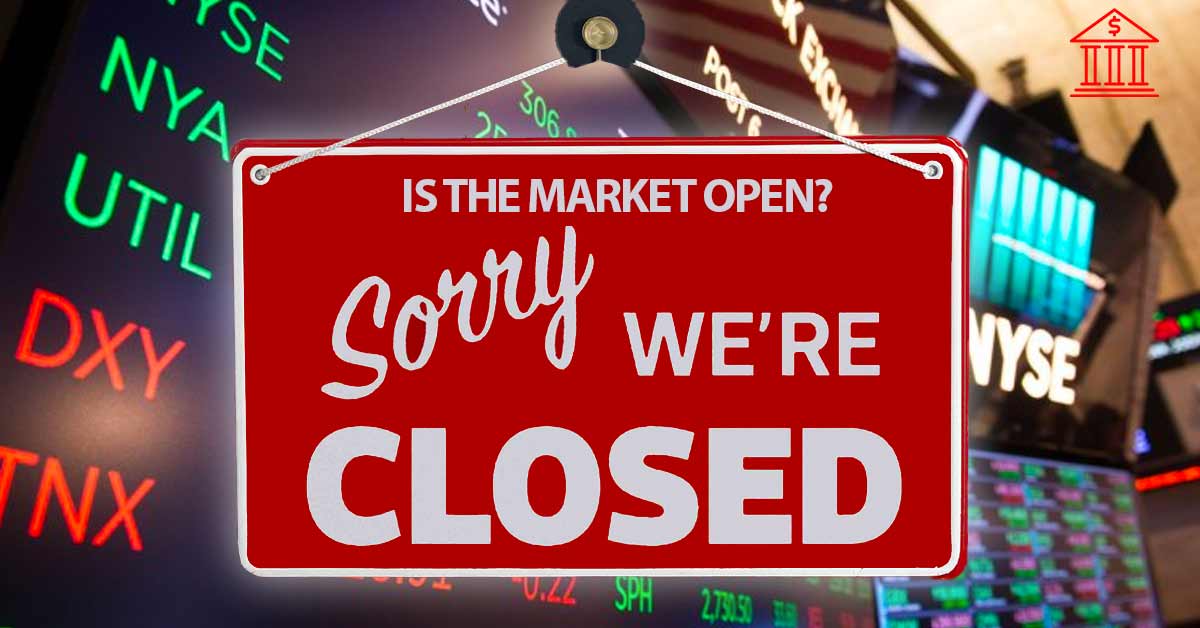
The Rhythms of the Market: Understanding Trading Hours and Closures
The notion of a “closed” stock market is fundamental to its operation, yet its precise definition can vary depending on geographical location and specific circumstances. These scheduled pauses are not arbitrary; they are embedded within the very structure of financial ecosystems, designed to maintain order, facilitate settlement, and provide a necessary respite for all participants.
Standard Operating Hours Across Global Exchanges
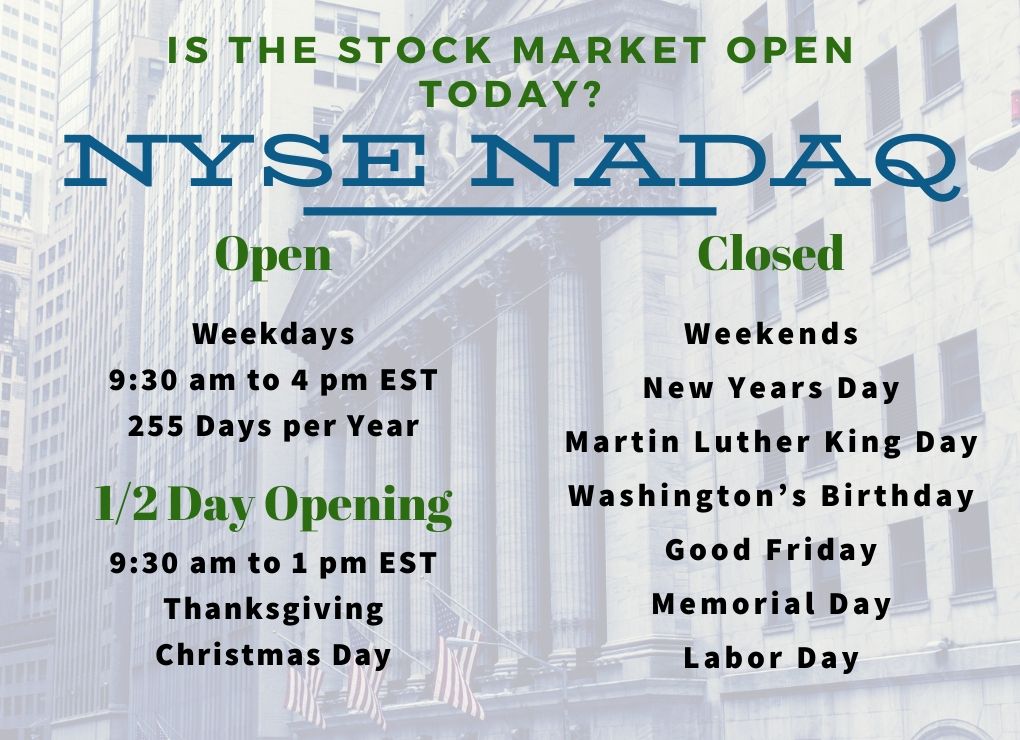
The most common understanding of a closed market refers to the hours outside of its standard trading day. For instance, the New York Stock Exchange (NYSE) and NASDAQ typically operate from 9:30 AM to 4:00 PM Eastern Time on weekdays. Similar fixed schedules are observed worldwide: the London Stock Exchange, the Tokyo Stock Exchange, and the Shanghai Stock Exchange all adhere to their respective local time zones and daily routines. These defined periods create predictability and structure, allowing for concentrated liquidity and price discovery. Outside these hours, while some trading activity still occurs, it’s generally less liquid and more prone to volatility. The closure of these major exchanges effectively halts the primary mechanism of public share trading, directing attention to other avenues or simply to a waiting game until the next opening bell.
Weekends and Federal Holidays: The Scheduled Pauses
Beyond daily closures, stock markets observe specific days off. Weekends, universally recognized as non-trading days, offer a complete break from market activity, allowing participants to detach and regroup. Similarly, federal holidays – such as New Year’s Day, Memorial Day, Independence Day, Thanksgiving, and Christmas in the U.S. – prompt full-day market closures. These holidays often coincide with reduced economic activity and serve a dual purpose: they honor national observances and prevent trading during periods of thin liquidity and potential market distortion. For investors, these scheduled pauses are an opportunity for in-depth research, portfolio re-evaluation, and strategic planning without the immediate pressure of fluctuating prices. They are periods for reflection on long-term goals rather than short-term gains or losses.
Early Closures and Market Suspensions: Unforeseen Breaks
While less common, markets can also experience unscheduled or early closures. These can occur due to various reasons, ranging from technical glitches, severe weather conditions affecting physical operations, or even national emergencies. In extreme circumstances, regulators might temporarily suspend trading for specific stocks or even the entire market to curb excessive volatility, prevent panic selling, or address critical information discrepancies. An example of this was the multi-day closure after the September 11th attacks in 2001, a rare but significant instance of a market completely ceasing operations for an extended period. Such events underscore the market’s vulnerability to external shocks and the regulatory bodies’ role in maintaining stability, even if it means halting trading altogether.
Beyond the Bell: What Happens After Trading Hours
The term “closed” can be somewhat misleading, as financial activity doesn’t simply cease when the main exchanges shut down. Instead, the landscape shifts, offering both unique opportunities and heightened risks for the informed investor. Understanding these off-hours dynamics is crucial for a comprehensive financial strategy.
After-Hours and Pre-Market Trading: Opportunities and Risks
While the main market is closed, electronic communication networks (ECNs) facilitate what is known as after-hours and pre-market trading. Pre-market trading typically occurs from 4:00 AM to 9:30 AM ET, and after-hours trading from 4:00 PM to 8:00 PM ET. During these periods, investors can still place orders and execute trades, often driven by breaking news, earnings reports released outside standard hours, or analyst upgrades/downgrades. The primary characteristic of these sessions is lower liquidity, meaning fewer buyers and sellers are active. This reduced liquidity can lead to wider bid-ask spreads and increased price volatility, making it possible for large price swings on relatively small trading volumes. While this offers opportunities for quick reactions to new information, it also carries greater risk, as prices can be less stable and harder to predict.
News and Economic Data Releases: Impact on Overnight Sentiment
A significant portion of market-moving news and economic data is intentionally released when the main markets are closed. Corporate earnings reports, FDA approvals, macroeconomic indicators like inflation or employment figures, and geopolitical developments often hit the wires during evenings, mornings, or weekends. This timing allows analysts and investors to digest the information without the immediate pressure of an open market, theoretically leading to more considered responses. However, it also means that investor sentiment can build overnight, leading to significant “gap” openings or closures when the market reopens. A stock might open significantly higher or lower than its previous closing price based on overnight news, presenting both challenges and opportunities for those with pending orders or specific strategies. The impact of such news often sets the tone for the entire subsequent trading day.
Derivatives Markets and International Exchanges: The Continuous Flow of Capital
Even when a particular equity market is closed, the broader financial world continues its relentless activity. Derivatives markets, such as futures and options, often have extended trading hours or operate nearly 24/7. For example, S&P 500 futures (E-mini S&P 500) trade virtually around the clock, offering a continuous gauge of investor sentiment towards the broader U.S. market even when the NYSE is dark. Furthermore, global markets operate on different time zones. When the U.S. market is closed, European and Asian markets may be wide open, reacting to global news and setting precedents that will influence U.S. stocks upon their reopening. This interconnectedness means that capital is constantly flowing and reacting to events somewhere in the world, creating a truly global, albeit fragmented, “always-on” financial system.
Strategic Implications for Investors: Adapting to Closed Markets
The periods when stock markets are closed are not merely idle times; they are critical intervals for investors to refine their strategies, manage emotional responses, and prepare for the next trading session. A proactive approach to these off-hours can significantly enhance investment outcomes and foster a more disciplined approach.
Managing Risk and Volatility in the Off-Hours
The lower liquidity and heightened sensitivity to news during after-hours and pre-market trading mean increased risk and volatility. Investors who participate in these sessions must be acutely aware of the potential for wider price discrepancies and rapid shifts. Strategies like using limit orders instead of market orders become even more crucial to ensure trades are executed at desired prices. For those not actively trading, the off-hours are ideal for assessing overnight risks. Monitoring futures markets, global news headlines, and company-specific announcements can provide early warnings of potential market movements, allowing investors to adjust their strategies or mentally prepare for potential gains or losses at the market open. Understanding the context of overnight price movements is key to making informed decisions rather than reacting impulsively.
The Importance of Long-Term Investing During Downtimes
For long-term investors, the closing of the market offers a vital perspective shift. The daily fluctuations and immediate reactions to news that characterize open market hours can often distract from fundamental analysis and long-term objectives. When the market is closed, investors can step back from the noise and focus on the bigger picture: the underlying health of companies, macroeconomic trends, and their personal financial goals. It’s a prime time for revisiting investment theses, re-evaluating diversification, and conducting deeper research without the pressure of live price action. This period of calm can reinforce the discipline required for successful long-term investing, reminding individuals that market closures are temporary pauses in a much longer journey towards wealth accumulation.
Leveraging Technology for Post-Market Analysis and Orders
Modern financial technology provides powerful tools that extend an investor’s capabilities beyond traditional market hours. Advanced charting software, financial news aggregators, and portfolio management platforms offer real-time access to global market data, after-hours trading volumes, and breaking news. Investors can use these tools to perform detailed post-market analysis, identify potential trade setups for the next day, and even place conditional orders (e.g., stop-loss or take-profit orders) that will automatically execute once the market reopens or under specific pre-market conditions. Robo-advisors and automated trading systems can also continue to monitor global markets and execute strategies based on predefined rules, further blurring the lines between “open” and “closed” for some aspects of investing.
The Rationale Behind Market Closures: Order, Stability, and Human Limits
The decision to close stock markets for specific periods is not arbitrary; it’s a deliberate choice rooted in principles of market integrity, investor protection, and operational efficiency. These closures are foundational to the stability and fairness of the financial system.
Facilitating Orderly Settlement and Reconciliation
One of the primary reasons for market closures is to allow for the orderly settlement and reconciliation of trades. Every transaction, from buying a single share to executing complex derivatives, requires a backend process to ensure that the buyer receives the shares and the seller receives payment. This process, known as clearing and settlement, typically takes several business days (e.g., T+2 in many markets, meaning trade date plus two business days). Closing the market provides a defined period during which these complex, high-volume operations can be accurately processed, audited, and reconciled without the added pressure of continuous live trading. It ensures that the integrity of ownership records and cash transfers is maintained, preventing errors and fraud that could destabilize the system.
Protecting Investors from Information Asymmetry
Market closures also serve to protect investors, particularly from the dangers of information asymmetry. If markets were open 24/7, significant news released in the middle of the night could disproportionately impact investors who are not awake or able to react immediately. Scheduled closures provide a common timeframe during which major announcements can be made, allowing all market participants a more equal opportunity to digest the information and formulate a response before the market reopens. This helps to level the playing field, reducing the advantage of those with real-time, round-the-clock access or sophisticated algorithmic trading systems over individual investors. It fosters an environment where fundamental analysis has a chance to catch up with immediate reactions.
The Human Element: Time for Research and Reflection
While technology drives much of modern trading, the financial world is still fundamentally operated and influenced by people. Traders, analysts, portfolio managers, and regulatory staff all need time away from the screens to perform in-depth research, strategize, and avoid burnout. Continuous 24/7 trading would place immense pressure on individuals, potentially leading to fatigue, errors, and emotional decision-making. Market closures provide necessary downtime for professionals to conduct thorough due diligence, engage in critical thinking, and collaborate on strategies without the immediate pressures of live market movements. This human element is crucial for maintaining a thoughtful and robust financial ecosystem.
The Future of Trading: Towards a 24/7 Global Market?
The concept of a “closed” stock market, while deeply entrenched, is increasingly being challenged by technological advancements and evolving investor expectations. The future of trading may see a shift towards more continuous, global operations, but significant hurdles remain.
Technological Advancements and Distributed Ledgers
The rapid evolution of technology, particularly in areas like high-frequency trading, cloud computing, and distributed ledger technology (DLT) or blockchain, is making the concept of 24/7 trading more feasible than ever before. DLT, with its ability to facilitate near-instantaneous and immutable record-keeping, could revolutionize clearing and settlement processes, potentially reducing the need for traditional “closing” periods for reconciliation. Automated trading systems and artificial intelligence are also capable of operating continuously, reducing the reliance on human traders for moment-to-moment decision-making. These technological breakthroughs are gradually eroding the practical barriers that once necessitated distinct trading hours.
Investor Demand for Continuous Access
There is a growing demand from both institutional and retail investors for more continuous access to markets. In an increasingly globalized world, news and events happen around the clock, and investors want the ability to react immediately, regardless of their local market’s operating hours. The rise of cryptocurrencies, which trade 24/7 on decentralized exchanges, has also accustomed a new generation of investors to the idea of always-on markets. This demand is pushing traditional exchanges to explore extended trading hours, cross-border integration, and innovative ways to maintain liquidity and stability outside conventional schedules.
Regulatory Hurdles and the Evolving Financial Landscape
Despite technological feasibility and investor demand, the transition to a truly 24/7 global stock market faces substantial regulatory, operational, and philosophical hurdles. Regulators would need to establish harmonized rules across different jurisdictions to prevent arbitrage opportunities and ensure fair trading practices. Issues such as market surveillance, circuit breakers, investor protection mechanisms, and dispute resolution would need to be rethought for a continuous environment. Furthermore, the human element, including the well-being of financial professionals and the need for reflective analysis, remains a significant consideration. While the trend is towards greater accessibility and extended trading, a complete dissolution of “closed” periods for major equity markets may still be a distant prospect, demanding careful consideration of its wide-ranging implications for market structure, investor behavior, and systemic stability. The balance between continuous innovation and robust protection will define the future of how and when we trade.
aViewFromTheCave is a participant in the Amazon Services LLC Associates Program, an affiliate advertising program designed to provide a means for sites to earn advertising fees by advertising and linking to Amazon.com. Amazon, the Amazon logo, AmazonSupply, and the AmazonSupply logo are trademarks of Amazon.com, Inc. or its affiliates. As an Amazon Associate we earn affiliate commissions from qualifying purchases.