
For anyone looking to engage with the dynamic world of stock market investing, understanding the operational hours of key exchanges like the Nasdaq is not merely a matter of trivia; it’s a foundational piece of knowledge critical for strategic planning, timely execution, and effective risk management. The Nasdaq Stock Market, renowned globally as a nexus for technology and growth stocks, operates within specific windows, yet its influence extends far beyond these defined hours. This comprehensive guide will demystify the Nasdaq’s opening and closing times, delve into the nuances of extended trading, and highlight why this information is indispensable for every investor.
Decoding Standard Nasdaq Trading Hours
The cornerstone of understanding market activity on the Nasdaq is grasping its standard operational schedule. These hours dictate when the vast majority of trading volume occurs and when prices are most liquid and reflective of public sentiment.
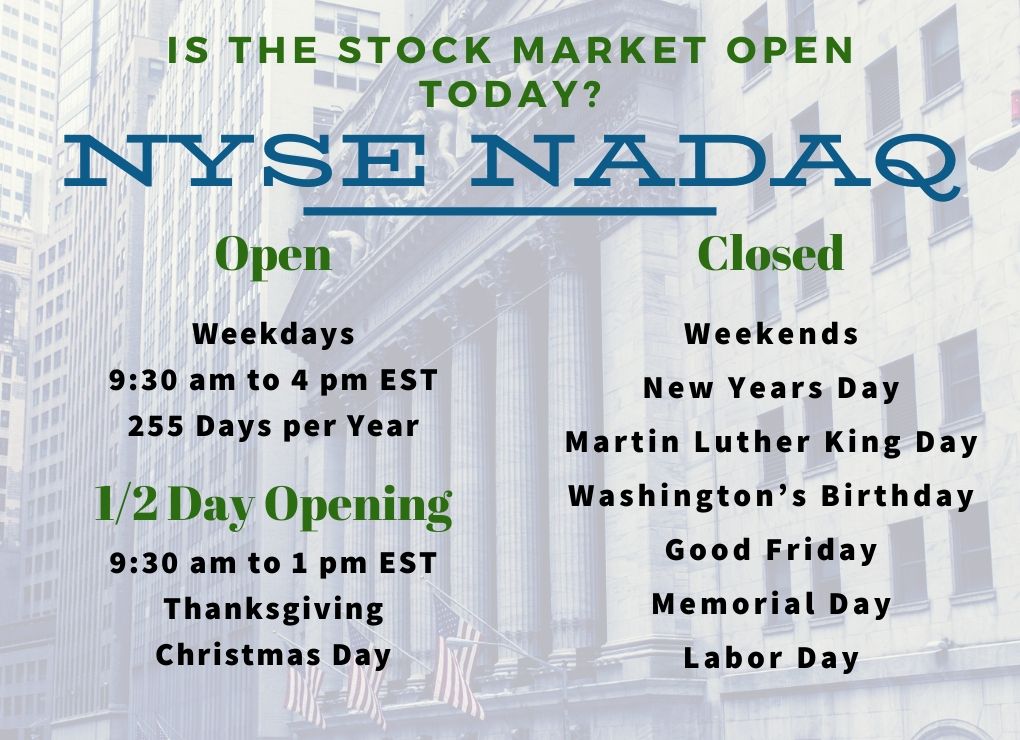
The Core Trading Window: 9:30 AM to 4:00 PM ET
The standard trading session for the Nasdaq Stock Market officially commences at 9:30 AM Eastern Time (ET) and concludes at 4:00 PM ET on weekdays. This seven-and-a-half-hour window is considered the “regular trading session” and is characterized by the highest levels of liquidity, transparency, and participation from individual and institutional investors alike. During these hours, bid and ask spreads are typically tighter, meaning the difference between the highest price a buyer is willing to pay and the lowest price a seller is willing to accept is smaller. This makes it easier to execute trades at favorable prices. News events, earnings reports, and economic data releases often trigger significant price movements during this period, demanding constant vigilance from active traders and investors.
Understanding Eastern Time (ET)
A common pitfall for investors, particularly those situated outside the Eastern Time Zone, is overlooking the time zone specification. The Nasdaq, like the New York Stock Exchange (NYSE), is headquartered in New New York City, which observes Eastern Time. This means if you are on the West Coast of the United States (Pacific Time), the market opens at 6:30 AM PT and closes at 1:00 PM PT. In London (GMT), the market opens at 2:30 PM GMT and closes at 9:00 PM GMT. For international investors, converting ET to their local time zone is crucial to avoid missed opportunities or ill-timed trades. Many trading platforms and financial news websites provide time zone conversion tools, but a quick manual calculation is always a good practice.
Nasdaq’s Operational Days: Weekdays Exclusivity
The Nasdaq, like most major global stock exchanges, operates strictly on weekdays. This means that Saturday and Sunday are non-trading days, allowing market participants a reprieve and time for research and planning without the pressure of live market movements. This weekend pause is vital for investors to process information, adjust strategies, and maintain a healthier work-life balance. However, while the market is closed, major news events or global economic shifts can still occur, potentially influencing how stocks will perform once the market reopens on Monday morning. This concept of “weekend risk” is a factor many investors consider, particularly when holding volatile assets or anticipating significant announcements.
Beyond Standard Hours: The World of Extended Trading
While the standard 9:30 AM to 4:00 PM ET window is the most recognized, the Nasdaq ecosystem offers opportunities for trading outside these hours. This “extended hours trading” has become increasingly popular due to technological advancements and the always-on nature of global financial markets.
Pre-Market Trading: Seizing Early Opportunities
Pre-market trading refers to the period before the standard market open. On the Nasdaq, this typically begins as early as 4:00 AM ET and runs until 9:30 AM ET. This window allows investors to react to news that breaks overnight or early in the morning, such as earnings reports released before the market opens, significant macroeconomic data, or geopolitical developments. For instance, if a company announces better-than-expected earnings at 7:00 AM ET, investors can begin buying shares in the pre-market, potentially influencing the stock’s opening price at 9:30 AM.
However, pre-market trading comes with its own set of considerations. Liquidity is generally lower, meaning there are fewer buyers and sellers, which can lead to wider bid-ask spreads and increased price volatility. Executing large orders can be challenging without significantly impacting the stock price. Only certain order types (like limit orders) are typically allowed, and not all brokers offer extensive pre-market access.
After-Hours Trading: Reacting to Late-Breaking News
Conversely, after-hours trading takes place once the standard market closes at 4:00 PM ET, often continuing until 8:00 PM ET. Similar to pre-market, this period allows investors to respond to news released after the market close, such as late-day earnings announcements or analyst downgrades/upgrades. A company might announce disappointing results at 4:05 PM ET, leading to an immediate sell-off in after-hours trading, potentially setting a lower tone for the next day’s open.
Like pre-market, after-hours trading is characterized by lower liquidity and wider spreads. The reduced trading volume means that even relatively small orders can have a disproportionate impact on a stock’s price. Both pre-market and after-hours sessions primarily rely on Electronic Communication Networks (ECNs) rather than the traditional exchange floor model.
How Extended Hours Function: ECNs and Liquidity
Extended hours trading is predominantly facilitated by Electronic Communication Networks (ECNs). These are automated trading systems that match buy and sell orders electronically, bypassing traditional exchanges. ECNs allow investors to place orders directly into the market without human intervention, ensuring rapid execution.
The primary challenge during extended hours is liquidity. With fewer participants, finding a counterparty for a trade can be more difficult, and the prices might not be as favorable as during regular hours. Wider bid-ask spreads mean you might buy at a higher price or sell at a lower price than you would during the core trading session. Volatility can also be higher, as a smaller number of trades can cause significant price swings. Investors engaging in extended-hours trading must be acutely aware of these factors and consider using limit orders to control their execution price.
Navigating Market Holidays and Special Closures
The Nasdaq does not operate every weekday. A series of market holidays and, occasionally, unforeseen circumstances can lead to full or partial closures. Staying informed about these dates is essential for planning trades and managing expectations.
Federal Holidays: A Calendar for Investors
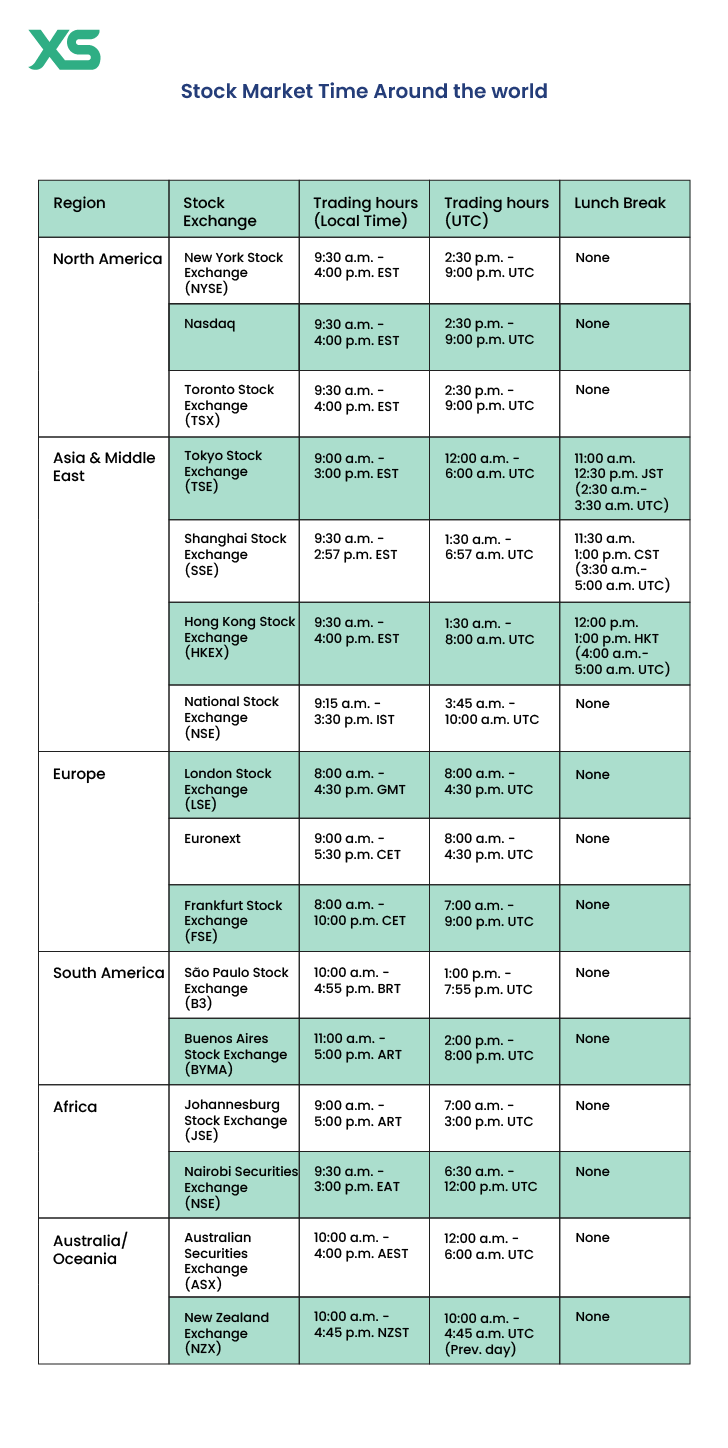
The Nasdaq generally observes US federal holidays, meaning the market is completely closed on these days. Common market holidays include:
- New Year’s Day
- Martin Luther King, Jr. Day
- Presidents’ Day (Washington’s Birthday)
- Good Friday
- Memorial Day
- Juneteenth National Independence Day
- Independence Day (July 4th)
- Labor Day
- Thanksgiving Day
- Christmas Day
It’s crucial to consult the official Nasdaq calendar or your broker’s announcements for the exact dates each year, as some holidays may be observed on a different day if they fall on a weekend. For example, if Independence Day falls on a Saturday, the market might observe the holiday on the preceding Friday.
Half-Day Sessions: Pre-Holiday Adjustments
In addition to full closures, the Nasdaq sometimes observes half-day sessions in advance of certain holidays, particularly Christmas and Independence Day. On these days, the market typically closes early, often at 1:00 PM ET. This allows market participants to prepare for the upcoming holiday while still providing a trading window. Investors should always verify these adjusted hours, as they can impact trading strategies and the ability to react to news events later in the day. Liquidity can also diminish significantly towards the end of a half-day session.
Unexpected Pauses: Circuit Breakers and Volatility
While rare, the market can also experience unexpected pauses or closures due to extreme volatility. Circuit breakers are temporary trading halts designed to give investors a chance to reassess rapidly declining markets and prevent panic selling. These are triggered when major stock indexes (like the S&P 500) fall by a certain percentage within a single trading day. There are three levels:
- Level 1 (7% drop): Halts trading for 15 minutes.
- Level 2 (13% drop): Halts trading for 15 minutes.
- Level 3 (20% drop): Halts trading for the remainder of the trading day.
These mechanisms are in place to maintain market integrity and stability, but they highlight the unpredictable nature of financial markets and the importance of being aware of potential disruptions.
The Strategic Importance of Knowing Market Hours for Investors
Understanding Nasdaq’s operational hours is more than just knowing when you can place an order; it’s a critical component of successful investing and risk management.
Impact on Trading Strategies and Execution
Different trading strategies are heavily influenced by market hours. Day traders, for example, thrive on the volatility and liquidity present during the core trading session, especially around the open and close. Swing traders might use extended hours to enter or exit positions based on overnight news, but they must account for lower liquidity. Long-term investors, while less focused on minute-by-minute price movements, still need to understand market hours for executing limit orders, participating in corporate actions, or rebalancing portfolios. Attempting to place market orders outside regular hours can lead to unfavorable fills due to wider spreads and lower volume.
Managing Risk and Volatility Around Open and Close
The market open and close are often the most volatile periods of the day. At the open, pent-up demand or supply from overnight news can lead to significant price gaps. Similarly, the “power hour” leading up to the 4:00 PM ET close often sees increased activity as traders close positions, institutions rebalance, and end-of-day orders are filled. Knowing this allows investors to be cautious or, conversely, to strategically capitalize on these movements. Placing orders too close to the open or close without understanding the heightened volatility can expose an investor to greater risk. Setting stop-loss orders or taking profits before these volatile windows can be a prudent risk management tactic.
Global Perspectives: Following International Markets
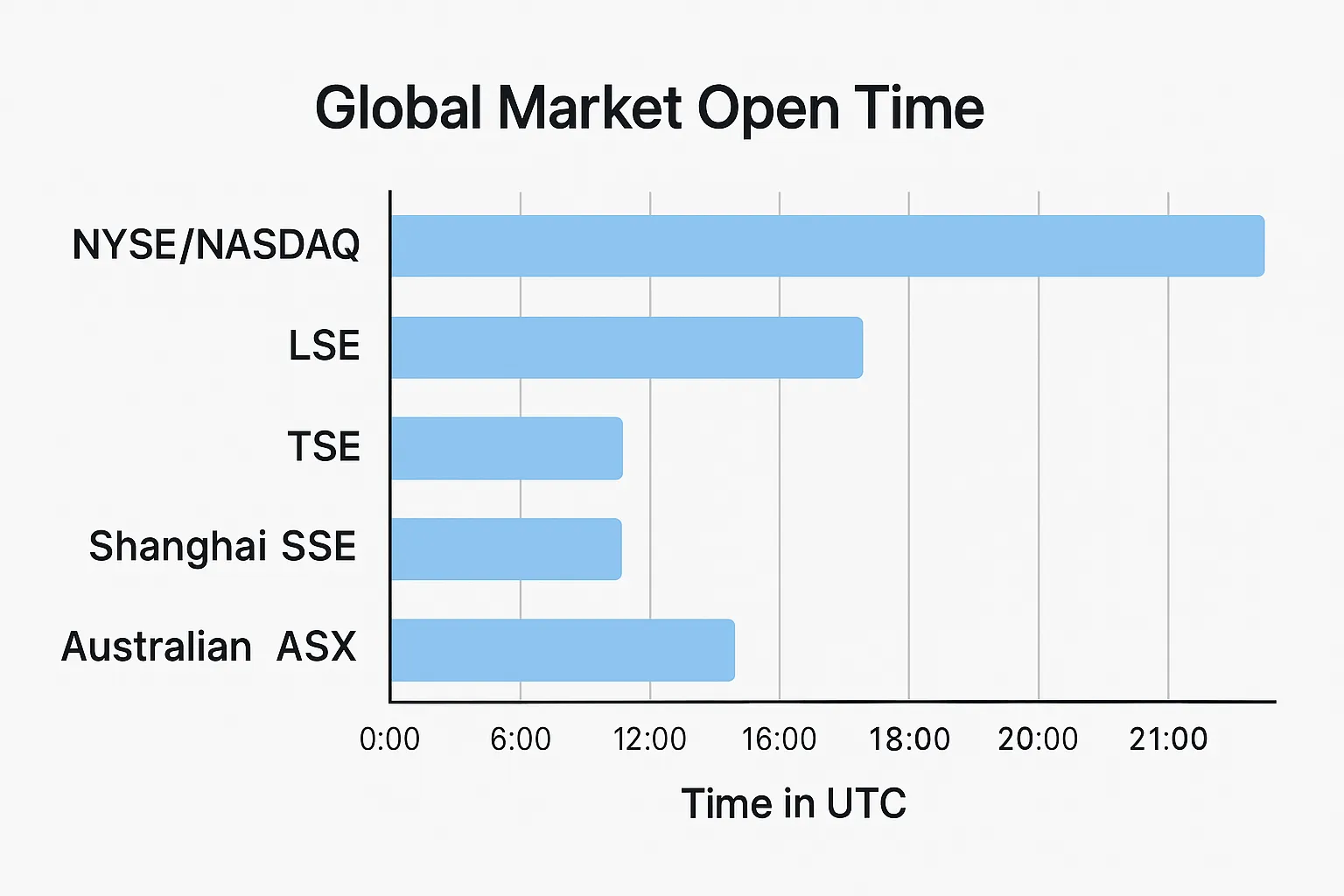
While Nasdaq is a U.S. exchange, it doesn’t operate in a vacuum. Major economic news or market movements in Asia or Europe can significantly influence the Nasdaq’s opening. For example, a strong rally in Asian markets overnight might set a positive tone for U.S. futures and eventually the Nasdaq open. Conversely, a major economic downturn in Europe could spark a sell-off in U.S. pre-market trading. Savvy investors often monitor key international indices and financial news from around the globe to gain insights into potential movements on the Nasdaq. This global perspective is particularly relevant in our interconnected financial world.
The Evolution of Market Accessibility and Technology
The current structure of Nasdaq trading hours, including extended sessions, is a direct result of technological advancements and the continuous push for greater market accessibility.
From Trading Pits to Electronic Platforms
Historically, stock trading was a highly centralized, floor-based activity with strict hours dictated by human traders. The Nasdaq, founded in 1971, was a pioneer as the world’s first electronic stock market, eliminating the need for a physical trading floor. This innovation laid the groundwork for the 24/7 financial landscape we see evolving today. Electronic trading systems allow for immediate order matching and execution, fundamentally altering how and when trading can occur.
Technology’s Role in Extended Hours Trading
The rise of high-speed internet, sophisticated algorithms, and advanced trading platforms has made extended-hours trading more accessible to the average investor. While once primarily the domain of institutional traders, many retail brokers now offer pre-market and after-hours trading capabilities. This democratization of access, driven by technology, allows investors greater flexibility to react to breaking news and manage their portfolios outside traditional hours. However, it also demands a deeper understanding of the inherent risks associated with lower liquidity and increased volatility in these periods.
The Future of 24/7 Trading?
The discussion around “24/7 trading” is growing, fueled by the always-on nature of cryptocurrencies and global markets. While a true 24/7 stock market is not yet a reality for major exchanges like the Nasdaq, the trend towards longer trading hours and greater integration of global markets is undeniable. Advances in blockchain technology and decentralized finance (DeFi) could further push the boundaries of traditional market structures. For investors, this potential future suggests a need for continuous adaptation and an even more refined understanding of global economic cycles and market dynamics. The current extended hours trading on the Nasdaq is perhaps a stepping stone towards this more interconnected and continuous financial world.
In conclusion, knowing when the Nasdaq Stock Market opens, closes, and operates during extended hours is fundamental for any serious investor. It underpins strategic decision-making, risk management, and the ability to capitalize on or mitigate the impact of market-moving events. While the core trading session remains paramount, understanding the full spectrum of trading opportunities and challenges, including extended hours and holiday schedules, empowers investors to navigate the complexities of the financial markets with greater confidence and insight. Staying informed and adaptable is key to success in the ever-evolving landscape of global finance.
aViewFromTheCave is a participant in the Amazon Services LLC Associates Program, an affiliate advertising program designed to provide a means for sites to earn advertising fees by advertising and linking to Amazon.com. Amazon, the Amazon logo, AmazonSupply, and the AmazonSupply logo are trademarks of Amazon.com, Inc. or its affiliates. As an Amazon Associate we earn affiliate commissions from qualifying purchases.