
For investors, traders, and anyone with a stake in the global financial system, understanding the precise operating hours of stock markets is more than just a matter of curiosity—it’s a critical component of strategic decision-making. The stock market, often perceived as a relentless engine of wealth creation and destruction, does indeed have a beginning and an end to its trading day. Knowing these times, especially the closing bell, is fundamental to executing trades, managing risk, and interpreting market movements. While the answer might seem straightforward at first glance, a deeper dive reveals nuances involving time zones, market holidays, extended-hours trading, and the interconnectedness of global finance.
This article will demystify stock market closing times, focusing primarily on the major U.S. exchanges, but also providing a broader context for the astute investor. We’ll explore why these hours are structured the way they are, their implications for various types of investors, and how to stay informed in a world where financial activity never truly sleeps.
The Standard Operating Hours of Major US Stock Exchanges
The heart of American equity trading beats within two primary exchanges: the New York Stock Exchange (NYSE) and the Nasdaq Stock Market. While they operate on different technological infrastructures and cater to somewhat different company profiles, their standard trading hours are synchronized, providing a uniform landscape for most investors.
NYSE and Nasdaq: The Core Trading Window
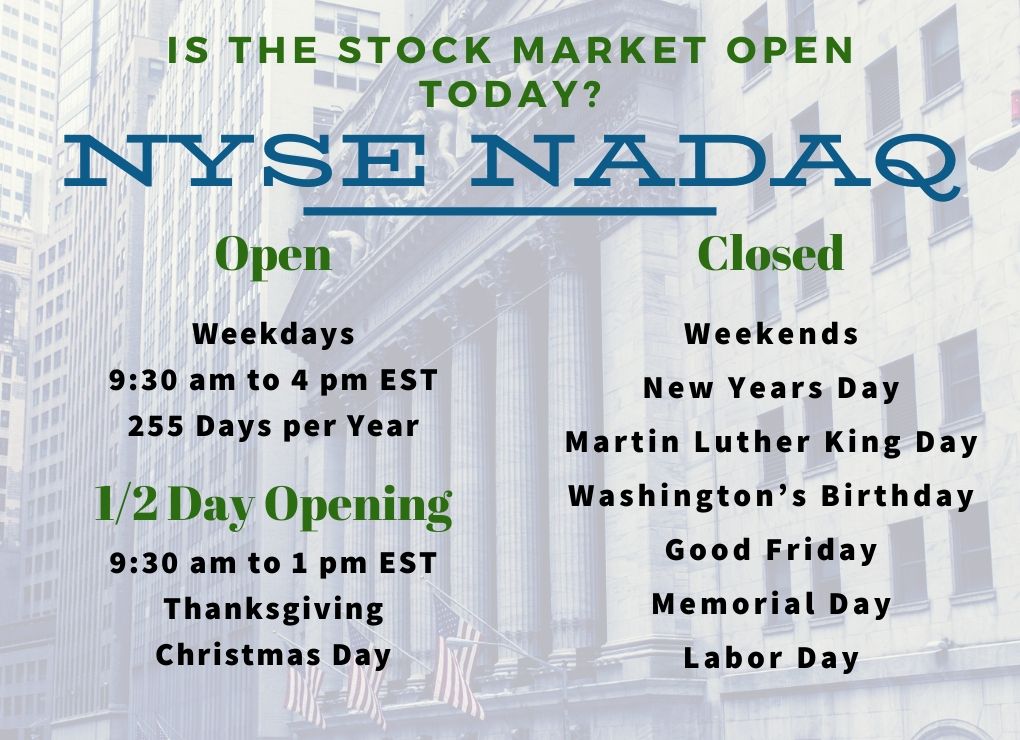
For both the NYSE and Nasdaq, the standard trading day begins at 9:30 AM Eastern Time (ET) and concludes at 4:00 PM Eastern Time (ET). This six-and-a-half-hour window is known as the “regular trading session” or “core trading hours.” During this period, the vast majority of trades occur, liquidity is highest, and market makers actively facilitate transactions, leading to tighter bid-ask spreads.
The opening and closing bells are more than just ceremonial. The opening bell often marks a period of heightened volatility as overnight news and pre-market trading activity are absorbed into the broader market. Similarly, the closing bell can be a significant moment, with institutional investors often executing large orders (known as “market-on-close” orders) to adjust their portfolios or meet specific valuation targets, potentially leading to increased trading volume and price movements in the final minutes.
Understanding Time Zones and Their Impact
The “Eastern Time” designation is crucial. For investors situated outside the Eastern Time Zone, it’s essential to convert these hours to their local time. For example:
- In the Central Time Zone, the market operates from 8:30 AM to 3:00 PM CT.
- In the Mountain Time Zone, it’s 7:30 AM to 2:00 PM MT.
- In the Pacific Time Zone, it’s 6:30 AM to 1:00 PM PT.
Failing to account for time zones can lead to missed opportunities or unintended trade executions, especially for time-sensitive strategies. Most online brokerage platforms automatically display market hours in the user’s local time, but it’s always wise to double-check, particularly when traveling or dealing with international markets.
Early Closures and Market Holidays: Exceptions to the Rule
While the 9:30 AM to 4:00 PM ET schedule is the norm, it’s by no means absolute. Stock markets observe a number of holidays throughout the year, during which they remain entirely closed. These typically align with federal holidays in the U.S., such as New Year’s Day, Martin Luther King, Jr. Day, Presidents’ Day, Good Friday, Memorial Day, Juneteenth, Independence Day, Labor Day, Thanksgiving Day, and Christmas Day. It’s important to note that if a holiday falls on a weekend, the market closure may be observed on the preceding Friday or following Monday.
In addition to full closures, there are instances of early market closures. These usually occur on days preceding or following a major holiday, such as the day after Thanksgiving (Black Friday) or Christmas Eve. On these days, the market might close at 1:00 PM ET, significantly shortening the trading window. Investors must remain vigilant and consult official exchange calendars or their brokerage platforms for the precise schedule, as these changes directly impact trading liquidity and strategic planning.
Beyond Standard Hours: After-Hours and Pre-Market Trading
The concept of the stock market “closing” strictly applies to the regular trading session. However, the advent of electronic trading platforms has blurred these lines considerably, introducing extended-hours trading that allows activity to occur both before the market opens and after it closes.
The Mechanics of Extended-Hours Trading
Pre-market trading typically begins as early as 4:00 AM ET and runs until the market opens at 9:30 AM ET. After-hours trading commences immediately after the regular session ends at 4:00 PM ET and can extend as late as 8:00 PM ET. These sessions are facilitated by Electronic Communication Networks (ECNs) rather than the traditional exchange floor or market makers of the core hours.
During extended hours, trades are primarily executed through limit orders, meaning an investor specifies the exact price at which they are willing to buy or sell. Market orders (which instruct to buy or sell immediately at the best available price) are generally not recommended due to the significant differences in liquidity and volatility.
Advantages and Disadvantages for Investors
Extended-hours trading offers several advantages:
- Reaction to News: Investors can react immediately to news released outside of regular market hours (e.g., earnings reports, economic data, geopolitical events) without having to wait for the next trading day.
- Flexibility: It provides greater flexibility for individuals whose schedules don’t align with regular market hours.
- Price Discovery: It allows for some early price discovery, potentially signaling how the market might open.
However, it also comes with notable disadvantages:
- Lower Liquidity: Significantly fewer participants mean lower trading volume. This can lead to wider bid-ask spreads, making it more expensive to execute trades and potentially causing larger price swings on smaller volumes.
- Higher Volatility: Thin liquidity can exacerbate price volatility, as large orders can have a disproportionate impact on stock prices.
- Limited Order Types: As mentioned, primarily limit orders are effective, reducing strategic flexibility.
- Professional Dominance: These sessions are often dominated by institutional investors and professional traders who have access to advanced tools and information, potentially disadvantaging retail investors.
When Does After-Hours Trading Officially End?
While pre-market trading can start at 4:00 AM ET, and after-hours trading can extend until 8:00 PM ET, it’s crucial to understand that liquidity dwindles significantly towards the fringes of these windows. Most substantial extended-hours activity tends to occur in the few hours immediately before the open and after the close of the regular session. The official “end” of the trading day, for practical purposes, is often considered the close of after-hours trading at 8:00 PM ET, at which point virtually all market participants have ceased activity until the next pre-market session.
Why Market Closing Times Matter to Investors
The precise timing of market close is far more than an administrative detail; it has profound implications for portfolio management, risk assessment, and trading strategies. Understanding these dynamics is essential for informed investing.
Impact on Order Execution and Volatility
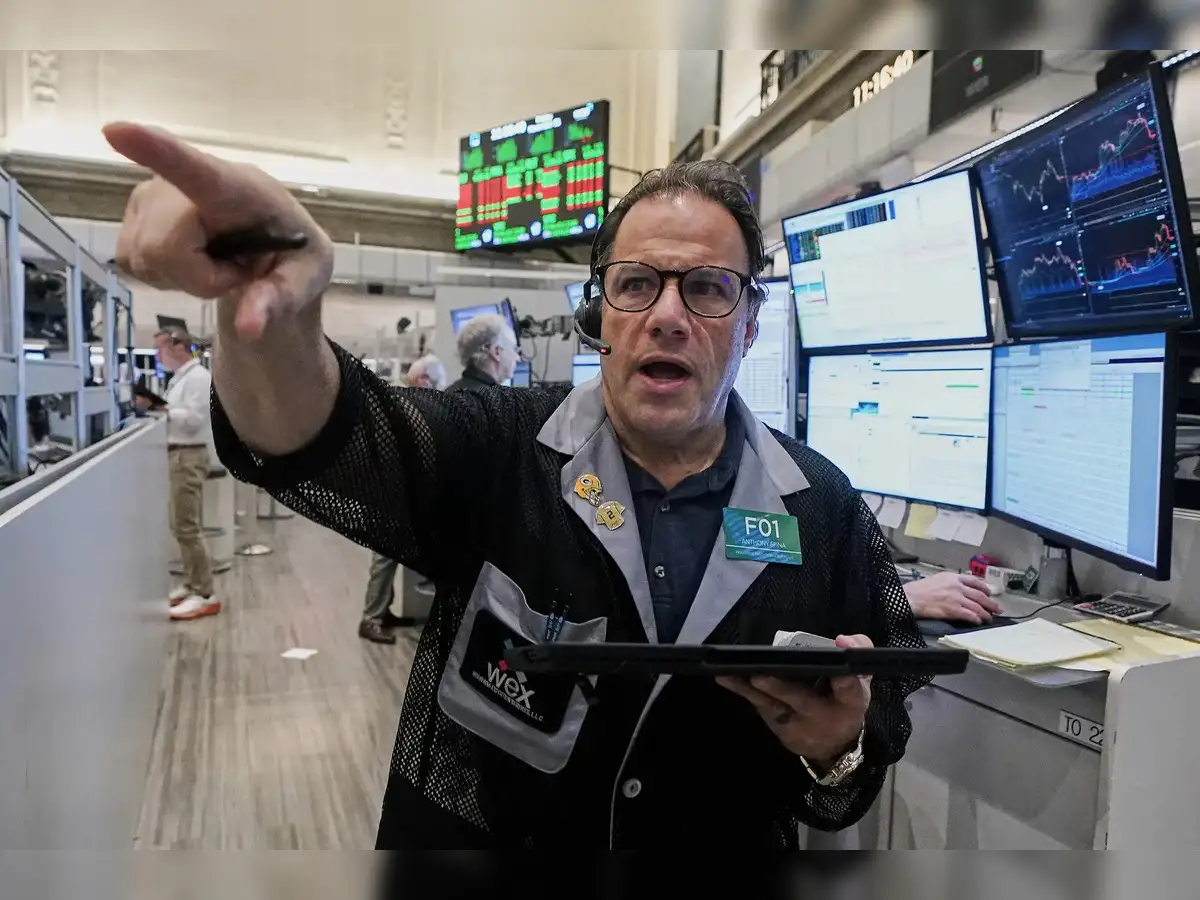
The end of the trading day can be a period of heightened activity and volatility. Institutional investors often use the closing hours to execute large block trades, adjust their daily positions, or rebalance portfolios to match specific benchmarks. This influx of orders, particularly in the final 10-30 minutes, can lead to significant price movements.
For retail investors, understanding this phenomenon is critical. Placing a market order just before the close could result in an unexpected execution price if the market experiences a sudden surge or dip. Conversely, sophisticated traders might attempt to capitalize on these late-day movements. The closing price itself is often considered a key reference point for daily performance, technical analysis, and the calculation of various financial metrics.
The Role of Closing Prices in Valuation
The official closing price of a stock on a given day is a crucial data point used across the financial industry. It’s the price used to calculate daily returns, determine portfolio valuations, and settle futures and options contracts. Asset managers use it to report daily net asset values (NAVs) for mutual funds and exchange-traded funds (ETFs). Analysts rely on it for technical analysis, drawing charts, and identifying trends.
An understanding of how closing prices are determined and their significance can inform an investor’s strategy. For instance, some investors may prefer to execute trades well before the final minutes to avoid potential volatility, while others may target the close for specific strategic reasons, such as “window dressing” in fund management.
Strategic Considerations for Day Traders and Long-Term Investors
For day traders, who aim to profit from intra-day price movements, the market’s opening and closing hours define their entire operational window. They must be acutely aware of volatility spikes at the open and close and manage their positions accordingly, often aiming to exit all trades before the closing bell to avoid overnight risk.
For long-term investors, while daily closing times might seem less immediately critical, they still matter. News released after market close can significantly impact stock prices the next day, leading to “gaps” at the open. Understanding extended-hours trading provides an opportunity to react to significant news or adjust positions, though caution due to lower liquidity is always advised. Furthermore, long-term investors still rely on closing prices for evaluating the long-term performance of their holdings and making informed decisions about portfolio adjustments over time.
Global Perspectives on Market Hours
While our focus has been on the U.S. markets, it’s important to remember that financial markets operate globally, forming a continuous cycle of trading activity that shifts across time zones.
A Glimpse at International Exchange Schedules
When the New York markets close, other major financial centers are already in full swing or just beginning their day. For example:
- London Stock Exchange (LSE): 8:00 AM to 4:30 PM GMT (or BST in summer).
- Tokyo Stock Exchange (TSE): 9:00 AM to 3:00 PM JST (with a lunch break from 11:30 AM to 12:30 PM).
- Shanghai Stock Exchange (SSE): 9:30 AM to 3:00 PM CST (also with a lunch break).
- Euronext (Paris, Amsterdam, Brussels, Lisbon): 9:00 AM to 5:30 PM CET (or CEST in summer).
This global staggered schedule means that while a specific market has its “closing bell,” global financial news and economic data continue to flow, impacting sentiment and potentially influencing how a market opens the following day.
The Interconnectedness of Global Markets
The adage “markets never sleep” is largely true when considering the global financial ecosystem. Events in Asia can affect European markets, which in turn influence American markets. For instance, a major economic announcement from China or a policy decision by the European Central Bank can ripple across continents, even if the primary U.S. markets are closed.
This interconnectedness underscores the need for investors to maintain a global perspective. While you might only trade during U.S. hours, being aware of what’s happening in other parts of the world can provide valuable context and foresight for when your preferred market reopens.
Staying Informed Across Time Zones
For investors with international holdings or those who simply wish to be globally informed, tracking multiple market schedules and news cycles is crucial. Utilizing financial news services that provide real-time updates and global market summaries can help bridge the geographical gaps. Setting up alerts for key economic indicators or company news in different regions can also be a valuable strategy.
Tools and Resources for Tracking Market Hours
In today’s digital age, staying informed about market hours and related financial news has never been easier. A plethora of tools and resources are available to help investors navigate the complexities of trading schedules.
Financial News Outlets and Data Providers
Reputable financial news websites (e.g., Wall Street Journal, Bloomberg, Reuters, CNBC, Yahoo Finance) are invaluable resources. They typically publish daily market summaries, provide calendars for market holidays and early closures, and often feature real-time clocks showing the current status of major global markets. Data providers like FactSet or Refinitiv offer even more granular details, though these are often geared towards professional users. Most of these platforms will clearly state if a market is closed for the day or if an early close is in effect.
Brokerage Platforms and Mobile Apps
Your online brokerage platform is arguably your most direct and reliable source for market hours relevant to your trading. Most platforms clearly display the current market status (open, closed, pre-market, after-hours) and will often provide pop-up alerts or notifications regarding upcoming holiday closures or early trading sessions. Many brokerages also offer mobile apps that provide this information on the go, ensuring you’re always aware of when you can execute trades. Always check your specific brokerage’s communications for definitive information.
Setting Up Alerts and Notifications
To avoid missing critical market events or being caught off guard by an early close, consider setting up alerts. Many financial apps and brokerage platforms allow you to customize notifications for market openings, closings, news releases, and even specific stock price movements. Integrating these alerts into your daily routine can significantly enhance your ability to stay informed and react promptly to market conditions, regardless of where you are.
In conclusion, understanding “what time is the stock market close today” is far more nuanced than a simple clock-watching exercise. It encompasses standard hours, time zone conversions, holiday exceptions, and the intricate world of extended-hours trading. For every investor, from the day trader to the long-term holder, a solid grasp of market timing is a foundational element for informed decision-making, effective risk management, and ultimately, success in the dynamic world of finance. Always stay informed, consult reliable sources, and factor market hours into your investment strategy.
aViewFromTheCave is a participant in the Amazon Services LLC Associates Program, an affiliate advertising program designed to provide a means for sites to earn advertising fees by advertising and linking to Amazon.com. Amazon, the Amazon logo, AmazonSupply, and the AmazonSupply logo are trademarks of Amazon.com, Inc. or its affiliates. As an Amazon Associate we earn affiliate commissions from qualifying purchases.