
Understanding the precise hours of stock market operation is fundamental for anyone participating in the financial markets, from seasoned day traders to long-term investors. The stock market, a complex ecosystem where company shares are bought and sold, operates under specific schedules that can significantly influence trading strategies, investment decisions, and even the daily rhythm of global finance. Knowing when the market opens and closes is not merely a matter of trivia; it’s a critical piece of information that dictates when transactions can occur, when news impacts prices most directly, and when market participants need to be most vigilant. This article delves into the standard market hours, explores extended trading sessions, touches upon international market schedules, and examines the strategic implications of market timing for your financial endeavors.
Understanding Standard Market Hours
The core of stock market activity revolves around its standard operating hours. In the United States, the primary stock exchanges—the New York Stock Exchange (NYSE) and the Nasdaq Stock Market—adhere to a consistent schedule that has become the benchmark for financial professionals worldwide.
Major U.S. Stock Exchanges: NYSE and Nasdaq
For the vast majority of investors, the “stock market open” refers to the precise moment when the NYSE and Nasdaq begin their regular trading sessions. These exchanges, which facilitate the buying and selling of shares for thousands of public companies, operate from 9:30 AM Eastern Time (ET) to 4:00 PM ET, Monday through Friday. This six-and-a-half-hour window is when the highest volume of trading occurs, liquidity is typically at its peak, and most financial news and corporate announcements are digested and reflected in stock prices.
The opening bell ceremony on the NYSE, a centuries-old tradition, symbolizes the official start of the trading day, often rung by executives of listed companies or notable public figures. Similarly, Nasdaq, a predominantly electronic exchange, marks its opening with a digital bell or countdown. Both events signal a period of intense activity, where pending orders from overnight are executed, and new information begins to drive price movements. The closing bell at 4:00 PM ET signifies the end of the regular session, though trading doesn’t entirely cease, as we’ll discuss later.
Weekends and Holidays: When the Markets Rest
While the global financial system often feels like it never sleeps, major stock markets do observe breaks. Both the NYSE and Nasdaq are closed on weekends (Saturdays and Sundays). This provides a necessary pause for market participants to analyze the week’s events, prepare for the next, and for companies to disseminate information outside of trading hours without immediate market reaction.
In addition to weekends, U.S. stock markets also close for a number of federal holidays. These holidays are generally recognized to align with national observances, providing a shared day off for market personnel and the broader financial community. Common market holidays include:
- New Year’s Day
- Martin Luther King, Jr. Day
- Presidents’ Day
- Good Friday
- Memorial Day
- Juneteenth National Independence Day
- Independence Day
- Labor Day
- Thanksgiving Day
- Christmas Day
It’s important for investors to note these holidays as they can impact trade settlement times and investment strategies. Sometimes, markets may also close early on days preceding or following a major holiday, or for unexpected events, though these are rare.
Beyond Standard Hours: Pre-Market and After-Hours Trading
The concept of a fixed 9:30 AM to 4:00 PM trading window, while largely true for regular investors, doesn’t tell the whole story. For certain market participants, trading extends significantly beyond these boundaries through what are known as pre-market and after-hours sessions. These extended hours offer opportunities and present unique challenges.
Pre-Market Trading
Pre-market trading refers to the period before the official market open. Typically, this session runs from as early as 4:00 AM ET to 9:30 AM ET. During this time, investors can place buy and sell orders that are matched and executed through Electronic Communication Networks (ECNs) rather than through the primary exchange mechanisms.
Who uses it and why? Pre-market trading is often utilized by institutional investors, professional traders, and sophisticated retail investors who wish to react quickly to news that breaks before the market opens. This could include earnings reports released overnight, major economic data announcements, or global market developments that occurred while U.S. markets were closed. The ability to trade early can allow for strategic positioning or risk management ahead of the regular session’s potentially higher volatility.
After-Hours Trading
Conversely, after-hours trading takes place once the regular 4:00 PM ET closing bell has rung, typically extending until 8:00 PM ET. Like pre-market trading, this session utilizes ECNs and allows market participants to react to news that emerges after the close of standard trading.
Who uses it and why? After-hours trading is often driven by corporate announcements, such as quarterly earnings calls, guidance revisions, or merger and acquisition news, which are frequently released after market close to allow investors time to digest the information without immediate, panicked reactions. It provides an avenue for investors to adjust their portfolios or capitalize on perceived opportunities before the next trading day begins.
Key Considerations for Extended-Hours Trading
While pre-market and after-hours trading offer flexibility, they come with significant caveats:
- Liquidity: Extended hours typically have much lower trading volume compared to regular hours. This means there are fewer buyers and sellers, which can make it harder to execute trades at desired prices. Large orders can significantly impact prices due to this reduced liquidity.
- Volatility: Lower liquidity often translates to higher price volatility. Spreads (the difference between the bid and ask price) can be wider, and stock prices can swing more dramatically on relatively small volumes.
- Accessibility: Not all brokers offer access to extended-hours trading, and those that do may have specific rules or limitations. Investors usually need to explicitly choose to place “extended-hours” orders, as standard market orders typically only execute during regular hours.
- Information Asymmetry: Professional traders and institutional investors often have faster access to breaking news and more sophisticated tools to analyze it, potentially putting individual retail investors at a disadvantage during these less transparent sessions.
For most casual or long-term investors, participating in extended-hours trading might not be necessary or advisable due to these risks. However, understanding that these sessions exist is crucial for comprehending how stock prices might move dramatically before or after the regular trading day.
International Stock Markets and Time Zones
The world of finance is interconnected, operating across multiple time zones and national borders. While the U.S. market hours are a key reference, investors with international exposure or a global perspective need to be aware of how other major markets operate. The continuous cycle of global trading ensures that economic events and corporate news in one part of the world can impact markets elsewhere, even when they are officially closed.
Global Market Operations
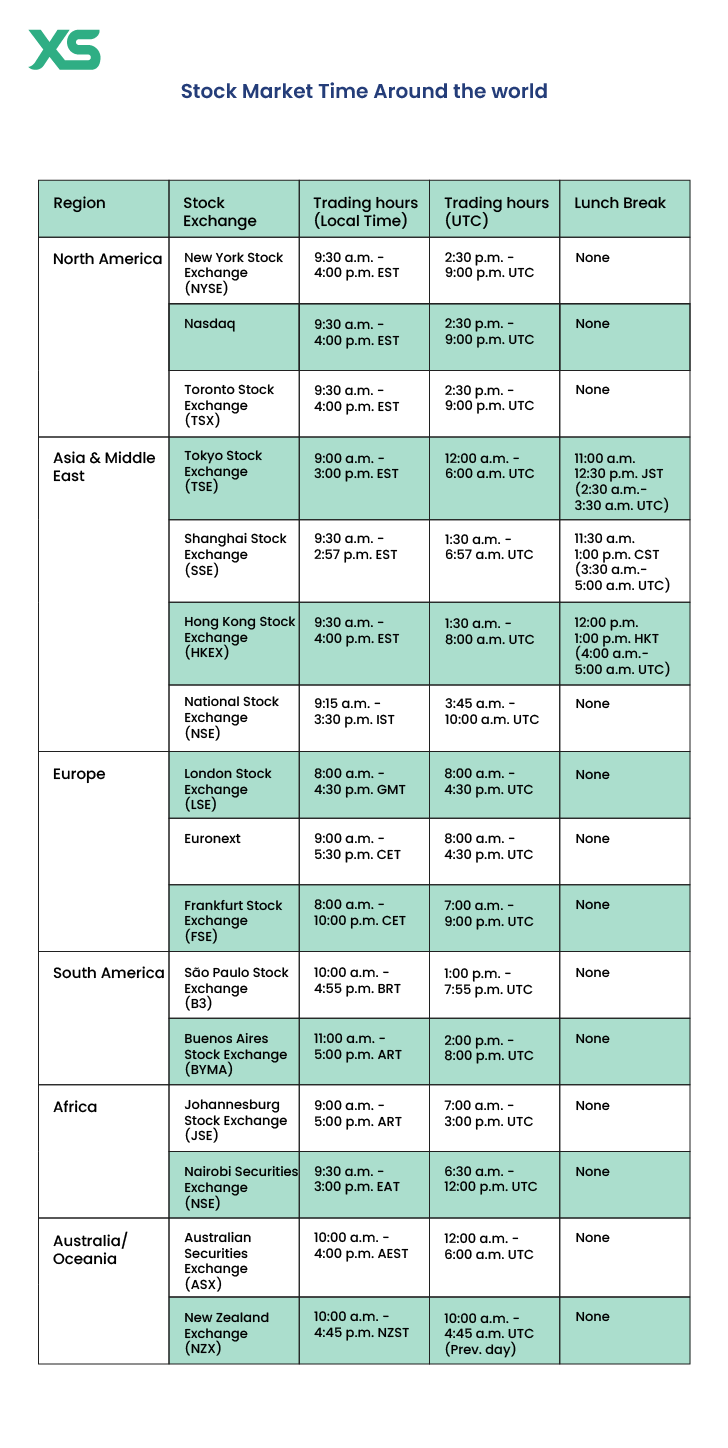
Major stock exchanges around the globe each have their own specific opening and closing times, typically aligning with their local business hours. This creates a staggered, nearly 24-hour cycle of trading activity across the world.
- Asia: Markets in Asia often kick off the global trading day. For example, the Tokyo Stock Exchange (TSE) generally operates from 9:00 AM to 3:00 PM Japan Standard Time (JST), with a lunch break. The Shanghai Stock Exchange (SSE) and Hong Kong Stock Exchange (HKEX) follow similar patterns. News emerging from these markets can influence sentiment as European markets prepare to open.
- Europe: As Asian markets close, European markets begin their day. The London Stock Exchange (LSE) is a major hub, trading from 8:00 AM to 4:30 PM Greenwich Mean Time (GMT). Other significant European exchanges like the Euronext (Paris, Amsterdam, Brussels, Lisbon) and the Frankfurt Stock Exchange (XETRA) operate during similar local business hours.
- North America: After Europe, the focus shifts to North America, with U.S. and Canadian markets opening. The U.S. market, as detailed, runs from 9:30 AM to 4:00 PM ET, concluding the main cycle before Asian markets prepare to open again.

Impact of Time Zones on Global Trading
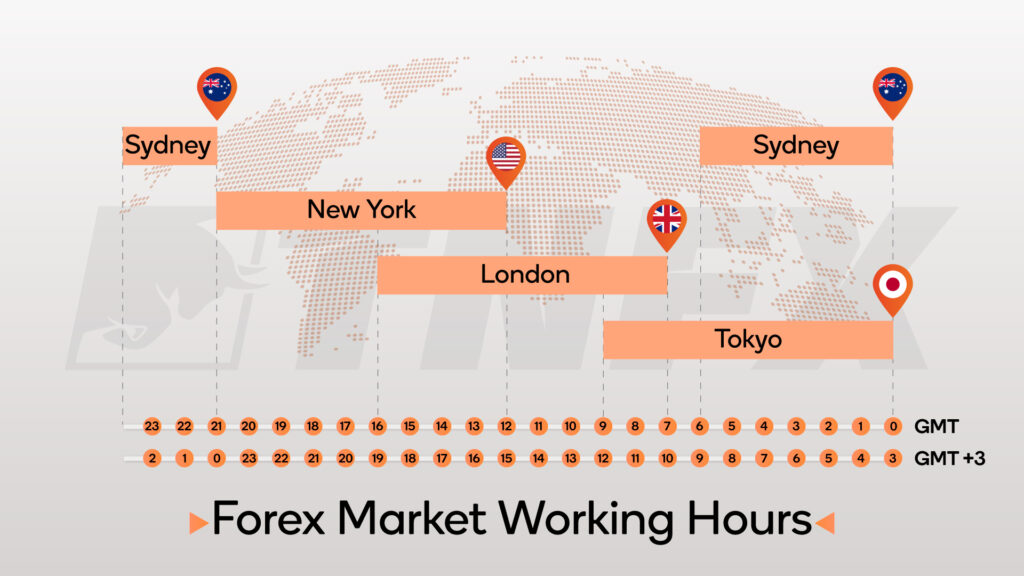
The existence of distinct trading hours in different time zones means that there is a constant ebb and flow of market activity. An event that occurs during U.S. market hours will be reacted to immediately by U.S. investors, but its full impact might not be seen in Asian or European markets until they open. Conversely, major economic data released in China overnight can set the tone for the European and then the U.S. open.
This continuous financial cycle highlights:
- Information Transmission: News and events are rapidly priced into various markets as they open, creating a ripple effect across continents.
- Arbitrage Opportunities: Professional traders might look for discrepancies in asset prices across different exchanges that open at different times, though these opportunities are often fleeting.
- Portfolio Diversification: For investors with internationally diversified portfolios, understanding the operating hours of various markets is essential for monitoring and managing risk across different geographies.
The nearly 24/5 operation of global markets underscores the interconnectedness of the modern financial system, making it crucial for global investors to be aware of the different rhythms of market activity.
Factors Influencing Market Hours and Closures
While the 9:30 AM to 4:00 PM ET schedule is standard for U.S. stock markets, it’s not absolutely immutable. Several factors can lead to deviations from this regular pattern, which investors must be aware of to avoid missed opportunities or unexpected delays in their trading activities.
Market Holidays
As previously mentioned, U.S. stock markets close entirely for a number of federal holidays. These full-day closures are planned well in advance and published by the exchanges. Investors should mark these dates on their calendars to anticipate periods when trading will not be possible. These holidays are critical not just for recognizing non-trading days but also for understanding how they might affect the timing of corporate announcements or economic data releases, which are often scheduled around these breaks.
Half-Day Sessions
In addition to full-day closures, the U.S. stock market occasionally operates on a shortened schedule, referred to as a “half-day session.” On these days, the market typically opens at its usual 9:30 AM ET but closes earlier, often at 1:00 PM ET. Common instances for half-day sessions include:
- The day after Thanksgiving (Black Friday)
- Christmas Eve (if it falls on a weekday)
- The day before Independence Day (if it falls on a weekday)
These shorter trading days are usually observed around major holidays to allow market participants to spend time with family while still providing a limited trading window. Although shorter, these sessions can still experience significant trading volume and volatility, especially if important news breaks.
Emergency Closures and Delays
While extremely rare, stock markets can also experience unscheduled closures or delays due to extraordinary circumstances. Historically, events such as natural disasters, major infrastructure failures, or national emergencies have led to market disruptions. The most notable recent example in the U.S. was the closure of the NYSE and Nasdaq for several days following the September 11, 2001, terrorist attacks. These closures are typically enacted to ensure the safety of personnel, maintain orderly markets, or allow the financial system to recover from unforeseen shocks. Such events underscore the fragility of even the most robust financial systems and the need for contingency planning by investors and institutions alike.
Staying informed about these potential alterations to the regular trading schedule is crucial for any investor. Exchanges and financial news outlets typically publish holiday schedules well in advance, and emergency closures are widely reported.
The Strategic Importance of Market Timing
Understanding when the stock market opens and closes goes far beyond mere logistical knowledge; it is a critical component of a well-informed investment strategy. The timing of market operations impacts everything from trade execution to the psychological dynamics of trading.
Volatility and Opportunity: The Opening and Closing Bells
The periods immediately following the opening bell and preceding the closing bell are often characterized by heightened volatility and increased trading volume.
- Market Open (9:30 AM ET): This is a period where accumulated overnight news and pending orders from pre-market sessions are digested. Investors react to economic reports, corporate earnings, and global events that occurred while the market was closed. This can lead to rapid price swings, offering both significant opportunities for quick gains and increased risks for losses. Day traders, in particular, often focus on these first few hours to capitalize on initial directional moves.
- Market Close (4:00 PM ET): The final hour of trading, often dubbed “the power hour,” can also be quite volatile. Investors might be closing out positions, adjusting portfolios based on the day’s performance, or reacting to late-breaking news. Institutional investors often place large orders near the close, which can lead to rapid price changes in the last minutes of trading.
For long-term investors, while the immediate fluctuations might seem less relevant, understanding these dynamics can influence when they place orders, choosing to avoid periods of extreme volatility for better execution prices.
Information Flow and Its Impact
The timing of information releases often correlates with market hours. Companies typically release earnings reports or significant corporate news either before the market opens (e.g., 7:00 AM ET) or after it closes (e.g., 4:30 PM ET). This allows investors time to process the information without the immediate pressure of an active trading session. However, the subsequent market open (or after-hours trading) will then serve as the first collective reaction to that news, leading to potentially significant price gaps or rapid movements.
Economic data, such as inflation reports, employment figures, or GDP growth, also have scheduled release times. These are often timed to coincide with pre-market hours (e.g., 8:30 AM ET) to give markets an opportunity to incorporate the data into prices from the very start of the trading day. Understanding these schedules is vital for investors seeking to anticipate market reactions.
Developing a Trading Strategy
Different types of investors will leverage market timing in various ways:
- Day Traders: For those who aim to profit from intra-day price movements, meticulous attention to market open, close, and the volatility within these periods is paramount. They often plan their entry and exit points around these windows.
- Swing Traders: Holding positions for a few days or weeks, swing traders might use market opening and closing patterns to identify trends or reversals, taking advantage of shifts in momentum that begin or end with the trading day.
- Long-Term Investors: While less concerned with minute-by-minute fluctuations, long-term investors can still benefit from strategic timing. For instance, placing large buy or sell orders during periods of higher liquidity (mid-day) might result in better execution prices compared to the volatile open or close. Moreover, understanding market holiday schedules helps in planning capital allocations and anticipating settlement times.
In essence, knowing when the stock market opens and closes, along with the nuances of extended hours and global markets, provides a crucial framework for making informed decisions. It allows investors to align their strategies with market rhythms, react effectively to new information, and ultimately, navigate the complex world of investing with greater confidence and insight. This foundational knowledge empowers individuals to participate more effectively in their financial journey.
aViewFromTheCave is a participant in the Amazon Services LLC Associates Program, an affiliate advertising program designed to provide a means for sites to earn advertising fees by advertising and linking to Amazon.com. Amazon, the Amazon logo, AmazonSupply, and the AmazonSupply logo are trademarks of Amazon.com, Inc. or its affiliates. As an Amazon Associate we earn affiliate commissions from qualifying purchases.