
For both seasoned investors and curious newcomers, understanding the intricate rhythm of the stock market is fundamental. While the allure of potential gains often dominates discussions, a seemingly simple question—”what time does the stock market close?”—unlocks a deeper understanding of market dynamics, investor behavior, and strategic decision-making. The answer is not merely a single time stamp but a gateway to comprehending regular trading hours, the increasingly vital world of extended trading, and the broader implications for financial strategy in a globalized, always-on economy.
The financial markets operate within defined windows, yet these windows are far more flexible and complex than they appear at first glance. From the traditional opening and closing bells to the digital pulses of pre-market and after-hours trading, each segment of the trading day presents unique opportunities and challenges. This article delves into the specifics of when the stock market officially ceases its daily operations, explores the evolving landscape of trading outside these conventional hours, and provides insights for investors looking to optimize their approach to the ebb and flow of market activity.
The Standard Bell: Regular Trading Hours Explained
At the heart of the American financial system lie two giants: the New York Stock Exchange (NYSE) and the NASDAQ Stock Market. These exchanges dictate the standard operating hours for the vast majority of publicly traded companies in the United States, setting the rhythm for daily market activity.
NYSE and NASDAQ: The Pillars of US Trading
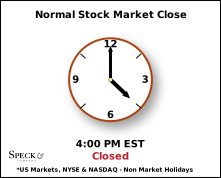
The traditional trading session for both the New York Stock Exchange (NYSE) and the NASDAQ Stock Market runs from 9:30 AM Eastern Standard Time (EST) to 4:00 PM EST. This seven-and-a-half-hour window is considered the “regular trading hours” or “cash session,” where the bulk of trading volume occurs and official closing prices are determined. During these hours, liquidity is generally at its highest, bid-ask spreads are typically tighter, and the market reflects the collective sentiment of millions of investors and institutions reacting to news, economic data, and corporate announcements.
The NYSE, with its iconic trading floor and specialist system, and NASDAQ, a fully electronic exchange known for its technology and growth stocks, both adhere to this schedule. While their operational mechanics differ, their synchronized trading hours ensure a consistent framework for market participants across the US. This standardized schedule provides a predictable environment, allowing investors to plan their trading activities, news agencies to disseminate market-moving information, and companies to release earnings reports within a generally understood timeframe.
Understanding Eastern Standard Time (EST)
The reliance on Eastern Standard Time (EST), or Eastern Daylight Time (EDT) during summer months, for US market hours is a crucial detail often overlooked by those unfamiliar with the financial calendar. Given that New York City is the epicentre of American finance, its local time zone sets the benchmark for market operations.
For investors located outside the EST zone, understanding this time difference is paramount. A 4:00 PM EST close translates to:
- 3:00 PM Central Standard Time (CST)
- 2:00 PM Mountain Standard Time (MST)
- 1:00 PM Pacific Standard Time (PST)
And even more significant adjustments for international investors. Failing to account for time zone differences can lead to missed trading opportunities, delayed reactions to market-moving events, or incorrect order placements. Financial platforms and brokers often display market hours according to the user’s local time zone, but it’s always wise to confirm and internalize the EST reference point to maintain a clear understanding of when the market is truly open or closed. This consistent time standard also facilitates synchronous global reporting and analysis, ensuring that all market participants are operating from the same temporal framework.
Beyond the Bell: Exploring Extended Trading Hours
While the 9:30 AM to 4:00 PM EST window defines regular trading, the stock market’s activity doesn’t simply cease at the sound of the closing bell. The advent of electronic trading platforms has ushered in an era of “extended trading hours,” allowing investors to buy and sell securities before the market officially opens and after it closes. These periods, known as pre-market and after-hours trading, offer flexibility but come with their own distinct characteristics and risks.
Pre-Market Trading: Setting the Stage
Pre-market trading typically occurs before the standard 9:30 AM EST opening, often starting as early as 4:00 AM EST for some brokers and electronic communication networks (ECNs). This period serves as a crucial prelude to the regular session, allowing investors to react to news released overnight or early in the morning, such as earnings reports, mergers and acquisitions, or significant macroeconomic data from international markets.
During pre-market hours, early price discovery takes place, and often, stocks with significant news catalysts can experience substantial price movements, albeit on much lower trading volume. For institutional investors and sophisticated traders, pre-market activity can offer a glimpse into the market’s likely direction at the open, helping them position their portfolios strategically. However, lower liquidity means that prices can be more volatile, and larger bid-ask spreads are common, making it potentially more challenging to execute trades at desired prices.
After-Hours Trading: Reacting to News
Conversely, after-hours trading commences immediately following the 4:00 PM EST closing bell and can extend as late as 8:00 PM EST for many platforms. This period is particularly active because many companies choose to release their quarterly earnings reports, significant corporate announcements, or breaking news events after regular market hours to avoid disrupting the main trading session.
Investors who wish to react promptly to these late-day news items can utilize after-hours trading to buy or sell shares before the next day’s opening. Similar to pre-market trading, after-hours sessions are characterized by lower liquidity and higher volatility compared to regular hours. This environment can present opportunities for quick gains or losses, as fewer participants mean that a single large order can have a disproportionate impact on a stock’s price. Consequently, while offering immediacy, after-hours trading demands a heightened awareness of market dynamics and associated risks.
The Mechanics and Platforms for Extended Trading
Extended hours trading is almost exclusively facilitated by Electronic Communication Networks (ECNs) rather than the traditional exchange floors. ECNs are automated systems that match buy and sell orders electronically, bypassing market makers. Major brokerage firms provide access to these ECNs, allowing their clients to place orders during pre-market and after-hours sessions.
It’s important to note that not all order types available during regular hours are supported in extended sessions. For instance, market orders—which execute immediately at the best available price—are generally discouraged or even disallowed during extended hours due to the risk of executing at an unfavorable price in low-liquidity environments. Instead, limit orders, which specify the maximum price an investor is willing to pay or the minimum price they are willing to accept, are strongly recommended. These orders provide better control over execution prices and help mitigate the risks associated with wider spreads and increased volatility inherent in extended trading windows. Understanding your broker’s specific rules and available order types for extended trading is crucial before engaging in these sessions.
Why Extended Hours Matter: Opportunities and Risks for Investors
Extended trading hours have fundamentally altered the landscape of investing, offering both strategic advantages and significant pitfalls. For the astute investor, these periods are not merely an extension of the trading day but distinct environments requiring a tailored approach.
Strategic Implications for Decision-Making
For many, extended hours trading is a strategic necessity. Corporate news, economic reports, and global events rarely align with the 9:30 AM to 4:00 PM EST window. When a major company announces stellar earnings or a disappointing outlook after 4:00 PM EST, investors have the immediate opportunity to react. This can be crucial for mitigating losses on a negative announcement or capitalizing on positive news before the next day’s open, when prices might already reflect the broader market’s reaction.
For day traders, pre-market and after-hours sessions can offer initial momentum plays. Significant price gaps at the open, driven by overnight news, can be anticipated and potentially traded if one has a well-defined strategy and risk management in place. Long-term investors, while less focused on intraday fluctuations, might use extended hours to adjust positions based on fundamental shifts or to execute trades when they have dedicated time outside of their regular working hours. This immediate reaction capability ensures that investors are not always beholden to the next morning’s market open, providing greater control and responsiveness to unfolding events.
Liquidity and Volatility Considerations
The primary differentiator and biggest challenge of extended trading hours are liquidity and volatility.
During regular trading hours, millions of participants contribute to a deep and liquid market. This means there are many buyers and sellers, allowing for efficient order execution with minimal impact on price.
In contrast, pre-market and after-hours sessions often see significantly lower trading volumes and fewer active participants. This reduced liquidity means:
- Wider Bid-Ask Spreads: The difference between the highest price a buyer is willing to pay (bid) and the lowest price a seller is willing to accept (ask) can be substantially wider. This directly impacts transaction costs and makes it harder to get a favorable price.
- Increased Volatility: With fewer orders in the book, a relatively small number of large trades can cause dramatic price swings. A stock could experience a 5-10% move on a few thousand shares, whereas during regular hours, it might take millions of shares to achieve a similar percentage change. This heightened volatility can lead to quick profits but also rapid, significant losses if the market moves against a position.
Investors engaging in extended hours must be acutely aware of these characteristics. Limit orders become indispensable to control execution prices, and position sizing should be adjusted to account for the increased risk profile.
Accessing Global Markets: A Brief Look
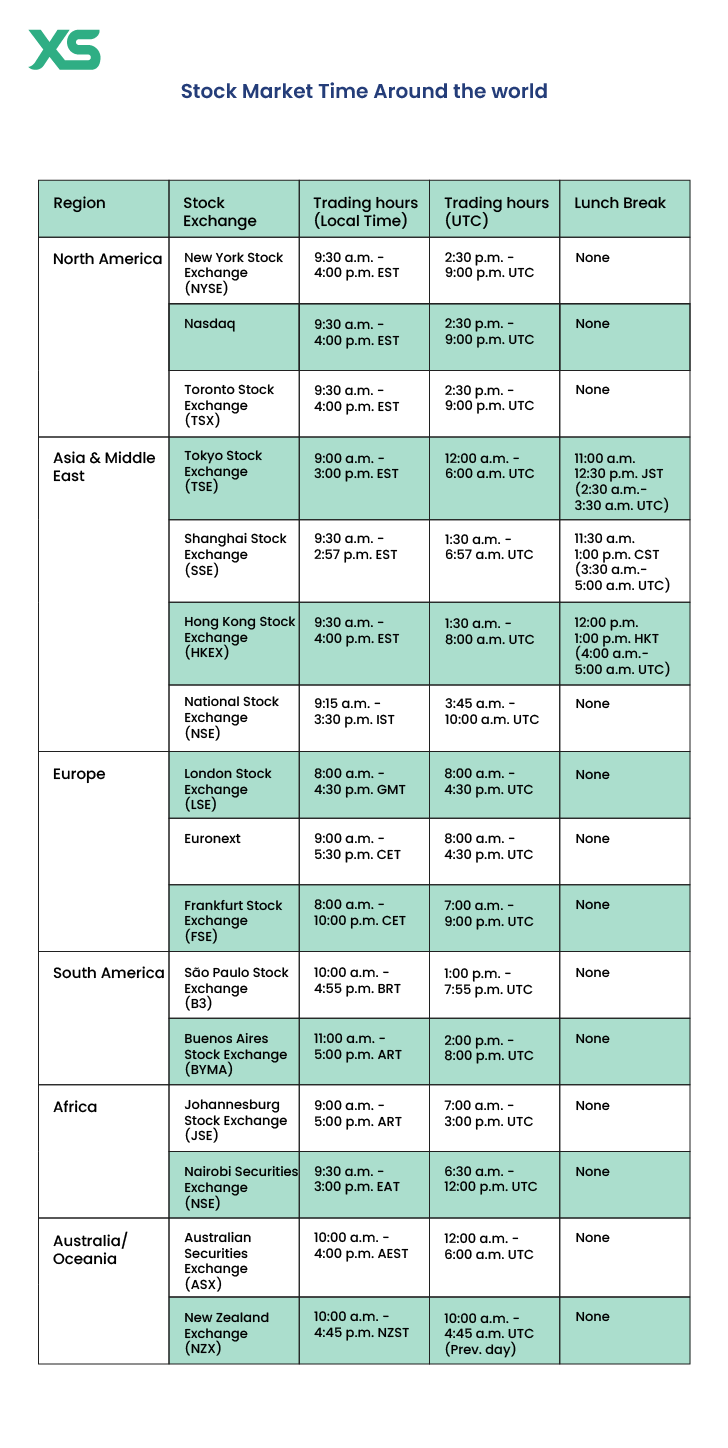
While the focus here is on US market hours, it’s worth noting that the global financial landscape offers a near 24-hour trading cycle. When the US markets close, markets in Asia (like Tokyo and Shanghai) are opening or already well into their day, followed by European markets (London, Frankfurt) later in the US night.
Sophisticated investors, particularly those trading global ETFs or multi-national stocks, leverage this continuous cycle. News from one major economic region can ripple across other markets, influencing investor sentiment and asset prices before local markets even open. While direct access to these international exchanges requires specific brokerage accounts and expertise, the knowledge of their operating hours is vital for understanding overnight market sentiment and setting expectations for the US market open. This global connectivity underscores the fact that while a local market may “close,” the financial world never truly sleeps, reinforcing the importance of being aware of broader economic and geopolitical developments around the clock.
Factors Influencing Market Closure and Operation
The standard 9:30 AM to 4:00 PM EST schedule for US stock markets, while consistent, is not entirely rigid. Various factors can influence when the market operates, from planned holidays to the ever-evolving nature of financial technology and regulation.
Market Holidays and Early Closures
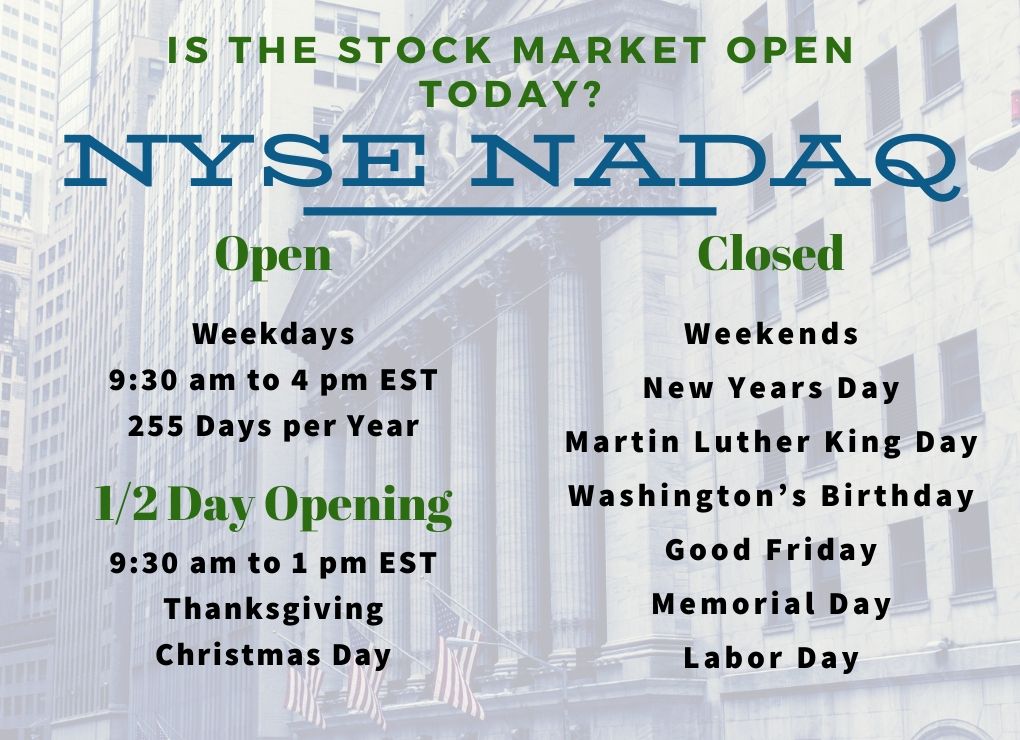
Throughout the year, the stock markets observe several holidays, during which they remain completely closed. These typically align with federal holidays in the United States. Common market holidays include:
- New Year’s Day
- Martin Luther King, Jr. Day
- Washington’s Birthday (Presidents’ Day)
- Good Friday (though not a federal holiday, observed by markets)
- Memorial Day
- Juneteenth National Independence Day
- Independence Day
- Labor Day
- Thanksgiving Day
- Christmas Day
In addition to full closures, there are instances of early closures, where the market might close at 1:00 PM EST instead of 4:00 PM EST. These often occur on days preceding or following a full market holiday, such as the day after Thanksgiving (Black Friday) or Christmas Eve. These early closures are typically announced well in advance by the exchanges, allowing investors and financial institutions to adjust their strategies. It is crucial for investors to consult the official holiday schedules published by the NYSE and NASDAQ at the beginning of each year to avoid surprises and plan their trading activities accordingly. Attempting to trade on a closed market or after an early closure is not possible, and pending orders will typically be canceled or held until the next open session.
The Role of Financial Institutions and Brokerages
While the exchanges set the official market hours, the actual experience of trading is mediated by financial institutions and brokerage firms. These entities dictate the hours during which their clients can place orders, access their accounts, and receive customer support.
- Brokerage Trading Hours: Many online brokers offer extended hours trading, often matching the earliest pre-market and latest after-hours times (e.g., 4:00 AM to 8:00 PM EST). However, some may have more restricted windows or specific rules regarding order types during these extended periods.
- Customer Service: Brokerage customer service departments typically operate during standard business hours, which may or may not fully align with the full spectrum of trading hours. If an issue arises during extended trading, support might not be immediately available.
- Settlement and Clearing: The back-end processes of trade settlement and clearing, which ensure that transactions are finalized and assets are transferred, also operate on specific schedules. These are crucial for the integrity of the financial system, even if they are invisible to the individual trader.
It’s essential for investors to understand their specific broker’s operational hours and policies, as these can vary significantly and impact their ability to execute trades or manage their accounts effectively.
The Digital Evolution: Towards 24/7 Trading?
The relentless march of technology and globalization has consistently pushed the boundaries of traditional market hours. The rise of cryptocurrencies, which trade 24/7, has demonstrated the feasibility and demand for continuous trading. While traditional stock markets are unlikely to abandon their structured hours entirely in the short term due to the complexities of regulation, settlement, and labor considerations, the trend towards longer and more accessible trading periods is undeniable.
Discussions around 24/7 trading for stocks often revolve around:
- Investor Demand: A global investor base and the desire to react immediately to worldwide news.
- Technological Feasibility: Electronic platforms already allow for near-continuous operations.
- Operational Challenges: The need for regulatory oversight, staffing, and robust systems to handle continuous settlement and market surveillance.
While a true 24/7 stock market for all securities remains a future prospect, the expansion of extended trading hours and the increasing integration of global markets indicate a clear trajectory. This evolution means that the “close” of the stock market is becoming less of a definitive end and more of a transition into a different, albeit less liquid, phase of continuous financial activity. Investors must remain adaptable and informed about these developments to stay ahead in an ever-changing market landscape.
Maximizing Your Investment Strategy Around Market Hours
Understanding when the stock market opens and closes, and the nuances of extended trading, is more than just knowing a time; it’s about developing a strategic framework that capitalizes on market opportunities while mitigating risks. Effective management of your investment strategy requires discipline, the right tools, and an appreciation for market psychology.
Developing a Disciplined Approach
The temptation to constantly monitor and react to every market fluctuation can be overwhelming, especially with the advent of extended trading hours. However, a disciplined approach is paramount for long-term success.
- Define Your Investment Goals: Are you a long-term investor, a swing trader, or a day trader? Your goals should dictate your engagement with market hours. Long-term investors may only need to check in periodically, while short-term traders require more active monitoring.
- Set Trading Hours: Even if the market is technically open, decide on your personal “trading hours.” Avoid making impulsive decisions late at night or early in the morning unless it aligns with a well-researched strategy for extended trading.
- Pre-Market Analysis: Use the pre-market session to gather information, review news, and formulate a plan for the day, rather than jumping into trades with limited liquidity.
- Post-Market Review: After the market closes, take time to review your trades, analyze market performance, and refine your strategy for the next session. This reflective period is crucial for learning and improvement.
Discipline also extends to risk management. During extended hours, the reduced liquidity and increased volatility amplify risk. Strict adherence to stop-loss orders (where appropriate) and careful position sizing are vital to protect capital against rapid, adverse price movements. Avoid emotional trading and stick to your predefined entry and exit strategies, regardless of the frenzy that can sometimes characterize extended sessions.
Utilizing Financial Tools for Real-Time Information
In today’s fast-paced financial world, access to real-time information is no longer a luxury but a necessity. Leveraging the right financial tools can significantly enhance your ability to make informed decisions around market hours.
- Real-Time Data Feeds: Subscribe to brokerage platforms or financial news services that provide real-time quotes, charts, and news feeds. Delayed data can lead to poor decision-making, especially in volatile extended hours.
- Market Scanners: Utilize market scanners that can identify stocks moving significantly in pre-market or after-hours sessions, often indicating a news catalyst. These tools help you quickly pinpoint potential opportunities or threats.
- Alerts and Notifications: Set up alerts for specific stock prices, news releases, or trading volumes. This allows you to be notified of critical developments without constantly monitoring the market, making your engagement more efficient.
- Economic Calendars: Keep a close eye on economic calendars that detail upcoming earnings reports, economic data releases, and central bank announcements. Knowing when these events are scheduled allows you to anticipate market reactions and prepare your strategy.
Many brokerage platforms offer a suite of analytical tools, charting capabilities, and news aggregators that are invaluable for understanding market sentiment and making timely decisions. Familiarize yourself with these tools and integrate them into your daily routine.
The Psychology of Market Timing
Beyond the technicalities, market timing—and by extension, understanding market hours—has a profound psychological dimension. The opening and closing bells often represent moments of heightened emotion and activity.
- Opening Bell Frenzy: The first few minutes after 9:30 AM EST can be highly volatile as accumulated overnight orders are executed and initial reactions to news unfold. This period can be exciting but also risky.
- Closing Bell Rush: Similarly, the last hour of trading often sees increased activity as institutional investors rebalance portfolios, “window dress” their holdings, or push for specific closing prices.
- Fear of Missing Out (FOMO): The ability to trade during extended hours can exacerbate FOMO, leading investors to make rash decisions based on limited information or lower liquidity. It’s crucial to resist this impulse and rely on analysis rather than emotion.
Recognizing these psychological pressures is a critical component of successful investing. Instead of letting market hours dictate your emotional state, use your understanding of these periods to your advantage. For instance, if you’re uncomfortable with high volatility, you might choose to avoid trading in the first and last 30 minutes of the regular session or in extended hours altogether. By mastering the factual knowledge of market hours and integrating it with a disciplined, tool-assisted, and psychologically aware approach, investors can navigate the complexities of the stock market more effectively and work towards their financial objectives.
aViewFromTheCave is a participant in the Amazon Services LLC Associates Program, an affiliate advertising program designed to provide a means for sites to earn advertising fees by advertising and linking to Amazon.com. Amazon, the Amazon logo, AmazonSupply, and the AmazonSupply logo are trademarks of Amazon.com, Inc. or its affiliates. As an Amazon Associate we earn affiliate commissions from qualifying purchases.