
For seasoned investors and curious newcomers alike, understanding the operational rhythm of major financial exchanges is fundamental to navigating the complex world of capital markets. Among these, the Nasdaq Stock Market stands as a beacon of technological innovation, a global electronic marketplace renowned for listing some of the world’s most dynamic growth companies, particularly in the tech and biotechnology sectors. Knowing its precise operating hours is not merely a logistical detail; it’s a critical piece of information that dictates trading strategies, risk management, and the very timing of investment decisions. This article will delve deep into the Nasdaq’s trading schedule, explore the nuances of extended hours, and explain why these timings hold significant weight for investors around the globe.
Understanding Nasdaq’s Core Trading Hours
The heart of the Nasdaq’s operations beats during its standard market session, a period characterized by maximum liquidity and active price discovery. This defined window is where the vast majority of daily trading volume occurs, making it the primary focus for most investors.
The Standard Session: Open and Close
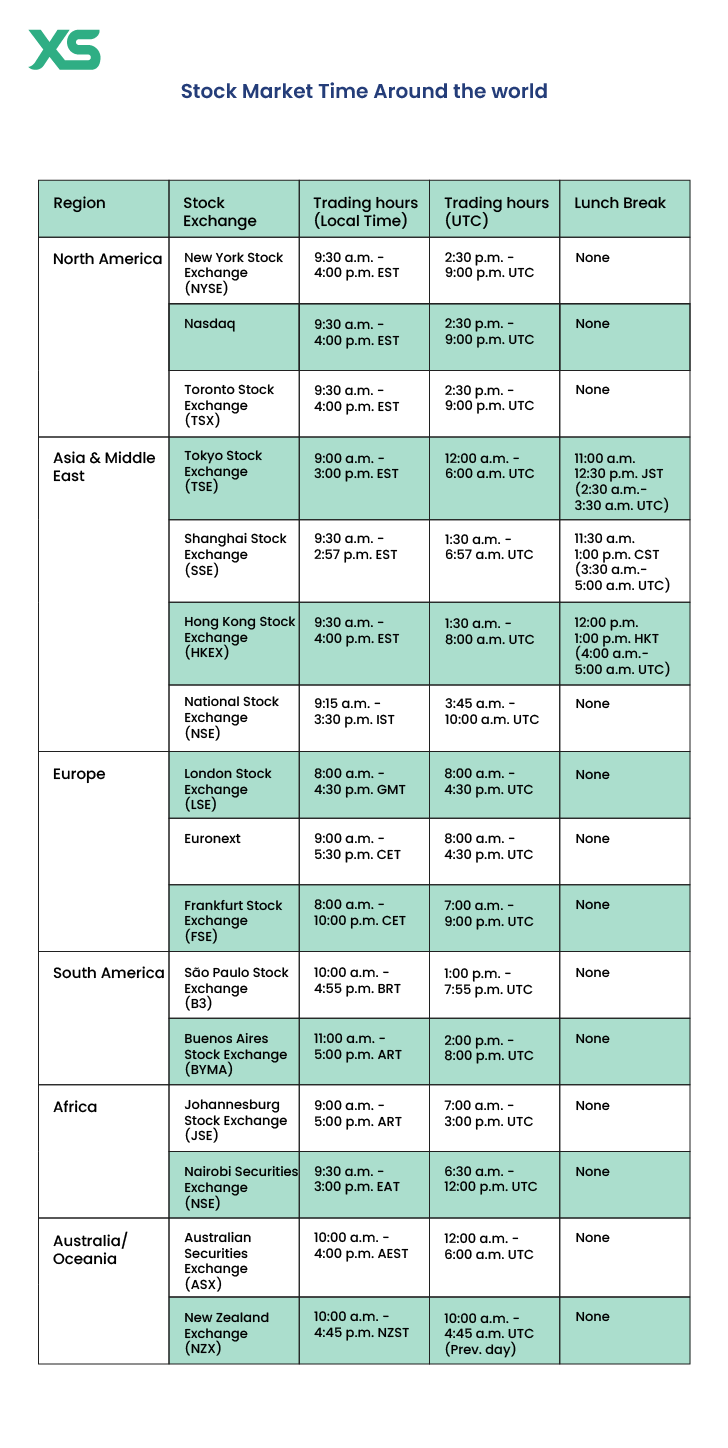
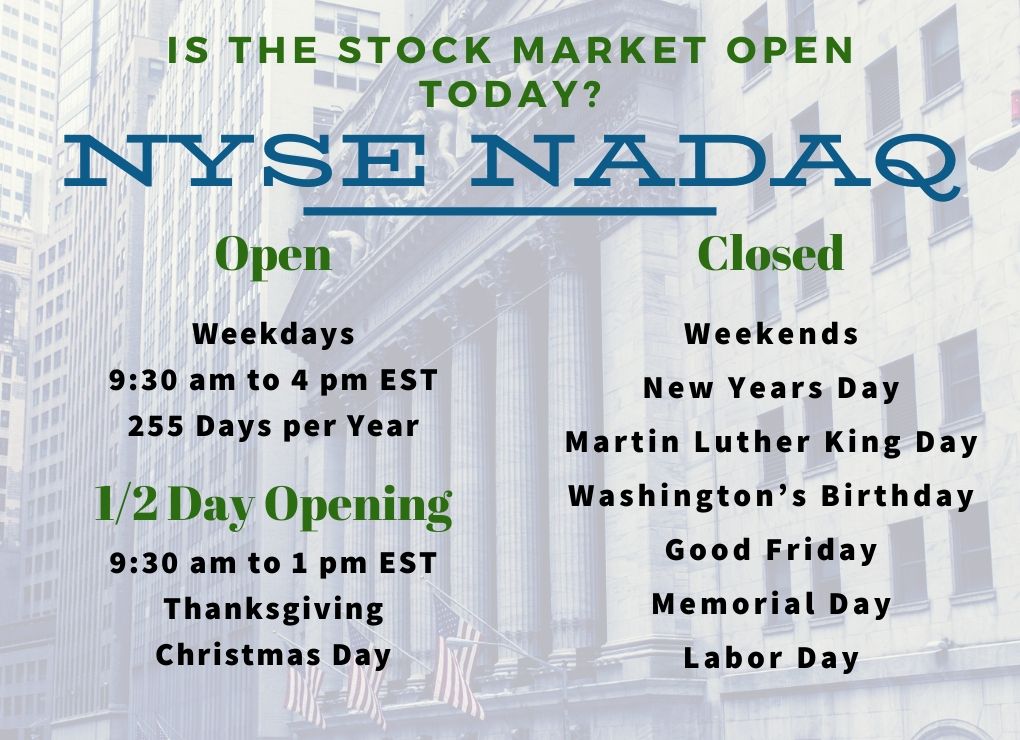
The Nasdaq Stock Market operates on Eastern Time (ET), aligning with New York City’s local clock. Its standard trading session commences at 9:30 AM ET and concludes at 4:00 PM ET, Monday through Friday. This seven-and-a-half-hour window is often referred to as “regular market hours” or “cash market hours.” During this period, buy and sell orders are matched, prices fluctuate in real-time, and a wealth of economic data, company news, and geopolitical developments are processed by market participants. The opening and closing bells are symbolic moments, often accompanied by heightened volatility as pending orders from overnight are executed and end-of-day positions are adjusted. Understanding these specific times is paramount, as order execution speed and price certainty are generally highest during this standard window due to the sheer volume of active participants. For day traders, this period is their battleground, while long-term investors also monitor these hours for significant price movements that might influence their portfolio’s value.
Weekends and Market Holidays: When the Nasdaq Rests
Just like most conventional businesses, the Nasdaq Stock Market observes weekends and a selection of federal holidays. It remains closed on Saturdays and Sundays, allowing market participants a pause from the constant ebb and flow of trading. Beyond the weekend closures, the Nasdaq also recognizes several U.S. federal holidays throughout the year. These typically include New Year’s Day, Martin Luther King, Jr. Day, Presidents’ Day, Good Friday, Memorial Day, Juneteenth National Independence Day, Independence Day, Labor Day, Thanksgiving Day, and Christmas Day. On these designated holidays, the market is entirely closed, meaning no trading occurs.
Additionally, there might be instances of early closures on certain days, such as the day after Thanksgiving (Black Friday) or on Christmas Eve, depending on how these dates fall within the week. These holiday schedules are crucial for investors to track, as they impact trading liquidity and can influence global market activity. Planning around these closures is essential for managing pending orders, settling trades, and avoiding any unforeseen delays in transaction processing. Brokerage firms typically publish their holiday schedules well in advance, ensuring investors are adequately informed.
Beyond Standard Hours: Pre-Market and After-Hours Trading
While the standard trading session defines the core operational window, the Nasdaq, like other major exchanges, also facilitates trading outside these regular hours. These extended sessions, known as pre-market and after-hours trading, offer additional flexibility but come with their own distinct characteristics and risks.
Navigating Pre-Market Opportunities
Pre-market trading typically begins much earlier than the standard 9:30 AM ET open, often as early as 4:00 AM ET, and continues until the market officially opens. This period allows investors to react to news, earnings reports, or macroeconomic data that might be released overnight or early in the morning before the regular session begins. For instance, a company might announce stellar quarterly earnings at 7:00 AM ET; pre-market trading enables investors to place orders and for the stock price to adjust well before 9:30 AM ET.
The primary appeal of pre-market trading is the opportunity to gain an early advantage, potentially capitalizing on information ahead of the broader market. However, it’s a double-edged sword. Liquidity, or the ease with which an asset can be bought or sold without affecting its price, is generally much lower during pre-market hours compared to the regular session. This reduced liquidity can lead to wider bid-ask spreads, making trades more expensive, and higher volatility, as fewer participants mean that even small orders can cause significant price swings. Consequently, it requires a keen understanding of market dynamics and a higher tolerance for risk.
Exploring After-Hours Trading
After-hours trading picks up where the regular session leaves off, extending the trading day typically from 4:00 PM ET until 8:00 PM ET. Similar to pre-market, this session provides an avenue for investors to react to news that breaks after the market close, such as late-day earnings announcements or sudden geopolitical developments. It offers a window for investors who might have missed the regular session due to time zone differences or other commitments to participate in the market.
Just like pre-market trading, after-hours sessions are characterized by lower liquidity and higher volatility. Institutional investors and professional traders often have sophisticated systems to navigate these conditions, but for individual retail investors, it can present significant challenges. Prices can be less stable, and it might be harder to execute orders at desired prices due to the limited number of buyers and sellers. While it offers flexibility, the inherent risks demand careful consideration and often necessitate using limit orders to control execution prices.
Risks and Rewards of Extended Hours Trading
The allure of extended hours trading lies in its potential for early or late price discovery and the ability to react instantaneously to breaking news. For informed and agile traders, this can translate into significant opportunities. However, the rewards are often commensurate with heightened risks.
Key Risks include:
- Lower Liquidity: Fewer participants mean it’s harder to buy or sell shares without impacting the price.
- Wider Bid-Ask Spreads: The difference between the highest price a buyer is willing to pay and the lowest price a seller is willing to accept can be substantially larger, leading to higher transaction costs.
- Increased Volatility: Small trading volumes can lead to exaggerated price movements on relatively minor news or orders.
- Price Discrepancies: The price at which a stock trades in extended hours might differ significantly from its opening price in the regular session.
- Limited Information: Real-time news and analysis might be scarcer, making it harder to make informed decisions.
Despite these risks, the rewards can be compelling for those who understand how to navigate them. It provides an advantage for reacting quickly to major announcements, especially for earnings-related plays or immediate responses to macroeconomic data. It can also be beneficial for investors in different time zones who find regular market hours inconvenient. The key is to approach extended hours trading with caution, employing strategies like using limit orders, trading only highly liquid stocks, and having a clear understanding of the underlying news driving market sentiment.
Why Trading Hours Matter to Investors
The timing of market operations isn’t just a logistical detail; it profoundly influences investment strategies, market behavior, and overall financial outcomes. For investors, understanding the rhythm of the Nasdaq is a crucial component of their financial literacy.
Impact on Liquidity and Volatility
Liquidity and volatility are two intertwined concepts heavily affected by trading hours. During the standard 9:30 AM to 4:00 PM ET session, the market experiences its peak liquidity. Millions of buyers and sellers are active, leading to tight bid-ask spreads and efficient price discovery. This high liquidity ensures that large orders can be executed without significantly moving the price of a stock, making it easier for investors to enter or exit positions at fair values.
Conversely, during pre-market and after-hours sessions, liquidity sharply diminishes. With fewer participants, it becomes more challenging to find a counterparty for a trade, leading to wider bid-ask spreads. This reduced liquidity directly contributes to increased volatility; even a relatively small order can cause a noticeable price swing because there’s less depth in the order book to absorb it. This dynamic means that trading during extended hours requires a different approach, often favoring limit orders over market orders to prevent unfavorable price executions. Long-term investors, while less concerned with minute-by-minute fluctuations, still benefit from understanding how liquidity impacts the efficiency of their larger transactions.
Strategic Considerations for Different Time Zones
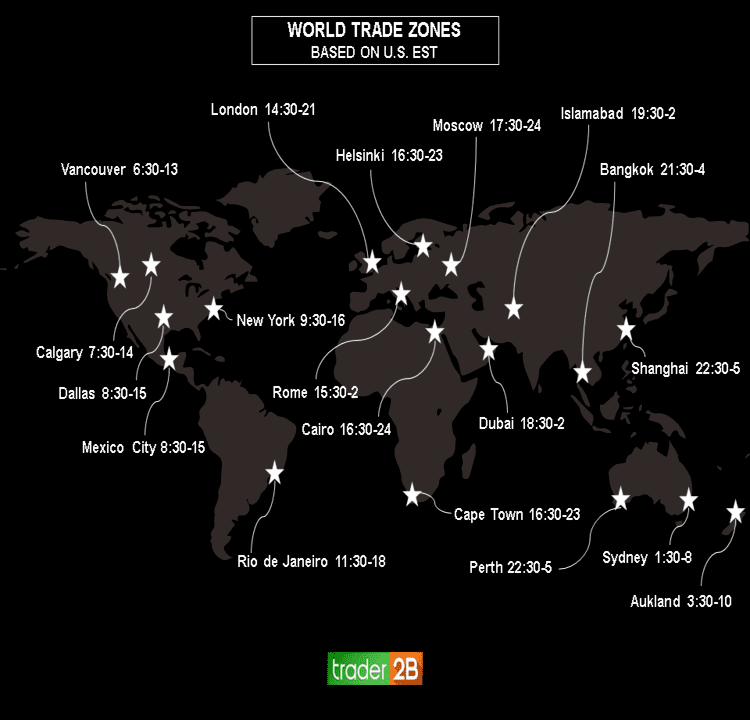
The Nasdaq’s operating hours, being based on Eastern Time, present unique challenges and opportunities for investors located in different global time zones. For those in Europe, the market opens in the early afternoon and closes in the late evening, making real-time participation feasible. However, for investors in Asia, the Nasdaq’s opening bell typically rings late at night or early in the morning, requiring a different approach.
Investors in distant time zones often rely on pre-market and after-hours trading to align their activities with their local working hours. For instance, an investor in Japan might find the after-hours session more accessible than the regular market session. Conversely, investors might need to adjust their sleep schedules or leverage automated trading tools to participate actively during core hours. The geographical dispersion of investors means that market behavior can be influenced by when different regions “wake up” to the Nasdaq. Understanding these time zone differences is critical for global portfolio management, enabling investors to choose the most opportune moments to execute trades or monitor their holdings without undue personal inconvenience.
The Role of News and Events During Market Hours
The timing of news releases and significant events often dictates their immediate impact on stock prices. Companies typically release earnings reports either before the market opens (pre-market) or after the market closes (after-hours). This strategic timing allows investors and analysts to digest the information before or after the most liquid trading session, often leading to significant price movements in extended hours as discussed earlier.
During the regular market hours, major economic indicators (e.g., inflation reports, jobs data), Federal Reserve announcements, and geopolitical developments can cause instantaneous and dramatic shifts in market sentiment and stock prices. Active traders meticulously track economic calendars to anticipate these releases, preparing their strategies for the potential volatility. Even a casual remark by a prominent CEO or a breaking news story can send ripples through the market within seconds. Therefore, understanding the Nasdaq’s operating hours is essential not just for trading, but for interpreting the immediate impact of global events on one’s portfolio and adjusting positions accordingly.
Practical Implications for Global Investors
The Nasdaq’s role as a global marketplace for innovation means its trading hours have ripple effects far beyond New York City. Investors worldwide must factor these timings into their broader investment strategies.
Synchronizing with International Markets
While the Nasdaq operates on its own schedule, it doesn’t exist in a vacuum. Its activity is deeply intertwined with other major global exchanges. When the Nasdaq opens, European markets are typically in their mid-day session, and their performance can influence the Nasdaq’s opening sentiment. As the Nasdaq approaches its close, Asian markets are preparing to open or are already active, carrying forward the momentum or impact of the U.S. trading day.
For international investors, this interconnectedness means that aligning their trading strategies with the Nasdaq’s hours can be complex. They might use the early hours of their local markets to anticipate Nasdaq’s movements or react to its overnight performance. Multi-market investors often need a holistic view, understanding how events in one time zone during specific market hours can cascade across global equity markets. This requires sophisticated analysis and often the use of global market data platforms that provide a consolidated view of trading activity across different exchanges and time zones.
Tools and Resources for Tracking Market Times
Given the complexities of time zones, extended hours, and market holidays, investors rely heavily on a range of tools and resources to stay informed. Most online brokerage platforms offer real-time market data, including current market status (open, closed, pre-market, after-hours), and often incorporate adjustable time zone settings to display hours relevant to the user’s location.
Beyond brokerage interfaces, dedicated financial news websites (e.g., Bloomberg, Reuters, Wall Street Journal) provide comprehensive market calendars that list upcoming holidays, early closures, and scheduled economic data releases. Mobile apps from financial data providers also offer push notifications for market openings, closures, and significant news events. For investors trading actively across multiple time zones, world clock applications or specialized market time trackers are invaluable for managing their portfolios efficiently and ensuring they don’t miss critical trading windows. Leveraging these tools effectively is crucial for maintaining an informed and proactive investment posture.
The Future of Market Trading Hours
The financial markets are not static; they continually evolve, driven by technological advancements, investor demand, and regulatory considerations. The debate surrounding trading hours is a testament to this ongoing evolution.
Debates on 24/7 Trading
The idea of a truly 24/7 global stock market has been a recurring discussion point for years. With the advent of cryptocurrency markets, which operate non-stop, and the increasing globalization of finance, the concept of fixed trading hours can sometimes feel anachronistic. Proponents argue that 24/7 trading would enhance liquidity, allow for instantaneous reactions to global news at any time, and provide greater flexibility for investors across all time zones. It could also potentially reduce the volatility associated with market openings and closings, as price discovery would be a continuous process.
However, significant hurdles remain. A round-the-clock market would pose immense operational challenges for exchanges, regulators, and brokers, including staffing, surveillance, and settlement processes. It could also lead to investor burnout, making it difficult for individuals to disconnect from the market. The psychological and practical implications for market participants are considerable, and the current infrastructure might not be fully equipped to handle such a paradigm shift without extensive overhauls. While the technology to facilitate 24/7 trading largely exists, the collective will and regulatory framework are still catching up.
Technological Advancements and Accessibility
Regardless of whether true 24/7 trading becomes a reality, technology has already dramatically reshaped market accessibility. High-frequency trading algorithms operate at speeds unimaginable even a decade ago, executing trades in microseconds. Artificial intelligence and machine learning are increasingly used for market analysis, predictive modeling, and even automated trading strategies. For individual investors, mobile trading apps have democratized access, allowing them to monitor portfolios, place orders, and react to market movements from virtually anywhere in the world.
These technological advancements have, in effect, extended the “reach” of market hours, making information and trading opportunities accessible almost continuously, even if the formal exchange remains closed. The future will likely see further integration of these technologies, potentially blurring the lines between traditional trading hours and continuous engagement. As financial technology (fintech) continues to innovate, investors can expect even greater transparency, faster execution, and more sophisticated tools to navigate the dynamic world of the Nasdaq and beyond, making the precise understanding of market timings even more crucial for strategic advantage.
aViewFromTheCave is a participant in the Amazon Services LLC Associates Program, an affiliate advertising program designed to provide a means for sites to earn advertising fees by advertising and linking to Amazon.com. Amazon, the Amazon logo, AmazonSupply, and the AmazonSupply logo are trademarks of Amazon.com, Inc. or its affiliates. As an Amazon Associate we earn affiliate commissions from qualifying purchases.