
For both seasoned investors and curious newcomers, the question “What time does the stock market open today?” is far more than a simple inquiry about a clock. It’s an entry point into understanding the intricate rhythm of global finance, a critical piece of knowledge that underpins trading strategies, risk management, and the very cadence of wealth creation. While the core hours might seem straightforward, a deeper dive reveals a dynamic landscape influenced by holidays, global time zones, and the evolving nature of electronic trading.
Understanding when markets are active isn’t merely about knowing when you can place a trade; it’s about comprehending periods of liquidity, volatility, and information flow. News, economic reports, and corporate earnings announcements often align with or precede market openings, creating crucial windows for decision-making. This comprehensive guide will dissect the standard operating hours of major exchanges, explore the various factors that alter these schedules, survey the global market landscape, and underscore why this seemingly simple question holds profound implications for every investor.
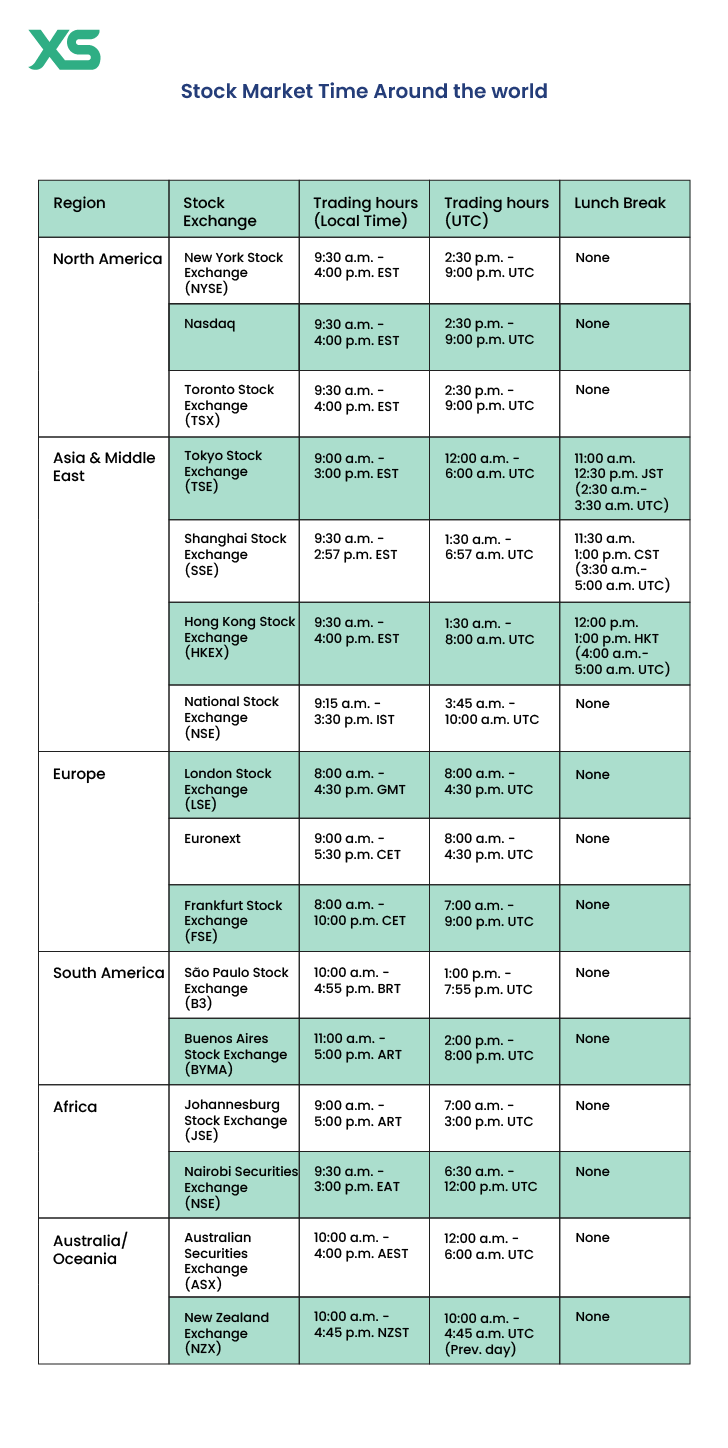
The Standard Operating Hours of Major U.S. Exchanges
The United States boasts some of the world’s largest and most influential stock exchanges, setting the pace for global financial markets. Understanding their core trading hours is fundamental to participating in the American equities market.
NYSE and NASDAQ: The Core Trading Window
The two titans of the U.S. stock market are the New York Stock Exchange (NYSE) and the Nasdaq Stock Market (NASDAQ). These exchanges are where the vast majority of public company shares are bought and sold, representing a significant portion of global trading volume.
Both the NYSE and NASDAQ adhere to a standard trading schedule:
- Opening Time: 9:30 AM Eastern Time (ET)
- Closing Time: 4:00 PM Eastern Time (ET)
This 6.5-hour window, often referred to as the “regular trading session,” is characterized by the highest liquidity and typically the most intense activity. It’s during these hours that most individual and institutional investors execute their trades, reacting to news, economic data, and corporate developments. The “opening bell” and “closing bell” ceremonies, iconic symbols of Wall Street, signify the commencement and conclusion of this critical period. While historically a physical event on the trading floor, today these ceremonies are largely symbolic, marking the activation and deactivation of electronic trading systems that process millions of transactions per second. The uniformity of hours between NYSE and NASDAQ simplifies trading for investors, allowing seamless access to the diverse array of companies listed on both exchanges, from blue-chip industrial giants to innovative tech startups.
Understanding Pre-Market and After-Hours Trading
The concept of market hours extends beyond the traditional 9:30 AM to 4:00 PM ET window, offering sophisticated investors and professional traders additional opportunities to react to news and execute trades. These extended sessions are known as pre-market and after-hours trading.
Pre-Market Trading: This session typically runs from 4:00 AM ET to 9:30 AM ET, preceding the regular market opening.
After-Hours Trading: This session usually begins at 4:00 PM ET and can extend until 8:00 PM ET or even later, following the regular market close.
These extended hours came into prominence with the advent of electronic communication networks (ECNs) and alternative trading systems (ATSs) that allow trades to be processed outside traditional exchange floors. For investors, pre-market and after-hours trading can be invaluable for reacting swiftly to news that breaks outside regular hours, such as earnings reports released after the close or overnight geopolitical developments. However, these sessions come with distinct characteristics:
- Lower Liquidity: Fewer participants typically means fewer buyers and sellers, leading to wider bid-ask spreads and potentially more significant price swings on smaller volumes.
- Increased Volatility: News-driven events can cause rapid and exaggerated price movements due to the lower liquidity.
- Limited Order Types: Not all order types (e.g., stop-loss orders) may be available or function identically during extended hours.
- Institutional Dominance: These sessions often see greater participation from institutional investors and professional traders equipped with advanced tools and information access.
While offering flexibility, retail investors should approach pre-market and after-hours trading with caution, fully understanding the increased risks associated with reduced liquidity and higher volatility. It requires a keen awareness of market dynamics and a robust understanding of order execution.
Factors Influencing Daily Market Schedules
The stock market’s schedule isn’t static; it’s a dynamic entity subject to various influences that can alter its operating hours, sometimes significantly. Being aware of these exceptions is paramount for any investor planning their trading day.
Stock Market Holidays: When Markets Remain Closed
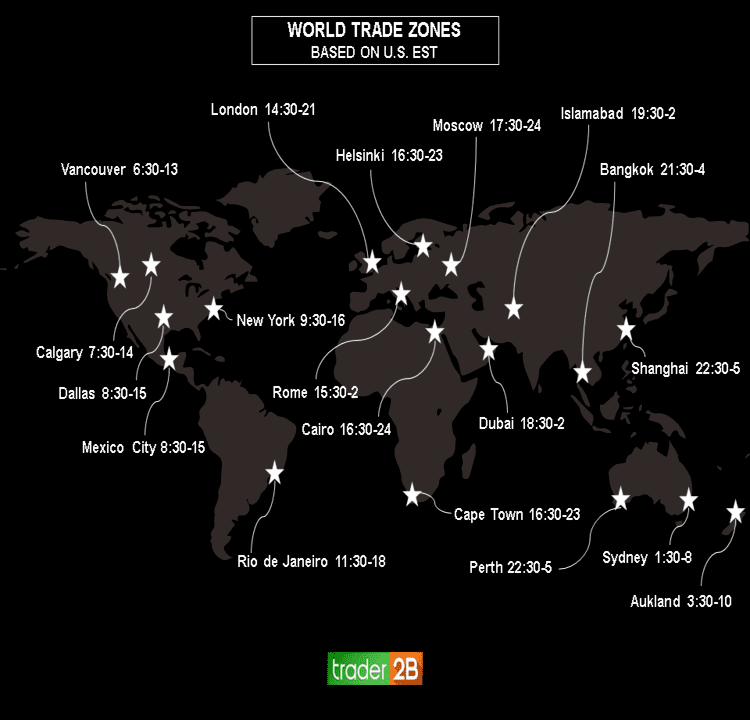
Unlike many businesses, stock exchanges observe specific federal holidays, during which they remain entirely closed. These full-day closures are crucial for investors to note, as no trading can occur. Common U.S. stock market holidays include:
- New Year’s Day
- Martin Luther King, Jr. Day
- Presidents’ Day (Washington’s Birthday)
- Good Friday
- Memorial Day
- Juneteenth National Independence Day
- Independence Day (July 4th)
- Labor Day
- Thanksgiving Day
- Christmas Day
It’s important to recognize that if a holiday falls on a weekend, the market closure will typically be observed on the preceding Friday or the following Monday. For instance, if Christmas Day falls on a Sunday, the market will likely be closed on the preceding Friday. These closures are publicly announced well in advance by the exchanges, and major financial news outlets and brokerage platforms provide updated calendars. Ignoring these holidays can lead to frustration for investors attempting to place trades or track their portfolios on a non-trading day.
Early Closures and Special Trading Sessions
Beyond full-day holidays, the stock market also observes several half-day closures throughout the year. These early closures typically mean the market closes at 1:00 PM ET instead of the standard 4:00 PM ET. Common days for early closures include:
- The day before Independence Day (if it falls on a weekday)
- The day after Thanksgiving (Black Friday)
- Christmas Eve (if it falls on a weekday)
These shortened sessions often occur around major holidays, allowing market participants to observe the festivities. While these sessions are shorter, they can still experience significant trading volume, particularly in the lead-up to the early close. Moreover, special trading sessions can sometimes be implemented in extraordinary circumstances, such as during national emergencies or significant market disruptions, though these are rare and typically involve regulatory intervention. Keeping an eye on the exchange’s official calendar and financial news feeds is the best way to stay updated on these modified schedules.
Daylight Saving Time Adjustments
A subtle yet significant factor affecting market hours for international investors, and indeed anyone tracking global markets, is Daylight Saving Time (DST). While the core 9:30 AM to 4:00 PM ET hours for U.S. markets remain constant relative to Eastern Time, the relationship between ET and other time zones changes when DST begins or ends in different regions.
The U.S. observes DST, typically “springing forward” in March and “falling back” in November. Most of Europe also observes DST, but often on slightly different dates. This creates periods where the time difference between, say, New York and London, can fluctuate by an hour for a few weeks in the spring and autumn. For a European investor, the actual clock time for the NYSE opening might shift by an hour during these transition periods. While U.S. domestic investors might not directly notice a change in their local clock time for market opening, those trading across borders or monitoring international market activity must factor in these shifts to accurately synchronize their understanding of global market hours. Financial platforms usually adjust automatically, but awareness is key for manual calculations or cross-referencing.
A Global Perspective: International Market Openings
The world of finance never truly sleeps. When U.S. markets close, others across the globe are just beginning their day, or are already in full swing. Understanding the interconnectedness of global market hours is crucial for a holistic view of financial movements.
Key Global Exchanges and Their Time Zones
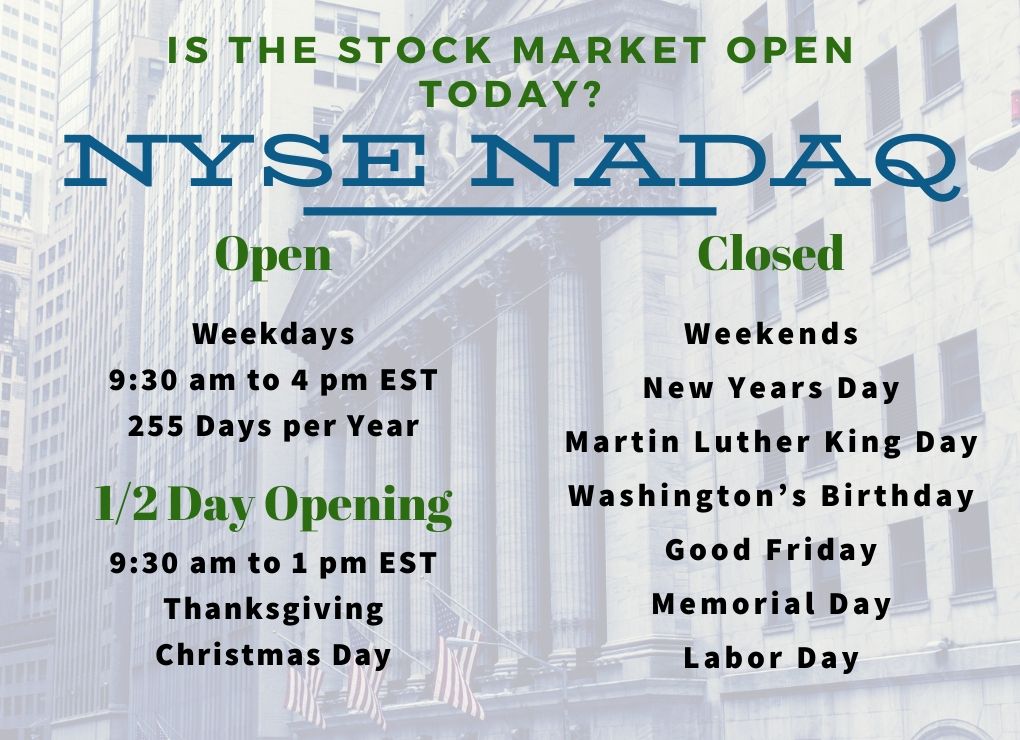
Major stock exchanges are distributed across every inhabited continent, each operating within its local time zone. This creates a continuous cycle of trading activity that influences markets worldwide.
- Asia-Pacific: Markets like the Tokyo Stock Exchange (TSE), Shanghai Stock Exchange (SSE), Hong Kong Stock Exchange (HKEX), and Australian Securities Exchange (ASX) are typically the first to open their trading day, often while U.S. markets are in their after-hours or pre-market sessions. News and economic data from these regions can significantly impact how U.S. and European markets open later.
- Example: Tokyo (JST), Shanghai (CST), Hong Kong (HKT), Sydney (AEST).
- Europe: As Asian markets conclude, European exchanges begin their day, bridging the gap before North American markets open. Key players include the London Stock Exchange (LSE), Euronext (Paris, Amsterdam, Brussels, Lisbon), and the Deutsche Börse (Frankfurt). These markets often react to overnight news from Asia and set the tone for the upcoming U.S. trading day.
- Example: London (GMT/BST), Frankfurt (CET/CEST), Paris (CET/CEST).
- North America: The NYSE, NASDAQ, and Toronto Stock Exchange (TSX) dominate the North American trading window, usually overlapping with the latter half of European trading.
- Example: New York (ET/EDT), Toronto (ET/EDT).
This sequential opening and closing of major exchanges creates a 24-hour financial news cycle. A major economic announcement in China can affect European futures, which in turn influences U.S. stock market futures before the New York opening bell.
The Impact of Overnight Markets on U.S. Trading
The activity in Asian and European markets, collectively referred to as “overnight markets” from a U.S. perspective, plays a significant role in shaping the sentiment and initial direction of U.S. trading.
- Information Flow: Key economic reports, corporate earnings, geopolitical events, or major policy announcements from these regions can set a bullish or bearish tone. For example, a strong earnings report from a major Asian tech company could boost investor confidence in the global tech sector, potentially leading to a higher open for U.S. tech stocks.
- Futures Market Reaction: U.S. stock index futures (e.g., S&P 500 futures, Nasdaq 100 futures) trade almost 24 hours a day. These futures contracts are highly sensitive to overnight news and provide a strong indication of how the broader U.S. market is likely to open. If S&P 500 futures are significantly up or down during Asian or European trading hours, it suggests a similar move for the underlying index at the New York open.
- Sectoral Influence: Certain sectors are more globally integrated than others. For instance, commodity prices (oil, gold) trade continuously and their movements overnight can directly impact energy and materials stocks in the U.S. Similarly, developments in global supply chains or international trade agreements frequently originate outside U.S. hours but have immediate implications for U.S. multinationals.
Savvy investors often monitor these global developments and futures markets during U.S. non-trading hours to anticipate potential market movements and adjust their strategies accordingly for the upcoming domestic trading session.
Why Market Hours Matter for Investors
Understanding stock market hours extends far beyond mere scheduling; it is a fundamental aspect of effective investing and risk management. For every investor, from day traders to long-term holders, market timing, news reaction, and liquidity considerations are deeply intertwined with when the markets are open.
Strategic Timing for Trades and News Reaction
The timing of trades in relation to market hours can significantly impact execution prices and overall strategy effectiveness.
- Volatility at Open and Close: The first and last hour of the regular trading session (9:30 AM – 10:30 AM ET and 3:00 PM – 4:00 PM ET) are often the most volatile and liquid periods. The open sees a rush of orders accumulated overnight, reacting to pre-market news and futures movements. The close witnesses a flurry of activity as institutional investors rebalance portfolios, settle positions, and engage in “window dressing” (buying stocks to improve fund performance appearance). Investors looking for quick gains or losses might target these periods, while those seeking more stable execution might avoid them.
- News-Driven Opportunities: Major economic reports (e.g., CPI, jobs data), corporate earnings announcements, and central bank decisions are frequently released either before the market opens, during market hours, or after the close. Knowing market hours allows investors to anticipate when these catalysts will translate into price action. For instance, a positive earnings surprise released before the open might create a “gap up” at 9:30 AM, offering a trading opportunity, but also requiring quick decision-making. Conversely, news released during market hours demands immediate analysis and potential action.
- Order Placement: Understanding market hours dictates how different order types behave. Market orders placed outside regular hours will typically execute at the next open, potentially at a very different price than anticipated. Limit orders, conversely, allow investors to specify a price, providing more control but potentially delaying execution. This distinction is crucial for managing unexpected overnight price movements.
Volatility and Liquidity Across Different Sessions
The characteristics of market activity – volatility and liquidity – are not uniform across all trading sessions.
- Regular Session (9:30 AM – 4:00 PM ET): This is the period of highest liquidity and, generally, the most efficient price discovery. While volatility can still be high, particularly around news events, the sheer volume of buyers and sellers typically allows for tighter bid-ask spreads and easier execution of large orders.
- Pre-Market and After-Hours Sessions: As discussed, these sessions are marked by significantly lower liquidity. This lower liquidity can lead to wider bid-ask spreads, making it more expensive to enter or exit positions. Small orders can have a disproportionately large impact on prices, leading to higher volatility. For example, a minor news item might cause a stock to jump or drop several percentage points on very thin volume, only to see that move partially or fully reversed at the regular open when liquidity returns. This heightened risk requires investors to be particularly cautious and employ advanced order strategies if trading in these extended hours.
Risk Management and Monitoring Your Portfolio
Effective risk management is inseparable from an awareness of market hours.
- Unexpected Overnight Events: A company-specific announcement, a geopolitical crisis, or a major economic shock can occur while domestic markets are closed. Without a clear understanding of market hours and the ability to monitor futures or global markets, investors might be blindsided by significant price changes at the next open.
- Position Monitoring: For active traders, knowing when markets are open means knowing when to be actively monitoring their positions. Holding highly volatile stocks overnight, or over a market holiday, introduces significant risk if major news breaks that cannot be reacted to until the next trading session.
- Order Execution Delays: Misunderstanding market hours can lead to frustration and missed opportunities. Placing a market order on a holiday, for example, will simply result in it being queued until the next trading day, potentially at a price far from the investor’s expectation. This delay can be critical if the investor intended to react to immediate news.
- Time Zone Coordination: For international investors, carefully coordinating their local time with the target market’s hours is essential to avoid mistakes and ensure timely decision-making. Automated alerts and reliable financial news services become invaluable tools in this regard.
In essence, market hours are the temporal framework within which investment decisions are made and executed. A nuanced understanding empowers investors to make more informed choices, manage risk more effectively, and ultimately, navigate the complex world of finance with greater confidence.
Leveraging Technology and Resources to Stay Informed
In today’s fast-paced digital world, staying abreast of market hours, news, and global developments is easier than ever, thanks to a plethora of technological tools and financial resources. Leveraging these effectively is key for any investor.
Financial News Outlets and Market Data Platforms
Reliable information is the lifeblood of investing, and numerous platforms are dedicated to delivering real-time market data and breaking news.
- Major Financial News Websites: Websites like Bloomberg, Reuters, The Wall Street Journal, Financial Times, CNBC, and Yahoo Finance are indispensable. They provide up-to-the-minute news, detailed market analyses, economic calendars, and, critically, updated schedules for market holidays and special trading hours. Many offer customizable alerts for specific stocks or news categories.
- Market Data Terminals: Professional investors often rely on sophisticated market data terminals such as Bloomberg Terminal or Refinitiv Eikon. These platforms offer unparalleled access to real-time quotes, news feeds, analytics, and historical data across global markets. While expensive, they represent the gold standard for comprehensive financial information.
- Financial Apps: Most major financial news outlets and brokerage firms offer mobile applications that provide instant access to market data, news headlines, and watchlists. These apps often include push notifications for breaking news or significant market events, ensuring investors are informed even when away from their desks.
- Economic Calendars: Dedicated economic calendars (found on most financial news sites and brokerage platforms) list upcoming economic data releases, central bank meetings, and corporate earnings dates, often indicating the precise time of release. This allows investors to anticipate periods of potential market volatility.
Brokerage Firm Tools and Notifications
Your brokerage firm is not just a platform for executing trades; it’s also a valuable source of information and tools designed to keep you informed about market hours and your portfolio.
- Platform Notifications: Most online brokerage platforms integrate market status indicators, clearly showing if a market is open, closed, or in extended hours. They often provide pop-up alerts or banners regarding upcoming holidays or early closures.
- Customizable Alerts: Many brokerages allow you to set up customizable alerts for your watchlists or portfolio holdings. These can include price alerts, volume alerts, or news alerts relevant to specific stocks, ensuring you’re notified of significant developments regardless of market hours.
- Educational Resources: Brokerage firms frequently offer educational content, including articles and webinars, that cover market hours, extended trading risks, and how to effectively use their platform’s features for monitoring.
- Order Confirmation and Status: When placing an order, especially outside regular hours, brokerage platforms typically provide clear confirmations detailing when the order will be processed (e.g., “This order will be routed to the market at the next open”). This transparency helps manage expectations and avoids miscommunication.
- Customer Support: In cases of uncertainty, contacting your brokerage’s customer support can provide immediate answers regarding market hours, holiday schedules, or specific order execution rules.
By actively utilizing these technological tools and resources, investors can transform the simple question of “what time does the stock market open today?” into a comprehensive understanding of market dynamics, enabling more informed decision-making and a more robust approach to managing their financial investments. In the interconnected global economy, staying informed is not just an advantage—it’s a necessity.
aViewFromTheCave is a participant in the Amazon Services LLC Associates Program, an affiliate advertising program designed to provide a means for sites to earn advertising fees by advertising and linking to Amazon.com. Amazon, the Amazon logo, AmazonSupply, and the AmazonSupply logo are trademarks of Amazon.com, Inc. or its affiliates. As an Amazon Associate we earn affiliate commissions from qualifying purchases.