
For investors residing in California, understanding the intricacies of stock market hours is paramount to making timely and informed financial decisions. While the major U.S. stock exchanges, such as the New York Stock Exchange (NYSE) and NASDAQ, operate on Eastern Time (ET), their influence spans across all time zones, dictating when West Coast traders can actively participate. This comprehensive guide clarifies the market opening and closing times for California investors, delving into the strategic implications of these hours, and exploring the dynamics of pre-market and after-hours trading.
Understanding Standard U.S. Stock Market Hours
The backbone of U.S. stock trading operates from a centralized time zone, ensuring uniformity and robust liquidity across the market. This standardization is crucial for the efficient functioning of global capital markets, enabling a level playing field for investors regardless of their geographical location.
Eastern Time Zone as the Benchmark
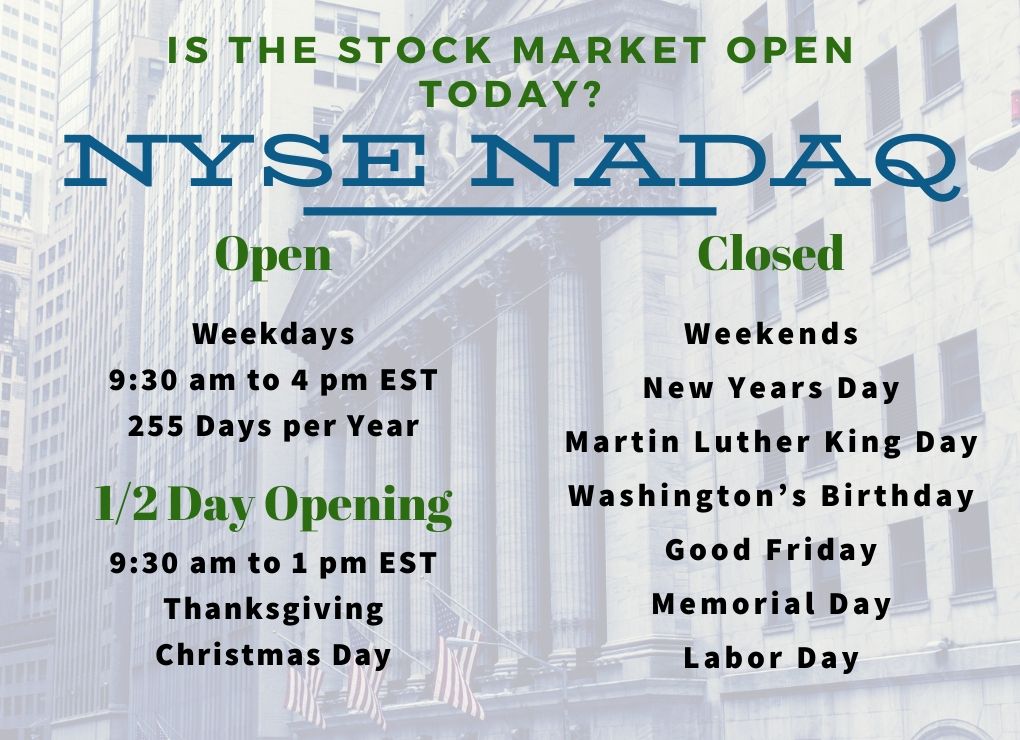
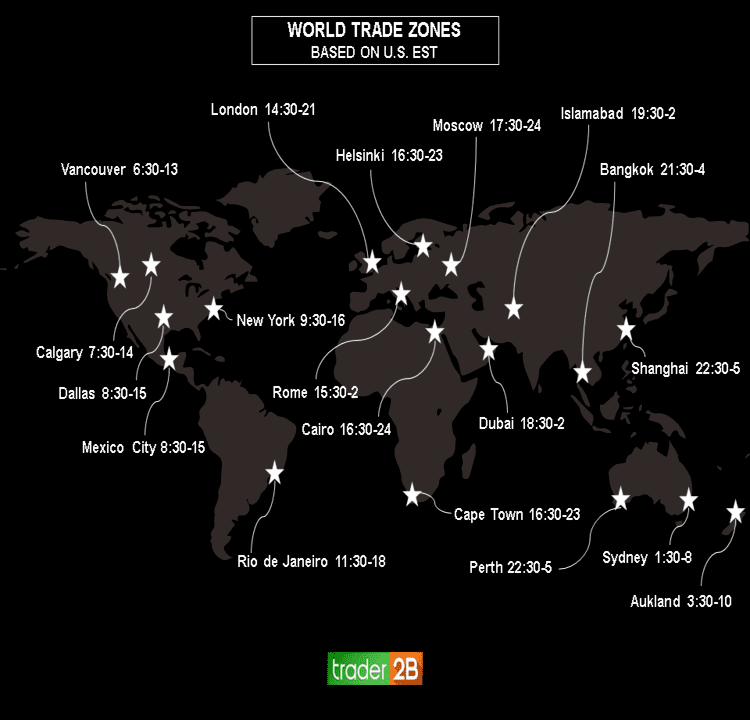
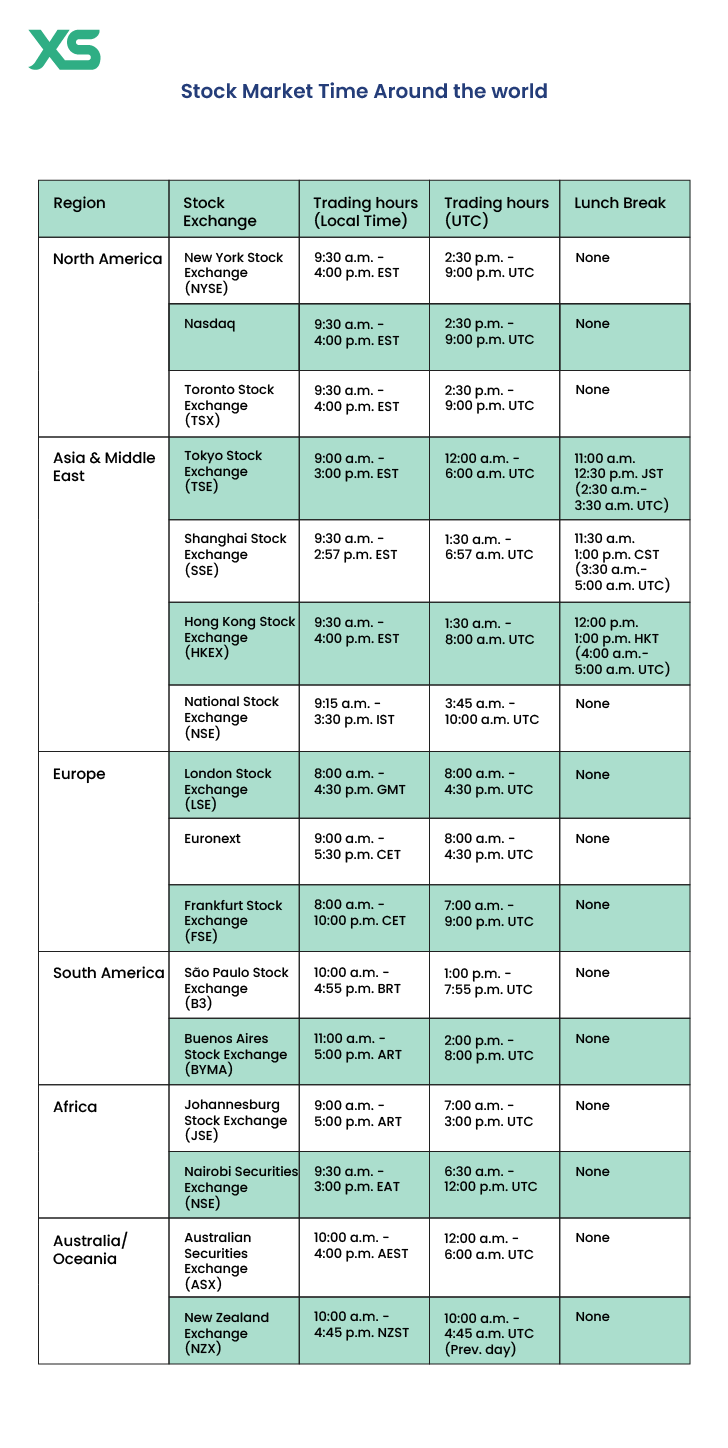
The primary trading hours for the U.S. stock market are from 9:30 AM to 4:00 PM Eastern Time (ET). These hours govern the regular trading sessions for both the New York Stock Exchange (NYSE) and the NASDAQ Stock Market, which are the two largest stock exchanges in the world. This standardized schedule is critical for market participants, facilitating price discovery and trade execution in a predictable manner. The choice of ET as the benchmark is largely historical, stemming from New York City’s status as a global financial hub.
Key Trading Sessions: Regular, Pre-Market, and After-Hours
While the 9:30 AM to 4:00 PM ET window represents the core trading period, the actual market activity extends beyond these conventional hours through pre-market and after-hours sessions. Understanding these distinct periods is vital for a comprehensive trading strategy.
Pre-Market Trading: Opportunities and Risks
Pre-market trading typically begins as early as 4:00 AM ET and concludes at the market’s official open at 9:30 AM ET. This period allows investors to react to news, earnings reports, or macroeconomic data released before the regular session. It can present opportunities for early movers to capitalize on initial price movements. However, pre-market trading is characterized by significantly lower liquidity and wider bid-ask spreads compared to regular hours. This means that trades might be harder to execute at desired prices, and price volatility can be substantially higher, increasing the risk for less experienced traders. Institutional investors and sophisticated algorithms often dominate this early window.
After-Hours Trading: Volatility and Liquidity
Conversely, after-hours trading typically runs from 4:00 PM ET to 8:00 PM ET, though some platforms may offer extended access. This session serves a similar purpose to pre-market trading, allowing reactions to information released after the market close, such as late-breaking corporate announcements or global economic shifts. Like pre-market trading, after-hours sessions suffer from reduced liquidity and increased volatility. The limited participation can lead to significant price swings on relatively small trading volumes, making it a challenging environment for retail investors. Orders placed during these times might not be filled immediately or at the anticipated price.
The Rationale Behind Standardized Hours
The establishment of fixed trading hours, irrespective of time zones, serves several critical functions within the financial ecosystem. Primarily, it ensures deep liquidity for financial instruments by concentrating trading activity into a specific window. This concentration of buyers and sellers facilitates efficient price discovery and tighter bid-ask spreads, making it easier and more cost-effective for investors to execute trades.
Furthermore, standardized hours contribute to market fairness. By providing a uniform time when all participants can access the market, it helps prevent information asymmetry that could arise if trading occurred continuously across different time zones. It also simplifies regulatory oversight, allowing authorities to monitor trading activity and enforce rules more effectively during defined periods. While the idea of 24/7 trading occasionally resurfaces, the benefits of consolidated liquidity and regulatory clarity typically outweigh the perceived advantages of continuous market operation for now.
Decoding Market Hours for California Investors
For those on the West Coast, the market’s Eastern Time schedule necessitates a significant time zone adjustment. Understanding this conversion and its strategic implications is crucial for effective portfolio management and trading.
Pacific Time Conversion: 6:30 AM to 1:00 PM PT
Given that California operates on Pacific Time (PT), which is three hours behind Eastern Time, the standard U.S. stock market hours translate directly:
- Opening Bell: 9:30 AM ET becomes 6:30 AM PT
- Closing Bell: 4:00 PM ET becomes 1:00 PM PT
This means that for California residents, the market day begins quite early and concludes in the early afternoon. This condensed window requires careful planning and a disciplined approach to trading.
Strategic Implications for West Coast Traders
The early start and early finish have distinct implications for California-based investors, influencing everything from daily routines to trading strategies.
Early Morning Opportunities (Pre-market Influence)
The pre-market session, typically from 4:00 AM to 9:30 AM ET, corresponds to 1:00 AM to 6:30 AM PT. While the official market opens at 6:30 AM PT, smart California investors are often awake earlier, monitoring pre-market activity. The period between 4:00 AM PT and 6:30 AM PT, just before the market officially opens, can be particularly dynamic. News releases from Europe and Asia, as well as significant U.S. economic data, often come out during these hours, influencing futures markets and individual stock prices. Savvy traders use this time to assess market sentiment, identify potential movers, and formulate their strategy for the opening bell. Being prepared for the 6:30 AM PT open can allow them to capitalize on initial market movements, which are often the most volatile and potentially profitable.
Mid-day Trading Decisions (Peak Activity)
From 6:30 AM PT to approximately 10:00 AM PT, the market experiences its highest volume and volatility, often referred to as the “power hour” or “opening drive.” This period is critical for day traders and active investors. For those in California, this aligns conveniently with the start of their work or daily activities, allowing them to engage during the most active trading window. As the market progresses towards the PT late morning and early afternoon, volume might taper off, but significant movements can still occur based on ongoing news, analyst upgrades/downgrades, or sector-specific developments.
Market Close Considerations (Post-market Impact)
The market closes at 1:00 PM PT. This relatively early closing means that West Coast investors have their entire afternoon free from the immediate pressures of live market trading. However, this also means they must complete all their day trades and make crucial portfolio adjustments well before the East Coast afternoon. News breaking after 1:00 PM PT but before 4:00 PM ET can impact after-hours trading, setting the stage for the next day’s open. California investors must stay updated on these developments to anticipate potential gaps or shifts when the market reopens at 6:30 AM PT the following morning.
Managing Personal Schedules Around Trading Times
For many California professionals, the 6:30 AM PT opening bell might clash with morning routines or commuting. Active traders may need to adjust their waking hours to be at their screens. Long-term investors, while not needing to react minute-by-minute, still benefit from checking market performance early in their day. Leveraging mobile trading apps and setting price alerts can help manage portfolio oversight without requiring constant presence. For those with traditional 9-to-5 jobs (9 AM to 5 PM PT), the market’s operating hours of 6:30 AM PT to 1:00 PM PT can be advantageous, allowing them to focus on trading during the first half of their workday and then shift to their primary responsibilities.
Beyond Regular Hours: Pre-Market and After-Hours Trading Dynamics
While the regular market session dictates the bulk of trading activity, understanding the dynamics of pre-market and after-hours trading is crucial for California investors seeking a more comprehensive approach to the market. These extended hours, while offering flexibility, come with their own set of unique characteristics and risks.
Pre-Market Trading: Gaps, News Reactions, and Early Movers
The pre-market session, accessible from as early as 1:00 AM PT, is often a landscape of high anticipation and quick reactions. Major corporate news, such as earnings announcements, product launches, or merger talks, are frequently released outside of regular trading hours. Similarly, macroeconomic data, central bank statements, and significant geopolitical events occurring overnight or in Asian and European markets, can heavily influence investor sentiment.
During pre-market, savvy traders look for stocks that are gapping up or down significantly based on these news events. A “gap” occurs when a stock’s opening price is significantly different from its previous closing price. These gaps represent an immediate market reaction, and early movers aim to capitalize on this initial surge or decline. However, the reduced liquidity means that price movements can be exaggerated, and it might be challenging to enter or exit positions without impacting the price.
After-Hours Trading: Earnings Releases, News Digests, and Lower Liquidity
After-hours trading, which for California investors extends from 1:00 PM PT to 5:00 PM PT, provides a window for further market reactions. Many companies strategically release their quarterly earnings reports just after the 4:00 PM ET (1:00 PM PT) close. This timing allows market participants to digest the information and react without disrupting the regular trading session. Investors can place orders to buy or sell based on these reports, expecting price movements that will either confirm or contradict the next day’s opening.
The after-hours session often reflects a period of “news digestion,” where analysts and investors process the day’s events and position themselves for the next trading day. While there can be significant price movements, especially immediately following major news, the overall liquidity is typically much lower than the pre-market session. This lower liquidity means that individual trades can have a disproportionately large impact on a stock’s price, potentially leading to increased slippage (executing a trade at a less favorable price than intended).
Risks and Rewards: Increased Volatility, Wider Spreads, and Limited Access
Both pre-market and after-hours trading offer the potential for quick profits due to rapid price movements in response to news. They also provide flexibility for investors who cannot participate during regular market hours. However, these sessions carry heightened risks:
- Increased Volatility: With fewer participants, a single large order can cause dramatic price swings.
- Wider Spreads: The gap between the bid (highest price a buyer is willing to pay) and the ask (lowest price a seller is willing to accept) is often wider, leading to less efficient trade execution.
- Lower Liquidity: It can be difficult to find a counterparty for your trade, especially for less popular stocks, potentially leading to unfilled orders or significant price concessions.
- Limited Order Types: Some brokerage platforms might restrict the types of orders (e.g., limit orders only) available during extended hours, and market orders can be particularly risky due to volatility and wide spreads.
- Competition: Institutional traders and sophisticated algorithms often dominate these sessions, giving them an edge due to speed and resources.
California investors considering extended-hours trading should proceed with caution, utilize limit orders to control execution prices, and understand that these sessions are often best suited for experienced traders with a high tolerance for risk.
The Impact of Market Holidays and Events
Beyond the daily grind of market hours, a crucial aspect for California investors to monitor is the schedule of market holidays and special events. These can significantly alter trading patterns and require adjustments to investment strategies.
U.S. Federal Holidays Affecting Market Operations
The U.S. stock market observes several federal holidays, during which it remains closed. These closures apply universally across all time zones. Common market holidays include:
- New Year’s Day
- Martin Luther King, Jr. Day
- Presidents’ Day
- Good Friday (though not a federal holiday, observed by markets)
- Memorial Day
- Juneteenth National Independence Day
- Independence Day
- Labor Day
- Thanksgiving Day
- Christmas Day
It is imperative for investors to consult the annual market holiday schedule published by exchanges like the NYSE and NASDAQ. Being aware of these closures prevents missed opportunities, unexpected delays in trade settlements, or unnecessary frustration when the market isn’t active. For a California investor, a federal holiday means the market won’t open at 6:30 AM PT as usual.
Shortened Trading Days
In addition to full-day closures, the market occasionally operates on a shortened schedule, typically closing early. Examples often include the day before Thanksgiving (closing at 10:00 AM PT / 1:00 PM ET) and Christmas Eve (if it falls on a weekday). These shortened days still follow the ET to PT conversion. They can create unique trading dynamics, as institutional players may adjust positions or unwind trades earlier, leading to increased volatility or decreased liquidity in the abbreviated afternoon session. California investors must pay close attention to these abbreviated schedules to ensure their trading plans align with the altered hours.
Economic Calendar and Its Influence on Trading Psychology
While not directly altering market hours, the economic calendar plays a profound role in market sentiment and trading behavior, indirectly impacting how California investors approach the trading day. Key economic data releases, such as inflation reports (CPI), employment figures (Non-Farm Payrolls), Federal Reserve announcements on interest rates, and GDP growth numbers, are typically scheduled for specific times, often at 8:30 AM ET (5:30 AM PT) or 10:00 AM ET (7:00 AM PT).
For California investors, understanding when these reports are released is crucial. A significant report at 5:30 AM PT can cause immediate and dramatic shifts in market futures even before the official 6:30 AM PT open, influencing the opening bell’s direction. Similarly, Fed announcements at 11:00 AM PT (2:00 PM ET) can trigger rapid market movements just two hours before the West Coast market close. Being aware of these events allows investors to anticipate volatility, manage risk, and potentially adjust their strategies to either capitalize on expected movements or protect their portfolios from adverse shocks. A disciplined investor on the West Coast integrates the economic calendar into their daily preparation, understanding its potential to override even the most meticulous trading plans.
Essential Tools and Strategies for California Investors
Successfully navigating the stock market from California requires more than just knowing the time conversion; it demands specific tools and strategies tailored to the unique challenges and opportunities presented by the time difference.
Utilizing Trading Platforms with Time Zone Adjustments
Modern trading platforms are invaluable for California investors. Most reputable online brokerages offer sophisticated charting and trading interfaces that can be customized to display local time. Investors should ensure their platform’s settings are configured to Pacific Time, eliminating the need for constant manual conversion. Features like customizable watchlists, real-time quotes, and advanced order types (like limit orders for pre- and after-market sessions) are essential. Furthermore, some platforms offer direct access to economic calendars with time zone synchronization, allowing investors to track key events in their local time. This seamless integration can significantly reduce mental load and minimize errors.
Setting Up Market Alerts and Notifications
Given the early market open (6:30 AM PT), California investors, especially those with other commitments, can greatly benefit from setting up robust alert systems. These can include:
- Price Alerts: Notifications when a stock reaches a specific price target or threshold.
- Volume Alerts: Alerts for unusual trading volume, indicating potential significant activity.
- News Alerts: Notifications for breaking news related to specific stocks or the broader market.
- Time-Based Alerts: Reminders for the market open, close, or specific economic data releases.
Many trading platforms and financial news apps offer these customizable alert features, allowing investors to stay informed without being glued to their screens during the entire 6:30 AM PT to 1:00 PM PT window.
Developing a Disciplined Trading Plan Consistent with PT Hours
A well-defined trading plan is always critical, but for California investors, it must specifically account for the PT market hours. This includes:
- Pre-Market Preparation (starting 5:00 AM PT or earlier): Reviewing overnight news, pre-market movers, and developing a strategy for the open.
- Focused Trading Window (6:30 AM – 10:00 AM PT): Concentrating on the most liquid and volatile period.
- Mid-Day Strategy (10:00 AM – 1:00 PM PT): Adapting to potentially lower volume, monitoring for sector rotation or specific stock news.
- Post-Market Review (1:00 PM PT onwards): Analyzing the day’s trades, settling positions, and preparing for the next day based on after-hours activity.
This structured approach helps in managing time effectively and ensures that investment decisions are not rushed or made without adequate analysis due to time zone constraints.
The Role of Automation and Algorithmic Trading for Time Zone Management
For highly active traders or those with significant time constraints, automation can be a powerful ally. Algorithmic trading strategies, or even simpler automated order types (e.g., “set it and forget it” stop-loss and take-profit orders), can execute trades based on pre-defined rules, even when the investor is not actively monitoring the market. While this approach requires a deep understanding of market mechanics and careful backtesting, it offers a way for California investors to participate in extended trading hours or react to immediate market movements without being physically present. However, the complexity and risks associated with algorithmic trading mean it is typically reserved for experienced traders or those with professional financial advisors.
In conclusion, while the core mechanics of the stock market remain consistent, a California investor’s approach must be tailored to the Pacific Time zone. By understanding the timing of regular, pre-market, and after-hours sessions, accounting for holidays, leveraging technology, and adopting a disciplined plan, West Coast investors can effectively participate and succeed in the dynamic world of stock market investing.
aViewFromTheCave is a participant in the Amazon Services LLC Associates Program, an affiliate advertising program designed to provide a means for sites to earn advertising fees by advertising and linking to Amazon.com. Amazon, the Amazon logo, AmazonSupply, and the AmazonSupply logo are trademarks of Amazon.com, Inc. or its affiliates. As an Amazon Associate we earn affiliate commissions from qualifying purchases.