
The concept of a “stock” – a share of ownership in a company that represents a claim on its assets and earnings – is a cornerstone of modern finance and global capitalism. While the term might evoke images of bustling modern exchanges and sophisticated trading algorithms, its origins are far more ancient and rooted in the practical necessities of financing ambitious, high-risk ventures. Tracing the lineage of stocks leads us through a fascinating journey across continents and centuries, revealing how humanity learned to pool capital, manage risk, and democratize investment. To truly understand where stocks were first created, one must look beyond a single definitive “eureka!” moment and instead appreciate the gradual evolution of financial instruments that culminated in the sophisticated equity markets we know today.

The Dawn of Modern Equity: A Journey Through Time
The idea of collective investment and shared ownership is not a recent invention. Early societies, facing large-scale projects or uncertain ventures, often sought ways to distribute both the burden and the potential rewards. These ancient forms, while not “stocks” in the contemporary sense, laid crucial groundwork.
Ancient Roots and Precursors to Shares
Evidence of joint ownership and pooled resources can be found as far back as ancient Rome. The societas publicanorum were groups of private citizens who banded together to bid on government contracts, such as tax collection or public works. These groups would divide the risks and profits among their members, often with transferable interests, demonstrating an early form of shared enterprise. Similarly, in medieval Europe, particularly in the bustling trading cities of Italy like Genoa and Venice, merchants would form temporary partnerships for specific voyages or trading ventures. These partnerships, known as commenda, allowed investors (who supplied capital but did not travel) to share profits with active merchants (who undertook the perilous journey). While these arrangements were typically short-lived and project-specific, they established the legal and conceptual framework for pooling capital from multiple sources. The transferable nature of these shares or interests, even if informal, was a critical step toward the liquidity that defines modern stocks.
The Renaissance of Collective Investment
The transition from temporary partnerships to more permanent, continuously operating enterprises began to solidify during the Renaissance and early modern period. As trade routes expanded and colonial ambitions grew, the scale and duration of commercial ventures increased dramatically. A single wealthy merchant or family could no longer bear the immense capital requirements and risks associated with equipping multiple ships for months-long voyages across dangerous oceans. The solution was to create more formalized structures that could attract capital from a broader base of investors and provide some continuity beyond a single voyage. This period saw the development of more complex contractual agreements that resembled proto-corporations, where investors could buy a share of a venture without necessarily participating in its day-to-day operations. These early forms were crucial for the financing of exploration and the establishment of vast colonial trading networks, paving the way for the more robust and recognizable form of the stock.
The Dutch Revolution: Pioneering the Joint-Stock Company
While various precursors existed, the definitive birth of the modern stock, complete with public trading and a formalized market, is widely attributed to the Dutch Republic in the early 17th century. This era of unprecedented maritime power and commercial innovation provided the perfect crucible for the creation of financial instruments that would revolutionize global commerce.
The Genesis of the Dutch East India Company (VOC)
The undisputed pioneer in the creation of what we recognize as modern stocks was the Dutch East India Company (Verenigde Oostindische Compagnie, or VOC), established in 1602. The VOC was formed through the amalgamation of several smaller Dutch trading companies, consolidating their resources to compete more effectively with Portuguese and English rivals in the lucrative East Indies spice trade. The scale of this undertaking was immense: it required multiple ships, large crews, vast quantities of goods, and fortified trading posts across vast distances. To finance such an enterprise, the VOC needed capital far beyond what a few wealthy individuals could provide.
The genius of the VOC was its structure. Instead of seeking loans (which carried fixed interest burdens regardless of success), the company issued shares to the public. These shares represented a proportional ownership stake in the company and entitled the shareholders to a percentage of the company’s future profits, paid out as dividends. Crucially, these shares were not project-specific; they represented ownership in the company itself, a permanent entity designed to operate indefinitely. This permanence, combined with the right to future earnings, made VOC shares fundamentally different from prior temporary partnerships. It allowed investors to become part-owners of a powerful, ongoing enterprise, sharing in its successes and risks over the long term.
From Private Investment to Public Trading: The Amsterdam Bourse
The issuance of VOC shares marked the birth of the modern joint-stock company. However, what truly solidified the concept of a stock and created the blueprint for future financial markets was the development of a mechanism for these shares to be bought and sold among investors. This is where the Amsterdam Stock Exchange (known as the Amsterdam Bourse) enters the picture, effectively becoming the world’s first formal stock exchange.
Initially, VOC shareholders had to wait for annual meetings to receive dividends or sell their shares. But the desire for liquidity – the ability to convert shares into cash quickly – led to the informal gathering of investors and brokers at particular locations in Amsterdam. Soon, these informal meetings evolved into a structured marketplace where shares in the VOC (and later, other companies like the Dutch West India Company) were actively traded. The Amsterdam Bourse provided a continuous market where share prices fluctuated based on supply and demand, news from overseas, and investor sentiment. This ability to easily transfer ownership without dissolving the company was revolutionary. It meant that investors could enter and exit their investments at will, making stocks far more attractive and accessible. The creation of a secondary market for shares was as significant as their initial issuance, transforming static investments into dynamic, tradable financial assets.
The Mechanics of Early Shareholding
Early VOC shares were physical documents, often elaborate and detailed. A shareholder’s name was inscribed on a register, and ownership was transferred by formally signing over the share to a new owner, typically at the company’s office or through a notary. This process, while seemingly cumbersome by today’s electronic standards, was a vital innovation in its time, establishing clear legal ownership and facilitating transferability. The dividends were often paid in kind (e.g., spices) or in cash, reflecting the company’s actual profits. The value of these shares was directly tied to the company’s performance and prospects, laying the foundation for modern equity valuation. The Amsterdam market also developed tools like futures contracts and options, allowing investors to speculate on future price movements, further cementing its status as the world’s first truly modern financial market.
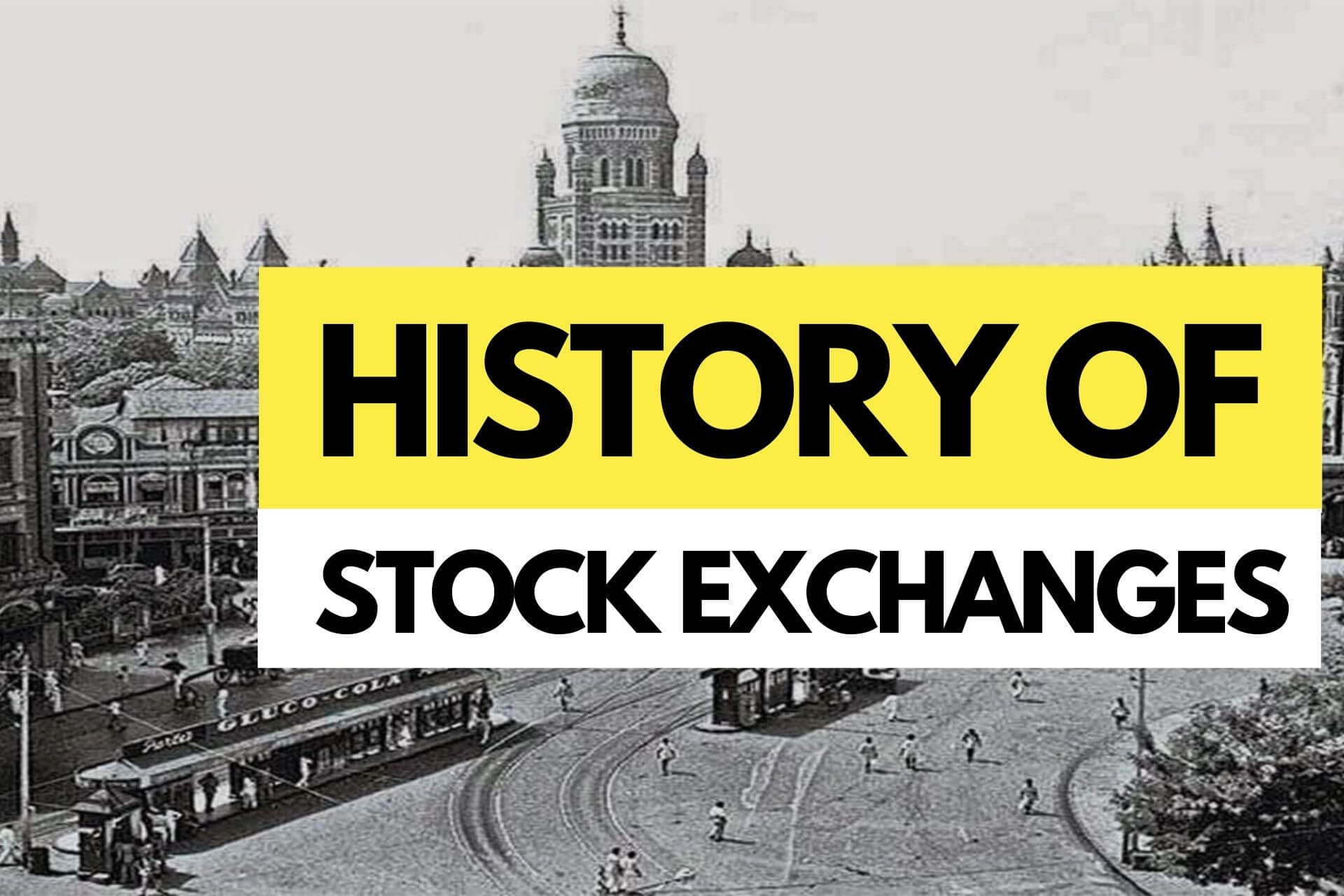
The Global Spread and Evolution of Equity Markets
The success of the Dutch model quickly caught the attention of other European powers, particularly England, which was also heavily engaged in global trade and colonial expansion. The concept of the joint-stock company and the tradable stock spread rapidly, adapting to different national contexts and leading to further innovations and challenges.
English Innovations: The South Sea Company and Beyond
England’s own East India Company (founded in 1600, just two years before the VOC) also issued shares, though its initial structure was slightly different and evolved over time. By the late 17th and early 18th centuries, the joint-stock company model was firmly established in Britain, leading to the creation of numerous companies, often for trading, infrastructure projects, or even speculative ventures. The most infamous example is the South Sea Company, founded in 1711, which engaged in a highly speculative trade in slaves and other goods with Spanish South America, and crucially, absorbed a substantial portion of the British national debt. The frenzy of speculation around its shares, and those of numerous other nascent companies, culminated in the devastating South Sea Bubble of 1720, a stark reminder of the risks inherent in unregulated markets. This event, alongside the Dutch Tulip Mania of 1637, offered early lessons on market psychology, overvaluation, and the need for greater financial oversight.
The Role of Exchanges in Market Development
As more companies adopted the joint-stock model, the need for organized trading venues became paramount. Following Amsterdam’s lead, stock exchanges began to emerge in other major financial centers, including London (where brokers initially met in coffee houses like Jonathan’s and Garraway’s, eventually leading to the formal London Stock Exchange) and later in Paris, New York, and beyond. These exchanges provided the necessary infrastructure for transparent price discovery, liquidity, and the efficient allocation of capital. They standardized trading practices, introduced rules for listing and disclosure (however rudimentary at first), and created a centralized marketplace where supply and demand could meet. This centralization was critical for transforming informal buying and selling into a sophisticated, regulated financial system.
Early Regulatory Challenges and Market Bubbles
The early history of stocks was not without its tumultuous periods. The speculative bubbles of the 17th and 18th centuries, such as the Tulip Mania and the South Sea Bubble, highlighted the inherent dangers of unchecked speculation and the absence of robust regulatory frameworks. These crises led to attempts at imposing controls, such as Britain’s Bubble Act of 1720 (which ironically hindered legitimate corporate formation for a time) and various continental decrees. These early struggles with market stability and investor protection laid the groundwork for the modern regulatory bodies and financial laws that aim to prevent fraud, ensure transparency, and maintain market integrity, recognizing that the efficiency of capital markets depends on public trust.
The Enduring Legacy of the First Stocks
From their humble beginnings in Amsterdam, stocks have evolved into the most dynamic and pervasive financial instruments globally. Their creation and subsequent development have profoundly shaped economic history and continue to influence the allocation of wealth and resources worldwide.
Democratizing Capital and Risk
Perhaps the most significant legacy of the first stocks is their role in democratizing capital. Before joint-stock companies, financing large ventures was largely the domain of monarchs, aristocrats, or a handful of extremely wealthy merchants. Stocks allowed individuals of more modest means to invest in grand enterprises, participating in the potential rewards of global trade and industrial expansion. This pooling of capital from a vast number of smaller investors enabled ventures that would have been impossible to finance otherwise. Concurrently, stocks allowed for the distribution of risk. Instead of one individual bearing the full burden of a catastrophic shipwreck or failed trading venture, the loss was spread across many shareholders, making ambitious projects more feasible and less individually ruinous.
Shaping Modern Capitalism and Global Trade
The invention of transferable shares in permanent companies was a critical catalyst for the development of modern capitalism. It provided a powerful mechanism for capital formation, enabling the financing of the Age of Exploration, the Industrial Revolution, and countless innovations that followed. The ability to raise capital from a broad public allowed companies to grow to unprecedented sizes, establishing global monopolies and driving economic expansion. Stock markets became central to the allocation of capital, directing investment towards the most promising industries and enterprises, thus fostering innovation and economic growth on a global scale. Without the invention of stocks, the scale and speed of economic development over the past four centuries would have been dramatically different.
Lessons from Financial History for Today’s Investors
The historical journey of stocks offers invaluable lessons for contemporary investors. The cyclical nature of market bubbles and crashes, the importance of sound corporate governance, the interplay of human psychology and market movements – these are not new phenomena. The experiences of early shareholders in the VOC or the victims of the South Sea Bubble resonate with the challenges faced by investors today. Understanding this history provides context for market volatility, highlights the enduring principles of diversification and long-term investing, and underscores the continuous need for informed decision-making and robust regulatory oversight in financial markets.

Conclusion: The Unfolding Story of Investment
The question “where were stocks first created” does not yield a simple, singular answer but rather unveils a rich tapestry of financial innovation, human ingenuity, and economic necessity. From the informal partnerships of ancient Rome to the pioneering joint-stock companies of 17th-century Amsterdam, the journey reveals a persistent human drive to pool resources, manage risk, and seek profit through collective enterprise. The Dutch East India Company and the Amsterdam Stock Exchange stand out as the definitive birthplace of the modern stock and the public market, transforming transient ventures into permanent, tradable assets. This innovation not only fueled global trade and colonial expansion but also laid the foundational brickwork for the complex, interconnected financial world we inhabit today, continuing to shape how capital is raised, wealth is created, and economic futures are built. The story of stocks is, in essence, the unfolding story of modern investment itself.
aViewFromTheCave is a participant in the Amazon Services LLC Associates Program, an affiliate advertising program designed to provide a means for sites to earn advertising fees by advertising and linking to Amazon.com. Amazon, the Amazon logo, AmazonSupply, and the AmazonSupply logo are trademarks of Amazon.com, Inc. or its affiliates. As an Amazon Associate we earn affiliate commissions from qualifying purchases.