
Investing in stocks is a foundational pillar of wealth creation, a gateway for individuals and institutions alike to participate in the growth of companies and, by extension, the global economy. At its core, stock investing involves purchasing shares of publicly traded companies, thereby becoming a partial owner of that business. This simple act opens up a world of potential returns, but also carries inherent risks, making a thorough understanding of the concept paramount for anyone considering this financial endeavor.
For many, the stock market appears as a complex, intimidating entity, shrouded in jargon and volatile movements. However, demystifying “what is investing in stocks” reveals a logical, albeit dynamic, system designed to allocate capital efficiently and reward those who apply sound principles. This comprehensive guide aims to shed light on the mechanics, benefits, risks, and strategies involved in stock investing, empowering you to approach the market with confidence and a clear perspective, strictly within the realm of personal and business finance.

Decoding the Basics: What Are Stocks and Why Invest?
Before diving into the intricacies, it’s crucial to establish a clear understanding of what a stock truly represents and the fundamental motivations behind investing in them. This section lays the groundwork for appreciating the power and potential of equity markets.
Stocks as Ownership: A Slice of the Company Pie
When you purchase a stock, you’re not just buying a piece of paper or a digital entry; you are acquiring a fractional ownership stake in the issuing company. Each share represents a claim on a small portion of the company’s assets and earnings. This means that as an equity holder, you become a part-owner, albeit often a very small one, entitled to certain rights, such as voting on corporate matters (in the case of common stock) and potentially receiving a share of the company’s profits in the form of dividends.
Companies issue stocks primarily to raise capital for growth, expansion, research and development, or to pay down debt. By selling shares to the public through an Initial Public Offering (IPO), a private company transforms into a public entity, allowing a broader pool of investors to participate in its future success. This act of “going public” provides the company with the necessary funding to pursue its strategic objectives, while offering investors the opportunity to grow their wealth alongside the company.
The Core Appeal: Growth, Income, and Wealth Building
The primary allure of stock investing stems from its potential for significant capital appreciation and income generation, making it a powerful tool for long-term wealth building.
- Capital Appreciation: This is the most common way investors profit from stocks. If the company performs well, its value increases, and the market price of its shares typically rises. Investors can then sell their shares for more than they paid, realizing a capital gain. This growth is driven by factors such as strong earnings, innovative products, market expansion, and effective management.
- Dividend Income: Many mature and profitable companies distribute a portion of their earnings to shareholders in the form of dividends. These payments, often made quarterly, provide a regular income stream. For investors focused on income or those in retirement, dividend-paying stocks can be a vital component of their financial plan, offering a consistent return regardless of short-term stock price fluctuations.
- Inflation Hedge: Over the long term, stocks have historically outperformed inflation, helping preserve and grow purchasing power. Unlike cash, which erodes in value due to inflation, well-chosen stocks represent ownership in real assets and productive businesses that can raise prices and grow earnings over time, thereby offsetting inflationary pressures.
- Compounding Returns: Perhaps the most powerful aspect of stock investing is the magic of compounding. When returns are reinvested—whether by buying more shares with dividends or simply letting capital gains accumulate—those returns themselves begin to earn returns. This exponential growth over decades can lead to substantial wealth accumulation, far surpassing what can be achieved through savings accounts or less volatile investments.
Understanding Market Dynamics: Supply, Demand, and Exchanges
The price of a stock at any given moment is determined by the interplay of supply and demand in the stock market. When more investors want to buy a particular stock than sell it, its price tends to rise. Conversely, if more investors want to sell than buy, the price falls. This constant tug-of-war is influenced by a myriad of factors, including company performance, industry trends, economic news, geopolitical events, and investor sentiment.
Stock exchanges, such as the New York Stock Exchange (NYSE) and NASDAQ, serve as organized marketplaces where buyers and sellers meet to trade shares. These exchanges provide the infrastructure, rules, and transparency necessary for efficient and fair trading. Brokers act as intermediaries, executing buy and sell orders on behalf of investors, typically for a commission or fee. Understanding these fundamental market dynamics is essential for comprehending how stock prices are formed and why they fluctuate.
Navigating the Stock Market Landscape: Types and Considerations
The world of stocks is diverse, with various categories and classifications that cater to different investment goals and risk tolerances. Understanding these distinctions is key to building a well-rounded portfolio.
Different Strokes for Different Folks: Common vs. Preferred Stocks
The most basic distinction in stocks lies between common and preferred shares, each offering a unique set of rights and characteristics.
- Common Stock: This is the most prevalent type of stock. Holders of common stock typically have voting rights, allowing them to influence corporate policy and elect the board of directors. They also have the potential for higher returns through capital appreciation as the company grows. However, common stockholders are last in line to receive payment in the event of liquidation, meaning they bear the highest risk.
- Preferred Stock: Preferred stock generally does not carry voting rights. However, preferred shareholders have a higher claim on a company’s assets and earnings than common shareholders. They receive fixed dividend payments before common shareholders and are prioritized during liquidation. While preferred stocks offer more stability and income, their potential for capital appreciation is often more limited than common stocks.
Classifying by Growth and Value: Strategies for Identification
Beyond their legal structure, stocks are often categorized by their investment style: growth or value.
- Growth Stocks: These are shares of companies expected to grow at a rate significantly higher than the average market or their industry. They often reinvest most of their earnings back into the business to fuel further expansion, meaning they may pay little to no dividends. Investors in growth stocks are betting on future earnings potential and significant capital appreciation. Examples often include companies in emerging technologies or rapidly expanding markets. They typically carry higher risk but also higher potential returns.
- Value Stocks: These are shares of companies that are perceived by the market to be trading below their intrinsic value. They often belong to mature industries, have stable earnings, pay regular dividends, and may be temporarily out of favor with investors. Value investors seek to identify these undervalued companies, believing the market will eventually recognize their true worth, leading to price appreciation. They are often considered less volatile than growth stocks.
Global Reach and Sector Focus: Diversifying Your Portfolio
Investors can further categorize stocks by their geographical location (domestic vs. international) and the industry sector they belong to (e.g., technology, healthcare, finance, energy).
- Geographical Diversification: Investing in companies across different countries helps mitigate risks associated with specific national economies or political environments. International stocks offer exposure to diverse growth drivers and can enhance overall portfolio resilience.
- Sector Diversification: Spreading investments across various industries is crucial. Different sectors perform well at different points in the economic cycle. For example, technology stocks might thrive during periods of innovation, while consumer staples might be more resilient during economic downturns. A balanced sector allocation helps smooth out portfolio returns and reduces reliance on any single industry’s performance.
The Imperative of Risk and Reward: What Every Investor Must Know
Investing in stocks inherently involves a trade-off between risk and reward. Understanding this dynamic is not about avoiding risk entirely, but rather about managing it intelligently to maximize the potential for long-term gains.
The Upside Potential: Compounding Returns and Capital Appreciation
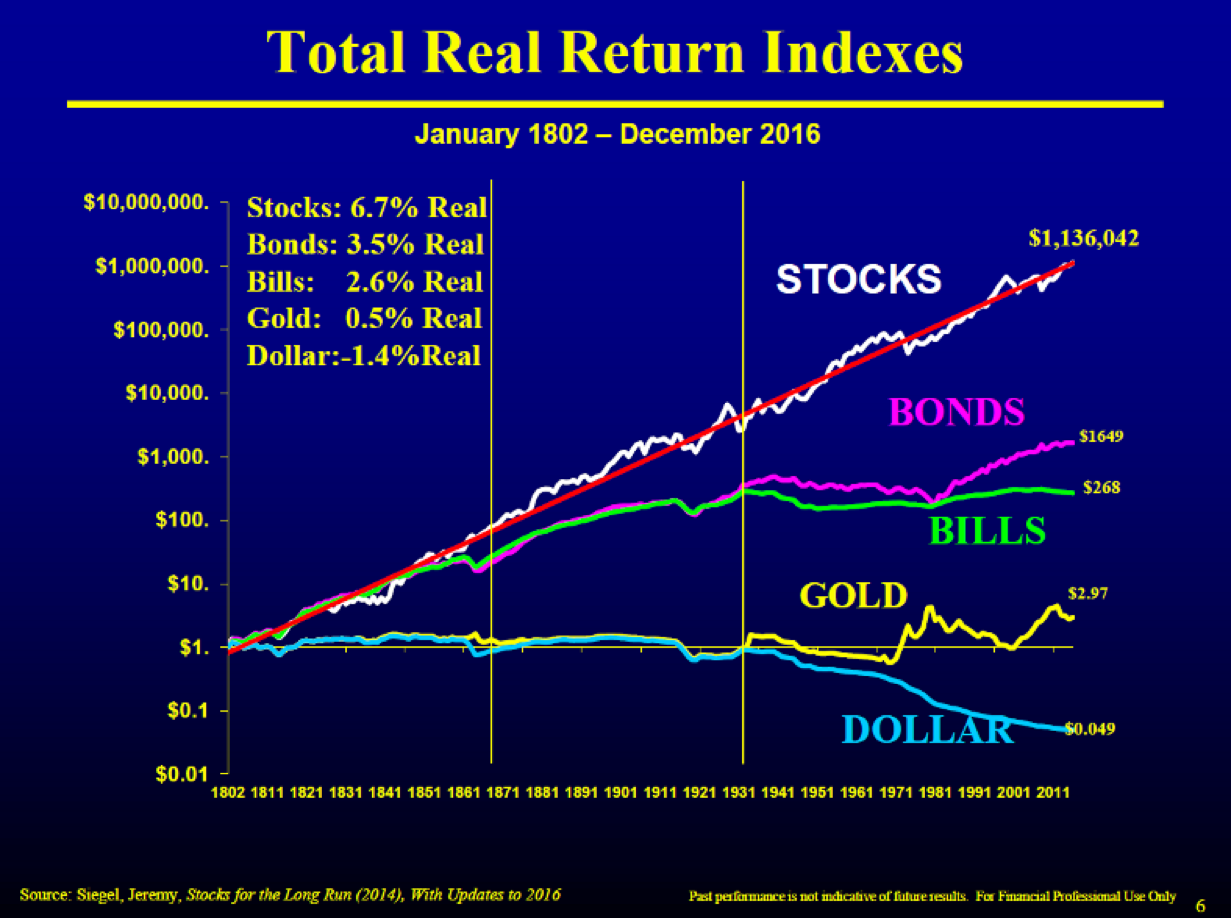
As highlighted earlier, the primary reward of stock investing is the potential for substantial capital appreciation and the power of compounding. Historically, stocks have been one of the best-performing asset classes over the long run, outpacing bonds, cash, and commodities. This long-term growth is driven by innovation, productivity gains, and companies’ ability to adapt and expand.
Moreover, the compounding effect means that early investments, given enough time, can grow exponentially. A small initial investment, consistently added to and allowed to grow over decades, can transform into a significant nest egg, demonstrating the profound impact of time and sustained market exposure. This long-term perspective is crucial for harnessing the full potential of equity markets.
Mitigating the Downside: Volatility, Market Risks, and Company-Specific Risks
While the upside is compelling, the stock market is also characterized by volatility and various forms of risk that can lead to losses.
- Market Risk (Systematic Risk): This refers to the risk of the entire market declining due to broad economic, political, or social factors. Events like recessions, interest rate hikes, or global crises can affect nearly all stocks, regardless of their individual performance. Market risk cannot be eliminated through diversification within stocks, but it can be managed by diversifying across different asset classes (e.g., stocks, bonds, real estate).
- Company-Specific Risk (Unsystematic Risk): This is the risk associated with a particular company or industry. Poor management decisions, product failures, legal issues, or intense competition can negatively impact a single company’s stock price, even if the broader market is performing well. This type of risk can be significantly reduced through diversification by investing in a variety of companies across different sectors and geographies.
- Volatility: Stock prices can fluctuate wildly in the short term, driven by news, sentiment, and trading activity. While volatility can be unsettling, it’s a normal part of the market and often presents opportunities for long-term investors to buy quality assets at lower prices. The key is not to panic sell during downturns but to maintain a disciplined approach.
- Inflation Risk: While stocks can hedge against inflation over the long term, certain companies or sectors might struggle in inflationary environments if they cannot pass on higher costs to consumers.
- Liquidity Risk: Although most publicly traded stocks are highly liquid, meaning they can be bought or sold easily, some smaller company stocks might have lower trading volumes, making it harder to execute trades quickly without impacting the price.
The Golden Rule: Diversification and Long-Term Perspective
The single most important principle for managing risk in stock investing is diversification. Spreading your investments across numerous companies, industries, geographical regions, and even asset classes significantly reduces the impact of any single poor-performing investment. A well-diversified portfolio is less susceptible to company-specific risks and can better weather market fluctuations.
Equally vital is adopting a long-term perspective. The stock market has historically trended upwards over extended periods, despite numerous corrections and bear markets along the way. Trying to time the market (buying low and selling high in the short term) is notoriously difficult and often leads to suboptimal results. Instead, consistent investing over many years allows investors to ride out short-term volatility and benefit from the market’s long-term growth trajectory and compounding returns.
Getting Started: Your Journey into Stock Market Investing
Embarking on your stock investing journey doesn’t have to be complicated. With a clear plan and the right tools, you can begin building your portfolio confidently.
Laying the Foundation: Setting Financial Goals and Risk Tolerance
Before making your first investment, define your financial goals. Are you saving for retirement, a down payment on a house, or your child’s education? Your goals will influence your investment horizon and the level of risk you’re comfortable taking.
- Investment Horizon: The longer your investment horizon (e.g., 20+ years for retirement), the more risk you can typically afford to take, as you have more time to recover from market downturns.
- Risk Tolerance: Honestly assess your comfort level with potential losses. Some individuals are comfortable with higher risk for higher potential returns (aggressive), while others prefer lower risk and more stable, albeit potentially lower, returns (conservative). Your risk tolerance should align with your investment strategy.
Opening the Gateway: Choosing a Brokerage Account
To buy and sell stocks, you’ll need a brokerage account. These accounts are offered by financial institutions that act as intermediaries between you and the stock market.
- Types of Brokers:
- Full-Service Brokers: Offer a wide range of services, including personalized advice, financial planning, and portfolio management. They typically charge higher fees.
- Discount Brokers (Online Brokers): Provide a platform for self-directed investing with lower fees, often commission-free trades. These are popular for investors who prefer to manage their own portfolios.
- Key Considerations: When choosing a broker, look for competitive fees, a user-friendly platform, robust research tools, customer support, and a selection of investment products that meet your needs. Ensure the broker is regulated and offers investor protection (e.g., SIPC in the US).
Researching Your Investments: Due Diligence and Information Sources
Effective stock investing requires diligent research. Don’t simply buy a stock because you heard a tip or saw it perform well recently.
- Company Fundamentals: Analyze a company’s financial health by reviewing its financial statements (income statement, balance sheet, cash flow statement). Look at key metrics like revenue growth, profit margins, debt levels, and cash flow.
- Industry Analysis: Understand the industry in which the company operates. Is it growing? What are the competitive dynamics? Are there regulatory risks?
- Management Team: Assess the quality and experience of the company’s leadership.
- Competitive Advantage (Moat): Does the company have a sustainable competitive advantage (e.g., strong brand, proprietary technology, network effects) that protects its market share and profitability?
- Information Sources: Utilize reputable financial news outlets, company investor relations websites, SEC filings (10-K, 10-Q), financial analysis websites, and analyst reports.
Strategic Approaches: Passive Investing vs. Active Trading
How you approach investing will depend on your time commitment, expertise, and philosophy.
- Passive Investing (Long-Term): This strategy involves buying and holding a diversified portfolio of investments for many years, often using low-cost index funds or Exchange Traded Funds (ETFs) that track broad market indices like the S&P 500. The goal is to match market returns over the long term, rather than trying to beat them. This approach minimizes trading costs and requires less active management. It is often recommended for most individual investors.
- Active Trading (Short-Term): This involves frequent buying and selling of stocks with the aim of profiting from short-term price fluctuations. Active traders spend significant time researching, analyzing charts, and monitoring market news. While it offers the potential for higher returns, it also carries significantly higher risk, involves higher transaction costs, and demands a considerable amount of skill and discipline. Most individual investors find it challenging to consistently outperform the market with active trading.
Beyond the Basics: Advanced Concepts and Continuous Learning
As you gain experience, you’ll encounter more nuanced aspects of stock investing. Continuously learning and adapting your strategies are vital for long-term success.
Key Financial Metrics: Understanding EPS, P/E, and Market Cap
Familiarizing yourself with key financial metrics will enable more informed decision-making.
- Earnings Per Share (EPS): A company’s profit divided by the number of outstanding shares. It indicates how much profit a company makes for each share of stock.
- Price-to-Earnings Ratio (P/E Ratio): The current share price divided by its EPS. It’s a common valuation metric indicating how much investors are willing to pay for each dollar of a company’s earnings. A high P/E often suggests investors expect higher future growth, while a low P/E might indicate an undervalued company or one with slower growth prospects.
- Market Capitalization (Market Cap): The total value of a company’s outstanding shares, calculated by multiplying the share price by the number of shares. It helps classify companies by size (small-cap, mid-cap, large-cap), which can influence their risk and growth profiles.
The Role of Dividends: Income Generation and Reinvestment
Dividends play a crucial role for many investors, providing income and, when reinvested, significantly boosting long-term returns through compounding. Companies that consistently pay and grow dividends often signal financial stability and maturity. Dividend Reinvestment Plans (DRIPs) allow investors to automatically use their dividends to purchase more shares of the same stock, leveraging compounding to accelerate wealth accumulation.
Market Cycles and Economic Indicators: Broader Influences
Stock markets do not move in a straight line; they are influenced by broader economic cycles and indicators. Understanding concepts like economic expansions, contractions, interest rates, inflation, and employment data helps investors contextualize market movements and anticipate potential trends. While individual investors shouldn’t try to time these cycles perfectly, having an awareness of the macroeconomic environment can inform long-term strategic decisions.

Embracing a Long-Term Mindset and Adaptability
Ultimately, successful stock investing is less about chasing hot tips and more about discipline, patience, and a long-term perspective. The market will experience ups and downs, but resilient investors focus on quality companies, diversify their portfolios, and stick to their investment plan. Staying informed, adapting to new information, and continuously refining your understanding of financial markets will be your greatest assets in the journey of wealth creation through stock investing. By mastering the fundamentals and committing to continuous learning, you transform “what is investing in stocks” from a perplexing question into a powerful strategy for financial prosperity.
aViewFromTheCave is a participant in the Amazon Services LLC Associates Program, an affiliate advertising program designed to provide a means for sites to earn advertising fees by advertising and linking to Amazon.com. Amazon, the Amazon logo, AmazonSupply, and the AmazonSupply logo are trademarks of Amazon.com, Inc. or its affiliates. As an Amazon Associate we earn affiliate commissions from qualifying purchases.