
Navigating the world of stock investing can initially seem like deciphering a complex financial lexicon. Yet, at its core, understanding stocks is about grasping the fundamental principles of ownership in public companies and how these ownership stakes are valued and traded. For anyone aspiring to build wealth, achieve financial independence, or simply make informed financial decisions, a foundational comprehension of stocks is indispensable. This guide aims to demystify stocks, providing a clear and insightful roadmap from the basics of equity ownership to the nuanced factors that drive market movements, empowering you to approach the stock market with confidence and a well-informed perspective.

The Foundation of Stock Ownership
To truly understand stocks, one must first grasp what they fundamentally represent and why they exist within the financial ecosystem. Stocks are more than just numbers on a screen; they are slices of a company, bestowing upon their holders a proportionate share of ownership and the potential for financial gain.
What Exactly is a Stock?
At its most basic, a stock (also known as equity or shares) represents a fractional ownership interest in a corporation. When you buy a stock, you become a part-owner of that company. This ownership stake is usually proportional to the number of shares you hold relative to the total number of shares outstanding. For instance, if a company has 1 million shares outstanding and you own 1,000 shares, you own 0.1% of that company.
This ownership isn’t just symbolic. It often comes with certain rights, such as voting on corporate matters (like electing the board of directors) and the potential to receive a share of the company’s profits, typically distributed as dividends. Stocks are considered securities, financial instruments that represent some type of financial value.
Why Companies Issue Stocks
Companies primarily issue stocks for one critical reason: to raise capital. When a private company decides it needs significant funds for expansion, research and development, debt repayment, or acquisitions, it might choose to go public through an Initial Public Offering (IPO). By selling shares to the public, the company transforms from private ownership to public ownership, distributing ownership across many investors.
This process provides companies with a powerful mechanism to finance their growth without incurring debt or relying solely on private investors. For example, a tech startup might need billions to scale its operations globally, and an IPO allows it to tap into a vast pool of public investors eager to participate in its potential success. In return, shareholders expect their investment to grow in value as the company prospers.
The Role of Shareholders and Their Rights
As a shareholder, you are more than just an investor; you are a stakeholder in the company’s future. The primary roles and rights of shareholders typically include:
- Voting Rights: Common shareholders usually have the right to vote on significant corporate decisions, such as electing board members, approving mergers and acquisitions, and changes to the company’s charter. These votes are typically proportional to the number of shares held.
- Dividends: Many profitable companies distribute a portion of their earnings to shareholders in the form of dividends. While not guaranteed, dividends can provide a regular income stream for investors and are a tangible benefit of ownership.
- Preemptive Rights: In some cases, existing shareholders may have the right to purchase new shares issued by the company before they are offered to the general public, allowing them to maintain their percentage of ownership.
- Claim on Assets: In the unfortunate event of a company’s liquidation, common shareholders have a residual claim on the company’s assets after creditors and preferred shareholders have been paid. This makes common stock a higher-risk, higher-reward investment compared to bonds.
Understanding these foundational aspects—what a stock is, why companies issue them, and what rights come with ownership—is the first crucial step toward building a robust investment strategy and confidently engaging with the stock market.
Navigating the Stock Market Landscape
Once you understand what stocks are, the next step is to comprehend the different types of stocks available and the environments in which they are traded. The stock market is not a single entity but a vast network of exchanges and platforms, each with its own characteristics.
Common vs. Preferred Stock
While “stock” is often used broadly, there are two primary types of shares that companies issue:
- Common Stock: This is what most people refer to when they talk about stocks. Common stock represents true ownership and typically comes with voting rights. Common stockholders have the potential for higher returns if the company performs well, as the stock price can appreciate significantly. However, they also bear the highest risk, as their claims on assets are subordinate to preferred stockholders and creditors in a liquidation scenario.
- Preferred Stock: Preferred stock is a hybrid security that shares characteristics of both stocks and bonds. Preferred shareholders usually do not have voting rights but are typically entitled to fixed dividend payments, similar to bond interest. These dividends are paid before common stock dividends. In the event of liquidation, preferred shareholders have a higher claim on the company’s assets than common shareholders but a lower claim than bondholders. This makes preferred stock generally less volatile than common stock, appealing to investors seeking income and less risk.
Understanding Stock Exchanges and Trading
Stocks are bought and sold on stock exchanges, which are regulated marketplaces where securities are traded. The most prominent examples globally include the New York Stock Exchange (NYSE), the NASDAQ, the London Stock Exchange (LSE), and the Tokyo Stock Exchange (TSE).
- How Exchanges Work: Exchanges provide a platform for buyers and sellers to meet. Traditionally, this involved physical trading floors (like the NYSE), but today, most trading occurs electronically (like NASDAQ). Brokers act as intermediaries, executing trades on behalf of investors.
- Market Hours: Exchanges operate during specific hours, typically Monday through Friday. However, “after-hours” and “pre-market” trading sessions also exist, allowing for trades outside regular hours, though usually with lower liquidity.
- Over-the-Counter (OTC) Markets: Not all stocks are listed on major exchanges. Some smaller companies trade on OTC markets, which are decentralized networks of brokers and dealers. These stocks often have lower liquidity and transparency, making them generally riskier.
The Significance of Market Capitalization
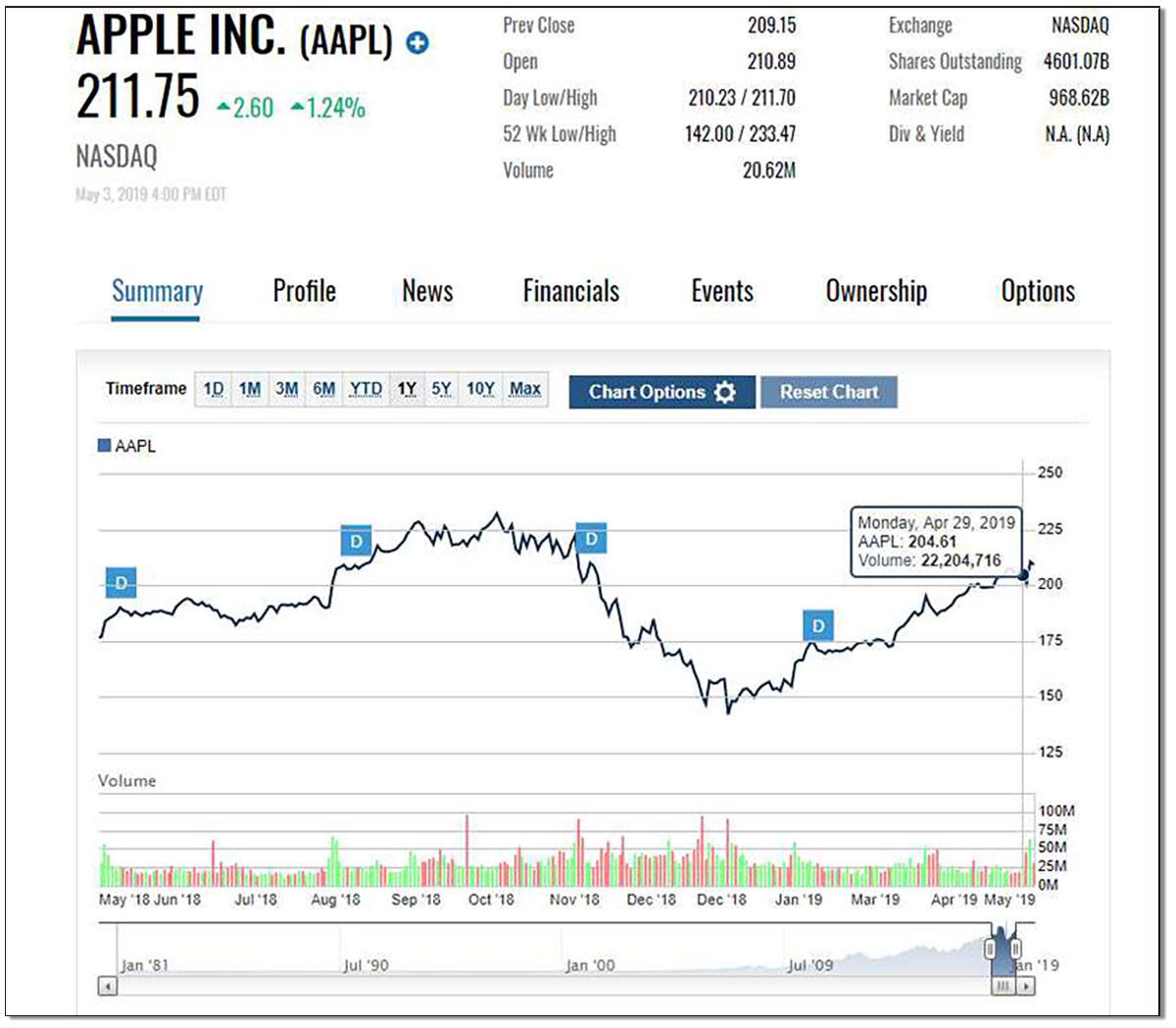
Market capitalization, often shortened to “market cap,” is a crucial metric that indicates a company’s total value as determined by the stock market. It’s calculated by multiplying the current stock price by the number of outstanding shares (Market Cap = Share Price x Shares Outstanding). Companies are typically categorized by their market cap:
- Large-Cap Companies: (e.g., $10 billion and above) These are typically well-established, financially stable companies with a long history of operations (e.g., Apple, Microsoft, Johnson & Johnson). They are often considered safer investments due to their size and market dominance, but may offer slower growth potential.
- Mid-Cap Companies: (e.g., $2 billion to $10 billion) These companies are typically in a growth phase, larger than small-caps but not yet large-caps. They can offer a balance of growth potential and stability.
- Small-Cap Companies: (e.g., $300 million to $2 billion) These are often younger, less established companies with significant growth potential. However, they come with higher risk due to their smaller size, limited resources, and greater sensitivity to economic fluctuations.
- Micro-Cap and Nano-Cap Companies: (below $300 million) These are the smallest public companies, often characterized by high risk and high reward potential, but also extremely high volatility and low liquidity.
Understanding market capitalization helps investors assess a company’s size, maturity, and potential risk/reward profile, guiding their investment decisions.
Essential Metrics for Stock Analysis
Investing in stocks without proper analysis is akin to navigating an unknown sea without a map. Successful investors delve into a company’s financials and evaluate key metrics to determine its health, performance, and intrinsic value.
Deciphering Financial Statements
Public companies are required to disclose their financial performance regularly, primarily through three core financial statements:
- Income Statement (Profit & Loss Statement): This statement reports a company’s financial performance over a specific period (quarterly or annually). It shows revenues, expenses, and ultimately, net income (or profit). Key items to look for include revenue growth, cost of goods sold, operating expenses, and earnings per share (EPS).
- Balance Sheet: This statement provides a snapshot of a company’s financial position at a specific point in time. It lists assets (what the company owns), liabilities (what it owes), and owner’s equity (the residual value belonging to shareholders). Analyzing the balance sheet reveals a company’s financial structure, liquidity, and solvency.
- Cash Flow Statement: This statement tracks how cash flows in and out of a company over a period. It categorizes cash flows into operating, investing, and financing activities. The cash flow statement is crucial because it shows a company’s ability to generate cash, which is vital for operations, investments, and debt repayment, often providing a more accurate picture of financial health than net income alone.
Key Financial Ratios for Evaluation
Financial ratios condense complex financial data into digestible metrics, allowing for easier comparison and analysis:
- Price-to-Earnings (P/E) Ratio: One of the most common valuation metrics, it divides a company’s stock price by its earnings per share (EPS). A high P/E ratio might suggest investors expect high future growth, while a low P/E might indicate undervaluation or skepticism about future prospects.
- Earnings Per Share (EPS): Net income divided by the number of outstanding shares. EPS indicates how much profit a company makes per share of its stock, a direct measure of profitability for shareholders.
- Return on Equity (ROE): Net income divided by shareholder equity. ROE measures how efficiently a company uses shareholder investments to generate profits. A higher ROE generally indicates better financial performance.
- Debt-to-Equity Ratio: Total liabilities divided by shareholder equity. This ratio indicates the proportion of debt financing relative to equity financing. A high ratio can signal higher financial risk, while a lower ratio suggests a more conservative financial structure.
- Dividend Yield: Annual dividends per share divided by the stock price. This ratio indicates the percentage return an investor receives in dividends relative to the stock’s price, useful for income-focused investors.
Fundamental Valuation Methods
Beyond ratios, investors employ various methods to estimate a stock’s intrinsic value:
- Discounted Cash Flow (DCF): This method estimates the value of an investment based on its expected future cash flows, which are discounted back to the present day to account for the time value of money. DCF is considered a robust valuation method but relies heavily on assumptions about future performance.
- Comparable Company Analysis (Comps): This involves comparing the target company’s valuation multiples (like P/E, P/S, EV/EBITDA) to those of similar publicly traded companies. It provides a relative valuation based on market sentiment for comparable businesses.
- Asset-Based Valuation: This method values a company based on the fair market value of its assets, minus its liabilities. It’s often used for companies with significant tangible assets or in liquidation scenarios.
Mastering these analytical tools allows investors to move beyond speculation and make data-driven decisions about which stocks are genuinely good investments.
Dynamics Influencing Stock Prices
Stock prices are in constant flux, influenced by a complex interplay of forces. Understanding these dynamics is crucial for anticipating market movements and making timely investment decisions. It’s not just about a company’s performance but also the broader economic climate and investor psychology.
Macroeconomic Indicators
The health of the overall economy significantly impacts corporate earnings and, consequently, stock prices. Several macroeconomic indicators are closely watched by investors:
- Gross Domestic Product (GDP): This measures the total value of goods and services produced in an economy. Strong GDP growth often signals a robust economy, which can translate to higher corporate profits and rising stock prices. Conversely, slowing GDP can indicate an impending downturn.
- Interest Rates: Central banks, like the Federal Reserve in the U.S., use interest rates as a primary tool to manage the economy. Higher interest rates typically make borrowing more expensive, which can reduce corporate spending, slow economic growth, and make bonds more attractive relative to stocks, often leading to a stock market decline. Lower interest rates tend to have the opposite effect.
- Inflation: Inflation is the rate at which the general level of prices for goods and services is rising. Moderate inflation can be a sign of a healthy economy, but high inflation erodes purchasing power, increases business costs, and can prompt central banks to raise interest rates, negatively impacting stocks.
- Unemployment Rates: Low unemployment generally indicates a strong economy with high consumer spending, which is positive for corporate revenues. High unemployment, conversely, signals economic weakness and can dampen consumer demand.
Company-Specific News and Events
While macroeconomic factors set the stage, specific events related to individual companies can cause significant stock price movements:
- Earnings Reports: Quarterly and annual earnings reports are critical. Companies that exceed revenue and profit expectations often see their stock prices rise, while those that miss expectations or lower their guidance can experience sharp declines.
- Product Launches and Innovation: The announcement of a revolutionary new product or a significant technological breakthrough can dramatically boost investor confidence and drive up a stock’s value (e.g., Apple’s iPhone launches).
- Management Changes: Changes in top leadership, such as the appointment of a new CEO or CFO, can be perceived positively or negatively, depending on the individual’s reputation and strategic vision.
- Mergers and Acquisitions (M&A): When a company announces it will acquire or be acquired by another, the stocks of both companies can react sharply. The acquiring company’s stock might fall if investors believe it’s overpaying, while the target company’s stock often rises due to the premium paid.
- Regulatory Changes or Legal Issues: New government regulations, antitrust investigations, or significant lawsuits can have a profound impact on a company’s business model and financial prospects, leading to stock price volatility.
Market Sentiment and Investor Psychology
Beyond hard data, the collective mood and psychological biases of investors play a powerful role in determining stock prices:
- Fear and Greed: These two emotions are powerful drivers. Greed can lead to irrational exuberance and asset bubbles, while fear can trigger panic selling, causing market crashes.
- Herd Mentality: Investors often follow the crowd, buying what others are buying or selling what others are selling, even if it goes against their own analysis. This can amplify trends, both up and down.
- News Cycle and Media Influence: Financial news outlets and social media can significantly influence sentiment, sometimes exaggerating events or creating self-fulfilling prophecies.
- Technical Analysis: Some traders use technical analysis, studying historical price charts and trading volumes to identify patterns and predict future price movements, believing that all known information is already reflected in the price.
Understanding these multifaceted influences—from the broad strokes of the economy to the specific brushstrokes of company news and the subtle colors of human psychology—provides a comprehensive framework for interpreting stock market behavior and making more informed investment decisions.
Strategies for Stock Investing and Risk Management
Once you have a grasp of what stocks are, how the market works, and how to analyze companies, the next critical step is to develop an investment strategy and understand how to manage risk. There’s no one-size-fits-all approach, and a well-thought-out plan tailored to your financial goals and risk tolerance is essential.
Long-Term Investing Approaches
For most individual investors, a long-term perspective is often the most prudent and rewarding strategy. This involves holding investments for several years, allowing them to grow with the underlying companies and benefit from compounding returns.
- Buy and Hold: This strategy involves purchasing stocks of quality companies and holding them for extended periods, regardless of short-term market fluctuations. The belief is that strong companies will continue to grow their earnings and value over time. It minimizes trading costs and capital gains taxes.
- Growth Investing: Growth investors focus on companies expected to grow their earnings and revenues at an above-average rate. These are often younger companies in rapidly expanding industries (e.g., tech, biotech). They typically have high P/E ratios, indicating investors are willing to pay a premium for future growth potential.
- Value Investing: Value investors seek out stocks that they believe are trading below their intrinsic value. They use fundamental analysis to identify companies that are financially sound but are currently overlooked or undervalued by the market. This often means buying “unpopular” stocks and holding them until the market recognizes their true worth.
- Dividend Investing: This strategy focuses on companies that regularly pay dividends. Investors seek a steady income stream in addition to potential capital appreciation. Dividend-paying companies are often mature, stable businesses with strong cash flows.
Short-Term Trading (with Caution)
While long-term investing focuses on wealth accumulation over decades, short-term trading aims to profit from price fluctuations over days, weeks, or months. This approach is generally riskier and requires significant time commitment and expertise.
- Swing Trading: Involves holding stocks for a few days or weeks to profit from “swings” in price. Swing traders use technical analysis to identify entry and exit points.
- Day Trading: This is the most intense form of trading, involving buying and selling stocks within the same trading day to capitalize on very small price movements. Day trading is extremely high-risk, requires significant capital, and is generally not recommended for beginners.
- Momentum Trading: Buying stocks that are showing strong upward price movement and selling them when the momentum fades.
It’s crucial to emphasize that short-term trading is speculative and not suitable for everyone. The vast majority of individual traders lose money, and it requires a deep understanding of market mechanics, risk management, and emotional discipline.

The Indispensability of Diversification and Risk Management
Regardless of your chosen strategy, effective risk management is paramount to protecting your capital and achieving long-term success.
- Diversification: This is the cornerstone of risk management. It involves spreading your investments across various asset classes (stocks, bonds, real estate), industries, geographic regions, and company sizes. The goal is to reduce the impact of poor performance from any single investment on your overall portfolio. For example, if you only own tech stocks and the tech sector experiences a downturn, your entire portfolio suffers. Diversifying into healthcare, consumer goods, and financials can mitigate this risk.
- Asset Allocation: This is the process of deciding how to divide your investment portfolio among different asset categories. Your ideal asset allocation depends on your age, financial goals, time horizon, and risk tolerance. Younger investors with a longer time horizon might allocate a larger portion to stocks, while those nearing retirement might opt for a more conservative allocation with more bonds.
- Stop-Loss Orders: These are instructions given to your broker to sell a stock automatically if its price falls to a certain level. They help limit potential losses on an investment.
- Regular Rebalancing: Over time, your asset allocation can drift due to market performance. Rebalancing involves adjusting your portfolio periodically to bring it back to your desired allocation, ensuring your risk level remains consistent with your goals.
- Emotional Discipline: Perhaps the most challenging aspect of investing. Avoiding impulsive decisions driven by fear or greed is vital. Stick to your investment plan, even during market volatility.
Understanding stocks is a continuous journey of learning and adaptation. By building a strong foundation in the basics, analyzing financials, understanding market dynamics, and implementing sound investment strategies coupled with robust risk management, you can approach the stock market with greater confidence and significantly enhance your prospects for long-term financial success. The market may seem daunting, but with a disciplined and informed approach, it can be a powerful tool for wealth creation.
aViewFromTheCave is a participant in the Amazon Services LLC Associates Program, an affiliate advertising program designed to provide a means for sites to earn advertising fees by advertising and linking to Amazon.com. Amazon, the Amazon logo, AmazonSupply, and the AmazonSupply logo are trademarks of Amazon.com, Inc. or its affiliates. As an Amazon Associate we earn affiliate commissions from qualifying purchases.